The term ‘Kemosabe’ has permeated popular culture, instantly recognizable to many, yet its precise meaning and origin often remain shrouded in mystery. Frequently associated with the classic Western character Tonto and his faithful companion, The Lone Ranger, this seemingly simple word carries a rich, complex history that spans entertainment, linguistics, and cultural interpretation.
In its most common and widely understood usage, particularly within the context of the Lone Ranger series, ‘Kemosabe’ is interpreted as a term of endearment, generally meaning ‘faithful friend’ or ‘trusty scout.’ Tonto consistently used it to address the Lone Ranger, cementing its place in the lexicon as a symbol of companionship and loyalty.
However, a deeper exploration reveals that the popular understanding might not align perfectly with its original linguistic roots or even its creators’ initial intentions. The journey to uncover the full story of ‘Kemosabe’ takes us back to the early days of radio and a fascinating intersection of cultures.
The Genesis: The Lone Ranger and Tonto
The term first gained widespread recognition through the iconic American Western franchise, The Lone Ranger. Created by George W. Trendle and Fran Striker, the character of The Lone Ranger, a masked Texas Ranger, and his Native American companion, Tonto, debuted on radio in 1933.
Tonto, often portrayed as a Potawatomi Indian, consistently referred to the Lone Ranger as ‘Kemosabe.’ This repeated usage quickly ingrained the word into the public consciousness, making it synonymous with their unique bond and the adventures they shared.
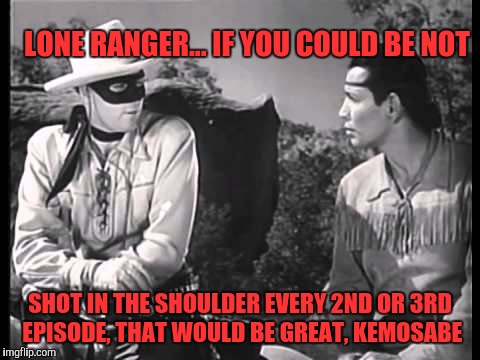
The relationship between Tonto and the Lone Ranger was central to the series’ appeal, symbolizing a cross-cultural alliance against injustice. ‘Kemosabe’ became the verbal cornerstone of this alliance, a unique identifier that spoke volumes about their mutual respect and shared purpose.
Unpacking the Etymology: The Anishinaabemowin Connection
While its popular meaning is clear, the linguistic origins of ‘Kemosabe’ are more debated and intriguing. The most widely accepted theory traces the word back to the Anishinaabemowin language family, specifically Ojibwe (also known as Chippewa), which is spoken by various Native American tribes in the Great Lakes region.
The prevailing theory suggests ‘Kemosabe’ is derived from the Ojibwe word ‘Gimoozaabi’ (or Gii-mose-zaabi), which roughly translates to ‘he who looks in secret’ or ‘he who scouts.’ This interpretation aligns quite well with the Lone Ranger’s persona as a masked detective and a vigilant figure who often observed situations before acting.
Another related Ojibwe term, ‘Gizhoobii’ or ‘Ga-moo-zaabi,’ has been suggested, which could mean something like ‘one who walks in secret’ or ‘he who is observant.’ This further reinforces the idea of a scout or someone who operates covertly, fitting the Lone Ranger’s secretive identity.
Fran Striker, one of the creators, reportedly stated that the name came from a camp in Michigan called ‘Camp Kemosabe,’ which he frequented as a child. This camp’s name itself is believed to have been derived from the local Ojibwe language, linking it directly to the ‘scout’ or ‘secret watcher’ meaning.
The Discrepancy: Popular Meaning vs. Original Intent
It’s fascinating how a word with a probable meaning of ‘scout’ or ‘secret watcher’ evolved in popular culture to signify ‘friend.’ This shift likely occurred because Tonto, the speaker, was the Lone Ranger’s trusted companion. The context of their relationship imbued the term with a sense of camaraderie.
The audience, unfamiliar with Ojibwe, interpreted the term through the lens of Tonto’s loyalty and affection. Over decades, this popular interpretation solidified, largely overshadowing the more literal etymological meaning. This is a common phenomenon in language, where usage dictates meaning.

Is ‘Kemosabe’ Offensive? Addressing Cultural Sensitivity
The question of whether ‘Kemosabe’ is offensive is complex and has been a topic of discussion. Some argue that because it originated from a fictionalized portrayal of Native Americans, often featuring stereotypes, its use can be problematic.
The character of Tonto, while iconic, has also been criticized for perpetuating the ‘noble savage’ trope and for speaking in broken English, which contributed to stereotypes about Native American intelligence and communication.
However, many do not consider ‘Kemosabe’ inherently offensive in the same way some racial slurs are. Its usage is generally perceived as a term of endearment or a playful reference to a friend, often without malicious intent. The potential for offense usually arises when it’s used to mock or caricature Native American speech or culture.
It’s crucial to consider context and intent. When used respectfully, acknowledging its origins and the relationship it represents, it can be benign. When used derisively or to perpetuate stereotypes, it becomes problematic. Awareness of its origins and the historical context of Native American representation in media is key.
‘Kemosabe’ Beyond The Lone Ranger: Pop Culture References
The term’s legacy extends far beyond the Western genre. ‘Kemosabe’ has appeared in numerous films, television shows, and even music. It’s often used humorously or as a nostalgic nod to the classic series.
A notable modern example is Kemosabe Records, a record label founded by Sony Music Entertainment in partnership with Dr. Luke. Its name directly references the enduring cultural impact of the term and its association with a trusted partnership.
The word has also become a colloquialism in English, sometimes used informally among friends as a playful way to address someone, similar to ‘pal’ or ‘buddy,’ often with an added layer of mock-heroic or nostalgic flair.
Related Terms and Concepts
- Tonto: The faithful companion whose name means ‘fool’ in Spanish, highlighting another layer of potential cultural insensitivity in the character’s naming.
- Paleface: A derogatory term historically used to refer to white people, sometimes by Native American characters in fiction. While not directly linked to ‘Kemosabe’ in meaning, it’s part of the same fictionalized cultural landscape.
- Native American Languages: The richness and diversity of indigenous languages like Ojibwe, which often provide deep, descriptive meanings for words.
The Enduring Legacy of a Word
‘Kemosabe’ stands as a testament to the power of popular culture in shaping language. What began as a specific term within a fictional narrative, likely rooted in an indigenous language with a particular meaning, has evolved into a widely recognized, albeit loosely defined, expression of friendship and camaraderie.
Its journey from the radio waves of the 1930s to modern-day parlance underscores how media can introduce and redefine words, sometimes creating new meanings that diverge from their original linguistic foundations.
While its precise etymology points to ‘scout’ or ‘secret watcher,’ its cultural translation unequivocally points to ‘trusted friend.’ This duality makes ‘Kemosabe’ a fascinating case study in linguistic evolution and cultural interpretation.
Conclusion: The Many Faces of Kemosabe
In summary, ‘Kemosabe’ is most commonly understood in English as a term of endearment signifying a ‘faithful friend’ or ‘trusty companion,’ popularized by Tonto’s address to The Lone Ranger. Its likely origin is the Ojibwe word ‘Gimoozaabi,’ meaning ‘he who looks in secret’ or ‘scout,’ a fitting description for the masked hero.
While its usage is generally benign and affectionate in contemporary English, understanding its origins within a sometimes-stereotypical portrayal of Native Americans encourages thoughtful and respectful use. ‘Kemosabe’ remains a potent symbol of cross-cultural partnership in fiction and a curious example of how words take on new life and meaning through popular imagination.
Ultimately, ‘Kemosabe’ is more than just a word; it’s a cultural artifact, reflecting a bygone era of entertainment while continuing to spark conversations about language, history, and representation.


