
Access to clean, safe, and reliable water is a fundamental human right, yet for countless Indigenous communities across the United States, this right remains a distant reality. Water infrastructure on Indian Reservations is often dilapidated, insufficient, or entirely absent, leading to severe public health crises, environmental injustices, and economic stagnation.
This comprehensive article will delve into the complex tapestry of historical neglect, systemic underfunding, and contemporary challenges that define the state of water infrastructure for tribal nations. We will explore the intricate issues, highlight the profound impacts on daily life, and examine the collaborative efforts and solutions striving to bring equitable water access to these sovereign lands.
Understanding the Crisis: The State of Water Infrastructure on Indian Reservations
Many tribal communities face conditions reminiscent of developing nations, with homes lacking indoor plumbing or connections to safe drinking water systems. Others rely on aging, crumbling infrastructure that is prone to leaks, contamination, and frequent breakdowns. The scale of the problem is vast, affecting hundreds of thousands of people.
The disparities are stark: while most non-Native households in the U.S. have ready access to treated water, a significant percentage of homes on reservations do not. This lack of basic services creates an ongoing public health emergency and a profound impediment to tribal self-determination and development.
Historical Roots of the Problem: Treaties, Rights, and Underinvestment

The current state of water infrastructure on Indian Reservations is deeply rooted in historical policies and the federal government’s trust responsibility. Treaties signed centuries ago often guaranteed Indigenous peoples access to water resources, yet these rights have frequently been ignored, diminished, or litigated over decades.
The federal government’s role, primarily through agencies like the Bureau of Indian Affairs (BIA) and the Indian Health Service (IHS), has historically been characterized by chronic underinvestment. Funds allocated for infrastructure development and maintenance have consistently fallen far short of the actual need, creating a massive backlog of essential projects.
Why is water infrastructure so bad on reservations? The problem stems from a confluence of factors: historical land dispossession, the forced relocation onto often resource-poor lands, the complex legal framework of water rights, and systemic federal underfunding that has left tribal nations playing catch-up for generations.
Key Challenges Facing Tribal Water Systems Today
The challenges are multi-faceted and intersect in complex ways, exacerbating the difficulties faced by tribal communities.
Aging Infrastructure and Maintenance Backlogs: Much of the existing water and wastewater infrastructure on reservations was built decades ago and has far exceeded its useful life. Pipes leak, treatment plants are outdated, and distribution systems are inefficient, leading to significant water loss and increased vulnerability to contamination.
Funding Deficits and Bureaucratic Hurdles: Securing adequate funding is a perennial struggle. Federal programs, while vital, are often fragmented, highly competitive, and come with complex application processes that can overwhelm tribal capacity. The sheer cost of building and maintaining modern water systems in remote, rural areas is astronomical.
Water Quality and Contamination Issues: Many tribal water sources are plagued by contamination. This can include naturally occurring contaminants like arsenic and uranium, agricultural runoff containing pesticides and nitrates, or industrial pollution from nearby mines, factories, or military bases. These pollutants pose serious health risks.
Access to Safe Drinking Water and Sanitation: A significant number of homes on reservations lack connections to centralized water systems, relying instead on unsafe wells or hauling water. Similarly, adequate wastewater treatment is often unavailable, leading to raw sewage discharge that contaminates local environments and water sources.
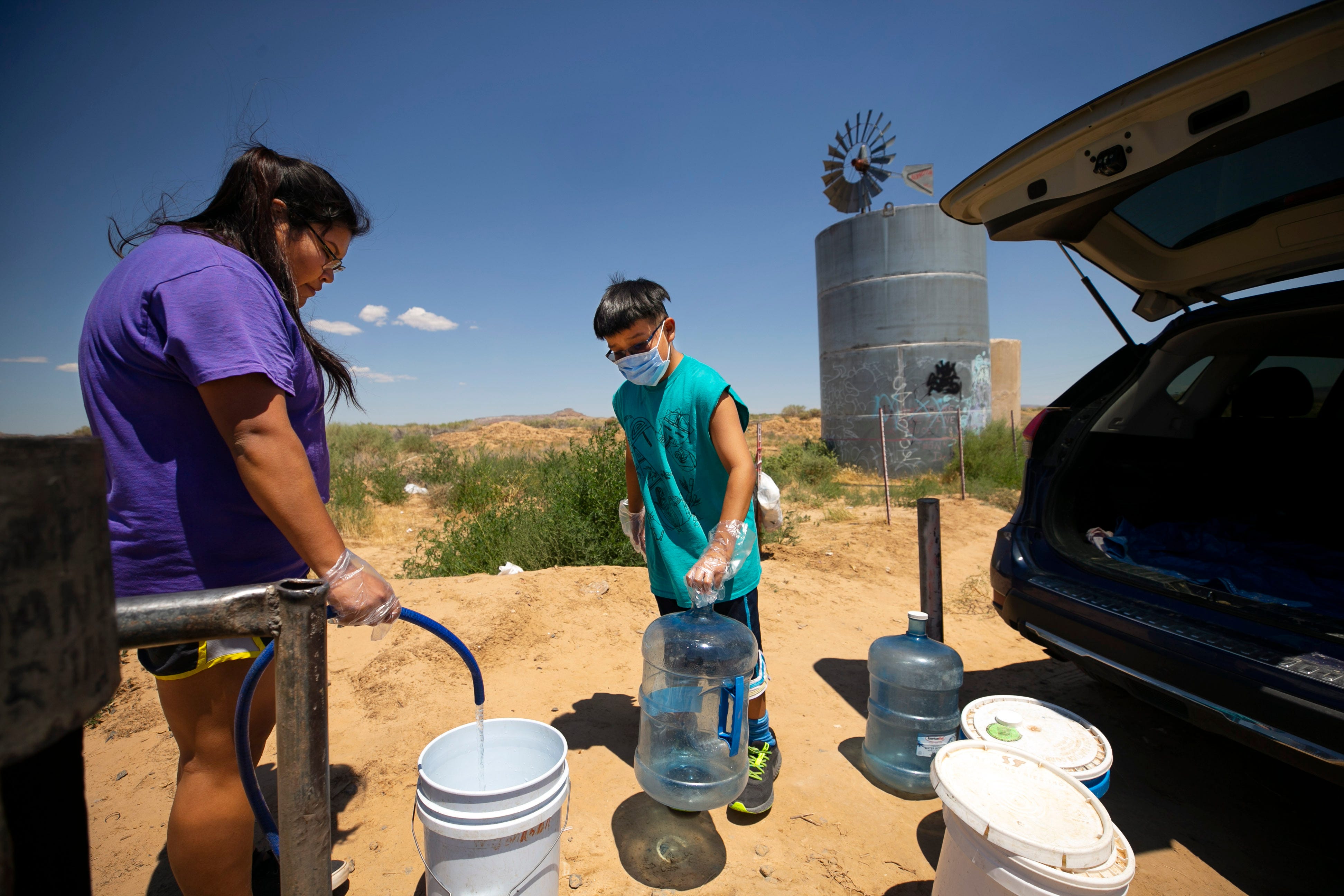
Climate Change Impacts: Indigenous communities are disproportionately affected by climate change. Droughts reduce water availability, threatening traditional agricultural practices and exacerbating existing water scarcity. Increased flooding can damage existing infrastructure and overwhelm wastewater systems, leading to further contamination.
The Human Cost: Health, Economic, and Cultural Impacts
The lack of reliable, safe water infrastructure has devastating consequences for tribal communities.
Public Health Consequences: Contaminated water leads to a higher incidence of waterborne illnesses, including giardiasis, hepatitis A, and E. coli infections. Long-term exposure to contaminants like arsenic and lead can contribute to chronic diseases, developmental issues in children, and various cancers, placing immense strain on already stretched healthcare systems.
Economic Development Stifled: Without reliable water, economic growth is severely hampered. Industries requiring water, such as agriculture or manufacturing, cannot thrive. Tourism is limited. The inability to attract and retain businesses perpetuates cycles of poverty and limits opportunities for self-sufficiency and job creation within tribal nations.
Cultural and Spiritual Significance of Water: For many Indigenous cultures, water is sacred, central to spiritual practices, ceremonies, and traditional ways of life. The pollution or scarcity of water sources disrupts these vital connections, impacting cultural continuity and spiritual well-being.
Federal Programs and Initiatives: A Patchwork of Support
Several federal agencies have a role in addressing water infrastructure on tribal lands, though coordination and funding remain critical challenges.
- Indian Health Service (IHS): Responsible for sanitation facilities construction, including water and wastewater projects, to improve health conditions.
- Bureau of Indian Affairs (BIA): Provides funding for operation and maintenance of existing infrastructure and some new construction.
- Environmental Protection Agency (EPA): Offers grants and technical assistance for drinking water and wastewater infrastructure, and enforces environmental regulations.
- USDA Rural Development: Provides loans and grants for rural water and wastewater systems, including those on tribal lands.
Recent legislative efforts, such as the Bipartisan Infrastructure Law (BIL) enacted in 2021, represent a significant, though still insufficient, investment. The BIL allocated billions for tribal water infrastructure, a crucial step towards addressing the backlog, but sustained commitment is essential.
How much funding is needed to fix water infrastructure on reservations? Estimates vary, but many reports indicate that tens of billions of dollars are required to bring tribal water systems up to par with national standards. The BIL’s investment is a start, but ongoing, substantial funding will be necessary over many years.
Tribal Self-Determination and Innovative Solutions
Tribal nations are increasingly asserting their sovereignty and taking the lead in managing their water resources, often through innovative approaches.
Tribal Water Authorities and Management: Many tribes are establishing their own water utilities and departments, building local expertise, and developing long-term water management plans tailored to their specific needs and cultural values.
Partnerships: Collaborative efforts with state governments, non-profit organizations, universities, and even private companies are proving effective in leveraging resources, sharing expertise, and implementing projects that might otherwise be out of reach.
Technological Advancements: Embracing new technologies, such as decentralized water treatment systems, advanced monitoring, and sustainable water harvesting techniques, can offer cost-effective and resilient solutions, especially in remote areas.
Leveraging Water Rights for Development: Asserting and quantifying reserved water rights can provide tribes with a powerful tool for economic development, allowing them to allocate water for agriculture, industry, and community growth.
The Path Forward: Collaborative Efforts and Sustained Investment
Addressing the water infrastructure crisis on Indian Reservations requires a multi-pronged, sustained effort built on respect for tribal sovereignty and a commitment to environmental justice.
- Long-term, Consistent Funding: Federal appropriations must reflect the true scale of the problem, moving beyond reactive funding to proactive, consistent investment that allows for long-term planning and project execution.
- Capacity Building: Investing in tribal capacity for planning, engineering, operation, and maintenance of water systems is crucial for sustainability and self-governance.
- Streamlined Federal Processes: Simplifying and coordinating federal grant and loan programs can reduce administrative burdens and accelerate project delivery.
- Recognition of Tribal Sovereignty: Empowering tribal nations to lead their own water management initiatives, respecting their self-determination and unique cultural perspectives, is paramount.
- Climate Resilience: Incorporating climate change adaptation strategies into all new and upgraded infrastructure projects is essential to ensure long-term viability.
The journey to universal access to clean, safe water on Indian Reservations is long and challenging, but it is a journey that must be undertaken with urgency and unwavering commitment. It is not merely an issue of infrastructure; it is an issue of human rights, environmental justice, and honoring the trust responsibility owed to Indigenous peoples.
By understanding the historical context, acknowledging the present-day struggles, and supporting tribal-led solutions, we can collectively work towards a future where every home on every reservation has the reliable water access it deserves. This investment is an investment in health, dignity, and a more equitable future for all.


