The story of the Washoe Tribe of Nevada and California is one of profound connection to land, enduring cultural strength, and remarkable resilience. Spanning the breathtaking landscapes of the Great Basin and the Sierra Nevada, the Washoe people, or Wašiw as they call themselves, have thrived in this region for millennia. Their reservation, a mosaic of communities across two states, represents a testament to their continuous presence and self-determination.
Understanding the Washoe Tribe requires looking beyond geographical boundaries and appreciating their deep spiritual and historical ties to the land. This comprehensive guide will explore the Washoe’s rich heritage, their modern-day governance, cultural revitalization efforts, and the challenges and triumphs they face in the 21st century.
A Glimpse into Washoe Ancestral Lands and History
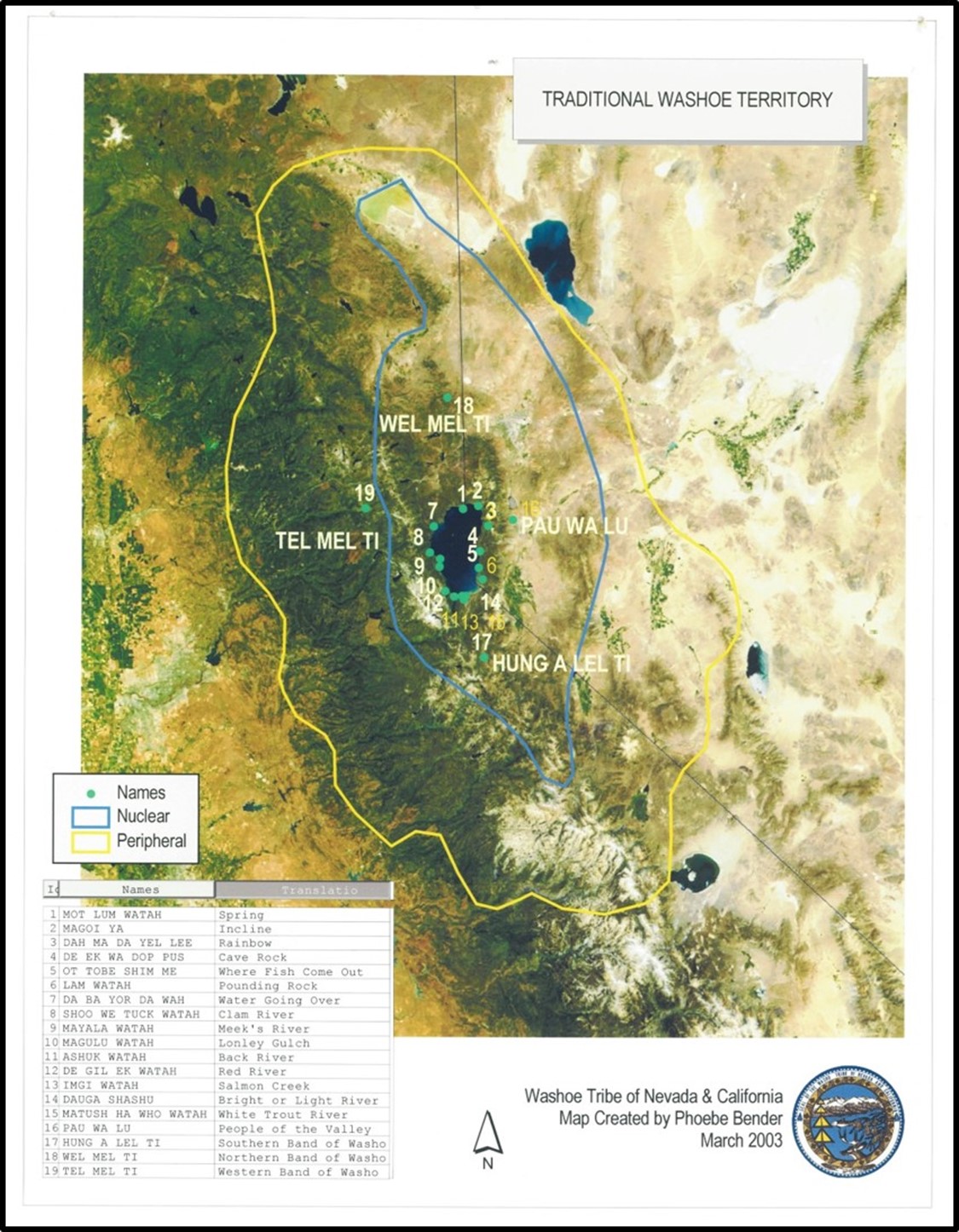
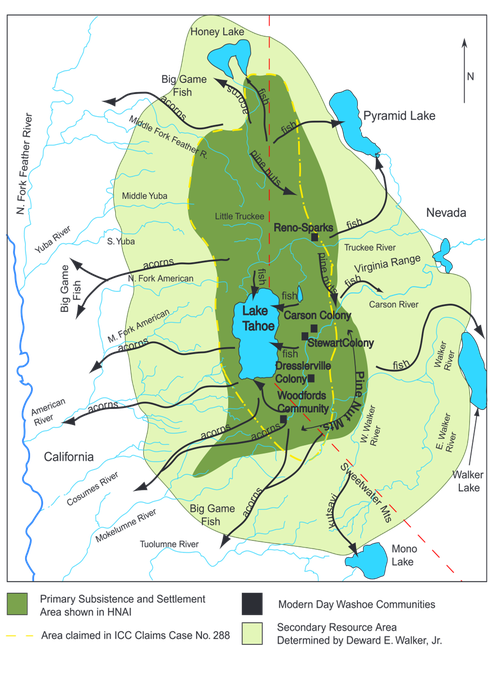
Long before the arrival of European settlers, the Washoe occupied a vast territory encompassing approximately 4,000 square miles around Lake Tahoe, extending into what is now western Nevada and eastern California. Their traditional lands were a bounty of diverse ecosystems, from the alpine peaks of the Sierra Nevada to the semi-arid valleys of the Great Basin, providing ample resources for their hunter-gatherer lifestyle.
The Washoe people developed a sophisticated understanding of their environment, moving seasonally to harvest pine nuts, hunt deer and bighorn sheep, fish in the lakes and rivers, and gather various plants. Their existence was intrinsically linked to the cycles of nature, and their culture reflected this harmony.
The 19th century brought dramatic changes with the California Gold Rush and subsequent Euro-American settlement. The influx of miners and settlers led to significant displacement, resource depletion, and the imposition of foreign legal systems. This era marked a period of immense hardship and the loss of much of their ancestral domain.
Despite these overwhelming pressures, the Washoe people persisted. They adapted, resisted, and continued to maintain their cultural identity and practices, often under severe duress. The establishment of reservations, though a fraction of their original lands, provided a legal basis for their continued existence as a sovereign nation.
The Washoe Tribe Today: Governance and Structure
Today, the Washoe Tribe of Nevada and California is a federally recognized sovereign nation, operating under a constitution adopted in 1934. Their governmental structure is designed to promote self-determination and protect the interests of their people. The Tribal Council, composed of elected representatives, serves as the primary governing body.
- Carson Colony: Located in Carson City, Nevada.
- Dresslerville Community: Situated near Gardnerville, Nevada.
- Woodfords Community: Found in Alpine County, California.
- Stewart Community: East of Carson City, Nevada, on the site of the former Stewart Indian School.
- Washoe Ranches: Scattered parcels of land.
This dispersed nature reflects the historical process of land acquisition and the tribe’s enduring connection to specific traditional areas. Each community maintains its unique character while contributing to the overall strength of the Washoe Nation.
Preserving and Revitalizing Washoe Culture and Language
Cultural preservation is at the heart of the Washoe Tribe’s identity. The Wašiw language, a critically endangered Hokan language isolate, is a focal point of revitalization efforts. Programs are in place to teach the language to younger generations, ensuring its survival and the continuation of oral traditions.
Traditional Washoe arts, particularly intricate basket weaving, are renowned worldwide. These baskets are not merely functional items but also embody spiritual significance, storytelling, and a deep connection to the natural materials harvested from their lands. Elders pass down these skills, ensuring the continuity of this vital art form.
Ceremonies, dances, and traditional storytelling also play crucial roles in maintaining cultural heritage. These practices reinforce community bonds, transmit historical knowledge, and celebrate the Washoe way of life. The tribe actively works to educate both its members and the wider public about its rich cultural legacy.
Economic Development and Sustainability
Like many Native American tribes, the Washoe Tribe is actively engaged in economic development to create opportunities for its members and foster self-sufficiency. Tribal enterprises aim to generate revenue that supports essential services, infrastructure, and future investments.
Economic initiatives often include tourism, gaming, and various business ventures. These efforts are carefully balanced with the tribe’s commitment to environmental stewardship and cultural preservation. Sustainable development is a key priority, ensuring that economic growth benefits the community without compromising their cherished lands and resources.
Environmental Stewardship: Guardians of Lake Tahoe and the Sierra Nevada
The Washoe Tribe has an inherent and profound responsibility to protect its ancestral lands, especially the pristine waters of Lake Tahoe. Their traditional ecological knowledge provides invaluable insights into managing and conserving the delicate ecosystems of the Sierra Nevada.
The tribe actively participates in environmental monitoring, land management, and restoration projects. They collaborate with federal, state, and local agencies to advocate for policies that protect water quality, forest health, and biodiversity. For the Washoe, caring for the land is not just an environmental issue; it is a cultural and spiritual imperative.
Addressing Challenges and Building a Strong Future
Despite their resilience, the Washoe Tribe continues to face significant challenges. These include historical trauma, socio-economic disparities, healthcare access issues, and the ongoing struggle to protect their land and water rights. The legacy of colonization still impacts their communities today.
However, the Washoe people are actively working to overcome these obstacles through self-governance, community programs, and advocacy. They are dedicated to strengthening their educational systems, improving healthcare services, and creating a vibrant future for their youth. Their commitment to self-determination remains unwavering.
The Washoe Tribe’s journey is a powerful narrative of survival, adaptation, and cultural resurgence. Their enduring connection to the lands of Nevada and California, their vibrant cultural practices, and their proactive approach to governance and economic development serve as an inspiration.
As they continue to navigate the complexities of the modern world, the Washoe Tribe stands as a testament to the strength of indigenous peoples, their profound wisdom, and their unwavering commitment to their heritage and future generations. Their story is an integral part of the fabric of both Nevada and California.
In summary, the Washoe Tribe of Nevada and California Reservation represents a living history and a dynamic future. From their ancestral stewardship of Lake Tahoe to their modern-day self-governance and cultural revitalization, the Washoe people embody resilience, tradition, and a powerful vision for their future. Their contributions to the cultural and ecological landscape of the Great Basin and Sierra Nevada are invaluable and continue to enrich the region.


