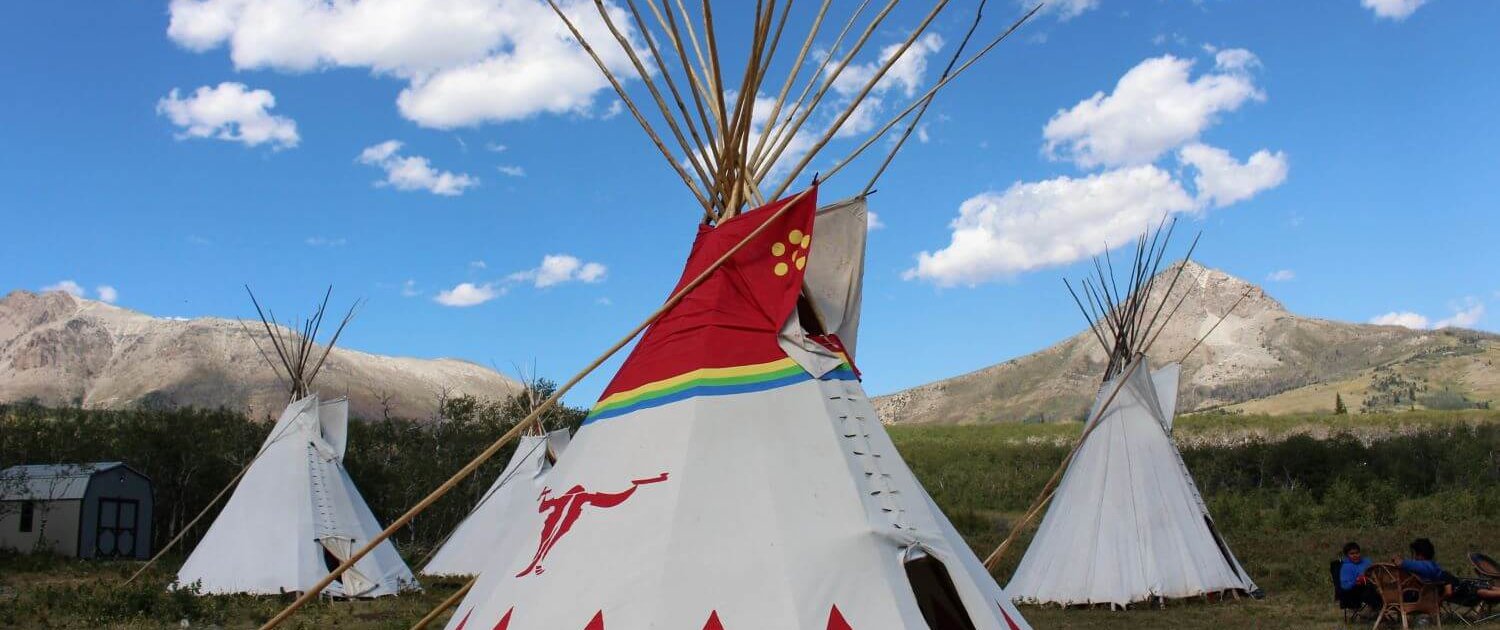
Volunteering on Indian reservations offers a unique and deeply rewarding experience. It’s a chance to connect with Indigenous communities, learn about their rich cultures, and contribute to their self-determined development. These opportunities range from education and healthcare to environmental conservation and cultural preservation. However, it’s crucial to approach these experiences with respect, humility, and a commitment to serving the community’s needs as defined by the community itself.
This comprehensive guide will explore the diverse volunteer opportunities available on Indian reservations, providing valuable insights into how you can make a positive impact while honoring Indigenous sovereignty and cultural values. We’ll delve into the types of programs offered, the ethical considerations involved, and how to find the right fit for your skills and interests. We’ll also address common questions and concerns, ensuring you’re well-prepared for a meaningful and respectful volunteer experience.
Understanding the Context: Why Volunteer on Indian Reservations?
Before exploring specific opportunities, it’s essential to understand the historical and social context of Indian reservations. Many reservations face significant challenges, including poverty, unemployment, limited access to healthcare and education, and the ongoing impacts of historical trauma. These challenges are often rooted in centuries of colonization, displacement, and broken treaties.
Volunteering can help address these disparities by providing much-needed support and resources to communities working to build a more sustainable and equitable future. It’s an opportunity to stand in solidarity with Indigenous peoples and contribute to their self-determination. However, it’s crucial to remember that volunteering should always be driven by the community’s needs and priorities, not by external agendas.
Types of Volunteer Opportunities Available
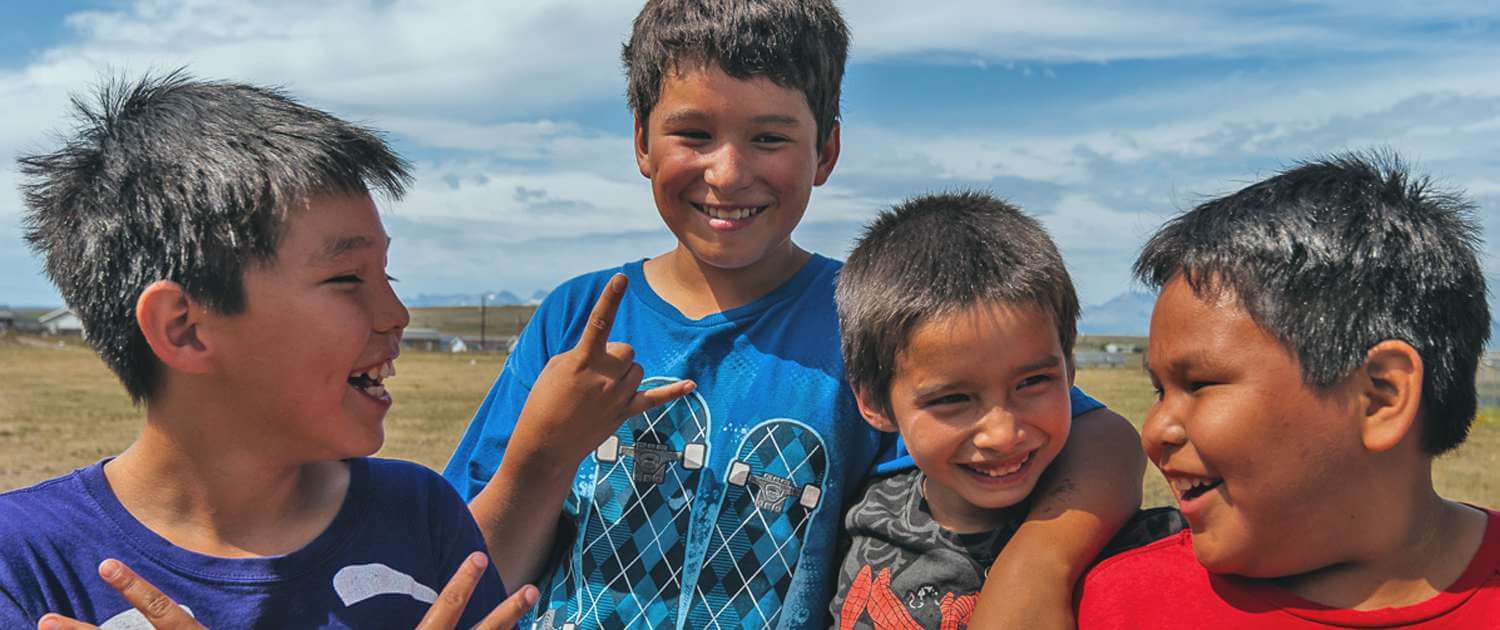
Education and Youth Programs: Many reservations need assistance with tutoring, mentoring, and after-school programs. Volunteers can help improve literacy rates, provide academic support, and empower young people to succeed.
Healthcare and Wellness: Access to healthcare can be limited on reservations. Volunteers with medical backgrounds, such as nurses, doctors, and EMTs, can provide essential services and support community health initiatives. Even non-medical volunteers can assist with health education and outreach programs.
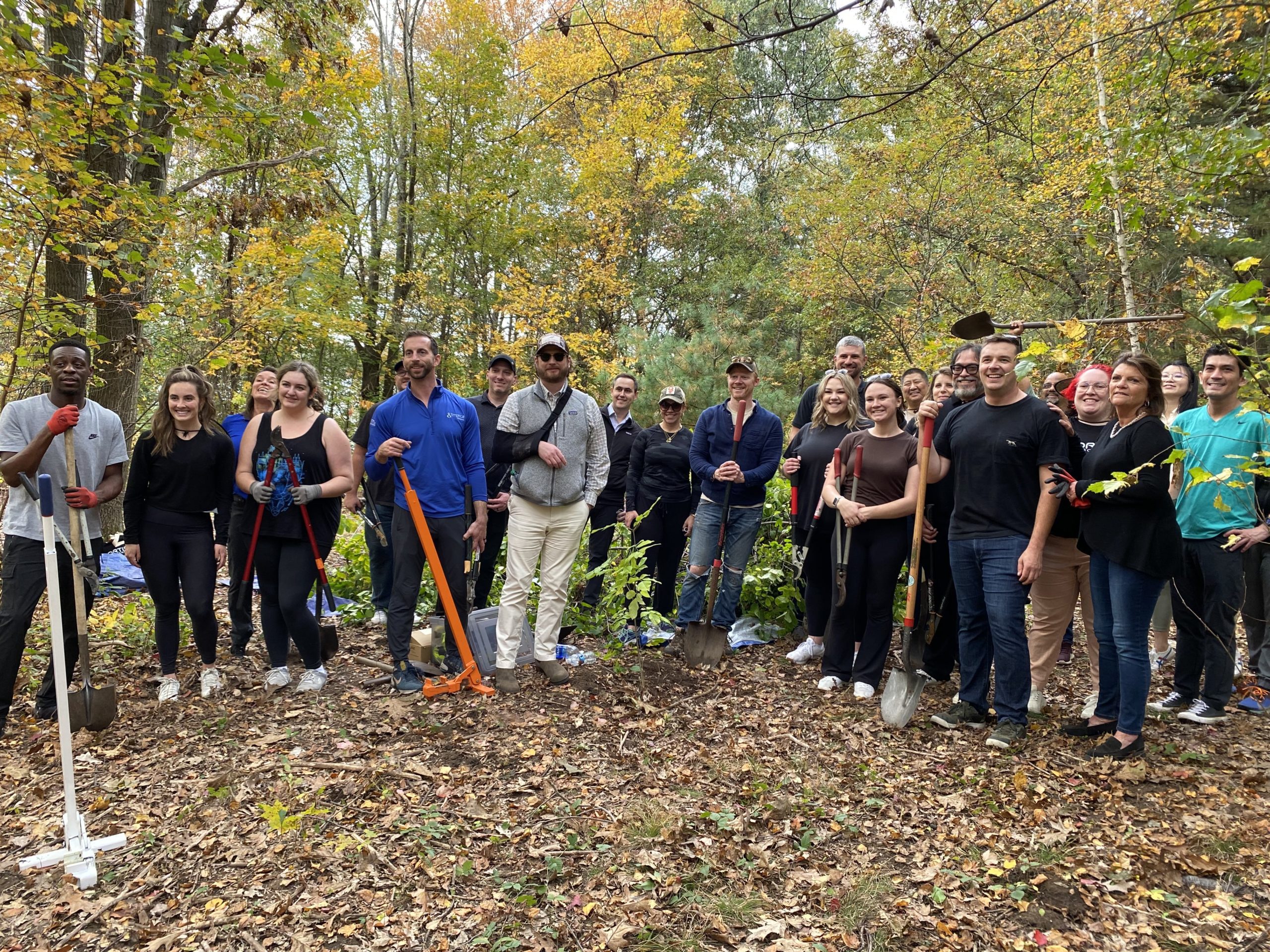
Environmental Conservation: Protecting natural resources is a priority for many Indigenous communities. Volunteers can participate in projects such as reforestation, habitat restoration, and water quality monitoring.
Cultural Preservation: Supporting cultural preservation efforts is crucial for maintaining Indigenous identity and traditions. Volunteers can assist with language revitalization programs, cultural arts workshops, and the documentation of oral histories.
Community Development: Volunteers can contribute to community development projects such as building homes, developing infrastructure, and supporting small businesses.
Legal Aid: Access to legal services can be a challenge on reservations. Lawyers and paralegals can provide pro bono legal assistance to individuals and families in need.
Sustainable Agriculture: Supporting local food systems is essential for food security and economic development. Volunteers can assist with community gardens, farming projects, and food distribution programs.
Finding the Right Volunteer Opportunity
Partnership With Native Americans (PWNA): PWNA works with tribal programs to provide resources and support to Native American communities. They offer a variety of volunteer opportunities across the country.
Volunteers for Economic Growth Alliance (VEGA): VEGA connects skilled volunteers with organizations working to promote economic growth and sustainable development in developing countries, including Native American communities.
Amizade: Amizade partners with communities around the world, including Native American tribes, to offer service-learning programs and volunteer opportunities.
Habitat for Humanity: While not exclusively focused on Native American communities, Habitat for Humanity often works on reservations to build affordable housing.
Direct Contact with Tribal Governments: Contacting tribal governments directly is another way to find volunteer opportunities. Many tribes have volunteer coordinators who can connect you with programs that align with your skills and interests.
Ethical Considerations for Volunteering on Indian Reservations
Respect Tribal Sovereignty: Recognize that tribal governments have the right to self-determination and control over their own affairs. Respect their laws, customs, and traditions.
Listen to the Community’s Needs: Prioritize the needs and priorities of the community over your own agenda. Ask questions, listen carefully, and be open to feedback.
Avoid Imposing Your Values: Refrain from imposing your own cultural values or beliefs on the community. Be respectful of different perspectives and ways of life.
Be Culturally Sensitive: Learn about the history, culture, and traditions of the tribe you’re working with. Be mindful of your language and behavior, and avoid making assumptions or stereotypes.
Obtain Informed Consent: Ensure that you have the informed consent of the community before undertaking any project or activity. Explain your intentions clearly and answer any questions they may have.
Build Relationships: Focus on building genuine relationships with community members based on trust and mutual respect. Take the time to get to know people and learn about their lives.
Be Sustainable: Strive to create sustainable solutions that will benefit the community long after you’ve left. Avoid creating dependencies or undermining local initiatives.
Address Common Questions (People Also Ask)
What skills are most needed for volunteering on Indian reservations? The most needed skills vary depending on the community’s needs, but common areas include education, healthcare, construction, agriculture, and cultural preservation. Specific skills such as teaching, nursing, carpentry, farming, and language instruction are often highly valued.
How long should I volunteer for? The ideal length of a volunteer commitment depends on the project and the community’s needs. Short-term projects may last a few days or weeks, while long-term commitments can last several months or years. Consider what you can realistically commit to and discuss the duration with the organization or tribal government.
What are the living arrangements like for volunteers? Living arrangements vary depending on the location and the organization. Some volunteers may be housed in dormitories or shared housing, while others may live with host families. Be prepared for basic living conditions and a potentially remote environment.
What are the costs associated with volunteering? The costs associated with volunteering can vary widely. Some organizations cover the costs of accommodation, food, and transportation, while others require volunteers to pay their own expenses. Be sure to inquire about the costs involved before committing to a volunteer opportunity.
How can I prepare for a volunteer experience on an Indian reservation? Prepare by researching the history, culture, and traditions of the tribe you’ll be working with. Learn some basic phrases in the local language, if possible. Pack appropriate clothing and gear for the climate and activities you’ll be participating in. Most importantly, come with an open mind and a willingness to learn.
Conclusion: Making a Meaningful Difference
Volunteering on Indian reservations is an opportunity to make a tangible difference in the lives of Indigenous people while enriching your own understanding of diverse cultures and perspectives. By approaching these experiences with respect, humility, and a commitment to serving the community’s needs, you can contribute to positive change and build lasting relationships. Remember to prioritize ethical considerations, listen to the community’s voice, and strive to create sustainable solutions that empower Indigenous communities to thrive.
Before embarking on this journey, take the time to research thoroughly, connect with reputable organizations, and reflect on your own motivations and expectations. With careful planning and a genuine desire to serve, you can create a volunteer experience that is both meaningful and impactful, contributing to a brighter future for Indigenous communities and fostering a deeper understanding of our shared humanity. Volunteering provides invaluable service and support to tribal communities while fostering cultural exchange and understanding.


