The Ute Mountain Ute Tribe Reservation, nestled in the breathtaking landscapes of the Four Corners region, represents a vibrant living testament to Indigenous resilience, rich cultural heritage, and deep historical roots. It is one of three federally recognized Ute tribes, the others being the Southern Ute Indian Tribe and the Ute Indian Tribe of the Uintah and Ouray Reservation. This comprehensive guide delves into the essence of the Ute Mountain Ute people, their ancestral lands, and their enduring legacy.
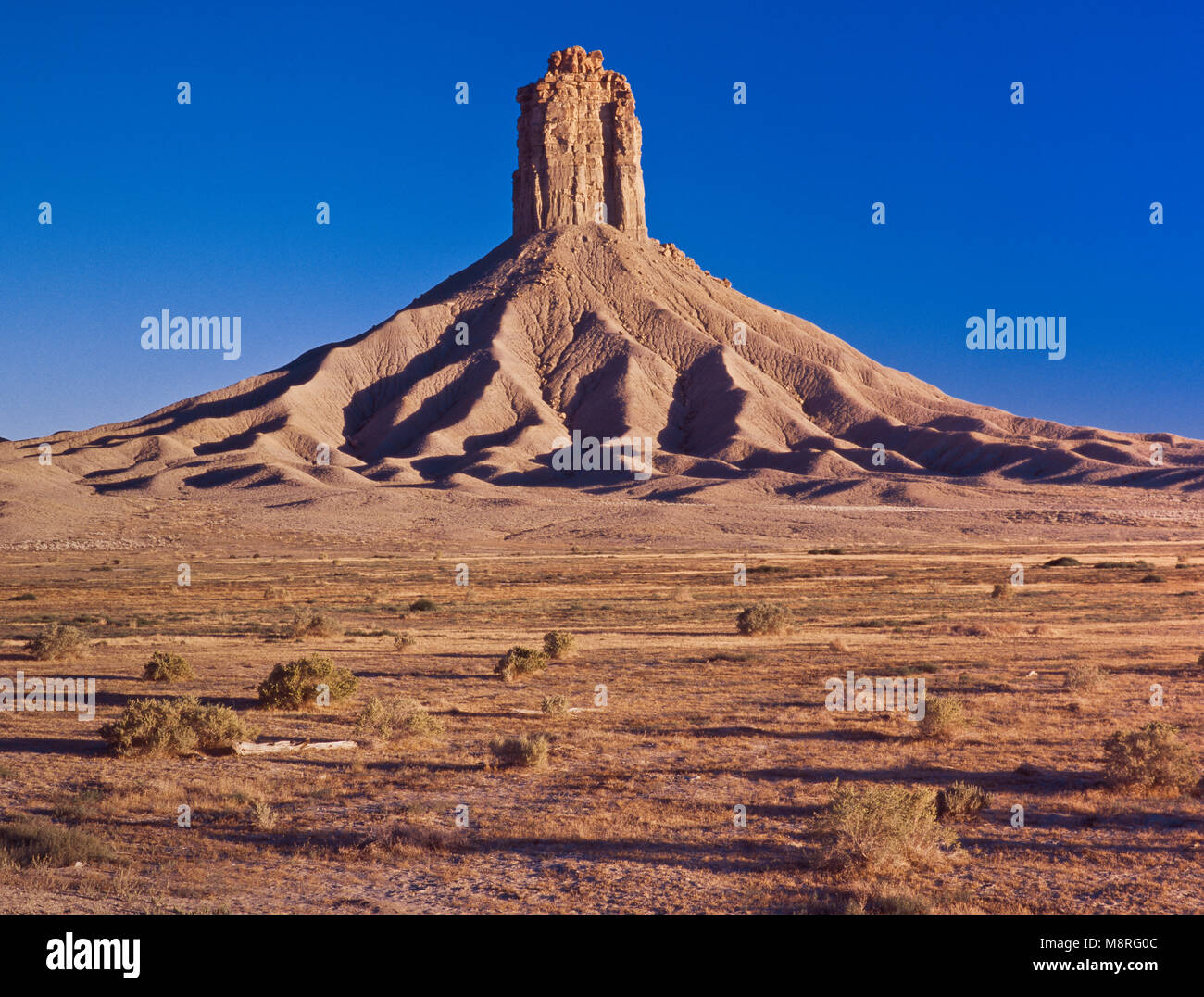
The reservation’s diverse topography ranges from high desert mesas and canyons to fertile river valleys, including significant portions of the Mancos River and the San Juan River drainage. This varied landscape has historically provided abundant resources for the Ute people, shaping their hunting, gathering, and cultural practices for millennia.
Echoes of the Past: The Deep History of the Ute Mountain Ute Tribe The Ute people, whose name translates to ‘Land of the Sun’ or ‘Highlanders,’ have inhabited the vast expanse of the Great Basin and Rocky Mountains for thousands of years. They are among the oldest continuous residents of Colorado, with archaeological evidence tracing their presence back over 10,000 years. Their traditional territories were immense, stretching across parts of Colorado, Utah, Wyoming, Arizona, and New Mexico.
Prior to European contact, the Ute were skilled hunters and gatherers, renowned for their horsemanship after the introduction of horses by the Spanish. They lived in small, mobile bands, adapting to the seasonal availability of resources. The Weeminuche band, the ancestors of the Ute Mountain Ute Tribe, primarily occupied the southwestern parts of Colorado and southeastern Utah, maintaining a distinct cultural identity within the broader Ute nation.
The arrival of Spanish, Mexican, and later American settlers brought profound changes and immense challenges. Treaties were signed, often broken, leading to a significant reduction of Ute lands. The Act of 1880, following the Meeker Incident, mandated the Ute’s removal from much of their ancestral Colorado territory, consolidating them onto reservations. The Weeminuche band, however, resisted complete removal and eventually settled on the land that forms the core of the present-day Ute Mountain Ute Reservation.
This period of forced relocation and adaptation tested the resilience of the Ute people, yet their cultural identity and commitment to their homelands remained unbroken. They navigated these tumultuous times with strength and determination, preserving their traditions and fighting for their rights.
A Tapestry of Tradition: Ute Mountain Ute Culture and Language The Ute Mountain Ute Tribe maintains a vibrant culture deeply rooted in respect for the land, family, and community. Their traditional beliefs emphasize a harmonious relationship with nature and the spiritual world. Ceremonies, dances, and oral histories continue to play a vital role in transmitting knowledge and values across generations.
What language do the Ute Mountain Ute speak? The Ute people traditionally speak the Ute language, which is part of the Numic branch of the Uto-Aztecan language family. While English is widely spoken today, the tribe is actively engaged in language revitalization programs to preserve and promote the Ute language among younger generations, recognizing its critical role in cultural identity.
Traditional arts and crafts, such as basket weaving, beadwork, pottery, and silversmithing, are still practiced and celebrated. These crafts often incorporate symbols and designs that reflect Ute cosmology and their connection to the natural world. Music and dance, including the Bear Dance and the Sun Dance, are integral to their spiritual and social life, fostering community cohesion and celebrating their heritage.
Governance and Self-Determination: A Modern Tribal Nation The Ute Mountain Ute Tribe operates as a sovereign nation with its own distinct governmental structure. The tribal government, headquartered in Towaoc, is led by a Tribal Council, which is responsible for making decisions that benefit the community, manage tribal resources, and uphold tribal sovereignty.
This self-governance allows the tribe to manage its own affairs, including law enforcement, education, healthcare, and infrastructure development. The principle of tribal sovereignty is paramount, enabling the Ute Mountain Ute to shape their own future and protect their cultural values in a rapidly changing world.
Economic Development and Sustainability: Building a Future The Ute Mountain Ute Tribe has made significant strides in economic development, balancing traditional values with modern opportunities. Their economic endeavors aim to create sustainable employment, generate revenue for tribal programs, and improve the quality of life for their members.
Key economic sectors include:
- Tourism: The Ute Mountain Tribal Park is a major attraction, offering guided tours of Ancestral Puebloan ruins.
- Gaming: The Ute Mountain Casino Hotel, located in Towaoc, is a significant employer and revenue generator for the tribe.
- Agriculture and Ranching: The tribe manages extensive agricultural lands and ranching operations.
- Energy Resources: The reservation holds various natural resources, including oil and natural gas, which contribute to the tribal economy.
- Tribal Enterprises: Various other businesses and services are operated by the tribal government to serve the community and foster economic growth.
These initiatives not only provide economic stability but also allow the tribe to invest in critical services like education, healthcare, and cultural preservation programs, ensuring a brighter future for generations to come.
The Jewel of the Reservation: Ute Mountain Tribal Park Can you visit the Ute Mountain Ute Reservation? What is the Ute Mountain Ute Tribal Park? Yes, visitors are welcome to experience a significant portion of the Ute Mountain Ute Reservation through the Ute Mountain Tribal Park. This park is an extraordinary archaeological and cultural site, often hailed as a more authentic and less commercialized alternative to neighboring Mesa Verde National Park.

The Ute Mountain Tribal Park encompasses over 125,000 acres of spectacular canyons, mesas, and river valleys, preserving thousands of Ancestral Puebloan (Anasazi) archaeological sites. Unlike many national parks, the Ute Mountain Tribal Park requires all visitors to be accompanied by a Ute tour guide. This unique approach provides an invaluable opportunity to learn about the sites from a Ute perspective, gaining insights into both the ancient inhabitants and the contemporary Ute culture.
Tours typically last six to eight hours and involve significant hiking and climbing, offering an immersive experience into cliff dwellings, surface sites, and petroglyphs. The guides, who are tribal members, share not only historical facts but also Ute stories, traditions, and the deep spiritual connection their people have to these lands and their ancient predecessors. This direct engagement with Ute culture is a highlight for many visitors.
Community and Services: Nurturing the People The Ute Mountain Ute Tribe is committed to providing comprehensive services for its members. This includes:
- Education: Operating tribal schools and supporting higher education initiatives to empower younger generations.
- Healthcare: Providing clinics and health services to ensure the well-being of the community.
- Housing and Infrastructure: Developing modern housing and essential infrastructure like roads and utilities.
- Social Services: Offering programs to support families, elders, and youth, fostering a strong, cohesive community.
These services are vital for maintaining the health, education, and cultural continuity of the Ute Mountain Ute people, reflecting their commitment to self-sufficiency and communal well-being.
Challenges and Triumphs: The Path Forward Like many Indigenous nations, the Ute Mountain Ute Tribe faces contemporary challenges, including issues related to economic diversification, resource management, and the ongoing impacts of historical injustices. However, the tribe continues to demonstrate remarkable resilience and determination.
Their triumphs are numerous: the successful operation of their tribal park and casino, robust cultural preservation programs, proactive environmental stewardship, and their unwavering commitment to self-determination. The Ute Mountain Ute Tribe stands as a powerful example of a sovereign nation actively shaping its own destiny while honoring its profound heritage.
Planning Your Visit: Respect and Engagement If you plan to visit the Ute Mountain Tribal Park or other areas of the reservation, remember that you are entering a sovereign nation. Respect for the land, the people, and their customs is paramount. Always follow guide instructions, stay on designated paths, and ask permission before taking photographs of individuals or specific ceremonial sites. This respectful approach ensures a meaningful experience for both visitors and the Ute community.
Engaging with the Ute Mountain Ute Tribe offers a unique opportunity to learn about a rich and enduring culture, to witness the breathtaking beauty of their ancestral lands, and to appreciate the strength and spirit of a people who have thrived against all odds.
Conclusion: An Enduring Legacy The Ute Mountain Ute Tribe Reservation is far more than just a geographical location; it is a vibrant cultural landscape, a testament to enduring strength, and a beacon of self-determination. From their ancient origins as the ‘Highlanders’ to their modern endeavors in economic development and cultural preservation, the Ute Mountain Ute people continue to tell their story—a story of resilience, deep connection to the land, and an unwavering commitment to their identity.
Understanding and appreciating the Ute Mountain Ute Tribe provides invaluable insight into the rich tapestry of Indigenous America, highlighting the importance of sovereignty, cultural continuity, and the profound wisdom embedded in their traditions. Their journey, marked by both challenges and triumphs, continues to inspire, reminding us of the power of heritage and the promise of a self-determined future.
The Ute Mountain Ute Tribe invites the world to learn from their past, engage with their present, and support their future, ensuring that their unique voice and invaluable contributions continue to enrich the global community.
By exploring the Ute Mountain Ute Reservation, visitors and learners alike gain a deeper understanding of Indigenous history, the significance of cultural preservation, and the ongoing journey of tribal nations in the modern era. It is an experience that resonates long after the visit, fostering respect and appreciation for one of America’s most remarkable native cultures.
The beauty of the reservation’s landscape, from the dramatic canyons to the expansive mesas, serves as a constant reminder of the spiritual and physical connection the Ute people have maintained with their environment for thousands of years. This deep bond is palpable in every aspect of their culture and stewardship.
Their commitment to educating the public through initiatives like the Ute Mountain Tribal Park underscores their generosity in sharing their heritage while maintaining control over the narrative and interpretation of their sacred sites. This balance is crucial for respectful cultural tourism.
The ongoing efforts in language revitalization are particularly commendable, as language is often considered the soul of a culture. By teaching the Ute language to new generations, the tribe ensures that the ancient stories, songs, and wisdom continue to be understood and cherished.
Furthermore, the tribe’s economic ventures, such as the Ute Mountain Casino Hotel, are not merely commercial enterprises but vital tools for self-sufficiency and the funding of essential social programs that benefit the entire community. This strategic approach to development empowers the tribe to address its own needs.
The Ute Mountain Ute Tribe’s story is a powerful narrative of survival, adaptation, and thriving in the face of immense historical pressures. It highlights the importance of recognizing and honoring the sovereignty of Indigenous peoples and their invaluable contributions to the cultural mosaic of North America.
Their presence in the Four Corners region is a living historical landmark, a place where ancient cliff dwellings gaze upon modern tribal communities, and where the past and present seamlessly intertwine, offering profound lessons in human endurance and cultural integrity.
In conclusion, the Ute Mountain Ute Tribe Reservation stands as a vibrant, self-governing nation, rich in history, culture, and a forward-looking vision. It is a place where visitors can connect with a profound heritage, learn from resilient people, and witness the ongoing strength of Indigenous identity in the United States.


