Beyond the Binary: Reclaiming the Sacred History of Two-Spirit People
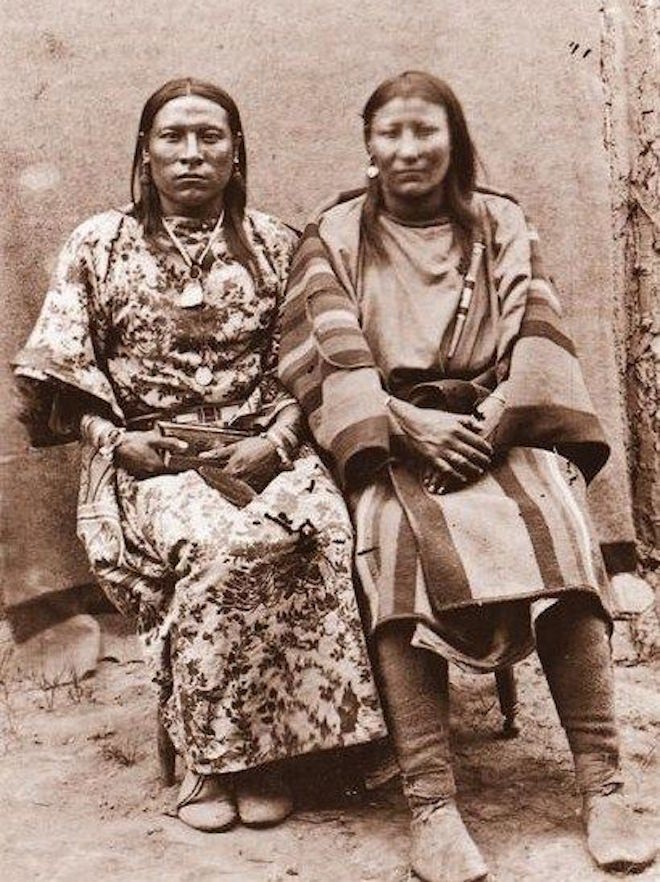
In the vibrant tapestry of Indigenous North American cultures, where spirituality permeated every aspect of life, there existed a profound understanding of gender and identity that transc transcended the rigid binaries imposed by Western thought. For centuries before European contact, many Native American societies recognized and revered individuals who embodied both masculine and feminine spirits, bestowing upon them unique spiritual, social, and ceremonial roles. These are the people now known as Two-Spirit.
The term "Two-Spirit" (niizh manidook in Anishinaabemowin, meaning "two spirits") is a modern, pan-Indigenous umbrella term that emerged from a 1990 international gathering of Indigenous gay and lesbian people in Winnipeg, Manitoba. It was consciously chosen to replace the derogatory French colonial term "berdache" and to signify a return to traditional understandings of gender, sexuality, and spirituality. This term reflects a sacred connection to both male and female energies, residing within a single individual, and is deeply rooted in ancestral knowledge, not merely a translation of Western LGBTQ+ identities. While it often encompasses individuals who would identify as LGBTQ+ in a contemporary Western context, its scope is broader, emphasizing a spiritual calling and a culturally specific identity.
A Pre-Colonial Tapestry of Acceptance
Before the arrival of European colonizers, the diversity of gender and sexual expression was not only tolerated but often revered within many Native American nations. Historians and anthropologists have documented over 130 North American tribes that recognized and revered individuals who would now be identified as Two-Spirit. These individuals were seen as blessed, holding a unique spiritual power derived from their ability to understand and bridge multiple perspectives – male and female, human and spirit.
Their roles within their communities were varied, vital, and highly respected. They were often:
- Healers and Shamans: Their unique spiritual connection was believed to give them enhanced healing abilities and access to the spirit world. They performed sacred ceremonies, offered spiritual guidance, and interpreted dreams.
- Storytellers and Artists: Two-Spirit individuals often served as keepers of oral traditions, passing down ancestral knowledge, myths, and histories. Their artistic talents were channeled into crafting intricate regalia, pottery, and other sacred objects.
- Child-Rearers and Educators: They frequently took on the role of raising orphaned children or assisting families, providing a loving and stable environment. Their wisdom was highly valued in teaching younger generations.
- Diplomats and Mediators: Their ability to see issues from multiple viewpoints made them excellent negotiators, helping to resolve disputes within and between tribes.
- Warriors and Hunters: In some tribes, Two-Spirit individuals, particularly those assigned male at birth but living as women, were renowned warriors or skilled hunters, challenging Western notions of gender-specific labor.
- Matchmakers: Their profound understanding of human nature and relationships made them ideal matchmakers, helping individuals find suitable partners.
For instance, among the Zuni people, the Lhamana were male-bodied individuals who adopted female roles, dress, and work, often excelling in weaving and pottery. They were highly respected and integrated into Zuni society, embodying a third gender that was neither male nor female but entirely distinct and valued. Similarly, the Lakota recognized winkte, male-bodied individuals who lived as women, known for their spiritual insight and often serving as healers and ceremonial leaders. The Navajo had the nádleehé, individuals who "continuously transform," embodying a fluidity of gender that was central to their worldview. These roles were not merely tolerated; they were celebrated as essential to the balance and well-being of the community.
The Cataclysm of Colonization and Erasure
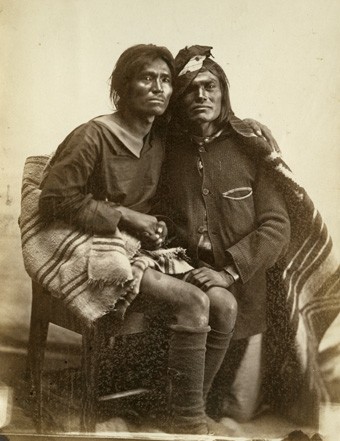
The arrival of European colonizers in the Americas brought with it a rigid, binary understanding of gender and sexuality, deeply rooted in Christian doctrine and patriarchal societal structures. This clash of worldviews proved catastrophic for Two-Spirit people and the societies that embraced them.
European missionaries, explorers, and settlers viewed the existence of Two-Spirit individuals with horror and disgust, deeming their practices "unnatural," "savage," and "sinful." They actively sought to suppress and eradicate these traditions, seeing them as direct threats to their own moral and religious frameworks.
The imposition of colonial laws, educational systems (most notably the residential school system), and religious conversion campaigns systematically dismantled Indigenous social structures. Children were forcibly removed from their families and communities, stripped of their languages, cultures, and spiritual beliefs. In these schools, gender non-conformity was met with severe punishment, physical abuse, and psychological torment. Two-Spirit individuals were targeted, shamed, and forced to conform to Western gender roles, leading to the near-total suppression of these identities and the loss of invaluable cultural knowledge.
As Dr. Wesley Thomas, a Navajo scholar, notes, "The imposition of binary gender roles was a violent act of cultural erasure, not just of individuals, but of an entire framework of understanding the world." The intergenerational trauma resulting from this cultural genocide continues to impact Indigenous communities today, contributing to higher rates of mental health issues, substance abuse, and homelessness among Two-Spirit people. The fear of persecution forced many to hide their true identities, leading to decades of silence and the near-disappearance of these sacred roles from public life.
The Spark of Reawakening: Reclaiming Identity
Despite centuries of suppression, the spirit of Two-Spirit people endured. The latter half of the 20th century saw a powerful resurgence of Indigenous cultural revitalization movements, coinciding with the broader LGBTQ+ rights movement. Indigenous individuals who identified as gay, lesbian, bisexual, or transgender began to look to their ancestral traditions for a more authentic and culturally relevant understanding of their identities.
This yearning for connection to heritage culminated in the aforementioned 1990 Indigenous lesbian and gay international conference in Winnipeg, Manitoba. It was here that the term "Two-Spirit" was formally adopted, serving as a unifying and empowering identity marker. This term allowed individuals to reclaim a space that was simultaneously Indigenous and gender/sexually diverse, acknowledging that their identity was not merely a copy of Western LGBTQ+ categories but a distinct, culturally specific heritage.
The adoption of "Two-Spirit" was a revolutionary act of self-determination. It provided a framework for understanding gender and sexuality that was rooted in pre-colonial wisdom, allowing individuals to connect with a lineage of respected ancestors rather than a history of shame and persecution.
Modern Two-Spirit Lives: Challenges and Resilience
Today, Two-Spirit people are at the forefront of a powerful movement of cultural reclamation and healing. They are actively working to revitalize traditional teachings, create safe spaces within their communities, and educate both Indigenous and non-Indigenous people about their history and contemporary realities.
However, the path is not without its challenges. The legacy of colonization persists, manifesting as:
- Internalized Homophobia/Transphobia: Decades of colonial suppression have unfortunately led to some internalized prejudice within certain Indigenous communities, making it difficult for some Two-Spirit individuals to find full acceptance even among their own people.
- Lack of Resources: Many Two-Spirit individuals face disproportionately high rates of poverty, homelessness, violence, and discrimination, often compounded by a lack of culturally competent mental health and social services.
- Cultural Disconnect: For some, the long break in traditional teachings means that the exact roles and ceremonies associated with Two-Spirit identities have been lost. Reclaiming this knowledge often involves extensive research, intergenerational learning, and creative adaptation.
- Misunderstanding from Western LGBTQ+ Communities: While there is often solidarity, Two-Spirit identities are distinct from Western LGBTQ+ identities. The spiritual and cultural dimensions of being Two-Spirit are often not fully grasped by non-Indigenous LGBTQ+ individuals, leading to a feeling of being misunderstood or tokenized.
Despite these obstacles, Two-Spirit individuals demonstrate incredible resilience and strength. They are leaders in advocating for Indigenous rights, environmental justice, and LGBTQ+ equality. They are revitalizing ceremonies, creating art, sharing stories, and fostering intergenerational connections. Organizations like the Bay Area American Indian Two-Spirits (BAAITS) and numerous regional groups are building community, providing support, and driving education initiatives.
A Future Rooted in the Past
The journey of Two-Spirit people is a testament to the enduring power of Indigenous cultures and the human spirit’s capacity for resilience. By reclaiming their sacred history, Two-Spirit individuals are not just asserting their own identities; they are helping to heal their communities from the wounds of colonization and to restore a holistic understanding of humanity’s diverse expressions.
Their existence challenges the narrow confines of Western gender norms, reminding us that true strength and wisdom often lie in embracing complexity and fluidity. As we move forward, understanding and honoring the history and contemporary realities of Two-Spirit people is not merely an act of cultural sensitivity; it is an essential step towards a more just, inclusive, and spiritually enriched world for all. Their voices, once silenced, are now rising, carrying with them the ancient wisdom of balance, harmony, and profound respect for every spirit.


