
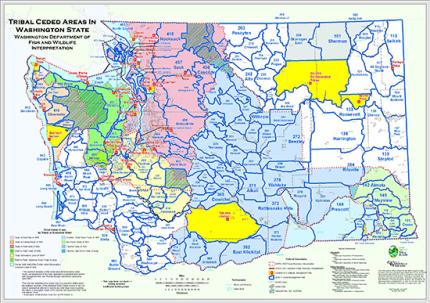
Washington State is a land rich in natural beauty, diverse landscapes, and an even richer human history. Integral to this history and the contemporary fabric of the state are its many Indigenous peoples and their ancestral lands. Understanding Tribal Lands in Washington State is not merely about geography; it’s about appreciating sovereignty, cultural heritage, and the enduring resilience of Native American communities.
This comprehensive guide aims to provide an informative and respectful overview of the Tribal Nations within Washington, covering their historical significance, sovereign rights, economic contributions, and cultural vitality. We will explore what it means to be a federally recognized tribe, the unique status of reservations, and how visitors can engage respectfully with these vibrant communities.
A Rich Tapestry: The Indigenous Peoples of Washington State
Long before European settlers arrived, the lands now known as Washington State were home to a diverse array of Indigenous peoples. These communities, often referred to as Native American tribes or First Nations, lived in harmony with the land, developing complex societies, unique languages, and sophisticated cultural practices tailored to their specific environments, from the coastal fishing cultures to the plateau hunters and gatherers.
The arrival of European explorers and settlers brought profound changes, leading to devastating impacts through disease, forced relocation, and the loss of traditional territories. Despite these immense challenges, the Indigenous spirit endured, and many tribes fought tirelessly to preserve their cultures, languages, and rights.
The mid-19th century saw the signing of numerous treaties between tribal nations and the U.S. government. These treaties, often misunderstood or violated, are foundational documents that established the sovereign status of tribes and reserved certain rights, including fishing, hunting, and gathering, on their ancestral lands. These rights are still legally binding and fiercely protected today.

Sovereignty and Self-Governance: The Foundation of Tribal Nations
Perhaps the most critical concept to grasp when discussing Tribal Lands is that of tribal sovereignty. Tribal nations are not merely ethnic groups; they are distinct, self-governing political entities with inherent authority over their members and territories. This sovereignty predates the formation of the United States and has been affirmed by treaties, acts of Congress, and Supreme Court decisions.
Federal recognition grants tribes a government-to-government relationship with the United States. This status acknowledges their inherent sovereignty and provides access to certain federal programs and protections. In Washington State, there are 29 federally recognized tribes, each with its own distinct government, laws, and cultural practices.
It’s important to differentiate between a ‘reservation’ and ‘tribal trust lands.’ A reservation is land reserved by treaty, statute, or executive order for an Indian tribe and is under federal protection. Tribal trust lands are parcels of land held in trust by the U.S. government for the benefit of a tribe or individual tribal members. Both are subject to tribal jurisdiction, not state jurisdiction, for many matters.
The Many Nations: How Many Tribes Are in Washington State?
- The Colville Confederated Tribes
- The Confederated Tribes of the Chehalis Reservation
- The Confederated Tribes and Bands of the Yakama Nation
- The Cowlitz Indian Tribe
- The Jamestown S’Klallam Tribe
- The Kalispel Tribe of Indians
- The Lower Elwha Klallam Tribe
- The Lummi Nation
- The Makah Tribe
- The Muckleshoot Indian Tribe
- The Nisqually Indian Tribe
- The Nooksack Indian Tribe
- The Port Gamble S’Klallam Tribe
- The Puyallup Tribe of Indians
- The Quileute Tribe
- The Quinault Indian Nation
- The Samish Indian Nation
- The Sauk-Suiattle Indian Tribe
- The Shoalwater Bay Indian Tribe
- The Skokomish Indian Tribe
- The Snoqualmie Tribe
- The Spokane Tribe of Indians
- The Squaxin Island Tribe
- The Stillaguamish Tribe of Indians
- The Suquamish Tribe
- The Swinomish Indian Tribal Community
- The Tulalip Tribes of Washington
- The Upper Skagit Indian Tribe
- The Wanapum Band (not federally recognized, but culturally significant)
Each of these nations possesses its own unique history, language, traditions, and governance, making Washington a truly diverse and vibrant place.
Navigating Tribal Lands: What Visitors Need to Know
Can non-Natives visit tribal lands? Absolutely, and many tribes welcome visitors to experience their culture, natural beauty, and economic enterprises. However, it is paramount to approach these visits with respect, awareness, and a clear understanding that you are entering a sovereign nation with its own laws and customs.
When on tribal lands, always remember that tribal law applies. This means that rules regarding alcohol, gambling, fishing, hunting, and even traffic violations may differ from state laws. It’s advisable to research specific tribal regulations before visiting. For instance, permits are often required for fishing or hunting on tribal lands, and these must be obtained directly from the tribe.
Respecting cultural sites, sacred places, and natural resources is critical. Always ask for permission before taking photographs of people or ceremonies, and never disturb artifacts or natural features. Treat the land, its people, and their traditions with the utmost reverence.
Economic Impact and Development
Tribal Nations are significant economic drivers in Washington State. While gaming enterprises often receive the most public attention, their economic contributions extend far beyond casinos. Many tribes operate successful businesses in diverse sectors, including resorts, hotels, retail, construction, forestry, fisheries, and technology.
Gaming, regulated through tribal-state compacts, generates substantial revenue that is reinvested into tribal communities. These funds support essential services such as healthcare, education, housing, elder care, and infrastructure development, benefiting both tribal members and surrounding non-Native communities through job creation and local purchases.
Beyond direct economic activities, tribes are major employers. They provide thousands of jobs, often offering competitive wages and benefits. This economic self-sufficiency is a cornerstone of tribal sovereignty and empowers nations to address the needs of their people and contribute to the broader regional economy.
Cultural Preservation and Revitalization
A central focus for many Tribal Nations is the preservation and revitalization of their rich cultural heritage. After generations of suppression, tribes are actively engaged in reclaiming and strengthening their languages, traditional arts, ceremonies, and storytelling.
Initiatives include language immersion programs for children, cultural centers and museums showcasing ancestral artifacts and contemporary art, traditional canoe journeys, powwows, and ceremonies that reinforce spiritual connections to the land and community. These efforts ensure that vital aspects of Indigenous identity are passed down to future generations.
For instance, the Makah Tribe continues its whaling tradition, a practice deeply intertwined with their cultural and spiritual identity, conducted under strict international regulations. The Tulalip Tribes are renowned for their Lushootseed language programs, working diligently to bring their ancestral language back into daily use.
Environmental Stewardship: Guardians of the Land and Water
Indigenous peoples have a profound and enduring connection to the natural world, rooted in generations of traditional ecological knowledge. Many Tribal Nations in Washington State are at the forefront of environmental protection and restoration efforts, acting as diligent stewards of the land, water, and wildlife.
Their work includes vital salmon recovery projects, forest management practices that prioritize ecological health, water quality monitoring, and habitat restoration. Tribes often collaborate with state and federal agencies, bringing invaluable traditional knowledge and a long-term perspective to conservation challenges.
The inherent treaty rights to hunt, fish, and gather also underscore their commitment to maintaining healthy ecosystems. Protecting these resources is not just about sustenance; it’s about preserving a way of life and a spiritual connection to the earth.
Challenges and Triumphs: Modern Tribal Life
Despite significant progress, Tribal Nations continue to face challenges rooted in historical injustices, including poverty, health disparities, and inadequate infrastructure. However, they also demonstrate remarkable resilience and determination in overcoming these obstacles.
Tribes are actively engaged in advocating for their treaty rights, improving healthcare access, enhancing educational opportunities, and building robust community services. They are also leading efforts in renewable energy, sustainable resource management, and fostering economic diversification to ensure a prosperous future for their people.
Intergovernmental relations between Tribal Nations, Washington State, and the federal government are crucial. These relationships, based on mutual respect and consultation, are essential for addressing shared challenges and fostering collaborative solutions in areas like environmental protection, public safety, and economic development.
Conclusion: Respect, Understanding, and a Shared Future
The Tribal Lands in Washington State represent more than just geographical areas; they embody the enduring spirit, rich heritage, and sovereign governance of diverse Indigenous peoples. From their profound historical roots to their dynamic contributions in the present day, Tribal Nations are indispensable to the social, cultural, and economic fabric of Washington.
As residents and visitors, it is our collective responsibility to engage with these sovereign nations with respect, an open mind, and a willingness to learn. By understanding their history, appreciating their sovereignty, and recognizing their invaluable contributions, we can foster stronger relationships and build a more inclusive and equitable future for all who call this beautiful state home.
Support tribal businesses, visit cultural centers, and educate yourself about the specific nations whose ancestral lands you inhabit or visit. This journey of understanding enriches us all.


