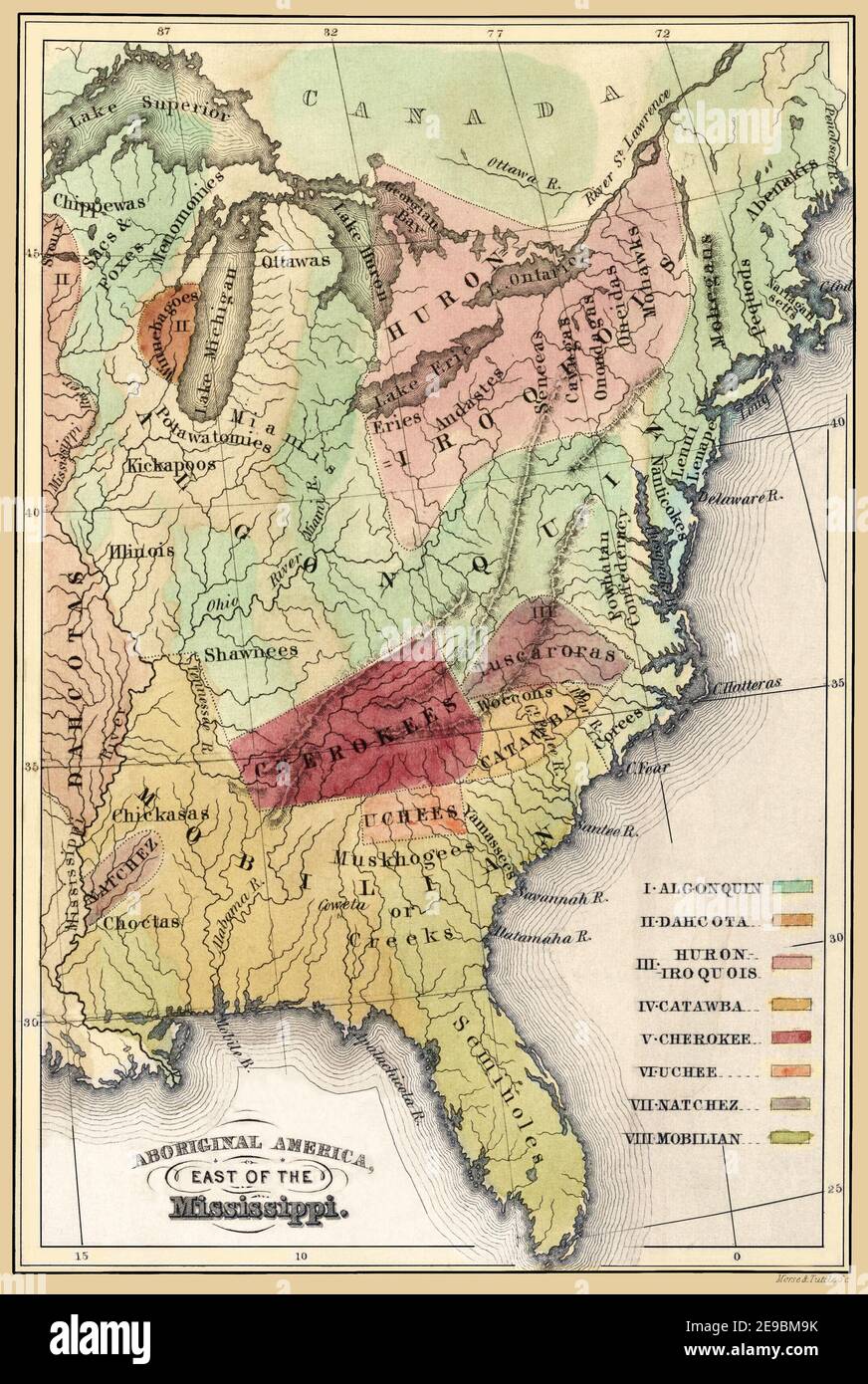
Mississippi, a state steeped in history, is not only known for its blues music and Southern charm but also for its significant Native American heritage. Understanding the tribal lands within Mississippi offers a crucial perspective on the state’s diverse cultural landscape. This article provides a comprehensive exploration of tribal lands in Mississippi, covering their history, current status, and cultural importance.
A Historical Overview of Native American Tribes in Mississippi
Early Inhabitants and Tribal Nations
Before European colonization, Mississippi was home to several thriving Native American tribes. The most prominent among these were the Choctaw, Chickasaw, and Natchez. These tribes had well-established societies with complex social structures, agricultural practices, and trade networks. They were deeply connected to the land, and their lives were intricately woven with the natural environment.
The Choctaw, known for their agricultural skills, cultivated corn, beans, and squash. They also had a sophisticated system of governance and diplomacy. The Chickasaw, skilled warriors and hunters, controlled a vast territory in northern Mississippi and were known for their fierce independence. The Natchez, with their unique hierarchical society centered around the Great Sun, were renowned for their mound-building culture.
The Impact of European Colonization

The arrival of European colonizers dramatically altered the lives of Native American tribes in Mississippi. European powers, including the French, Spanish, and English, vied for control of the region, leading to conflicts and shifting alliances. Trade with Europeans introduced new goods but also diseases to which Native Americans had no immunity, resulting in devastating population losses.
As European settlements expanded, pressure on Native American lands intensified. Treaties were often negotiated under duress, leading to the gradual erosion of tribal territories. The Indian Removal Act of 1830, signed into law by President Andrew Jackson, marked a turning point, paving the way for the forced removal of Native American tribes from their ancestral lands in the southeastern United States.
The Trail of Tears and its Legacy
The Indian Removal Act led to the infamous Trail of Tears, a series of forced migrations that resulted in immense suffering and loss of life. The Choctaw, Chickasaw, and other tribes were forcibly removed from their lands in Mississippi and relocated to Indian Territory (present-day Oklahoma). The journey was arduous, and many died from disease, starvation, and exposure.
Despite the hardships they faced, the Choctaw and Chickasaw people maintained their cultural identity and rebuilt their communities in Indian Territory. However, the legacy of the Trail of Tears continues to resonate today, serving as a reminder of the injustices inflicted upon Native American tribes.
Contemporary Tribal Lands in Mississippi
The Mississippi Band of Choctaw Indians
Today, the Mississippi Band of Choctaw Indians is the only federally recognized Native American tribe in the state. They are descendants of the Choctaw who managed to remain in Mississippi despite the forced removal efforts. The Mississippi Choctaw persevered through difficult times, maintaining their language, traditions, and community bonds.
The Mississippi Band of Choctaw Indians has a reservation spanning over 35,000 acres in ten different counties in east-central Mississippi. The tribal government is headquartered in Philadelphia, Mississippi, and oversees various programs and services for its members, including healthcare, education, housing, and economic development.

Economic Development and Self-Governance
The Mississippi Band of Choctaw Indians has made significant strides in economic development, becoming a major employer in the region. Their business ventures include the Pearl River Resort, a popular casino and resort destination, as well as manufacturing facilities, retail stores, and other enterprises. These economic activities provide employment opportunities for tribal members and contribute to the overall economic well-being of the community.
The tribe operates under a constitution and has its own judicial system, law enforcement, and other governmental functions. This self-governance allows the Mississippi Choctaw to make decisions that are in the best interests of their community and to preserve their cultural heritage.
Cultural Preservation and Education
The Mississippi Band of Choctaw Indians places a strong emphasis on cultural preservation and education. They operate a tribal school system that teaches Choctaw language, history, and traditions. Cultural events, such as powwows and stickball games, are held throughout the year to celebrate Choctaw heritage and foster a sense of community.
The tribe also supports various cultural initiatives, including language revitalization programs, museums, and cultural centers. These efforts aim to ensure that Choctaw culture continues to thrive for future generations. The Chahta Immi Cultural Center is a key institution dedicated to preserving and promoting Choctaw history and culture.
Understanding Tribal Sovereignty
Defining Tribal Sovereignty
Tribal sovereignty is a fundamental concept in understanding the relationship between Native American tribes and the United States government. It refers to the inherent authority of tribes to govern themselves and their lands. This sovereignty is recognized in treaties, laws, and court decisions.
Tribal sovereignty is not absolute and is subject to certain limitations imposed by the federal government. However, it grants tribes the right to make their own laws, establish their own courts, and manage their own resources. This self-determination is essential for tribes to maintain their cultural identity and promote their economic development.
The Importance of Federal Recognition
Federal recognition is the process by which the United States government acknowledges a Native American tribe as a sovereign entity. Federally recognized tribes are eligible for certain benefits and services, including funding for healthcare, education, and housing. They also have the right to engage in government-to-government relations with the United States.
The Mississippi Band of Choctaw Indians is a federally recognized tribe, which means that they have a unique legal and political relationship with the United States government. This recognition is crucial for the tribe’s ability to exercise its sovereignty and to protect its rights and interests.
Common Questions About Tribal Lands in Mississippi (People Also Ask)
What is the history of Native American tribes in Mississippi?
The history of Native American tribes in Mississippi is rich and complex, dating back thousands of years. Before European colonization, the region was home to several thriving tribes, including the Choctaw, Chickasaw, and Natchez. These tribes had well-established societies with unique cultures and traditions. European colonization brought significant changes, including disease, conflict, and the eventual forced removal of many tribes from their ancestral lands.
Where are the tribal lands located in Mississippi?
The Mississippi Band of Choctaw Indians has a reservation spanning over 35,000 acres in ten different counties in east-central Mississippi. These counties include Neshoba, Kemper, Leake, Newton, Scott, Jones, Attala, Winston, Lauderdale, and Oktibbeha. The tribal government is headquartered in Philadelphia, Mississippi.
How do tribal lands contribute to the Mississippi economy?
Tribal lands contribute significantly to the Mississippi economy through various business ventures, including casinos, manufacturing facilities, and retail stores. The Pearl River Resort, owned and operated by the Mississippi Band of Choctaw Indians, is a major tourist destination and employer in the region. These economic activities provide jobs for tribal members and generate revenue for the state.
What is the cultural significance of tribal lands in Mississippi?
Tribal lands in Mississippi hold immense cultural significance for Native American tribes. They are the ancestral homelands of the Choctaw people and are deeply connected to their history, traditions, and identity. The Mississippi Band of Choctaw Indians actively preserves and promotes their culture through language revitalization programs, cultural events, and museums.
How can I learn more about Native American tribes in Mississippi?
There are many ways to learn more about Native American tribes in Mississippi. You can visit the Chahta Immi Cultural Center in Philadelphia, Mississippi, to learn about Choctaw history and culture. You can also attend cultural events, such as powwows and stickball games, to experience Choctaw traditions firsthand. Additionally, you can consult books, articles, and websites dedicated to Native American history and culture.
Conclusion: The Enduring Legacy of Tribal Lands
The tribal lands in Mississippi represent a vital part of the state’s history and cultural landscape. The Mississippi Band of Choctaw Indians has demonstrated remarkable resilience in preserving their heritage and building a strong community. By understanding the history, culture, and contemporary significance of tribal lands, we can gain a deeper appreciation for the diversity and richness of Mississippi’s heritage. It is crucial to respect tribal sovereignty and support the efforts of Native American tribes to maintain their cultural identity and promote their economic development. The story of tribal lands in Mississippi is a testament to the enduring legacy of Native American tribes and their ongoing contributions to the state.
Understanding the complexities surrounding tribal lands in Mississippi requires acknowledging the historical injustices, celebrating the cultural resilience, and supporting the ongoing efforts toward self-determination. As we move forward, it is essential to foster respectful relationships and work collaboratively to ensure a brighter future for all Mississippians, including the vibrant Native American communities that call this state home.


