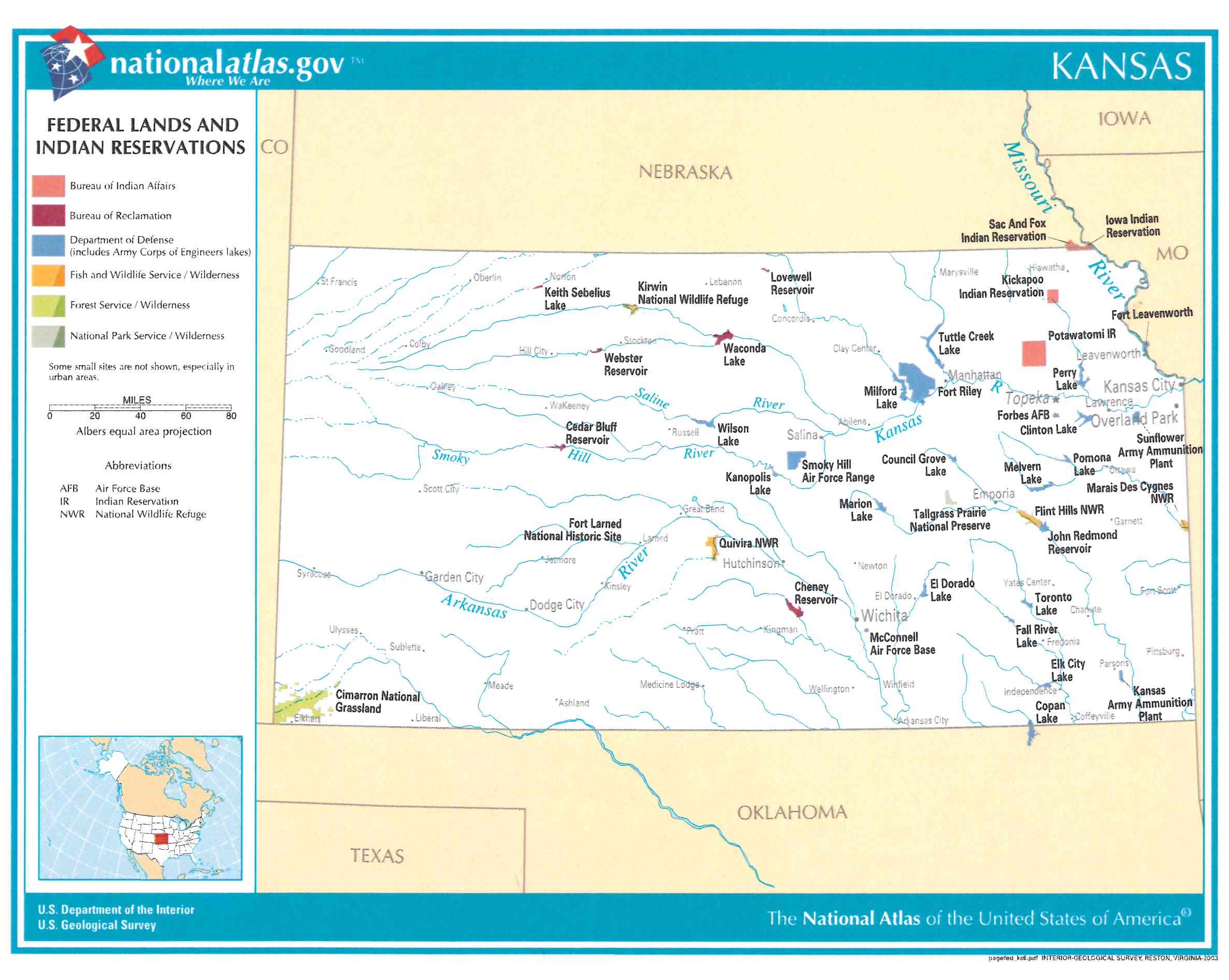

Kansas, often recognized for its vast prairies and agricultural prominence, also holds a deep and significant history tied to Native American tribes. Understanding the tribal lands in Kansas involves delving into historical treaties, relocations, and the enduring cultural presence of these sovereign nations. This article aims to provide a comprehensive overview of the tribal lands, their history, and their current status within the state of Kansas.
A Brief History of Native American Tribes in Kansas
Before European settlement, the land that is now Kansas was home to numerous Native American tribes. These tribes included the Kansa (Kaw), Osage, Pawnee, Wichita, and others. These groups had established societies with complex social structures, agricultural practices, and spiritual beliefs. Their lives were deeply intertwined with the land, and they possessed extensive knowledge of its resources.
The arrival of European settlers in the 19th century dramatically altered the landscape for these tribes. The U.S. government implemented policies of forced removal and relocation, pushing many tribes from their ancestral lands further west. Kansas became a destination for many tribes displaced from their original territories east of the Mississippi River.
Relocation and Treaties
The Indian Removal Act of 1830 set the stage for the forced migration of numerous tribes to areas west of the Mississippi, including Kansas. Tribes such as the Shawnee, Delaware, Kickapoo, and Potawatomi were among those forcibly relocated to Kansas. These relocations were often brutal, resulting in significant loss of life and cultural disruption.
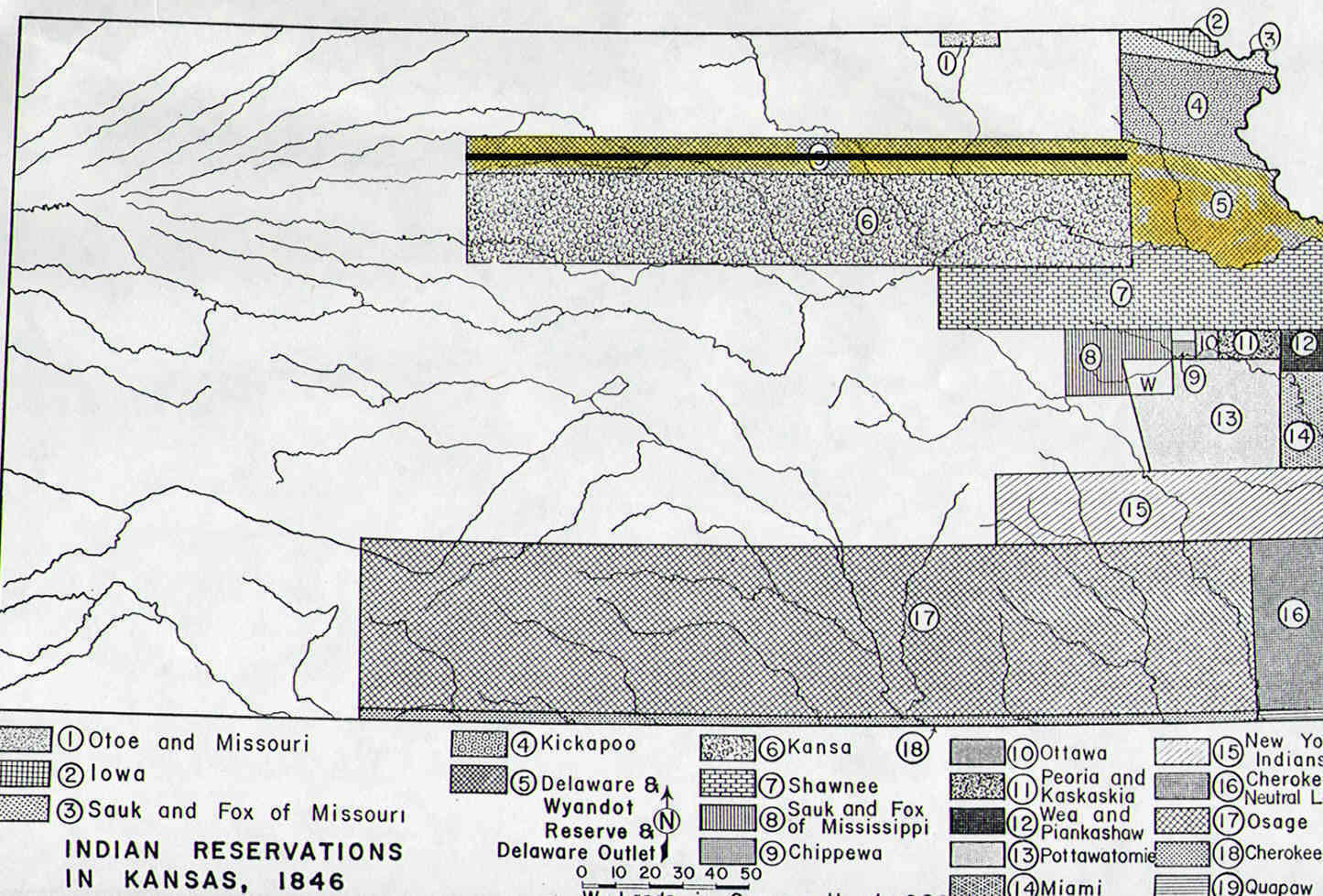

The U.S. government entered into numerous treaties with these tribes, often promising land and resources in exchange for ceding their original territories. However, these treaties were frequently violated, leading to further displacement and hardship for the tribes. The history of tribal lands in Kansas is thus intertwined with a complex web of broken promises and injustices.
Federally Recognized Tribes in Kansas Today
Despite the historical challenges, several federally recognized tribes maintain a presence in Kansas today. These tribes have sovereign status, meaning they possess the right to self-governance and are recognized by the U.S. government.
- Iowa Tribe of Kansas and Nebraska: Located primarily in northeastern Kansas, along the border with Nebraska.
- Kickapoo Tribe in Kansas: Situated in Brown County in northeastern Kansas.
- Prairie Band Potawatomi Nation: Located in Jackson County in northeastern Kansas.
- Sac and Fox Nation of Missouri in Kansas and Nebraska: Found in northeastern Kansas, along the border with Nebraska.
Iowa Tribe of Kansas and Nebraska
The Iowa Tribe of Kansas and Nebraska has a rich history and culture. Their reservation spans both Kansas and Nebraska, and the tribe actively works to preserve its cultural heritage through language revitalization programs, traditional ceremonies, and cultural events. The tribe also operates various economic enterprises to support its members and community.
Kickapoo Tribe in Kansas
The Kickapoo Tribe in Kansas is known for its strong sense of community and cultural preservation. The tribe operates a number of businesses, including a casino, and invests in education, healthcare, and other services for its members. The Kickapoo also maintain many of their traditional customs and ceremonies.
Prairie Band Potawatomi Nation


The Prairie Band Potawatomi Nation has made significant strides in economic development and self-governance. The tribe operates a successful casino and resort, which provides revenue for essential services such as healthcare, education, and housing. The Prairie Band Potawatomi also actively work to preserve their language and cultural traditions.
Sac and Fox Nation of Missouri in Kansas and Nebraska
The Sac and Fox Nation of Missouri in Kansas and Nebraska is committed to preserving its cultural heritage and promoting the well-being of its members. The tribe operates various programs and services, including healthcare, education, and social services. They also work to strengthen their government and promote economic development.
Sovereignty and Self-Governance
The concept of tribal sovereignty is central to understanding the relationship between federally recognized tribes and the U.S. government. Tribal sovereignty recognizes the inherent right of tribes to govern themselves and make decisions about their own affairs. This includes the power to enact laws, establish courts, and manage tribal resources.
Tribal self-governance allows tribes to exercise greater control over federal programs and funding. Through self-governance agreements, tribes can design and implement programs that are tailored to the specific needs of their communities. This has led to improved outcomes in areas such as education, healthcare, and economic development.
Economic Development on Tribal Lands
Economic development is a key priority for tribes in Kansas. Many tribes operate casinos, which generate revenue that supports essential services and programs. In addition to casinos, tribes are involved in a variety of other economic enterprises, including agriculture, manufacturing, and tourism.
Tribal economic development projects not only benefit tribal members but also contribute to the broader Kansas economy. These projects create jobs, generate tax revenue, and attract investment to the state.
Cultural Preservation and Education
Preserving cultural heritage is a vital mission for all the tribes in Kansas. They engage in various initiatives to safeguard their languages, traditions, and historical knowledge. Language revitalization programs are particularly important, as many Native American languages are endangered. These programs involve teaching the language to children and adults, creating language resources, and promoting the use of the language in everyday life.
Tribes also organize cultural events, such as powwows and traditional ceremonies, to celebrate their heritage and share it with the wider community. These events provide opportunities for tribal members to connect with their culture and for non-tribal members to learn about Native American traditions.
Education plays a crucial role in cultural preservation. Tribes operate their own schools and educational programs that incorporate Native American history, culture, and language into the curriculum. These programs help to ensure that future generations of tribal members have a strong understanding of their heritage.
Environmental Stewardship
Native American tribes have a deep connection to the land and a long history of environmental stewardship. They recognize the importance of protecting natural resources for future generations and are actively involved in conservation efforts.
Tribes work to manage their natural resources in a sustainable manner, using traditional ecological knowledge and modern scientific techniques. They also collaborate with federal and state agencies to protect water quality, conserve wildlife habitat, and address environmental challenges.
Contemporary Issues and Challenges
Despite the progress made by tribes in Kansas, they continue to face a number of challenges. These include issues related to healthcare, education, economic development, and environmental protection. Many tribal communities struggle with poverty, unemployment, and lack of access to essential services.
Another challenge is the ongoing need to protect tribal sovereignty and treaty rights. Tribes must constantly advocate for their rights and work to ensure that the U.S. government fulfills its treaty obligations.
How to Learn More and Support Tribal Communities
There are many ways to learn more about Native American tribes in Kansas and support their communities. One way is to visit tribal museums and cultural centers, which offer exhibits and programs that showcase Native American history and culture. Attending tribal events, such as powwows, is another great way to learn about Native American traditions.
You can also support tribal businesses and organizations. Many tribes operate businesses that sell Native American crafts, artwork, and other products. You can also donate to tribal charities and organizations that provide services to tribal communities.
Conclusion
The tribal lands in Kansas represent a vital part of the state’s history and cultural landscape. The four federally recognized tribes – the Iowa Tribe of Kansas and Nebraska, the Kickapoo Tribe in Kansas, the Prairie Band Potawatomi Nation, and the Sac and Fox Nation of Missouri in Kansas and Nebraska – have persevered through immense challenges and continue to contribute significantly to the state’s social, economic, and cultural fabric. Understanding their history, respecting their sovereignty, and supporting their communities is essential for fostering a more just and equitable future for all Kansans. By learning about their rich heritage and contemporary issues, we can all play a role in promoting reconciliation and honoring the enduring legacy of Native American tribes in Kansas.
By delving into the history of treaties, relocations, and the resilience of these sovereign nations, we gain a deeper appreciation for the complexities and triumphs of tribal communities. Supporting their cultural preservation, economic development, and environmental stewardship efforts ensures that their legacy continues to enrich the state for generations to come.
This comprehensive guide serves as a starting point for anyone interested in learning more about the tribal lands in Kansas and the vibrant cultures of the tribes who call this land home.


