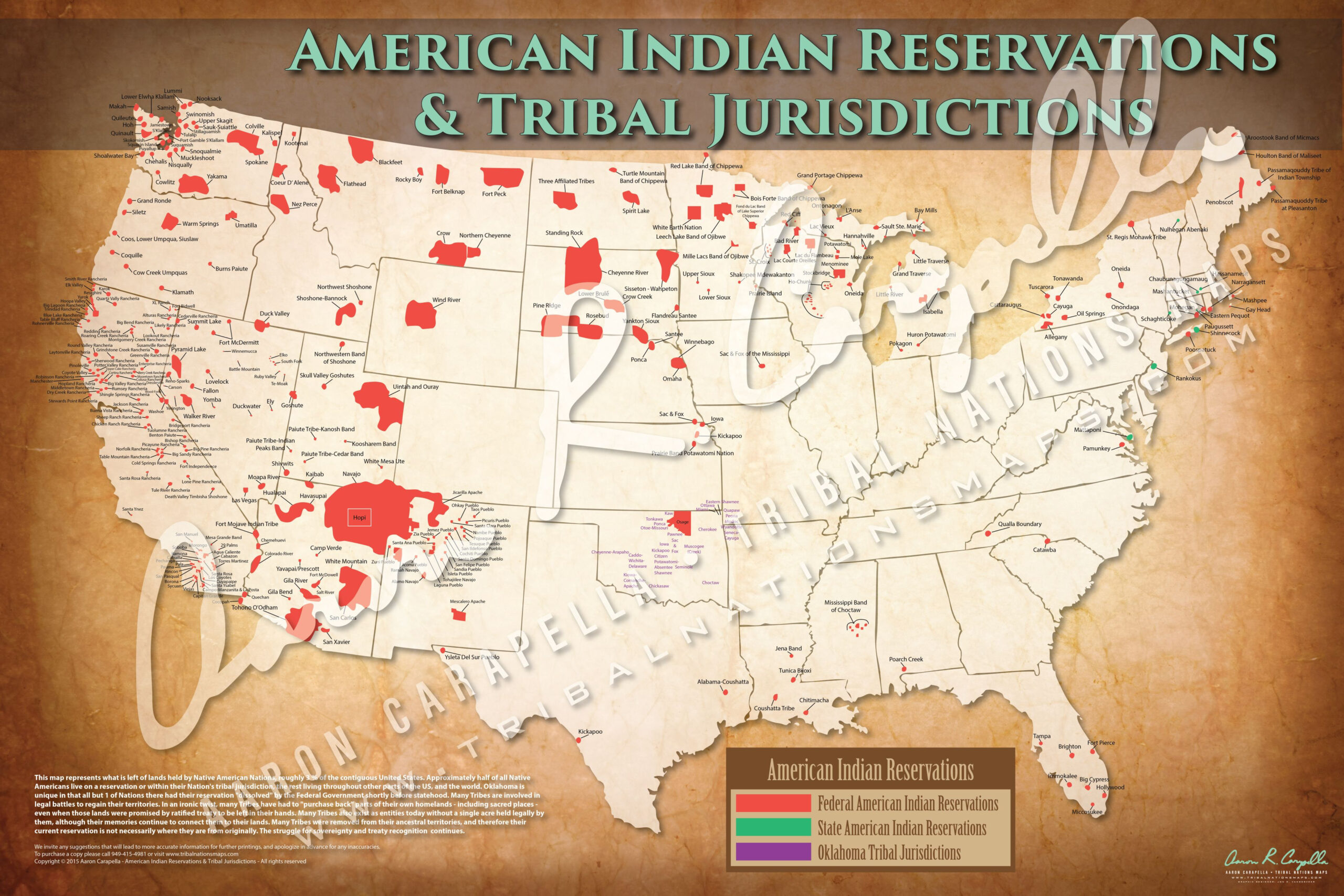

Tribal governments on Indian reservations represent a unique and vital aspect of the American political landscape. These governments exercise varying degrees of sovereignty, managing their internal affairs and navigating complex relationships with the United States federal government, state governments, and private entities. This comprehensive guide delves into the structure, powers, challenges, and significance of tribal governments in the 21st century.
Understanding Tribal Sovereignty
Tribal sovereignty is the inherent authority of Indigenous tribes to govern themselves within the borders of the United States. This sovereignty predates the U.S. Constitution and is recognized, though often limited, by federal law. It allows tribes to create and enforce laws, establish courts, manage resources, and provide services to their citizens. The scope and limitations of tribal sovereignty have been shaped by treaties, federal statutes, and court decisions, leading to ongoing legal and political debates.
What does tribal sovereignty mean? Tribal sovereignty signifies the right of Native American tribes to self-govern, make their own laws, and manage their affairs without undue interference from state or federal governments. It’s a recognition of their inherent right to exist as distinct political entities.
The Structure of Tribal Governments
The structure of tribal governments varies significantly from tribe to tribe, reflecting their unique histories, cultures, and needs. However, some common elements exist. Many tribal governments mirror the structure of the U.S. government, with executive, legislative, and judicial branches.
Executive Branch
The executive branch is typically led by a tribal chairman or governor, who is responsible for implementing tribal laws and policies, managing tribal resources, and representing the tribe in external affairs. The chairman or governor may be elected by the tribal membership or appointed by the tribal council.
Legislative Branch
The legislative branch, often called the tribal council, is responsible for enacting laws, approving budgets, and overseeing tribal government operations. The size and composition of the tribal council vary, with some tribes having councils elected by district and others having councils elected at-large.
Judicial Branch
The judicial branch, consisting of tribal courts, interprets tribal laws and resolves disputes. Tribal courts have jurisdiction over a wide range of issues, including family law, criminal law, and contract disputes. The extent of tribal court jurisdiction has been a subject of ongoing legal challenges, particularly in cases involving non-Native Americans.
Legal Framework Governing Tribal Governments
- The Indian Reorganization Act of 1934: Encouraged tribes to adopt constitutions and establish self-governing structures.
- The Indian Civil Rights Act of 1968: Applied many of the provisions of the Bill of Rights to tribal governments.
- The Indian Self-Determination and Education Assistance Act of 1975: Allowed tribes to contract with the federal government to administer programs and services.
These laws, along with numerous court decisions, have shaped the relationship between tribal governments and the federal government, defining the scope and limitations of tribal sovereignty.
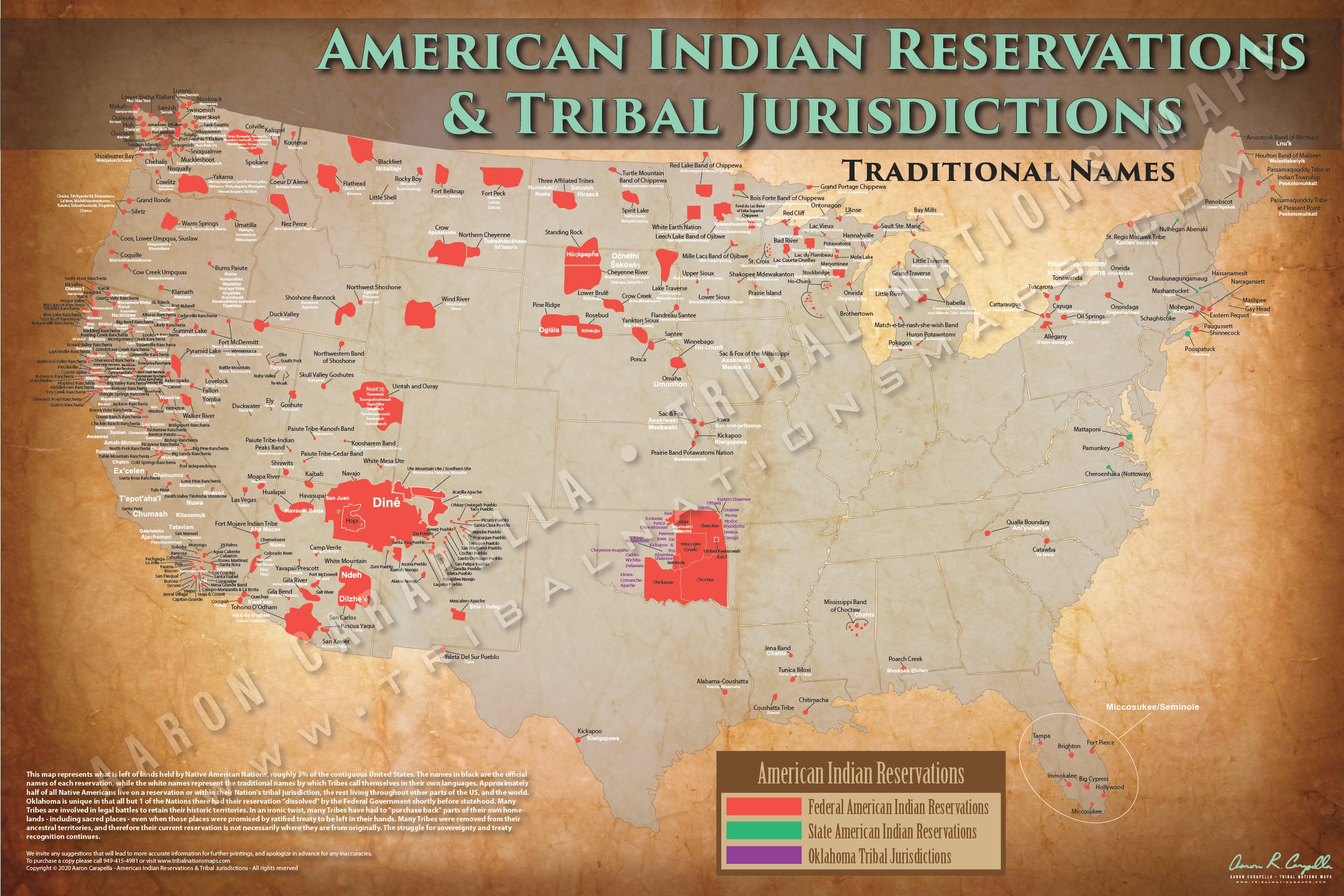
What is the legal basis for tribal sovereignty? The legal basis for tribal sovereignty is rooted in treaties, federal statutes, and court decisions that recognize the inherent right of Native American tribes to govern themselves.
Powers and Responsibilities of Tribal Governments
- Law Enforcement: Maintaining law and order on the reservation.
- Education: Operating schools and providing educational programs.
- Healthcare: Providing healthcare services to tribal members.
- Natural Resource Management: Managing natural resources, such as water, timber, and minerals.
- Economic Development: Promoting economic development and creating jobs.
- Social Services: Providing social services, such as housing assistance and child welfare.
The exercise of these powers is often constrained by limited resources, jurisdictional challenges, and the complex regulatory environment.
Challenges Facing Tribal Governments
Limited Resources
Many tribal governments struggle with limited financial resources, making it difficult to provide essential services and promote economic development. This is often compounded by historical injustices and inadequate federal funding.
Jurisdictional Issues
Jurisdictional disputes with state and local governments are common, particularly in areas where tribal and state interests overlap. These disputes often involve issues such as law enforcement, taxation, and environmental regulation.
Federal Oversight
While the federal government has a trust responsibility to protect tribal interests, federal oversight can sometimes be intrusive and hinder tribal self-determination. Balancing federal oversight with tribal autonomy remains a challenge.
Internal Governance Issues
Like any government, tribal governments can face internal governance challenges, such as corruption, factionalism, and lack of transparency. Strengthening tribal governance and promoting accountability are essential for effective self-government.
What are some common challenges faced by tribal governments? Common challenges include limited resources, jurisdictional disputes with state and local governments, federal oversight, and internal governance issues.
Economic Development on Indian Reservations
- Gaming: Operating casinos and other gaming facilities.
- Natural Resource Development: Developing natural resources, such as oil, gas, and timber.
- Tourism: Promoting tourism and cultural attractions.
- Manufacturing: Attracting manufacturing businesses to the reservation.
- Renewable Energy: Developing renewable energy projects, such as solar and wind farms.
However, economic development on Indian reservations can be challenging due to factors such as remoteness, lack of infrastructure, and regulatory barriers.
The Role of Tribal Courts
- Family Law: Divorce, child custody, and adoption.
- Criminal Law: Misdemeanors and felonies committed by tribal members.
- Contract Disputes: Disputes between businesses and individuals.
- Environmental Law: Enforcement of tribal environmental regulations.
The jurisdiction of tribal courts has been a subject of ongoing legal debate, particularly in cases involving non-Native Americans. The Supreme Court has issued several key decisions that have shaped the scope of tribal court jurisdiction.
Tribal Governments and Environmental Protection
Tribal governments play a vital role in protecting the environment on Indian reservations. They have the authority to enact and enforce environmental regulations, manage natural resources, and protect cultural resources. Many tribes have developed innovative environmental programs and partnerships with federal and state agencies.
The Future of Tribal Governments
The future of tribal governments is likely to be shaped by ongoing legal and political battles over tribal sovereignty, economic development, and environmental protection. As tribes continue to assert their rights and exercise their self-governing powers, they will play an increasingly important role in the American political landscape.
What does the future hold for tribal governments? The future of tribal governments is likely to be shaped by ongoing legal and political battles over tribal sovereignty, economic development, and environmental protection.
Conclusion
Tribal governments on Indian reservations are complex and dynamic entities that play a crucial role in the lives of Native American people. They exercise varying degrees of sovereignty, manage their internal affairs, and navigate complex relationships with the United States federal government, state governments, and private entities. Despite the challenges they face, tribal governments are committed to protecting their cultures, promoting economic development, and ensuring the well-being of their citizens. Understanding the structure, powers, and challenges of tribal governments is essential for anyone interested in Native American affairs, federal Indian law, or the future of tribal sovereignty.
This guide has provided a comprehensive overview of tribal governments, covering their structure, legal framework, powers, challenges, and future prospects. By understanding these key aspects, readers can gain a deeper appreciation for the important role that tribal governments play in the United States.
- Tribal sovereignty is the inherent right of Native American tribes to govern themselves.
- Tribal governments have executive, legislative, and judicial branches.
- The legal framework governing tribal governments is complex and multifaceted.
- Tribal governments face numerous challenges, including limited resources and jurisdictional issues.
- Economic development is a critical priority for tribal governments.
- Tribal courts play a crucial role in resolving disputes and upholding the rule of law.
- Tribal governments play a vital role in protecting the environment.


