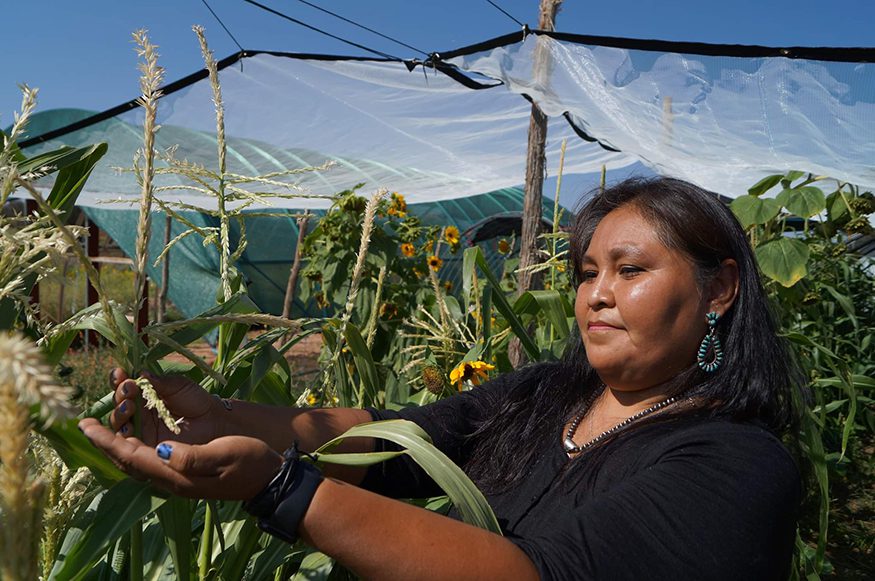

Indian Reservations, enclaves of Native American sovereignty within the United States, are vibrant centers of cultural heritage and tradition. These reservations serve as homelands for numerous tribes, each with its own unique history, language, customs, and spiritual beliefs. Traditional practices, passed down through generations, play a vital role in shaping the identity, community, and resilience of Native American people. This article explores the rich tapestry of traditional practices on Indian Reservations, examining their significance, challenges, and ongoing efforts to preserve and revitalize them.
Understanding the Significance of Traditional Practices
Traditional practices on Indian Reservations encompass a wide range of activities, beliefs, and customs that are deeply intertwined with the history, culture, and spirituality of Native American tribes. These practices provide a framework for understanding the world, connecting with ancestors, and maintaining a sense of community. They also serve as a means of preserving cultural identity in the face of assimilation pressures and historical trauma.
Spiritual Ceremonies and Religious Beliefs
- Sweat Lodge Ceremonies: Purification rituals performed in a dome-shaped structure.
- Sun Dance: A sacred ceremony involving fasting, prayer, and self-sacrifice.
- Pipe Ceremony: A ritual using a sacred pipe to connect with the Great Spirit.
- Powwows: Celebrations of Native American culture featuring dancing, singing, and drumming.
Cultural Preservation and Language Revitalization
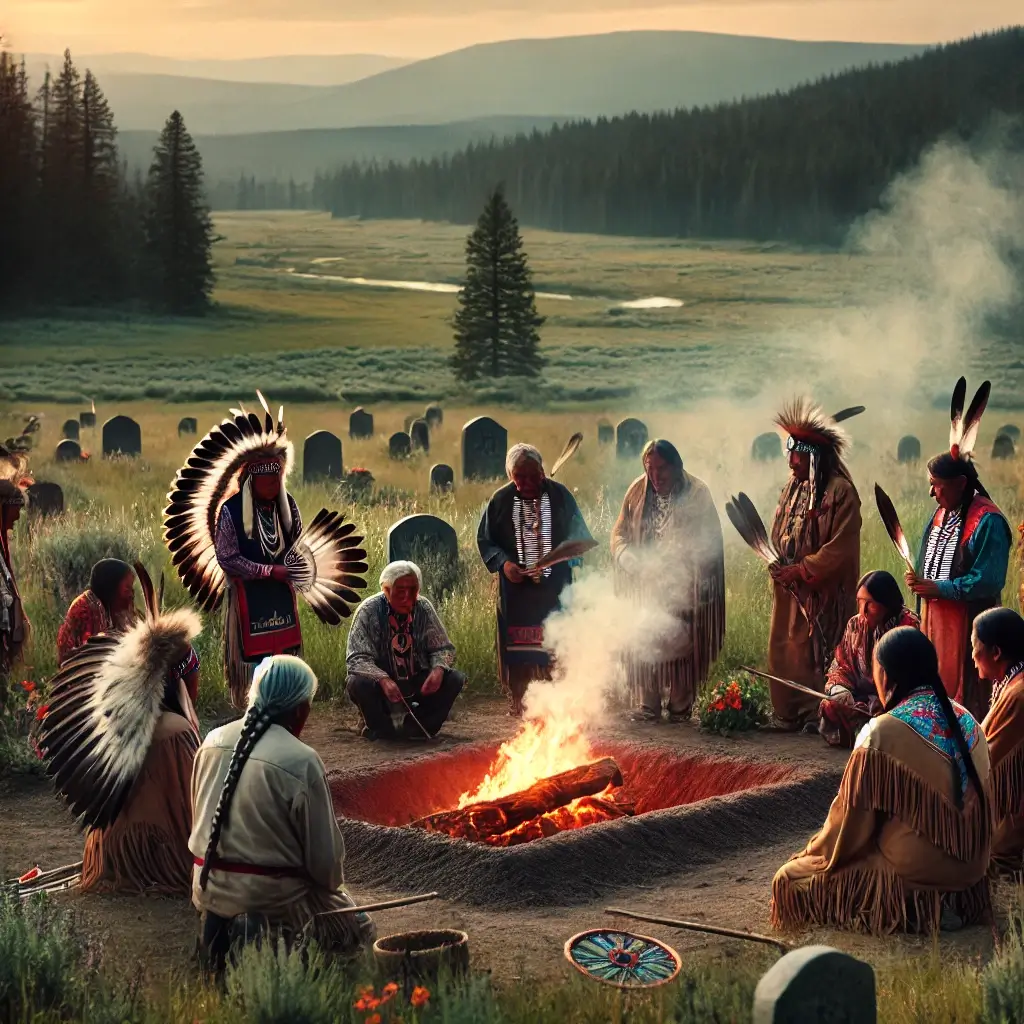

Many Native American tribes are actively working to preserve their cultural heritage and revitalize their languages. Language is seen as a key component of cultural identity, and the loss of language can have a devastating impact on a community. Traditional storytelling, oral histories, and cultural arts are also vital to maintaining cultural continuity.
Traditional Arts and Crafts
- Beadwork: Elaborate designs created with colorful beads.
- Pottery: Hand-crafted vessels made from clay.
- Weaving: Creating textiles from natural fibers.
- Carving: Sculpting objects from wood, stone, or bone.
Traditional Foods and Subsistence Practices
Traditional foods and subsistence practices are closely tied to the land and the natural environment. Many Native American tribes rely on hunting, fishing, gathering, and farming to provide food for their families. Traditional diets often consist of wild game, fish, berries, roots, and vegetables. These foods are not only nutritious but also have cultural and spiritual significance.
Challenges to Traditional Practices
Historical Trauma and Assimilation Policies
Historical trauma, resulting from centuries of colonization, forced removal, and assimilation policies, has had a profound impact on Native American communities. These policies have disrupted traditional ways of life, eroded cultural identity, and created intergenerational trauma. The legacy of boarding schools, where Native American children were forced to abandon their languages and cultures, continues to affect communities today.
Economic Hardship and Poverty


Many Indian Reservations face significant economic challenges, including high rates of unemployment, poverty, and substance abuse. These challenges can make it difficult for tribes to invest in cultural preservation programs and support traditional practitioners.
Environmental Degradation and Loss of Access to Resources
Environmental degradation, such as pollution, deforestation, and climate change, poses a serious threat to traditional practices. Many Native American tribes rely on natural resources for their livelihoods and cultural practices, and the loss of access to these resources can have devastating consequences.
Lack of Funding and Support
Limited funding and support for cultural preservation programs can hinder efforts to revitalize traditional practices. Many tribes rely on grants and donations to support their cultural initiatives.
Efforts to Preserve and Revitalize Traditional Practices
Language Revitalization Programs
Language revitalization programs are designed to teach Native American languages to children and adults. These programs often involve immersion schools, language nests, and community-based classes.
Cultural Centers and Museums
Cultural centers and museums play a vital role in preserving and showcasing Native American culture. These institutions often house collections of artifacts, host cultural events, and provide educational programs.
Traditional Arts and Crafts Programs
Traditional arts and crafts programs provide training and support for Native American artists and craftspeople. These programs help to preserve traditional techniques and promote economic self-sufficiency.
Youth Programs
Youth programs are designed to engage young people in traditional practices and cultural activities. These programs help to instill a sense of pride in their heritage and ensure that traditional knowledge is passed down to future generations.
Community-Based Initiatives
Community-based initiatives are grassroots efforts to revitalize traditional practices at the local level. These initiatives often involve elders, cultural leaders, and community members working together to preserve and promote their culture.
The Role of Technology in Preserving Tradition
While traditional practices are rooted in the past, technology can play a crucial role in their preservation and revitalization. Digital archives, online language resources, and virtual museums can help to make cultural knowledge more accessible to a wider audience. Social media can also be used to connect with other Native American communities and share information about traditional practices.
Examples of Successful Preservation Efforts
Several Native American tribes have achieved remarkable success in preserving and revitalizing their traditional practices. For example, the Cherokee Nation has implemented a comprehensive language revitalization program that has helped to increase the number of Cherokee speakers. The Navajo Nation has established a cultural center that showcases Navajo art, history, and culture. The Hopi Tribe has maintained its traditional farming practices for centuries, despite the challenges of living in a desert environment.
People Also Ask (PAA) – Addressing Common Questions
What are some examples of traditional Native American spiritual practices?
Traditional Native American spiritual practices vary widely among tribes but often include sweat lodge ceremonies for purification, sun dances for spiritual renewal, pipe ceremonies for connecting with the Great Spirit, and powwows for community celebration and honoring ancestors.
How are Native American languages being revitalized?
Native American languages are being revitalized through immersion schools, community-based language classes, online resources, and the creation of language nests where young children are immersed in the language from an early age. Elders play a crucial role in teaching and mentoring younger generations.
What is the significance of traditional arts and crafts in Native American culture?
Traditional arts and crafts serve as a form of artistic expression, a way to preserve cultural knowledge, and a source of income for many Native American families. They often depict stories, symbols, and designs that are deeply rooted in tribal history and beliefs.
How do environmental issues impact traditional practices on reservations?
Environmental issues such as pollution, deforestation, and climate change can disrupt traditional hunting, fishing, and gathering practices, threaten sacred sites, and undermine the overall health and well-being of Native American communities.
What role do elders play in preserving traditional knowledge?
Elders are the keepers of traditional knowledge and play a vital role in passing down cultural traditions, languages, and spiritual beliefs to younger generations. They serve as mentors, teachers, and guides, ensuring the continuity of Native American culture.
Conclusion: A Legacy of Resilience and Cultural Continuity
Traditional practices on Indian Reservations are a testament to the resilience and cultural continuity of Native American people. Despite the challenges of historical trauma, economic hardship, and environmental degradation, tribes are actively working to preserve and revitalize their cultural heritage. By embracing their traditions and adapting to a changing world, Native American communities are ensuring that their cultures will thrive for generations to come. The preservation of these practices is not only important for Native Americans but also for the enrichment of American society as a whole.
The enduring legacy of traditional practices serves as a reminder of the importance of cultural diversity, historical understanding, and the ongoing pursuit of justice and equity for all people.


