
The Threads of Identity: Unraveling the Rich History and Enduring Power of Native American Hairstyles
In the vibrant tapestry of Native American cultures, few elements are as deeply woven with meaning, history, and spiritual significance as hair. Far more than mere adornment, traditional Native American hairstyles are living narratives – extensions of identity, spiritual antennas connecting to the Creator, and powerful visual expressions of tribal affiliation, social status, and personal journeys. From the intricate braids of the Plains warriors to the distinctive whorls of the Pueblo women, each strand tells a story, echoing the wisdom of ancestors and the resilience of a people.
To understand the profound importance of hair in these diverse societies, one must first appreciate the worldview that informs it. For many Indigenous peoples, the human body is a sacred vessel, and hair is often considered an extension of one’s spirit or soul. It is believed to be a conduit for spiritual energy, a physical manifestation of an individual’s connection to the earth, the sky, and the unseen realms. As many elders teach, hair literally grows from the mind, linking thoughts and consciousness to the tangible world. Cutting it was, and often still is, a deeply significant act, reserved for times of profound grief, spiritual transformation, or, tragically, forced assimilation.
Before the arrival of European colonizers, the continent was home to hundreds of distinct Native nations, each with its unique language, customs, and, naturally, hairstyles. The sheer diversity was astonishing. Climate, available resources, and cultural practices all influenced how hair was styled, adorned, and cared for. In arid regions, hair might be worn up to protect it from dust and sun, while in colder climates, it might be kept longer and thicker for warmth.
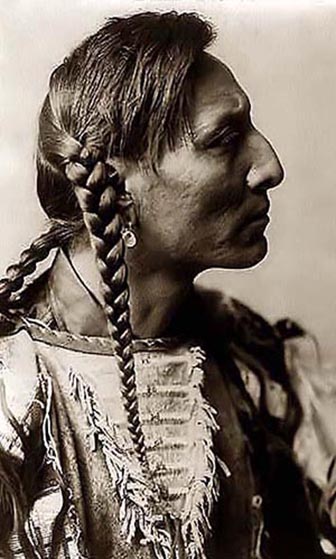
For men, hair was often a symbol of strength, bravery, and spiritual connection. Among the Plains tribes, long, flowing hair was highly prized, often worn in two braids that symbolized the duality of life and the balance sought by warriors and spiritual leaders alike. These braids might be wrapped in otter fur, adorned with quills, beads, or silver conchos, each embellishment carrying its own meaning. A single braid, sometimes called a "scalplock," might be worn by a warrior as a deliberate challenge to his enemies, daring them to take his scalp. This wasn’t merely a boast; it was a profound statement of courage and spiritual readiness.
The iconic "roach" hairstyle, particularly associated with the Pawnee, Osage, and various nations within the Iroquois Confederacy (like the Mohawk), involved shaving or plucking the sides of the head, leaving a stiff crest of hair running from the forehead to the nape of the neck. This crest was often augmented with porcupine guard hair or deer tail hair, dyed vibrant colors, and sometimes adorned with a single feather. The roach was a formidable war style, designed to intimidate and to signify a man’s readiness for battle. It spoke of discipline, ferocity, and an unwavering spirit.
Women’s hairstyles, while equally diverse and meaningful, often reflected different aspects of life, status, and community. Among the Pueblo peoples of the Southwest, such as the Hopi, young unmarried women traditionally wore their hair in the distinctive "butterfly whorls" (sometimes called "squash blossom" or "maiden" whorls). This intricate style involved wrapping the hair around a U-shaped frame on each side of the head, creating two large, flat coils resembling a butterfly’s wings or the squash blossoms that symbolize fertility and new life. This style announced a woman’s eligibility for marriage and was a powerful visual marker of her place in the community. Once married, their hair would be styled differently, often in two long braids or a simple bun at the nape of the neck.
Across many tribes, the act of braiding was more than just styling; it was a communal, meditative practice, often performed by family members, fostering bonds and passing down cultural knowledge. A mother braiding her daughter’s hair would share stories, teach values, and reinforce their cultural identity. The number of braids, their tightness, and the direction in which they were woven could all convey specific messages or mark a particular stage of life.
Hair ornamentation also played a critical role. Feathers, particularly eagle feathers, were among the most sacred, often reserved for those who had earned them through acts of bravery, leadership, or spiritual insight. Each feather told a story of achievement and honor. Other adornments included porcupine quills, shells (such as dentalium or abalone), polished stones, silver, copper, and glass beads, all carefully selected for their aesthetic appeal and symbolic value. These elements not only enhanced the beauty of the hairstyle but also served as protective talismans and visual markers of wealth, status, and tribal affiliation.
The profound significance of hair, however, made it a prime target for colonial powers seeking to eradicate Native American cultures. The notorious Indian boarding schools, established in the late 19th and early 20th centuries, were designed with the explicit goal of "killing the Indian to save the man." One of the very first acts upon arrival at these institutions was to forcibly cut the children’s long hair. This act was not merely a practical measure; it was a deliberate, brutal assault on their identity, spirituality, and connection to their heritage. For children who had been taught that their hair was sacred, this forced shearing was a traumatic experience, a symbolic death that severed them from their past and stripped them of their cultural pride. It was a visible manifestation of their subjugation.
Despite these systematic attempts at cultural genocide, the spirit of Native American hair traditions endured. In clandestine ways, and later, more openly, communities held onto these practices. The act of growing hair long, braiding it, and adorning it became a quiet, yet powerful, act of resistance and resilience.
In the contemporary era, the revitalization of traditional Native American hairstyles is a vibrant and deeply meaningful movement. Young people today proudly wear braids, roaches, and other ancestral styles, not just for powwows or ceremonies, but as part of their everyday lives. This resurgence is a reclaiming of identity, a visual statement of pride in their heritage, and a powerful rejection of colonial assimilation.
"Our hair is our history," says a contemporary Native cultural leader. "When we wear our hair in the ways of our ancestors, we carry their strength, their wisdom. It’s a connection to who we are, where we come from, and where we are going. It’s an act of love for our culture and our future generations."
Modern Native American artists and designers are also incorporating traditional hair adornments into contemporary fashion, bridging the past and present in innovative ways. This fusion respects the sacred origins of these practices while adapting them for a new generation, ensuring their continued relevance and visibility.
From the elaborate artistry of the Hopi maiden’s whorls to the fierce statement of a Mohawk roach, traditional Native American hairstyles are more than just aesthetic choices. They are ancient texts written in hair, conveying stories of spirituality, community, courage, and enduring identity. They stand as testaments to the resilience of Indigenous peoples, symbolizing a profound connection to the past, a vibrant presence in the present, and an unwavering hope for the future. In every carefully woven braid and every proudly worn feather, the threads of identity continue to shine brightly, reminding us of the deep beauty and wisdom embedded in these sacred traditions.


