
Beyond the Bison and Berries: The Enduring Legacy of Native American Foodways
For many, the image of Native American foodways conjures simple, rustic scenes: bison hunts on vast plains, wild berries gathered in forests, or perhaps the iconic fry bread. While these elements are undoubtedly part of a rich culinary tapestry, they represent only a fraction of a sophisticated, diverse, and deeply spiritual system of sustenance that has sustained Indigenous peoples across North America for millennia. Traditional Native American foodways are not merely about what was eaten, but how it was cultivated, hunted, gathered, prepared, shared, and revered – a holistic approach inextricably linked to land, community, health, and identity.
Before European contact, North America was a continent of unparalleled biodiversity, teeming with ecosystems that Indigenous peoples understood with profound intimacy. From the arid deserts of the Southwest to the lush forests of the Northeast, the fertile plains of the heartland to the salmon-rich rivers of the Pacific Northwest, each region fostered unique dietary practices born of ingenious adaptation and deep ecological knowledge.
A Deep-Rooted Legacy: Pre-Colonial Ingenuity
One of the most celebrated examples of Indigenous agricultural prowess is the "Three Sisters" – corn (maize), beans, and squash. This polyculture system, practiced across numerous tribes from the Iroquois to the Pueblo peoples, is a testament to sophisticated ecological understanding. Corn provides a stalk for the beans to climb; beans fix nitrogen in the soil, enriching it for the hungry corn and squash; and squash leaves provide ground cover, suppressing weeds and retaining moisture. This symbiotic relationship yielded bountiful harvests and provided a complete nutritional profile: carbohydrates from corn, protein from beans, and vitamins and minerals from squash.
Beyond agriculture, hunting and gathering were equally refined. On the Great Plains, the bison was central, providing not only meat but also hides for shelter and clothing, bones for tools, and even dung for fuel. Every part of the animal was utilized, reflecting a deep respect for the life given. The Plains tribes developed techniques like "pemmican" – a concentrated mixture of dried meat, rendered fat, and sometimes berries – a highly nutritious, portable, and long-lasting food source vital for nomadic lifestyles and long winters.
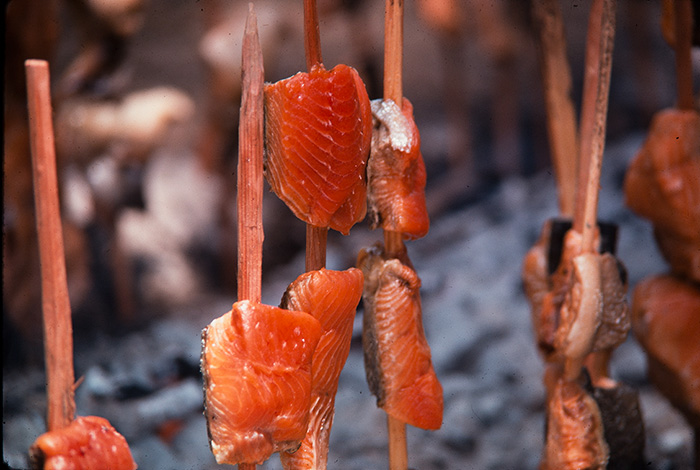
In the Pacific Northwest, salmon was the lifeblood. Tribes like the Chinook, Haida, and Tlingit developed intricate fishing technologies, including weirs and nets, and elaborate smoking and drying processes to preserve the fish for year-round consumption. Further inland, the Anishinaabe (Ojibwe) peoples of the Great Lakes region harvested manoomin (wild rice), a sacred grain central to their culture and ceremonies, employing specific techniques to knock the grains into canoes without damaging the plants for future harvests. In California, various tribes harvested and processed acorns, a process that involved meticulous leaching to remove bitter tannins, demonstrating an impressive understanding of food chemistry.
These traditional foodways were inherently sustainable. Indigenous communities practiced selective harvesting, managed forest fires to promote berry growth, rotated crops, and understood the reproductive cycles of animals, ensuring the continued abundance of their food sources for generations to come. "We did not think of ourselves as owners of the land," a common sentiment among many tribes suggests, "but as caretakers of it, and the land took care of us."
Culinary Ingenuity and Cultural Fabric
The methods of food preparation were as diverse as the foods themselves. Earth ovens, or pit cooking, were common across various regions. Food, often wrapped in leaves, was placed in a pit lined with hot rocks, then covered with earth and left to slow-cook for hours, imparting unique flavors and tenderness. Grinding stones were used to process grains, nuts, and seeds into flours for breads and porridges. Smoking, drying, and fermenting were essential preservation techniques, allowing communities to store food through lean seasons.
But traditional foodways transcended mere nutrition. They were woven into the very fabric of daily life, ceremony, and spirituality. Food was medicine, a source of physical and spiritual well-being. Many Indigenous languages have words for food that also encompass concepts of health, spirit, and connection. Feasts marked significant events – harvests, hunts, births, and rites of passage – reinforcing community bonds and sharing wealth. The act of sharing food was, and remains, a powerful expression of kinship and generosity. Stories, songs, and prayers often accompanied the gathering and preparation of food, imbuing it with sacred significance.
The Shadow of Colonization and Its Aftermath
The arrival of European colonizers irrevocably disrupted these intricate systems. The imposition of foreign agricultural practices, the introduction of non-native species, and the devastating loss of land through forced removal and treaties severed Indigenous peoples from their ancestral food sources. The systematic destruction of bison herds, for instance, was a deliberate tactic to subdue Plains tribes by eliminating their primary sustenance.
On reservations, Indigenous communities were often dependent on government-issued "commodity foods" – processed, high-fat, high-sugar staples like flour, lard, sugar, and canned goods, which bore little resemblance to their traditional, nutrient-dense diets. This forced dietary shift, coupled with sedentary lifestyles and lack of access to fresh produce, contributed to a public health crisis that continues to plague many Indigenous communities today, marked by alarmingly high rates of diabetes, heart disease, and obesity.
Fry bread, often seen as a quintessential Native American dish, is a poignant example of this complex legacy. While beloved and a staple at powwows and family gatherings, it emerged from the necessity of using commodity flour, lard, and sugar. It is a symbol of resilience and adaptation in the face of hardship, but also a stark reminder of the disruption of traditional foodways.
Seeds of Renewal: The Indigenous Food Sovereignty Movement
In recent decades, a powerful movement has emerged to reclaim and revitalize traditional Native American foodways – the Indigenous Food Sovereignty movement. This movement asserts the right of Indigenous peoples to healthy and culturally appropriate food produced through ecologically sound and sustainable methods, and their right to define their own food and agriculture systems.
This revitalization takes many forms. Tribes are establishing their own farms and community gardens, growing traditional crops like corn, beans, squash, and heritage potato varieties. Seed saving initiatives are vital, working to preserve and propagate ancient strains of plants that have been cultivated for centuries. Hunting and fishing rights are being defended and reasserted, allowing communities to resume traditional harvesting practices.
Chefs like Sean Sherman (Oglala Lakota), known as "The Sioux Chef," are at the forefront of this culinary renaissance. His work focuses on decolonizing the Indigenous diet by removing colonial ingredients like wheat, dairy, and sugar, and instead highlighting indigenous ingredients and cooking techniques. His restaurant, Owamni, in Minneapolis, has garnered national acclaim for its innovative yet deeply traditional approach to Native American cuisine. Sherman emphasizes that "food is medicine… but it’s also culture, language, and spirit."
Beyond Sustenance: Health, Identity, and Economic Empowerment
The benefits of this revitalization extend far beyond the plate. Reconnecting with traditional foodways offers profound health advantages, promoting diets rich in lean proteins, complex carbohydrates, and fresh produce, and reducing reliance on processed foods. This, in turn, helps combat the epidemic of diet-related illnesses.
Culturally, the movement strengthens identity and self-determination. Learning traditional gardening techniques, hunting methods, or food preparation skills often involves learning ancestral languages, stories, and ceremonies, thereby reinforcing cultural pride and knowledge transmission to younger generations. It’s about healing not just the body, but also the spirit and the community.
Economically, Indigenous food businesses are creating new opportunities, fostering local food systems, and providing employment. Farmers markets featuring Indigenous produce, restaurants serving traditional dishes, and tribal enterprises processing wild rice or buffalo meat are all contributing to sustainable economic development within Native communities.
Conclusion
Traditional Native American foodways represent an extraordinary legacy of ecological wisdom, culinary ingenuity, and spiritual connection. They tell a story of profound resilience in the face of immense adversity. While colonization attempted to sever the ties between Indigenous peoples and their ancestral foods, the seeds of tradition have been carefully preserved and are now flourishing once more.
The movement to reclaim and revitalize these foodways is not merely a nostalgic return to the past; it is a dynamic, forward-looking effort to build healthier, more sovereign, and culturally vibrant futures for Indigenous nations. It is an invitation for all to understand and appreciate the depth, complexity, and enduring wisdom of the first food systems of this continent – a testament to the power of food to nourish not just the body, but the soul of a people.


