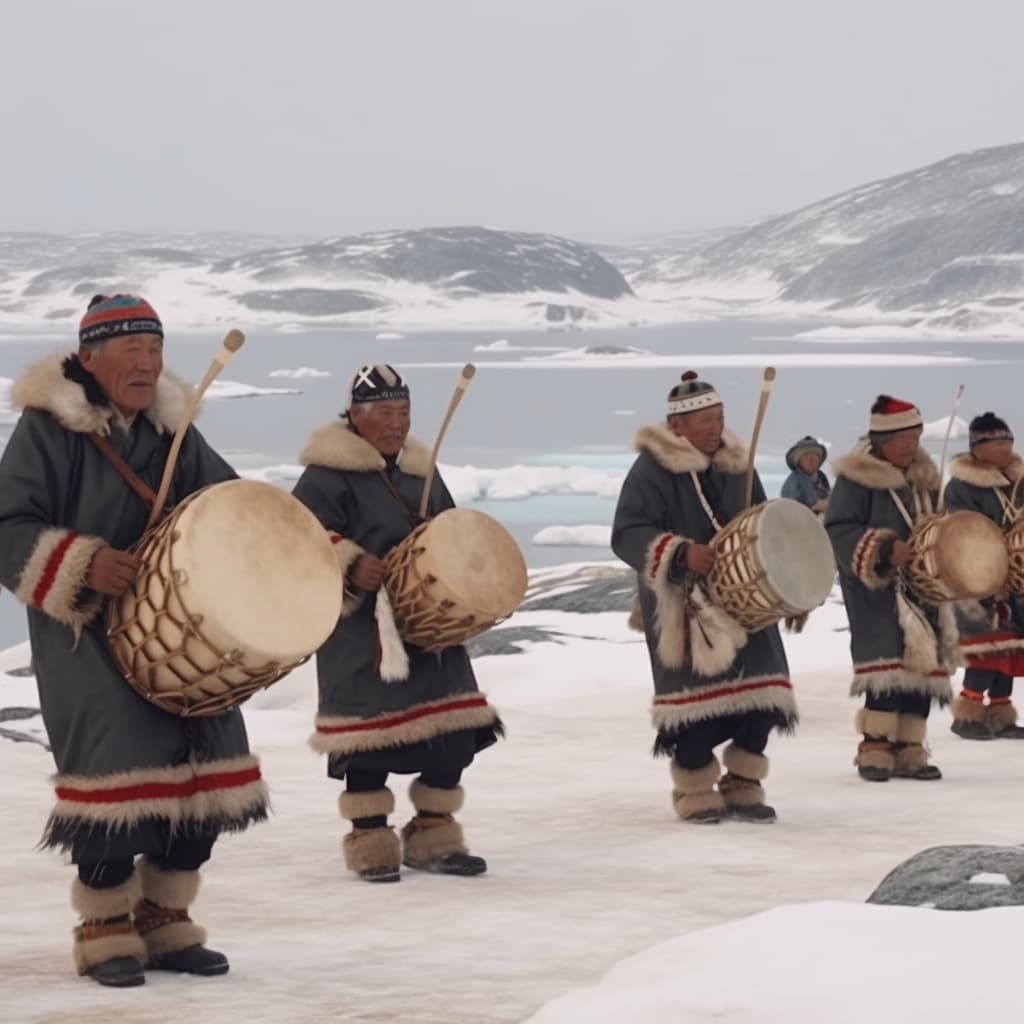
Greenland, the world’s largest island, is a land of breathtaking ice-capped landscapes and a profound cultural heritage. At the heart of this Arctic nation lies the story of the Inuit people, whose traditional lifestyle is a testament to human resilience, ingenuity, and a deep, symbiotic relationship with one of the planet’s most challenging environments.
For thousands of years, the Inuit of Greenland, known as Kalaallit, have thrived in a region where survival demands extraordinary adaptation. Their culture, traditions, and daily lives have been meticulously shaped by the rhythm of the seasons, the bounty of the sea, and the stark beauty of the land.
The Arctic Environment: A Formidable Teacher
The Greenlandic Arctic presents a unique set of challenges: long, dark winters, short, intense summers, vast expanses of ice and snow, and limited terrestrial resources. This extreme environment was not a barrier but a sculptor, molding the Inuit into master navigators, hunters, and innovators.
Their traditional lifestyle revolved around mobility and resourcefulness, moving with the game and adapting dwellings and tools to the immediate needs of survival. Every aspect of their culture, from clothing to social structure, reflects this intimate dance with nature.
Hunting and Subsistence: The Lifeline of the Arctic
At the core of the traditional Inuit lifestyle was hunting. The sea, in particular, was their primary larder, providing an abundance of marine mammals crucial for sustenance, warmth, and materials. This wasn’t merely about food; it was a way of life, a spiritual connection, and the foundation of their entire societal structure.
Seal hunting was paramount. Seals provided nutrient-rich meat, blubber for fuel and light, and skins for clothing, kayaks, and tents. Hunters used specialized harpoons, often from kayaks (qajaq), demonstrating incredible skill and patience in the icy waters.
Whale hunting, especially for narwhals and belugas, was a monumental endeavor, requiring collective effort and deep knowledge of migratory patterns. The meat, muktuk (whale skin and blubber), and baleen were invaluable resources.
Walrus hunting was also significant, providing tough hides, ivory for tools and art, and a substantial amount of meat and blubber. These hunts were often dangerous, demanding courage and precise technique.
While less dominant than marine hunting in Greenland, caribou were hunted in certain regions, providing meat and skins. Polar bears were occasionally hunted for their fur and meat, but these encounters were rare and highly respected.
Fishing, particularly for Arctic char and cod, supplemented their diet, especially during periods when marine mammal hunting was less fruitful. Gathering berries, roots, and seaweed during the brief summer months also added variety and vital nutrients.
Innovative Tools and Technology
The Inuit developed an impressive array of tools and technologies perfectly suited to their environment. These were not just implements but extensions of their knowledge and understanding of the Arctic world.
The
- Kayak (qajaq): A masterpiece of design, the kayak was a lightweight, fast, and stealthy hunting vessel, made from sealskin stretched over a driftwood or bone frame. It allowed hunters to pursue marine mammals with unparalleled efficiency.
- Umiak: A larger, open boat, also made from skins, used for transport, moving entire families, and sometimes for whaling.
- Harpoons and Lances: Ingeniously designed with detachable heads and retrieving lines, these tools were essential for securing large game.
- Dog Sleds (qamutit): Indispensable for overland travel and transportation of goods, dog teams were a vital part of winter life, showcasing the deep bond between humans and animals.
- Oil Lamps (qulliq): Carved from soapstone, these lamps burned seal blubber, providing light and heat within their dwellings, crucial for survival during the long, dark winters.

Shelter and Dwellings: Adapting to the Landscape
Traditional Inuit dwellings were designed for mobility and insulation. While igloos (snow houses) are often associated with Inuit, they were primarily temporary shelters used during hunting trips, especially by Canadian Inuit. In Greenland, more permanent winter dwellings were typically constructed differently.
Turf houses (qarmaq) were common winter homes. These semi-subterranean structures were built from stones, turf, and sometimes driftwood or whalebone, providing excellent insulation against the brutal cold. They were often partially dug into the ground and covered with sod.
During the summer, when families were more mobile, tents (tupiq) made from sealskin or caribou hide were used. These offered flexibility and ease of transport as people followed game herds and fishing grounds.
Clothing: Designed for Extreme Cold
Inuit clothing was a marvel of Arctic engineering, designed for maximum warmth, breathability, and durability. Made almost entirely from animal skins, it was essential for survival.
- Parkas (anoraks): Often made from caribou hide or seal skin, sometimes with two layers of fur (one with fur inward, one with fur outward) for superior insulation.
- Trousers and Mittens: Also crafted from animal skins, providing full protection.
- Kamiks (boots): Waterproof boots made from sealskin, often chewed to soften them, and insulated with grass or fur.
The intricate sewing techniques, passed down through generations, were vital for creating garments that could withstand the harshest elements.
Social Structure and Community: The Power of Cooperation
Inuit society was traditionally egalitarian, with a strong emphasis on cooperation and sharing. The extended family was the core unit, and survival depended on mutual support.
Elders held a revered position, their wisdom and knowledge of hunting, weather patterns, and oral traditions being invaluable. Children were taught practical skills from a young age, learning by observation and participation.
Successful hunts were often communal efforts, and the catch was shared among the community, ensuring that everyone had access to food, especially the elderly and those unable to hunt. This practice fostered strong community bonds and mitigated the risks inherent in Arctic life.
Beliefs and Spirituality: A World Alive with Spirits
The traditional Inuit worldview was deeply animistic, believing that spirits resided in all living things, natural phenomena, and even inanimate objects. Respect for nature and its spirits was paramount.
Shamans (angakkuq) played a crucial role, acting as intermediaries between the human and spirit worlds. They would perform rituals, heal the sick, and seek guidance for successful hunts, often entering trance states.
Mythology and legends, passed down through generations via oral storytelling, explained the world, taught moral lessons, and connected people to their ancestors and the spiritual realm. These stories often featured powerful animal spirits and deities like Sedna, the goddess of the sea.
Drum dancing and throat singing were important cultural expressions, often performed during gatherings and ceremonies, serving both as entertainment and a way to connect with the spiritual world.
Art and Craftsmanship: Beauty in Utility
Inuit art was intrinsically linked to their daily lives and spiritual beliefs. Functional objects were often imbued with artistic expression.
- Carvings: Using materials like ivory, bone, and soapstone, Inuit artists created intricate carvings, often depicting animals, spirits, and human figures. The tupilak, a fearsome figure carved from various materials, was traditionally created for revenge but is now a popular art form.
- Sewing and Adornment: The practical art of sewing skins for clothing was elevated by decorative elements, often incorporating intricate patterns and beads.
- Storytelling: Oral traditions were a highly developed art form, with skilled storytellers captivating audiences with epic tales and personal narratives.
Challenges and Enduring Adaptations
Over centuries, the traditional Inuit lifestyle faced numerous challenges, including contact with European explorers, whalers, and later, Danish colonization. These interactions brought new technologies, goods, and diseases, profoundly impacting their way of life.
In the 20th century, rapid modernization led to the establishment of permanent settlements, changes in economic structures, and shifts away from subsistence hunting for many. However, the core values of cooperation, respect for nature, and resilience have persisted.
Today, the Inuit of Greenland navigate a complex world, balancing modern amenities with a deep desire to preserve their unique cultural heritage. Traditional hunting practices continue in many communities, alongside contemporary education and global engagement.
Climate change presents a significant modern threat, directly impacting the ice and animal populations that are central to traditional practices. The melting ice makes traditional travel and hunting more dangerous and unpredictable, highlighting the urgent need for global action.
Preserving a Rich Heritage
Efforts are underway to ensure the traditional Inuit lifestyle and language (Kalaallisut) endure. Cultural centers, educational programs, and the sharing of traditional knowledge between generations are vital for maintaining this vibrant heritage.
Tourism also plays a role, offering opportunities for visitors to learn about Inuit culture directly from the people who live it, fostering appreciation and understanding of their unique way of life.
Conclusion: A Legacy of Resilience and Wisdom
The traditional Inuit lifestyle in Greenland is a profound testament to human adaptability, spiritual depth, and an unbreakable bond with the natural world. It is a story of survival against immense odds, driven by ingenuity, community, and respect.
While modern life has brought changes, the echoes of their ancestors’ wisdom continue to resonate in the hearts and minds of the Kalaallit. Understanding their traditional ways offers invaluable lessons in sustainability, resilience, and the enduring power of culture in the face of environmental and societal transformation.
The legacy of the traditional Inuit lifestyle in Greenland is not just history; it is a living, evolving heritage that continues to inspire and inform our understanding of what it means to truly belong to a place.


