The culinary landscape of North America is deeply rooted in the diverse and rich traditions of its Indigenous peoples. Often overshadowed by a few well-known dishes, the traditional foods from Indian Reservations represent an incredible tapestry of history, resilience, and profound connection to the land.
Far more than mere sustenance, these ancestral diets are integral to the cultural identity, spiritual practices, and well-being of Native American communities. Understanding these foodways offers a window into the ingenuity, ecological knowledge, and enduring spirit of Indigenous nations.
Before European contact, Indigenous diets were incredibly varied, reflecting the vast ecological diversity of the continent. Communities thrived on locally sourced game, fish, wild plants, and cultivated crops, developing sophisticated agricultural techniques and sustainable harvesting practices.
The arrival of European settlers brought profound changes, including forced displacement, the introduction of new diseases, and the decimation of traditional food sources. The establishment of reservations often meant reliance on government rations, which were typically high in refined flours, sugar, and unhealthy fats.
This shift had a lasting impact on Indigenous health and dietary practices, leading to the rise of conditions like diabetes. However, despite these challenges, many communities have steadfastly preserved and revitalized their traditional food knowledge.
Traditional Native American cuisine is not a monolithic entity. It varies dramatically from region to region, tribe to tribe, reflecting the unique environments and resources available. From the arid Southwest to the lush Pacific Northwest, each nation developed distinct culinary practices.

What did Native Americans eat daily? Daily diets were highly seasonal and dependent on geography. In agricultural societies, staples like corn, beans, and squash formed the backbone. Hunter-gatherer communities relied on game, fish, and foraged plants.
The Three Sisters – corn, beans, and squash – are perhaps the most iconic example of Indigenous agricultural genius. Cultivated together, they form a symbiotic relationship, providing balanced nutrition and sustainable yields. Corn offers a stalk for beans to climb, beans fix nitrogen in the soil, and squash leaves provide ground cover, retaining moisture and deterring pests.
For the Plains tribes, the bison (buffalo) was central to life. Every part of the animal was utilized for food, tools, clothing, and shelter. Bison meat provided essential protein and nutrients, often dried or prepared as pemmican for long-term storage.
In the Great Lakes region, wild rice (manoomin) holds immense cultural and dietary significance for Anishinaabe (Ojibwe) and other tribes. This sacred grain is harvested traditionally from canoes, providing a nutritious and culturally important staple.
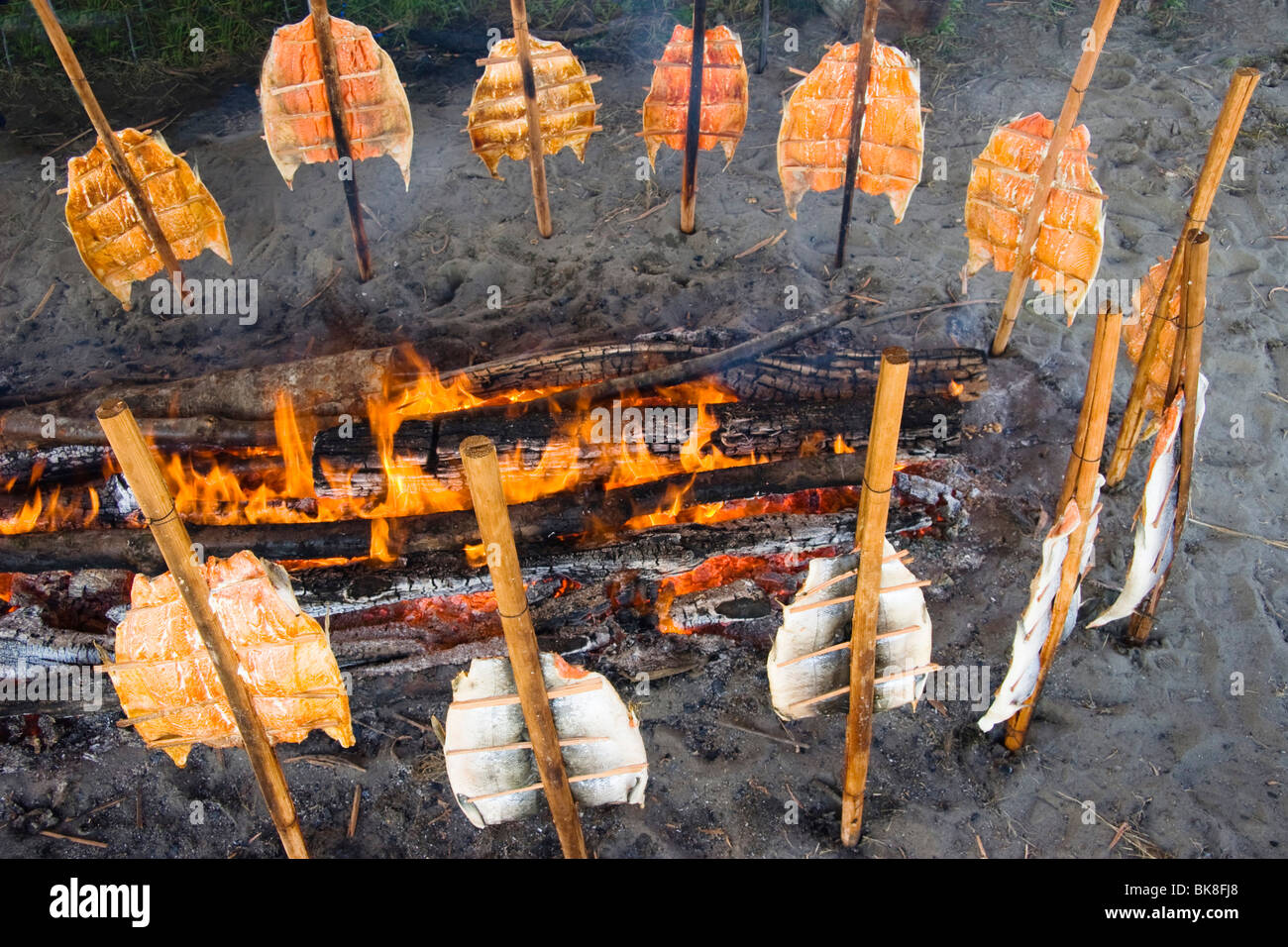
The Pacific Northwest Indigenous nations have always been deeply connected to the ocean and rivers. Salmon is a cornerstone of their diet and culture, honored through elaborate ceremonies, traditional fishing methods, and preservation techniques like smoking.
From the Southwest, foods like mesquite pods, prickly pear cactus, and various types of corn (blue, white, yellow) are prominent. These ingredients are adapted to arid climates and prepared in unique ways, such as mesquite flour for breads and beverages.
What are some traditional Indigenous foods? Beyond the staples, a vast array includes:
- Wild game: Deer, elk, rabbit, duck, turkey.
- Foraged plants: Berries (huckleberries, cranberries), nuts (acorns, pine nuts), roots (camas, wild onions), greens (lamb’s quarters, fiddleheads).
- Fish and seafood: Clams, oysters, cod, trout, mussels.
- Traditional breads: Cornbread, acorn bread, various unleavened flatbreads.
One food that often sparks discussion is fry bread. While widely recognized and enjoyed today, its origins are complex. It emerged from necessity, utilizing government-issued flour, lard, and sugar during periods of forced relocation and limited access to traditional foods.
Despite its challenging history, fry bread has become a significant cultural symbol for many, often served at powwows and community gatherings. It represents adaptation and resilience, though modern efforts often encourage healthier, traditional alternatives.
The movement for food sovereignty is a powerful force across Indian Country today. It emphasizes the right of Indigenous peoples to define their own food systems, control their lands, and revive traditional harvesting, growing, and cooking practices.
This movement involves:
- Establishing community gardens and farms.
- Revitalizing ancestral seed banks.
- Teaching traditional hunting and foraging skills.
- Promoting intergenerational knowledge transfer.
- Developing Indigenous-led food businesses.
Many communities are actively working to restore native ecosystems to support traditional food sources, such as reintroducing bison herds or restoring salmon runs. These efforts not only provide food but also strengthen cultural identity and ecological health.
What is a traditional Native American meal? A traditional meal would typically feature a combination of protein (game or fish), a staple carbohydrate (corn, wild rice, root vegetables), and seasonal wild or cultivated plants. For instance, a meal might include roasted venison, succotash (corn and beans), and wild berry compote.
The health benefits of returning to traditional diets are profound. Ancestral foods are typically nutrient-dense, high in fiber, and low in processed ingredients, offering a natural defense against diet-related illnesses.
By embracing these healthy eating patterns, communities are seeing improvements in physical health, mental well-being, and a renewed connection to their heritage. This holistic approach to wellness is a core tenet of Indigenous philosophies.
Educational initiatives play a crucial role, with tribal colleges, cultural centers, and community programs teaching younger generations about traditional cooking methods, plant identification, and the stories behind their foods.
These efforts are not just about food; they are about language preservation, spiritual revitalization, and strengthening community bonds. Food acts as a powerful vehicle for transmitting culture and history.
From the rich stews of the Northeast to the corn-based dishes of the Southwest, the wild game of the Plains, and the abundant seafood of the coasts, the culinary heritage of Indigenous peoples is a testament to their deep understanding of the land and their enduring cultures.
In conclusion, exploring traditional foods from Indian Reservations reveals a legacy of profound ecological knowledge, resilience, and cultural richness. These foods are not merely historical relics; they are living traditions, vital to the health and identity of Indigenous nations today.
The ongoing efforts in food sovereignty are ensuring that these invaluable culinary traditions continue to thrive, providing nourishment, preserving heritage, and fostering a deeper appreciation for the original stewards of this land.


