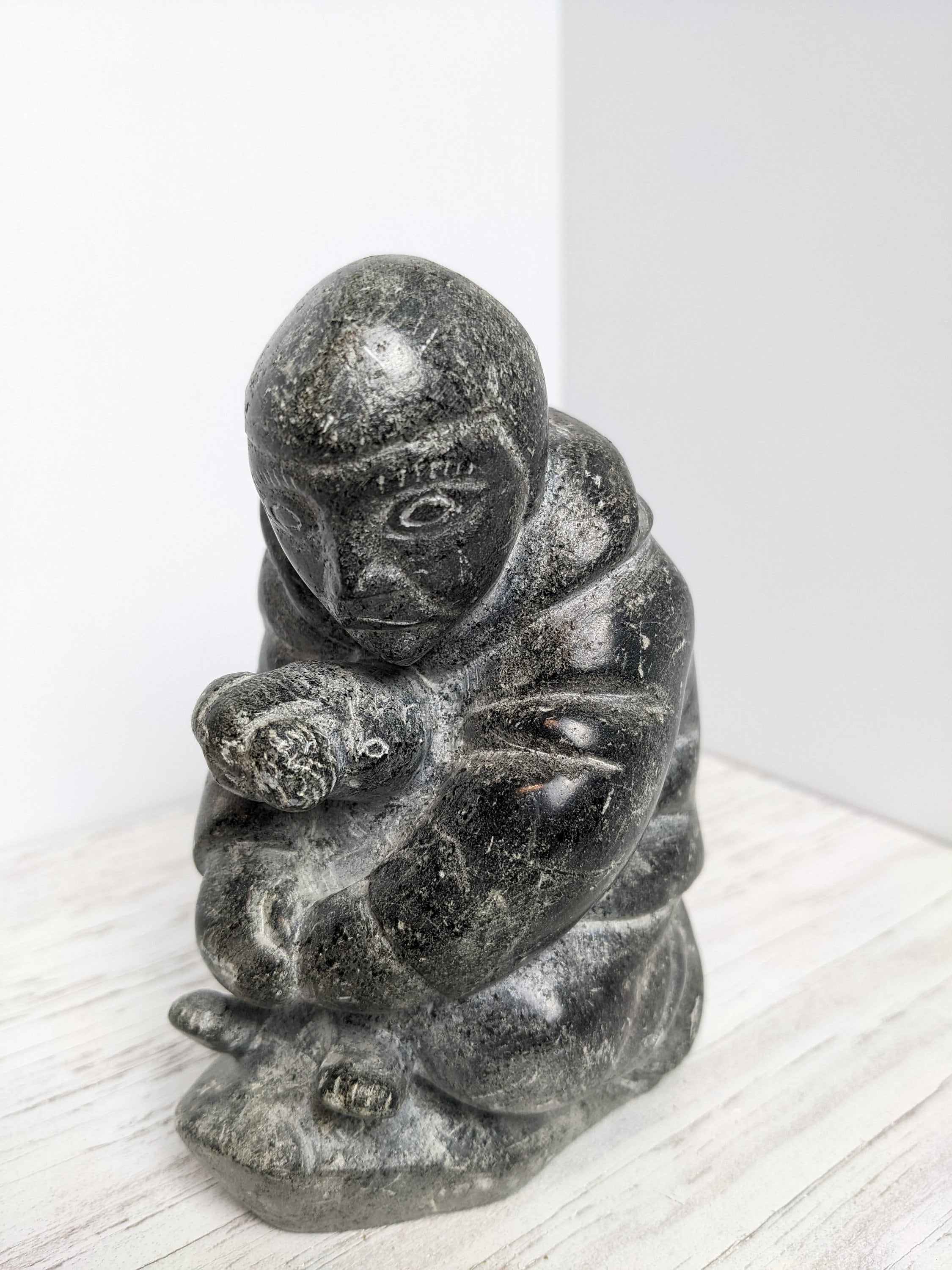

For centuries, the Inuit people of the Arctic have transformed the soft, workable stone known as soapstone into objects of beauty, utility, and profound cultural significance. These traditional Eskimo soapstone carvings are more than just art; they are tangible representations of a way of life, a connection to the land, and a powerful form of storytelling. This article delves into the fascinating world of Inuit soapstone carving, exploring its history, techniques, cultural importance, and the stories these remarkable objects tell.
A Legacy Carved in Stone: The History of Inuit Soapstone Carvings
The history of Inuit soapstone carving stretches back thousands of years, predating European contact. Archaeological evidence suggests that the Inuit, and their ancestors, have been using soapstone for tools, lamps, and containers since the Paleo-Eskimo period. Soapstone’s heat-retention properties made it ideal for oil lamps, crucial for survival in the harsh Arctic climate. Over time, the functional objects evolved into artistic expressions, reflecting the Inuit’s deep connection to their environment and spiritual beliefs.
Before the introduction of metal tools, Inuit carvers used implements made from stone, bone, and antler. The arrival of European traders brought metal tools, which made carving more efficient and allowed for greater detail. This also led to the production of carvings for trade, supplementing traditional subsistence activities.
The Cultural Significance of Soapstone Art
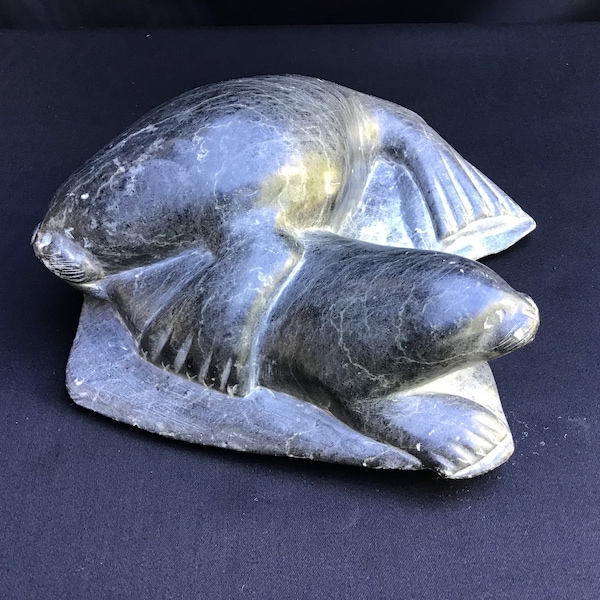
Inuit soapstone carvings are deeply intertwined with the culture and worldview of the Inuit people. They often depict animals, spirits, and scenes from daily life, reflecting the Inuit’s intimate relationship with the natural world. Animals like the polar bear, seal, whale, and caribou are common subjects, representing vital sources of food, clothing, and transportation.

Many carvings also embody spiritual beliefs and legends. Shamans, mythical creatures, and ancestral figures are frequently depicted, serving as reminders of the Inuit’s spiritual heritage. These carvings are not merely decorative; they are powerful symbols that connect the Inuit to their past, their environment, and their spiritual beliefs.
The Art of Transformation: Soapstone Carving Techniques
- Selecting the Stone: The first step is to find a suitable piece of soapstone. Inuit carvers traditionally source their stone from local quarries, often traveling long distances to access the best deposits. The stone’s color, texture, and size will influence the final carving.
- Shaping the Stone: Using a variety of tools, the carver begins to shape the stone, gradually revealing the desired form. Modern carvers often use power tools for the initial shaping, but hand tools are still essential for fine detailing.
- Detailing and Smoothing: Once the basic shape is established, the carver refines the details, adding intricate features and textures. This stage requires a steady hand and a keen eye for detail. The surface is then smoothed using abrasives, such as sandpaper or files.
- Polishing and Finishing: The final step is to polish the carving to bring out the stone’s natural luster. This can be done with wax or oil, which also helps to protect the stone.
Common Themes and Motifs in Inuit Carvings
- Animals: As mentioned earlier, animals play a central role in Inuit carvings. The polar bear, in particular, is a powerful symbol of strength and resilience. Other common animals include seals, whales, caribou, and birds.
- Hunters: Carvings often depict hunters engaged in traditional activities, such as hunting seals or fishing. These scenes celebrate the Inuit’s skills and resourcefulness.
- Family Life: Carvings of families are also common, reflecting the importance of kinship and community in Inuit culture. These carvings often depict mothers with children, or families engaged in everyday activities.
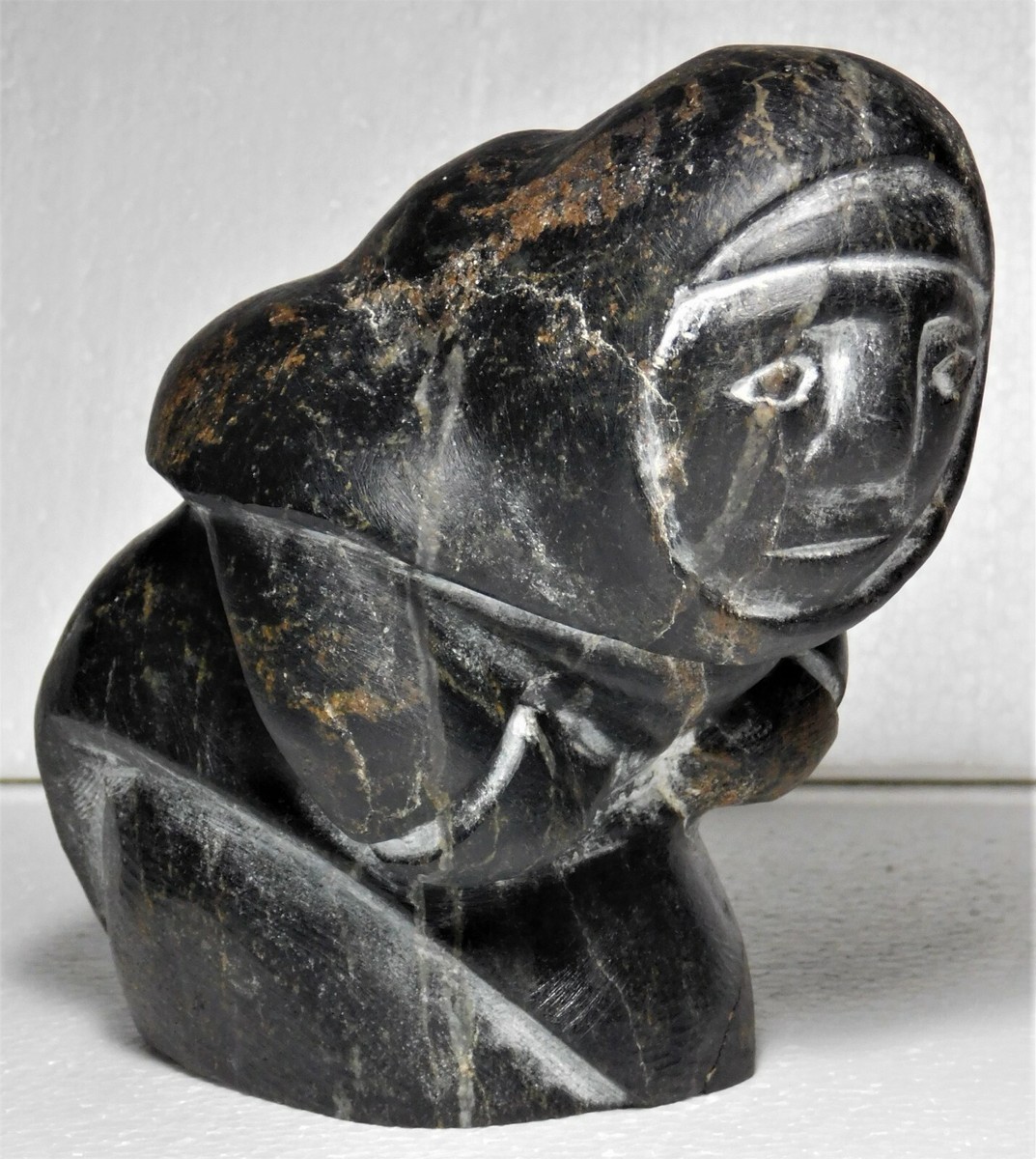
- Spiritual Figures: Shamans, spirits, and mythical creatures are frequently depicted in Inuit carvings, representing the Inuit’s spiritual beliefs and connection to the spirit world.
The Evolution of Inuit Art: From Tradition to Contemporary Expression
While traditional themes and techniques remain important, Inuit soapstone carving has also evolved over time. Contemporary Inuit artists are exploring new forms of expression, incorporating modern themes and materials into their work. Some artists are experimenting with abstract forms, while others are using soapstone to create political or social commentary.
This evolution reflects the changing realities of Inuit life. As the Inuit adapt to a modern world, their art continues to evolve, reflecting their experiences and perspectives. However, the connection to tradition and the land remains a central element of Inuit art.
Collecting and Appreciating Inuit Soapstone Carvings

- Authenticity: Ensure that the carving is genuine Inuit art, created by an Inuit artist. Look for markings or documentation that verify the artist’s identity and origin.
- Quality: Examine the carving for craftsmanship and attention to detail. Look for clean lines, smooth surfaces, and well-defined features.
- Subject Matter: Choose carvings that resonate with you personally. Consider the themes, motifs, and stories that the carving represents.
- Provenance: If possible, learn about the carving’s history and origin. This can add to its value and significance.
By collecting and appreciating Inuit soapstone carvings, you are not only acquiring a beautiful work of art, but also supporting Inuit artists and preserving their cultural heritage.
The Enduring Legacy of Inuit Art
Inuit soapstone carvings are a testament to the resilience, creativity, and cultural richness of the Inuit people. These remarkable objects tell stories of survival, adaptation, and a deep connection to the land. As the Inuit continue to navigate a changing world, their art will undoubtedly continue to evolve, reflecting their experiences and perspectives.
By understanding and appreciating Inuit soapstone carvings, we can gain a deeper understanding of Inuit culture and the challenges and triumphs of life in the Arctic. These carvings are not just objects; they are windows into a world of ancient traditions, enduring values, and remarkable artistic expression.
Frequently Asked Questions (People Also Ask)
What is soapstone and why is it used for carving?
Soapstone, also known as steatite, is a metamorphic rock composed primarily of talc. Its softness and workability make it ideal for carving. It also retains heat well, which was important for making lamps and cooking pots.
How can I tell if a soapstone carving is authentic Inuit art?
Look for markings or documentation that identify the artist and their community. Authentic Inuit art is often sold with a certificate of authenticity. Purchase from reputable dealers or galleries that specialize in Inuit art.
What are some common subjects depicted in Inuit soapstone carvings?
Common subjects include animals (polar bears, seals, whales, caribou), hunters, family scenes, and spiritual figures like shamans and mythical creatures.
How should I care for my soapstone carving?
Soapstone carvings are relatively easy to care for. Dust them regularly with a soft cloth. You can also apply a small amount of mineral oil or beeswax to enhance the stone’s luster and protect it from drying out.
Where can I buy authentic Inuit soapstone carvings?
You can purchase authentic Inuit soapstone carvings from reputable galleries, museums, and online retailers that specialize in Inuit art. Ensure that the seller provides documentation of authenticity.
The Future of Soapstone Carving
The art of soapstone carving continues to be a vital part of Inuit culture. It provides a means of cultural expression, economic opportunity, and a connection to ancestral traditions. As younger generations of Inuit artists embrace both traditional techniques and contemporary styles, the future of soapstone carving looks bright. The art form will continue to evolve, reflecting the changing realities of Inuit life while honoring the enduring values and stories etched in stone.
Conclusion: A Timeless Art Form
Traditional Eskimo soapstone carvings are more than just beautiful objects; they are a powerful form of storytelling, a connection to the land, and a testament to the resilience and creativity of the Inuit people. By understanding the history, techniques, and cultural significance of these carvings, we can gain a deeper appreciation for this timeless art form and the rich heritage it represents. Whether you are a seasoned collector or simply curious about Inuit culture, exploring the world of soapstone carvings is a rewarding journey into the heart of the Arctic.


