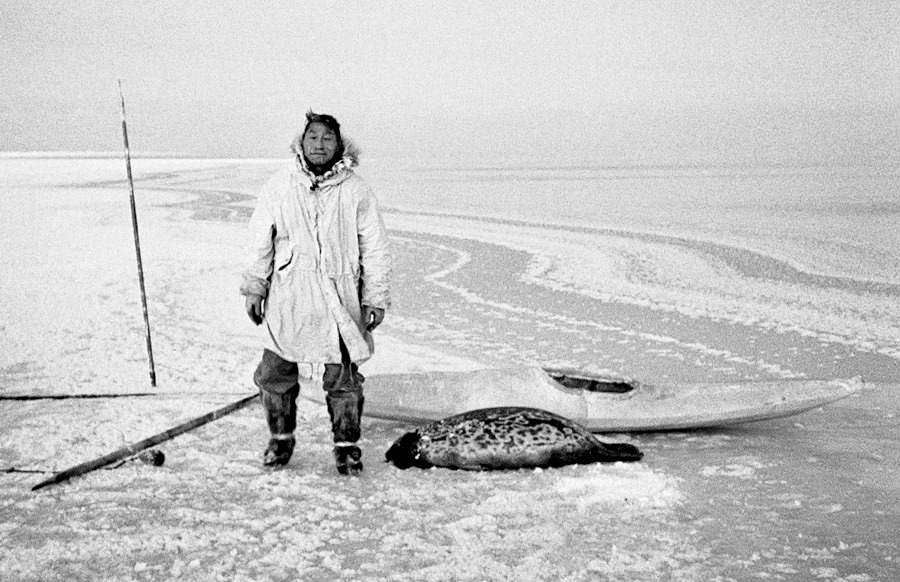
For millennia, the vast, icy expanse of the Arctic has been home to resilient indigenous peoples, often referred to as Eskimo, though many prefer the term Inuit. Central to their survival, culture, and identity has been the practice of seal hunting. Far from a mere act of sustenance, traditional seal hunting represents a profound relationship with nature, a complex system of knowledge, and the very foundation upon which Arctic civilizations were built.
This comprehensive article will delve into the intricate world of traditional Inuit seal hunting, exploring its historical roots, ingenious methods, the holistic utilization of every part of the animal, and its enduring significance in the modern era. Understanding this practice requires looking beyond common misconceptions and appreciating its vital role from an indigenous perspective.
The Arctic environment, with its extreme cold and limited vegetation, presents unique challenges for human habitation. In such a landscape, marine mammals, particularly seals, became an indispensable resource. Seals provided not just food, but also materials for clothing, shelter, tools, and fuel, making them the literal lifeline for communities living at the edge of the habitable world.
The legacy of seal hunting among Arctic peoples stretches back thousands of years. Archaeological evidence points to sophisticated hunting techniques and tools dating back to ancient times, demonstrating a deep, inherited understanding of seal behavior, migration patterns, and the Arctic ecosystem. This practice is not merely a tradition; it’s a testament to human adaptability and ingenuity.
While the term ‘Eskimo’ is widely recognized, it’s important to note that many indigenous groups in the Arctic, particularly in Canada and Greenland, prefer to be called ‘Inuit,’ meaning ‘the people’ in their language. In Alaska, terms like ‘Yup’ik’ and ‘Inupiat’ are also used. This article will use ‘Inuit’ where appropriate to reflect the preference of many of these communities, while ‘Eskimo’ may be used in historical or broader contexts.
At its heart, traditional Inuit seal hunting is characterized by an unparalleled respect for the animal and the environment. It is a practice guided by generations of accumulated knowledge, keen observation, and a profound spiritual connection to the land and sea. Hunters meticulously studied the habits of seals, the nuances of ice formation, and the unpredictable Arctic weather.
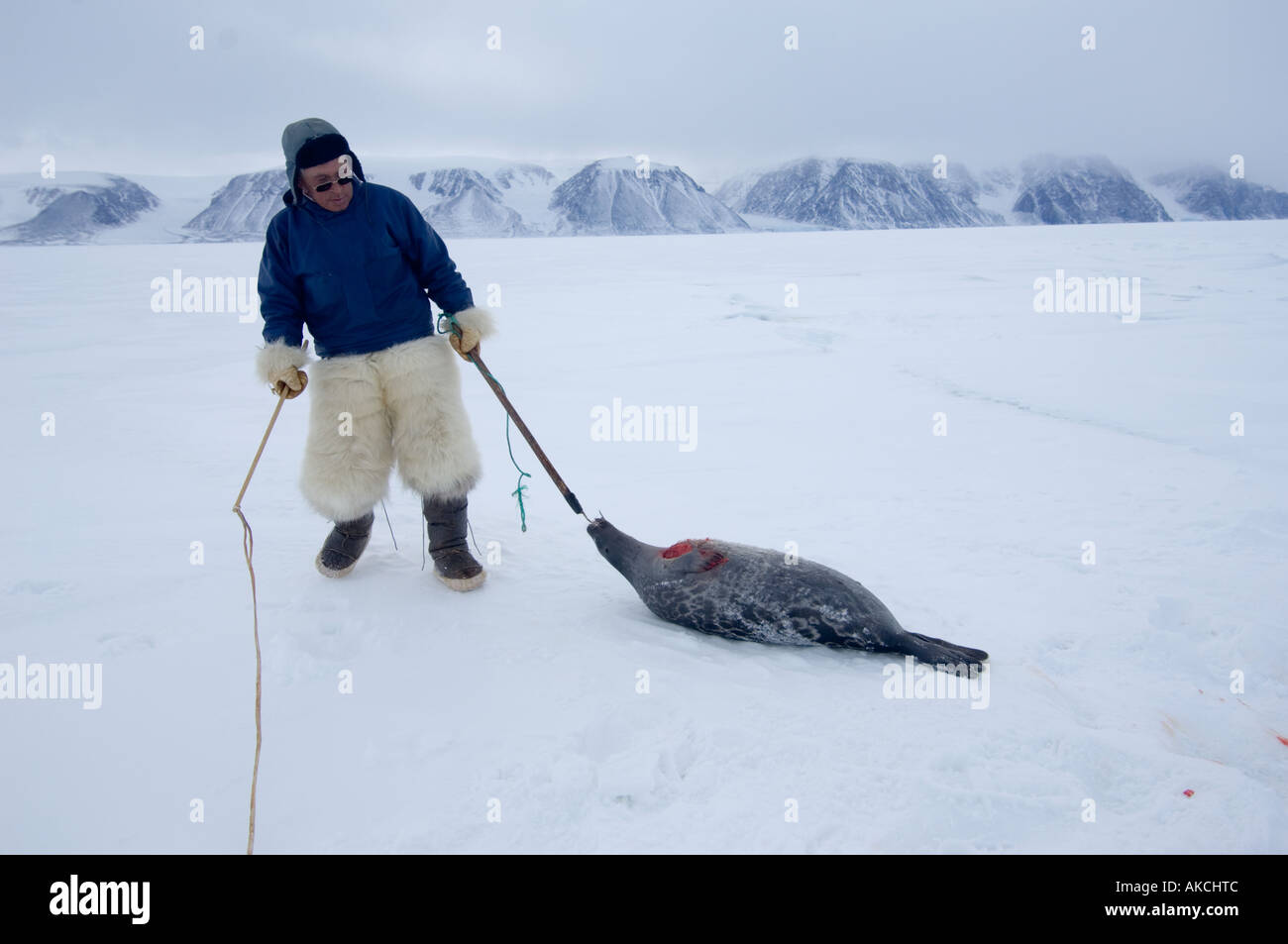
One of the most iconic and challenging traditional hunting methods is the maauliqtuq, or breathing hole hunt. During the long, dark winter, seals create and maintain breathing holes in the sea ice. A skilled hunter would use a specialized probe to locate these often-hidden holes, then wait, sometimes for hours in extreme cold, for a seal to surface.
The patience required for a breathing hole hunt is legendary. Hunters would stand motionless, sometimes for an entire day, until a seal’s breath was detected. With incredible speed and precision, a unaaq (harpoon) would be thrust into the water, aiming to secure the animal before it could retreat.
In the warmer months, when the ice broke up, seals were hunted from qajaq (kayaks) or larger umiaq (open skin boats). Hunters would paddle silently, approaching seals basking on ice floes or swimming in the open water. The toggling harpoon, designed to detach from its shaft and connect to a float, was crucial for tiring out and retrieving a harpooned seal.
Net hunting was another effective technique, particularly for ringed seals. Nets woven from baleen, sinew, or later, modern materials, would be strategically placed under the ice near known seal routes or in open water. This method often involved community cooperation, with multiple hunters assisting in setting and checking the nets.
Hunting dogs, known as qimmiq, played a vital role in traditional hunting. Their keen sense of smell allowed them to locate seal breathing holes even under deep snow, significantly aiding hunters in their winter pursuits. Beyond hunting, these dogs were indispensable for transportation, pulling sleds laden with game and gear.
The tools developed by Inuit hunters were marvels of engineering, perfectly adapted to the environment and available materials.
- Harpoons: Varied in design for different hunting scenarios, featuring detachable heads and floats for retrieval.
- Lances: Used for dispatching larger seals or for self-defense.
- Ice Chisels: Essential for maintaining breathing holes or creating new ones.
- Snow Knives: For building igloos and processing game.
These tools were crafted from bone, antler, ivory, stone, and driftwood, showcasing incredible resourcefulness.
A fundamental principle of traditional Inuit culture is that nothing goes to waste. Every part of the hunted seal was utilized, reflecting a deep respect for the animal’s sacrifice and the harsh realities of Arctic life. This holistic approach ensured maximum benefit from each harvest.
The seal was, and remains, a primary food source. Seal meat is incredibly rich in protein, iron, and other essential nutrients, crucial for maintaining health in a diet with limited access to vegetables and fruits. The blubber provides vital fats and energy, including high levels of Omega-3 fatty acids, which are important for cardiovascular health and brain function.
Muktuk, the skin and blubber of whales and seals, is a highly prized delicacy, consumed raw. It is an excellent source of Vitamin C, preventing scurvy in a region where fresh produce is scarce. The consumption of raw meat and organs also ensures a full spectrum of vitamins and minerals.
Seal skins were meticulously processed to create incredibly warm, durable, and waterproof clothing. Parkas, trousers, mittens, and kamiks (boots) made from seal skin were essential for protection against the Arctic’s extreme cold and wind. The fur provided insulation, while the treated hide offered resistance to moisture.
Beyond clothing, seal skins were used to cover umiaq and qajaq, providing lightweight yet sturdy vessels. They also served as coverings for temporary shelters and storage bags. The gut of the seal was cleaned and inflated or sewn to create waterproof containers, windowpanes for dwellings, or even lightweight rain gear.
The bones and ivory from seals were fashioned into a myriad of tools, needles, spear points, and even intricate carvings, demonstrating both practical utility and artistic expression. Seal oil, rendered from the blubber, was a critical fuel source for qulliq (stone lamps), providing light and heat in homes during the long Arctic nights.
Contrary to popular belief, traditional Inuit hunting practices were inherently sustainable. Hunters understood the delicate balance of their ecosystem and practiced a form of self-regulation long before modern conservation efforts. Over-hunting would jeopardize their own survival, so practices were guided by an ethic of taking only what was needed and showing respect for the animals.
Traditional knowledge, known as Inuit Qaujimajatuqangit, includes generations of wisdom regarding animal populations, seasonal cycles, and responsible harvesting. This deep understanding of the environment ensured that seal populations remained healthy and viable, sustaining communities for thousands of years.
While the core values and knowledge persist, modern tools have inevitably influenced hunting practices. Rifles have largely replaced harpoons for dispatching seals, offering greater efficiency and safety. Snowmobiles and motorboats have made travel across vast distances faster, allowing hunters to access more remote areas and bring back larger harvests.
Despite these technological advancements, the essence of the hunt – the skill, the knowledge of the land, the respect for the animal, and the sharing of the harvest – remains unchanged. Modern Inuit hunters continue to pass down traditional skills and ethical considerations to younger generations, ensuring the continuity of their cultural heritage.
Traditional seal hunting has often been misunderstood and targeted by animal rights groups, leading to significant controversy. It is crucial to distinguish between small-scale, indigenous subsistence hunting, which is vital for food security and cultural preservation, and large-scale commercial sealing operations, which have different motives and impacts.
For Inuit communities, seal hunting is not a sport or a luxury; it is a necessity. Imported food in the Arctic is prohibitively expensive and often lacks the nutritional value of traditional country food. Banning or restricting indigenous hunting directly threatens the food security, health, and cultural identity of Arctic peoples.
Beyond sustenance, seal hunting reinforces social bonds and intergenerational knowledge transfer. Young people learn from elders, not just about hunting techniques, but also about patience, resilience, respect, and community responsibility. The sharing of the harvest is a fundamental aspect of Inuit social structure, strengthening community ties.
The right of indigenous peoples to practice their traditional livelihoods, including hunting, is recognized under international law. Supporting traditional Inuit seal hunting means upholding indigenous rights, promoting cultural diversity, and acknowledging sustainable practices that have stood the test of time.
In conclusion, traditional Eskimo (Inuit) seal hunting is far more than a simple act of survival; it is a complex, deeply ingrained cultural practice that has shaped the identity, resilience, and ingenuity of Arctic peoples for millennia. It embodies a profound connection to the environment, a sophisticated body of traditional knowledge, and a sustainable approach to resource management.
From ingenious hunting methods and tools to the holistic utilization of every part of the animal, seals have provided the essential building blocks for life in the unforgiving Arctic. Understanding and respecting this vital heritage is crucial for appreciating the rich tapestry of human cultures and supporting the continued well-being of indigenous communities in the North.
As the world grapples with climate change and global food security, the lessons embedded in traditional Inuit seal hunting – of sustainability, resourcefulness, and living in harmony with nature – offer valuable insights. Protecting these practices is not just about preserving a tradition; it’s about safeguarding a living culture and a sustainable way of life.


