Echoes of the Earth: How Indigenous Ecological Knowledge Illuminates a Path Forward
In a world grappling with unprecedented environmental crises – from escalating climate change and biodiversity loss to the relentless depletion of natural resources – humanity finds itself at a critical crossroads. While scientific innovation offers crucial tools, a growing chorus of voices points to an ancient, deeply rooted wisdom as an indispensable guide: Traditional Ecological Knowledge (TEK). For millennia, Indigenous peoples across the globe have cultivated sophisticated systems of understanding and interacting with their environments, knowledge born from intimate observation, intergenerational transmission, and a profound spiritual connection to the land. This vast, often overlooked reservoir of wisdom, deeply interwoven with Indigenous history and resilience, is now being recognized not just as a cultural artifact, but as a vital blueprint for a sustainable future.
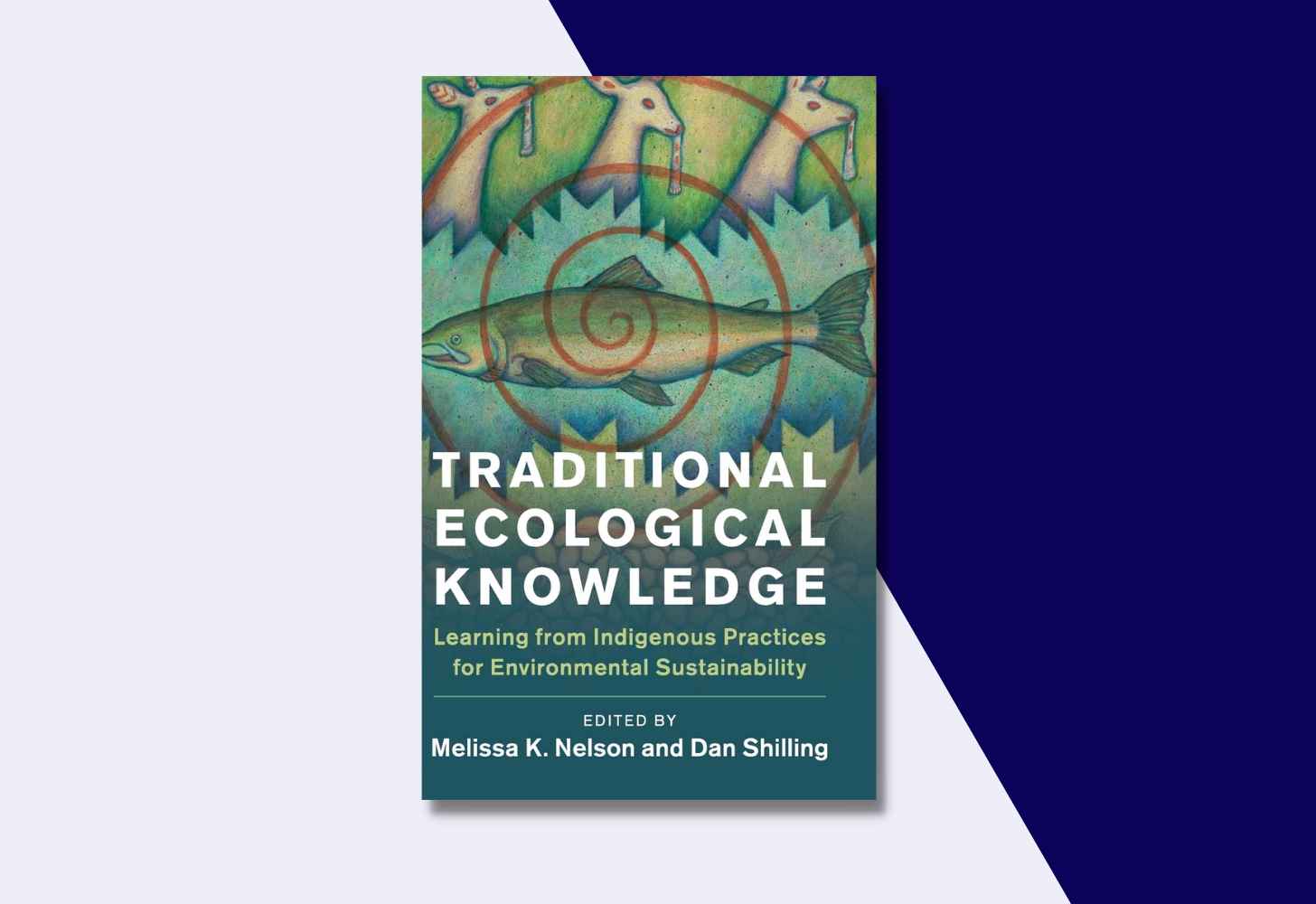
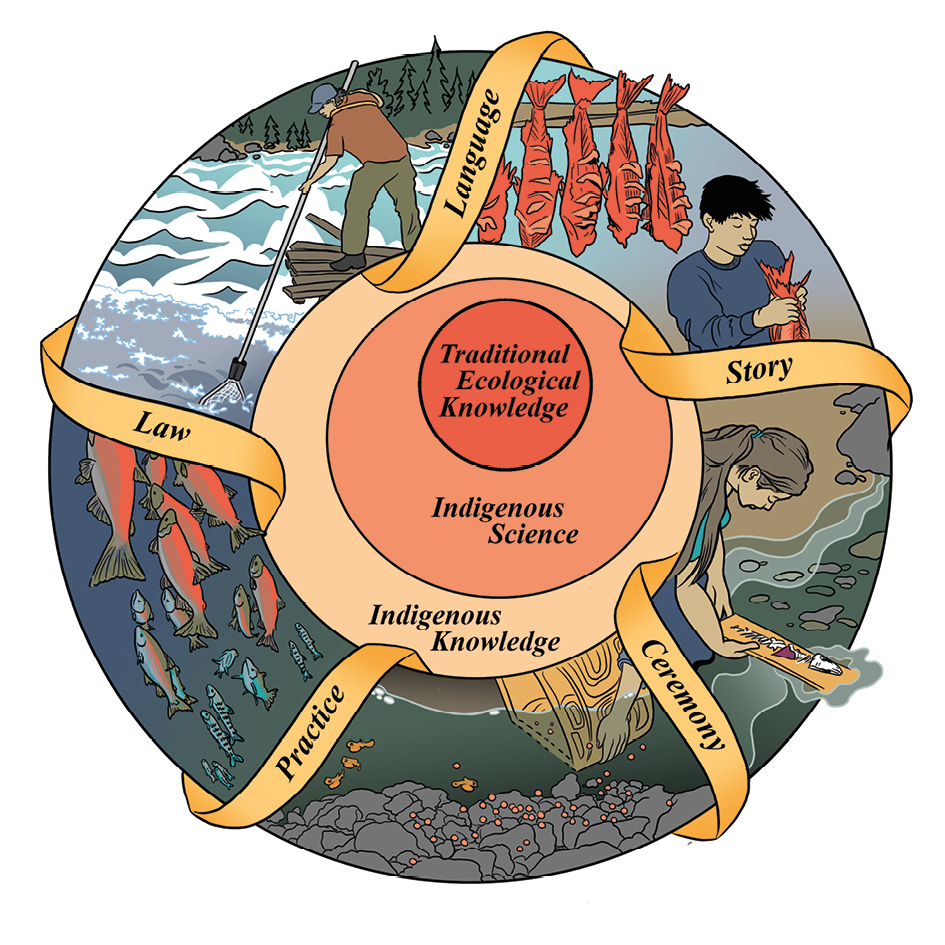
Traditional Ecological Knowledge is far more than a collection of facts about plants and animals. It is a holistic worldview, a living body of practices, beliefs, and understandings concerning the relationship of living beings with their environment. Unlike Western scientific paradigms that often isolate and categorize, TEK emphasizes interconnectedness, reciprocity, and a cyclical understanding of time and natural processes. It encompasses a spectrum of knowledge, from intricate weather patterns and migration routes to sustainable harvesting techniques, fire management strategies, and the medicinal properties of local flora. This knowledge is dynamic, constantly adapting to environmental changes, and is primarily transmitted orally through stories, ceremonies, songs, and direct mentorship from elders to youth.
The history of Indigenous peoples is, in essence, a history of living in harmony with the land. Before the advent of colonialism, Indigenous societies were often the primary stewards of their territories, managing vast ecosystems with practices that ensured long-term sustainability. The Anishinaabe concept of "Mino-Bimaadiziwin," or "the good life," exemplifies a philosophy of living in balance and respect with all of creation. In the Pacific Northwest, Indigenous nations developed complex social and ecological systems around salmon, managing fisheries through sophisticated weir designs, selective harvesting, and habitat protection that sustained populations for thousands of years. In Australia, Aboriginal peoples mastered "cultural burning," a practice of small, cool fires that reduced fuel loads, promoted biodiversity, and prevented catastrophic wildfires, a stark contrast to the destructive blazes seen in recent decades due to the suppression of these traditional practices.
However, this profound connection to the land and its knowledge was brutally severed by the tide of colonization. European expansion brought with it not just new diseases and technologies, but a fundamentally different worldview – one that often viewed nature as a resource to be exploited and Indigenous peoples as "primitive" or "savage." Land was seized, treaties broken, and Indigenous languages, cultures, and spiritual practices were systematically suppressed. Children were forcibly removed from their families and placed in residential schools, where their ancestral languages and knowledge were forbidden, leading to profound intergenerational trauma and a devastating loss of cultural transmission.
The consequences of this historical disenfranchisement are still felt today. The forced removal of Indigenous peoples from their ancestral lands disrupted millennia-old management practices, leading to ecological degradation in many areas. For instance, the suppression of Indigenous fire management in regions like California and the American Southwest has contributed directly to the intensity and frequency of modern wildfires. As Robin Wall Kimmerer, a botanist and member of the Citizen Potawatomi Nation, eloquently states in her book "Braiding Sweetgrass," "Restoration is not just about bringing back the plants, but also about bringing back the people, the culture, and the knowledge."
Despite centuries of oppression, Indigenous Ecological Knowledge has persisted, often underground, safeguarded by resilient elders and communities. Today, there’s a powerful resurgence of interest and a growing movement to revitalize and integrate TEK into contemporary conservation and resource management. This renewed focus is driven by the undeniable success of Indigenous-led conservation efforts and the recognition that Indigenous peoples, who constitute less than 5% of the world’s population, protect an astounding 80% of the world’s biodiversity.
One compelling example of TEK’s modern relevance lies in climate change adaptation. The Gwich’in people of Alaska and Canada, for instance, have lived in the Arctic for millennia. Their deep knowledge of caribou migration patterns, ice conditions, and permafrost dynamics provides invaluable insights into the impacts of a rapidly warming Arctic. Their advocacy for the protection of the Arctic National Wildlife Refuge (ANWR), particularly the Porcupine Caribou calving grounds, is not just about animal welfare; it’s about preserving a vital food source and a cultural keystone, informed by thousands of years of observation.
The integration of TEK with Western science is not without its challenges. It requires a fundamental shift in perspective, moving away from the historical dismissiveness of Indigenous knowledge towards genuine respect, collaboration, and co-creation. Dr. Daniel Wildcat, a Yuchi member and professor, emphasizes the need for a "Two-Eyed Seeing" approach, as coined by Mi’kmaw Elder Albert Marshall, which means learning to see from one eye with the strengths of Indigenous knowledges and ways of knowing, and from the other eye with the strengths of Western knowledges and ways of knowing, and to use both eyes for the benefit of all.
This collaboration is yielding tangible results. In many parts of the world, Indigenous Guardians programs are empowering communities to manage and monitor their traditional territories, combining traditional knowledge with modern scientific tools like GPS and drones. In Canada, First Nations are leading initiatives to restore salmon habitats, drawing on their ancestral knowledge of river ecosystems and the life cycles of these crucial fish. These programs not only restore ecological balance but also foster cultural revitalization and economic self-determination.
However, it is crucial that the engagement with TEK is ethical and led by Indigenous communities themselves. There is a fine line between appreciation and appropriation. True collaboration means respecting Indigenous intellectual property rights, ensuring free, prior, and informed consent, and recognizing Indigenous sovereignty over their knowledge and territories. It means supporting Indigenous languages, which are often the very vessels of TEK, and investing in Indigenous-led education and research initiatives.
In conclusion, Traditional Ecological Knowledge, forged over countless generations and resiliently preserved through a history of immense challenge, offers an irreplaceable roadmap for navigating the complexities of the 21st century. It is a testament to the enduring wisdom of Indigenous peoples and their profound understanding that humanity is not separate from nature, but an intrinsic part of it. As we confront the profound environmental challenges of our time, embracing and integrating TEK is not merely an act of justice or cultural appreciation; it is a pragmatic necessity. By listening to the echoes of the Earth, as heard through the voices of Indigenous elders and knowledge keepers, we can begin to mend our fractured relationship with the planet and chart a course towards a truly sustainable and harmonious future for all.