The Soft Whisper of the Wild: Unraveling the Ancient Art of Traditional Deer Hide Clothing and Processing
In an era dominated by synthetic fibers and mass-produced apparel, there remains a deep-seated allure in clothing born directly from the natural world. Among these, garments crafted from traditional deer hide, often referred to as buckskin, stand as a testament to human ingenuity, resilience, and an enduring connection to the land. More than just clothing, buckskin represents a sophisticated textile technology developed over millennia, embodying a deep respect for the animal and a profound understanding of natural processes. It is a material that whispers tales of ancestral wisdom, survival, and a way of life intrinsically woven with the rhythm of the wild.
For countless generations across diverse cultures, from the Indigenous peoples of North America to hunter-gatherer communities in Europe and Asia, deer hide was an indispensable resource. It provided warmth, protection, and stealth, essential for navigating challenging environments and securing sustenance. Far from being a crude or simple material, buckskin, when properly processed, is surprisingly soft, breathable, durable, and remarkably quiet – an invaluable asset for hunters. Its unique qualities made it ideal for everything from moccasins and leggings to shirts, dresses, and sturdy pouches.
The journey from a raw deer hide to a supple, wearable garment is a laborious ballet of skill, patience, and intimate knowledge, a process often passed down through oral tradition and hands-on apprenticeship. It is a craft that begins not in a factory, but with the hunter’s respect for the animal and an understanding of its gift.
The Initial Transformation: From Hide to Raw Material
The first critical step, once the deer has been harvested, is careful skinning. The hide must be removed cleanly, minimizing cuts or holes. Once separated, it’s crucial to prevent spoilage, especially in warmer climates. This often involves salting the hide heavily and rolling it, or stretching it flat to dry in the shade, allowing air circulation. This initial preservation merely holds the hide in a stable state until the true tanning process can begin.

The tanning process itself is a multi-stage affair designed to transform the collagen protein fibers in the hide into a stable, rot-resistant, and flexible material. Without tanning, a raw hide would either stiffen into an unworkable board when dry or putrefy when wet. Traditional methods primarily fall into two categories: bark tanning (vegetable tanning) and brain tanning (also known as "laundry tanning" or "smoke tanning" due to its final stages). While bark tanning typically yields a firmer, more structured leather, brain tanning is renowned for producing the exceptionally soft, supple buckskin ideal for clothing.
The Laborious Ballet of Brain Tanning
Brain tanning is arguably the most iconic and historically widespread method for creating soft buckskin. It’s a testament to ancestral resourcefulness, utilizing every part of the animal. "Why brains?" one might ask. The answer lies in their unique chemical composition. Animal brains are rich in lecithin and other emulsifying oils that, when worked into the hide, effectively lubricate and separate the collagen fibers, preventing them from bonding tightly and becoming stiff upon drying. This process is a marvel of natural chemistry.
The steps involved in brain tanning are intensive and require considerable physical effort:
-
Fleshing: Once the hide is rehydrated (if it was dried) and softened, the first major task is fleshing. This involves meticulously scraping off all residual flesh, fat, and membrane from the underside of the hide. Tools for this range from sharpened stones and bone scrapers in ancient times to modern specialized fleshing knives or even a sharpened shovel head on a beam. This step is crucial for allowing the tanning agents to penetrate evenly and for preventing future rot. "Every part of the animal was used, and the brains were a gift, perfectly proportioned for the hide they came from," notes one contemporary buckskin artisan, highlighting the efficiency of nature.
-
Dehairing/Graining: Next, the hair side of the hide must be processed. This can be done in several ways:
- Bucking: Soaking the hide in an alkaline solution, traditionally made from wood ashes (lye) and water, which loosens the hair follicles.
- Sweating/Rotting: Allowing the hide to slightly decompose in a damp, warm environment. Bacteria break down the hair follicles, making the hair easy to scrape off. This method requires careful timing to avoid damaging the hide itself.
- Scraping: Physically scraping the hair off with a duller tool, often after a period of soaking.
Regardless of the method, the goal is to remove the hair and the epidermis (outer skin layer), exposing the dermis – the layer that will become the buckskin. The hide at this stage is often called "rawhide" and is white or pale.
-
Brain Application: The prepared brain (often mashed with a little water to form a slurry) is thoroughly massaged into both sides of the hide. The hide is then rolled up and left to "set" for several hours or overnight, allowing the oils to penetrate deeply into the fibers.
-
Wringing and Washing: After the brain solution has permeated, the hide is vigorously wrung out to remove excess moisture and brain matter. This is often done by twisting the hide, sometimes with the aid of a stick, until significant amounts of liquid are expelled. Following this, the hide is washed thoroughly in clean water, often by repeatedly submerging and wringing it, to remove any remaining brain residue and dirt.
-
Breaking/Softening: This is arguably the most physically demanding and critical step for achieving that signature buckskin softness. While the hide is still damp, it must be continuously stretched, pulled, and worked as it dries. This prevents the collagen fibers from rebonding into a stiff mass. Artisans will pull the hide over a taut rope, stretch it between posts, or work it by hand, constantly manipulating and flexing it until it is completely dry and soft. This process can take many hours and is where the "feel" of the buckskin is truly born. "It’s a conversation with the hide," explains a practitioner. "You’re coaxing it, persuading it to open up and become soft. It’s pure muscle memory."
-
Smoking: The final, transformative step for traditional buckskin is smoking. The hide, now soft and white, is suspended over a smoldering, low-heat fire, usually of punk wood or rotten wood that produces a lot of smoke but little flame. The smoke permeates the buckskin, turning it a characteristic golden brown or tawny color. More importantly, the creosotes and other compounds in the smoke chemically alter the fibers, making the buckskin highly resistant to stiffening if it gets wet again. Without smoking, a brain-tanned hide, if thoroughly soaked, would eventually revert to its stiff, rawhide-like state. Smoking also adds a distinctive, earthy aroma and helps deter insects.
From Buckskin to Garment: Function and Aesthetics
Once the buckskin is fully processed – soft, supple, and smoked – it is ready to be transformed into clothing. The inherent qualities of the material made it highly prized:
- Breathability: Buckskin allows air circulation, making it comfortable in a range of temperatures.
- Warmth: The dense fibers provide excellent insulation.
- Durability: Properly tanned buckskin is incredibly tough and long-lasting, capable of withstanding years of wear and tear. Ötzi the Iceman, a natural mummy from 3300 BCE, was found wearing buckskin leggings and a coat, a testament to its ancient efficacy.
- Quietness: Unlike many modern fabrics, buckskin moves silently, a crucial advantage for hunters.
- Aesthetics: The natural variations in hide thickness and the beautiful, earthy tones imparted by smoke tanning give each piece a unique character.
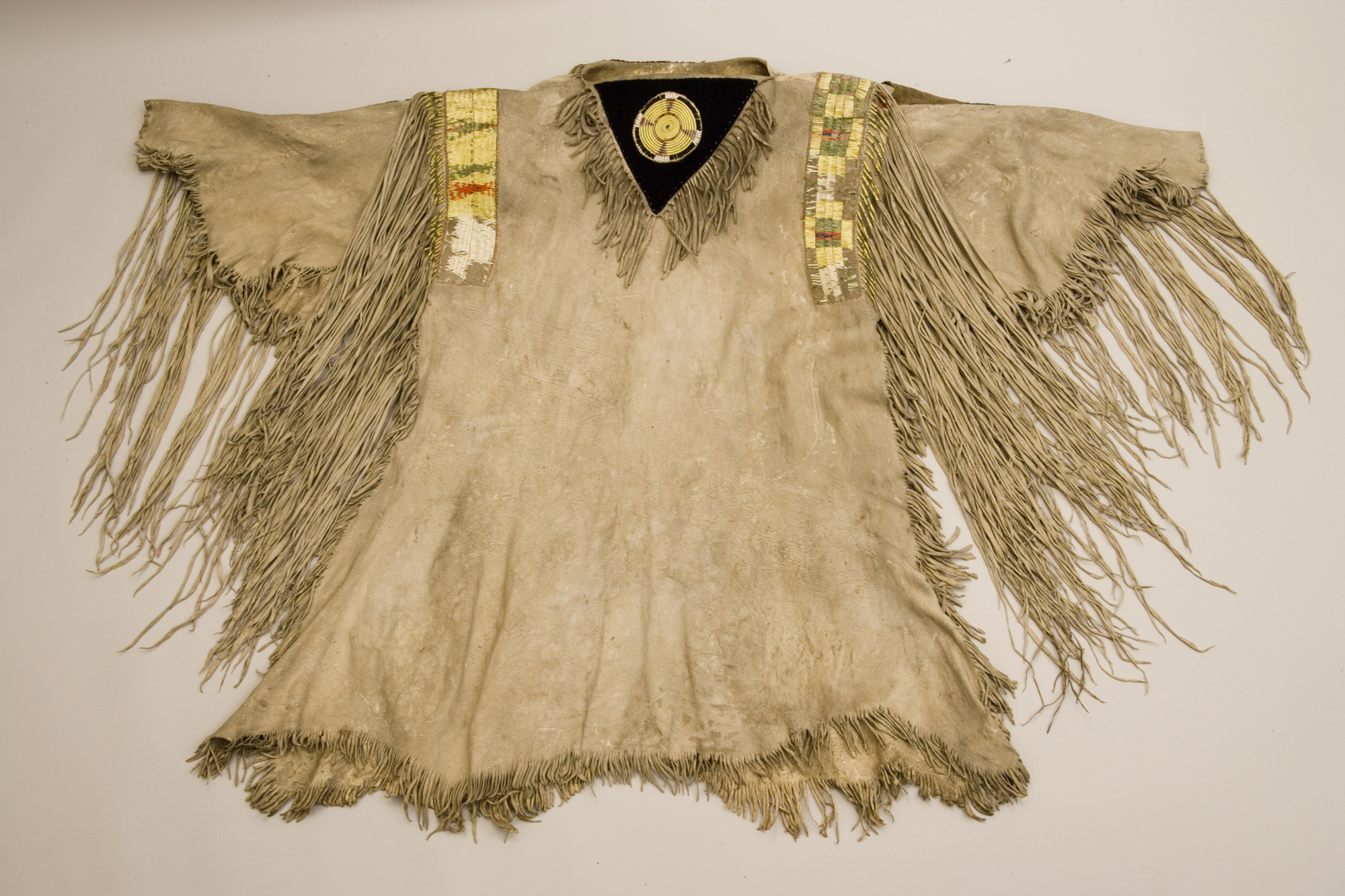
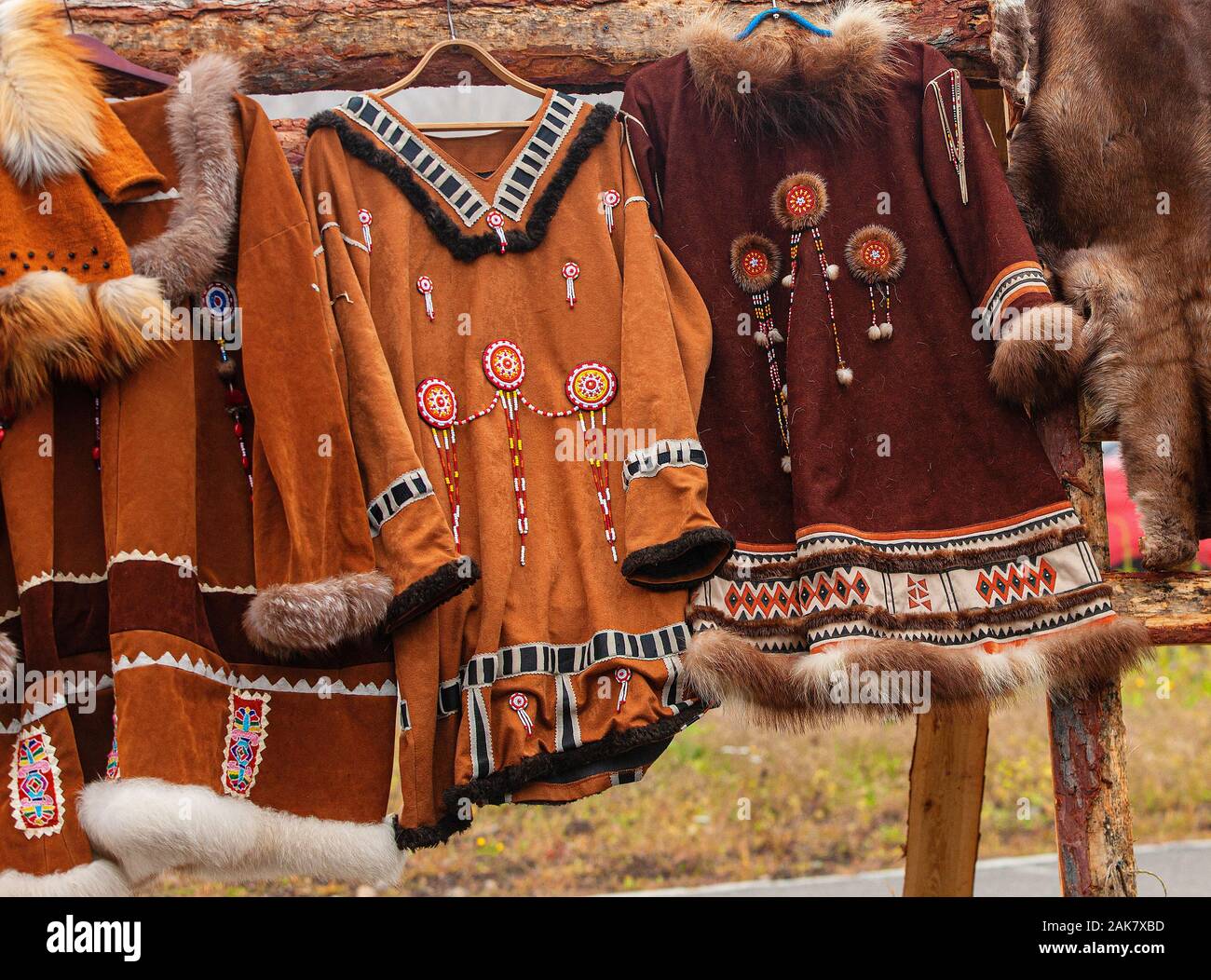
Garments like moccasins offered quiet foot protection and excellent ground feel. Leggings and breeches provided warmth and defense against thorns and brush. Shirts and dresses, often adorned with fringe, quills, beads, or paint, were not only practical but also served as powerful expressions of cultural identity, status, and spiritual connection. The fringe on buckskin garments, for instance, was not merely decorative; it helped shed water and could also be used to repair damaged areas.
The Enduring Legacy and Modern Revival
With the advent of industrialization and the widespread availability of factory-made textiles, the intricate art of traditional buckskin processing began to wane in many communities. However, the last few decades have seen a significant resurgence of interest in this ancient craft. Contemporary artisans, cultural preservationists, and outdoor enthusiasts are dedicating themselves to learning and teaching these ancestral skills.
This revival is driven by multiple factors: a desire to reconnect with ancestral knowledge, an appreciation for sustainable and natural materials, and a yearning for self-sufficiency and a deeper relationship with the natural world. Workshops and gatherings dedicated to hide tanning are now common, allowing individuals to experience firsthand the transformative alchemy of turning a raw hide into a piece of living history.
As one modern practitioner eloquently states, "Working a hide is a form of meditation. It teaches you patience, respect, and the incredible wisdom embedded in nature. It’s a way to honor the animal, our ancestors, and ourselves."
In a world increasingly disconnected from its origins, traditional deer hide clothing and processing methods stand as a powerful reminder of what humanity is capable of when working in harmony with nature. It is more than just fabric; it is a profound cultural artifact, a sustainable technology, and a timeless link to the wild heart of our shared human story. The soft whisper of buckskin continues to echo, carrying with it the wisdom of generations and the enduring spirit of the land.


