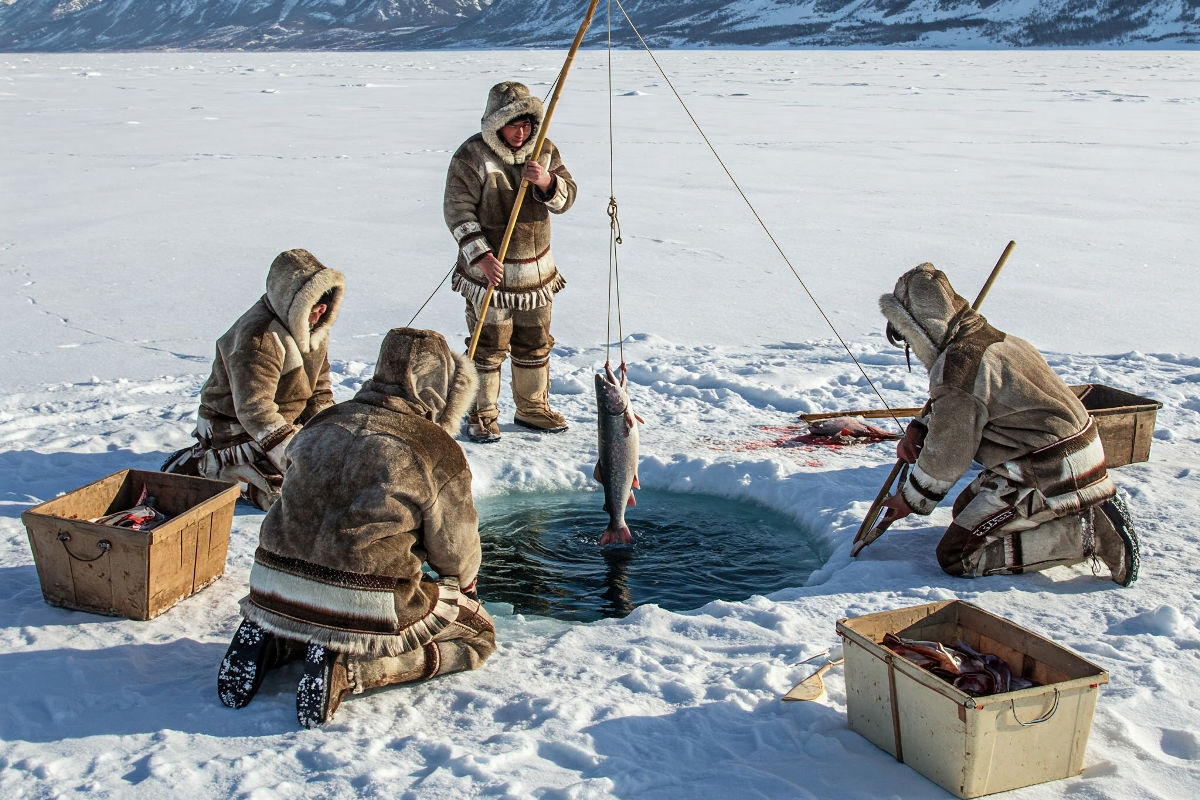
The Arctic, a vast and often unforgiving landscape, has challenged human survival for millennia. Yet, Indigenous peoples have not only survived but thrived, cultivating profound knowledge and sustainable practices to harness the region’s unique bounty. Their traditional food sources are not merely sustenance; they are the bedrock of culture, health, and identity.
Understanding traditional Arctic food sources offers a window into remarkable human ingenuity, resilience, and a deep connection with the environment. This comprehensive guide delves into the diverse array of foods that have sustained Arctic communities, exploring their nutritional value, cultural significance, and the methods used to procure them.
The Harsh Reality: Life in the Arctic
Life above the Arctic Circle presents unique challenges: extreme cold, long periods of darkness, and a seemingly barren landscape. However, beneath the ice and across the tundra lies a vibrant ecosystem, teeming with life adapted to these conditions. Indigenous communities developed sophisticated strategies to tap into these resources.
For generations, Arctic inhabitants, including Inuit, Yup’ik, Gwich’in, Sámi, and others, relied almost exclusively on what the land and sea provided. This intimate relationship with nature fostered a deep respect and a sustainable approach to harvesting, ensuring resources for future generations.
The Ocean’s Bounty: Marine Mammals
The Arctic Ocean is a primary larder for many Indigenous groups. Marine mammals, rich in fat, protein, and essential vitamins, form a cornerstone of the traditional diet. These animals are hunted with immense skill and respect, often using techniques passed down through countless generations.
Seals: Ringed seals, bearded seals, and harp seals are vital. Their meat provides protein, their blubber offers critical fat and energy, and their organs are packed with vitamins. Seal oil, in particular, is a prized source of Omega-3 fatty acids, crucial for health in a sun-deprived environment.
Traditional seal hunting involves incredible patience and knowledge of ice conditions and animal behavior. Hunters often wait for hours at breathing holes or stalk seals on the ice. Every part of the animal is utilized, minimizing waste and honoring the life taken.
Whales: Bowhead whales and narwhals are majestic creatures that provide immense amounts of food. Whale blubber, known as muktuk, is a delicacy, eaten raw or fermented, and is an excellent source of vitamin C, preventing scurvy in a diet otherwise low in fresh fruits and vegetables.
Hunting whales is a communal effort, requiring coordinated boats and deep knowledge of migratory patterns. It’s a practice steeped in ceremony and tradition, reinforcing community bonds and cultural identity. The sharing of whale meat is a significant social event.
Walruses: These large pinnipeds offer substantial meat, fat, and ivory. Walrus meat is often dried or fermented, providing a long-lasting food source. Like other marine mammals, their blubber is a critical energy source, especially during harsh winters.
Arctic Waters: Fish as a Staple
Fish are another indispensable component of the traditional Arctic diet, providing consistent nutrition throughout the year, often through ice fishing in winter and net fishing in summer.
Arctic Char: A cold-water fish related to salmon and trout, Arctic char is highly prized for its rich, flavorful meat. It’s caught in rivers, lakes, and coastal waters and is often eaten fresh, dried, or smoked. It’s a fantastic source of protein and Omega-3s.
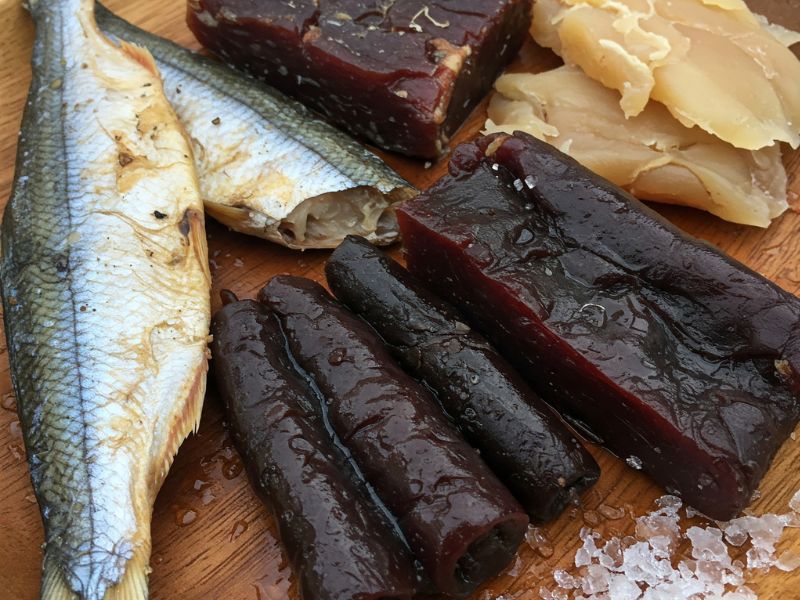
Cod and Salmon: Various species of cod, including Arctic cod, and Pacific salmon species (like chum and sockeye in some regions) also contribute significantly. These fish are often dried or frozen for storage, providing food security for extended periods.
Hunting on Land: Terrestrial Animals
While marine resources dominate coastal diets, inland communities rely heavily on terrestrial game. These animals provide lean protein and vital nutrients.
Caribou (Reindeer): Caribou are perhaps the most important land animal for many Arctic Indigenous groups. Their vast migratory herds provide meat, hides for clothing and shelter, and antlers and bones for tools. Caribou meat is lean and nutritious, often dried into jerky for preservation.
Caribou hunting is a highly skilled endeavor, requiring an understanding of herd movements and the ability to travel long distances across rugged terrain. It’s a communal activity that strengthens social ties and passes on traditional ecological knowledge.
Muskox: These ancient, shaggy bovines are found in parts of the High Arctic. Their meat is dark and flavorful, and their thick hides provide warmth. Muskox hunting is less common than caribou but remains an important supplementary food source in specific regions.
Polar Bear: Although less common due to conservation efforts and strict regulations, polar bear meat has traditionally been consumed by some communities. Its liver, however, is toxic due to extremely high vitamin A levels and is avoided.
Foraging the Tundra: Plants and Berries
Despite the perception of a barren landscape, the Arctic tundra offers a surprising variety of edible plants during the brief summer months. These provide essential vitamins, minerals, and fiber.
Berries: Cloudberries, crowberries, blueberries, and cranberries are abundant in late summer. These are rich in vitamin C and antioxidants and are often eaten fresh, mixed with fat (like seal oil), or preserved by freezing or drying.
Roots and Greens: Various roots, leaves, and shoots, such as Arctic willow leaves, sorrel, and wild onions, are gathered. While less significant in caloric intake than animal products, they are crucial for providing micronutrients and diversifying the diet.
Traditional Preservation and Preparation Techniques
Given the extreme environment, effective food preservation is paramount. Arctic communities developed ingenious methods to store food for long periods, ensuring sustenance through the harsh winters and lean times.
Common preservation techniques include:
- Drying: Meat and fish are air-dried, often in the sun and wind, to remove moisture and prevent spoilage.
- Freezing: Natural cold storage is widely utilized, with meat and fish buried in snow or stored in permafrost cellars.
- Fermentation: Certain foods, like whale blubber (muktuk) or fish, are fermented, enhancing flavor and often aiding preservation.
- Smoking: While less common than drying or freezing, smoking is also used for some fish and meats.
Preparation methods are often simple, emphasizing the natural flavors and nutritional value of the food. Foods are frequently eaten raw, boiled, or stewed. The communal sharing of food is a deeply ingrained practice, reflecting the importance of cooperation and mutual support.
Nutritional Powerhouses: The Health Benefits
The traditional Arctic diet is remarkably healthy and perfectly adapted to the environment. It is high in protein, healthy fats (especially Omega-3s), and essential vitamins and minerals often lacking in modern diets.
Omega-3 Fatty Acids: Abundant in marine mammals and fish, these are critical for cardiovascular health, brain function, and reducing inflammation. They are vital for coping with the demands of the Arctic climate.
Vitamins and Minerals: Organs like liver and kidney are particularly rich in vitamins A, D, and C, as well as iron and other minerals, compensating for the limited availability of plant-based foods for much of the year.
Cultural Significance and Food Security
Traditional food sources are more than just nutrition; they are inextricably linked to Indigenous identity, language, knowledge systems, and social structures. The act of hunting, gathering, and sharing strengthens community bonds and reinforces cultural values.
In recent decades, the traditional food system has faced numerous challenges. Climate change significantly impacts animal migrations, ice conditions, and plant growth, making traditional hunting and foraging more difficult and dangerous. Industrialization and colonial policies have also disrupted access to traditional lands and resources.
Food security in the Arctic is a complex issue. While store-bought foods are available, they are often expensive, nutritionally inferior, and contribute to health problems like diabetes. Maintaining access to traditional food sources is crucial for the health and well-being of Arctic communities.
Many Indigenous communities are actively working to revitalize traditional hunting and gathering practices, passing on knowledge to younger generations and advocating for policies that support sustainable harvesting and protect their ancestral lands and waters.
Conclusion: A Legacy of Resilience and Wisdom
Traditional Arctic food sources represent a profound legacy of human adaptation, ecological understanding, and cultural richness. From the abundant marine mammals to the resilient tundra plants, every element of the traditional diet tells a story of survival, ingenuity, and a deep, respectful connection to the land and sea.
As the Arctic faces unprecedented changes, preserving and supporting these traditional food systems is more vital than ever. It is not just about sustaining a diet; it is about sustaining cultures, health, and a way of life that offers invaluable lessons in sustainability and harmonious living with our planet.


