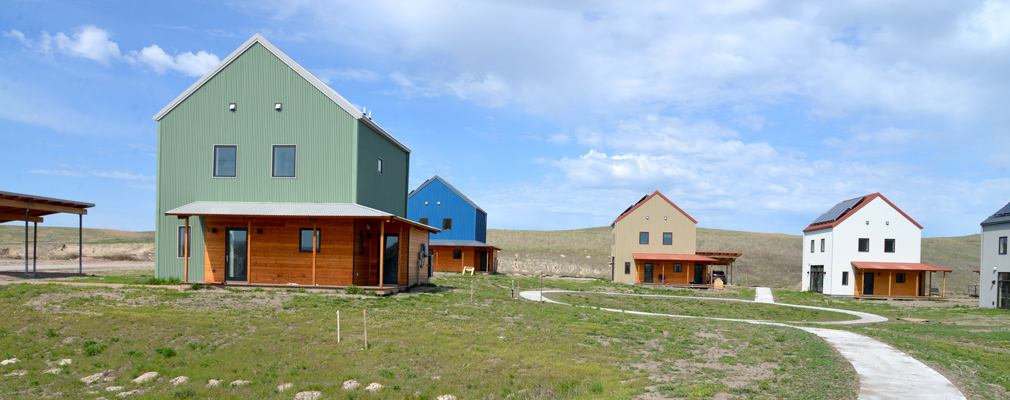
The concept of tiny homes has captured significant attention globally, offering a minimalist approach to living that emphasizes affordability, sustainability, and efficiency. From urban landscapes to rural retreats, these compact dwellings are seen as innovative solutions to modern housing challenges.
However, the application of tiny home principles extends beyond conventional settings, finding a unique and compelling resonance within Native American communities on Indian Reservations. Here, the potential for tiny homes to address long-standing housing crises and foster self-sufficiency is particularly profound.
This comprehensive guide delves into the multifaceted aspects of tiny homes on Indian Reservations, exploring the opportunities they present, the unique challenges that must be navigated, and the profound impact they can have on tribal sovereignty and community well-being.
Understanding the Context: Native American Sovereignty and Land
To fully grasp the dynamics of tiny homes on reservations, it’s crucial to understand the distinct legal and governmental structures at play. Indian Reservations are sovereign nations, operating under tribal law, often with a complex interplay of federal and state regulations.
Land ownership on reservations is not uniform. It can include tribal trust land, held by the U.S. government in trust for the tribe; individual trust land, held by the U.S. government for individual tribal members; and fee simple land, owned outright by individuals or entities, often subject to state and local laws.
/res-5808b9813df78cbc287e2ef8.jpg "Tiny Homes On Indian Reservations")
This unique land status significantly influences everything from building codes and permitting processes to financing options, distinguishing development on reservations from that in typical municipalities.
The Promise of Tiny Homes for Tribal Communities
Tiny homes offer a compelling array of benefits that align well with the needs and values of many Native American communities. These advantages range from economic relief to environmental stewardship.
Addressing the Housing Crisis: Many reservations face severe housing shortages, overcrowding, and substandard living conditions. Tiny homes can be constructed more quickly and affordably than traditional homes, providing a rapid solution to critical housing needs.
Enhanced Affordability: The lower cost of materials, construction, and maintenance associated with tiny homes makes homeownership more accessible for tribal members, reducing financial burdens and fostering economic stability.
Promoting Sustainability: Tiny homes inherently promote a smaller environmental footprint. They require less energy for heating and cooling, use fewer resources in construction, and often lend themselves to off-grid living solutions, aligning with traditional ecological knowledge and stewardship.
Cultural Resonance and Self-Sufficiency: The movement towards smaller, more efficient living spaces can resonate with traditional indigenous values of living in harmony with the land and valuing community over material excess. They can also support self-sufficiency through features like rainwater harvesting and solar power.
Flexibility and Mobility: For some tribal members, especially younger generations or those needing to move for work, the mobility of tiny homes (if on wheels) offers a level of flexibility not available with conventional housing.
Navigating the Unique Challenges
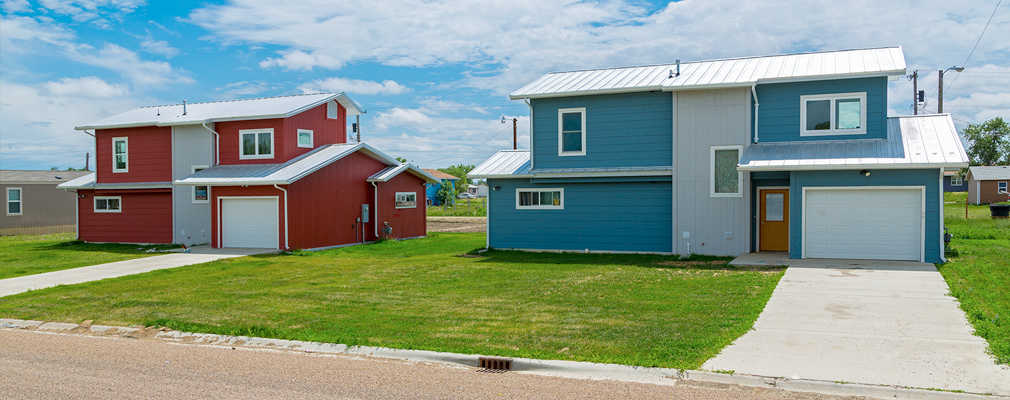
Despite the numerous benefits, implementing tiny home projects on Indian Reservations comes with its own set of unique challenges that require careful planning and collaboration.
Financing Hurdles: Securing conventional mortgages for homes on trust land can be difficult, as the land itself cannot be used as collateral. This is a significant barrier for many tribal members seeking homeownership.
Infrastructure Development: Many remote reservation areas lack essential infrastructure such as reliable access to water, sewer, and electricity. Developing these services for scattered tiny home sites can be costly and complex.
Tribal Regulations and Building Codes: While tribal sovereignty allows tribes to set their own building codes, these may not always be fully developed or consistently applied to tiny structures. Navigating these requirements, or helping tribes develop them, is crucial.
Cultural Acceptance and Design: Introducing a new housing concept requires community buy-in. Designs must respect cultural aesthetics, family structures, and traditional living practices to ensure acceptance and long-term success.
Access to Skilled Labor and Resources: Remote locations can make it challenging to access skilled labor for construction and ongoing maintenance, or to source building materials efficiently.
Pathways to Success: Solutions and Strategies
Overcoming these challenges requires innovative approaches and strong partnerships. Several strategies have proven effective in facilitating tiny home development on reservations.
Tailored Financing Programs: Tribes can develop their own loan programs, utilize federal grants (e.g., through HUD’s Indian Housing Block Grant program), or partner with Native CDFIs (Community Development Financial Institutions) to offer accessible financing.
Community-Led Planning: Engaging tribal elders, leaders, and community members from the outset ensures that tiny home projects are culturally appropriate, meet specific community needs, and have strong local support.
Developing Tribal Building Codes: Tribes can create or adapt building codes specifically for tiny homes, ensuring safety and quality while accommodating the unique characteristics of these dwellings.
Modular and Pre-fabricated Solutions: Utilizing modular or pre-fabricated tiny homes can help overcome labor shortages and accelerate construction timelines, while maintaining quality control.
Focus on Sustainable Infrastructure: Implementing decentralized and sustainable infrastructure solutions, such as composting toilets, greywater recycling, and solar power, can reduce reliance on expensive conventional utility extensions.
Case Studies and Emerging Trends
Across North America, several tribes and organizations are pioneering tiny home initiatives. These projects serve as inspiring examples of how these compact dwellings can make a significant difference.
One example involves tribes partnering with non-profit organizations to build tiny home villages, often incorporating traditional designs or communal spaces to foster community cohesion.
Other initiatives focus on providing housing for specific demographics, such as elders, youth, or those experiencing homelessness, demonstrating the versatility of tiny home solutions.
The emphasis on self-build programs, where tribal members are trained to construct their own tiny homes, not only provides housing but also develops valuable vocational skills within the community.
Designing for Culture and Climate
Successful tiny homes on reservations are not merely miniature versions of suburban houses. They are thoughtfully designed to reflect the local climate, available materials, and cultural values.
This can involve incorporating elements of traditional architecture, using locally sourced natural materials, and designing layouts that accommodate extended family visits or specific cultural practices.
Climate considerations are paramount, with designs optimizing for extreme temperatures, wind, and precipitation, ensuring comfort and energy efficiency year-round.
The Future Outlook for Tiny Homes on Tribal Lands
The trajectory for tiny homes on Indian Reservations is one of increasing potential. As tribes continue to assert their sovereignty and seek innovative solutions to complex challenges, tiny homes offer a tangible path forward.
They represent more than just housing; they symbolize resilience, self-determination, and a commitment to sustainable living that honors ancestral traditions while embracing modern innovation.
By fostering economic development, providing affordable housing, and promoting environmental stewardship, tiny homes can play a crucial role in building stronger, more vibrant Native American communities for generations to come.
Conclusion: A Powerful Tool for Tribal Empowerment
Tiny homes on Indian Reservations present a powerful, multifaceted solution to pressing housing needs, offering a blend of affordability, sustainability, and cultural relevance. While challenges exist, they are surmountable through thoughtful planning, tribal leadership, and collaborative partnerships.
As more tribes explore and implement these innovative housing models, the movement towards tiny homes promises to be a significant catalyst for positive change, empowering communities and strengthening the fabric of Native American nations.


