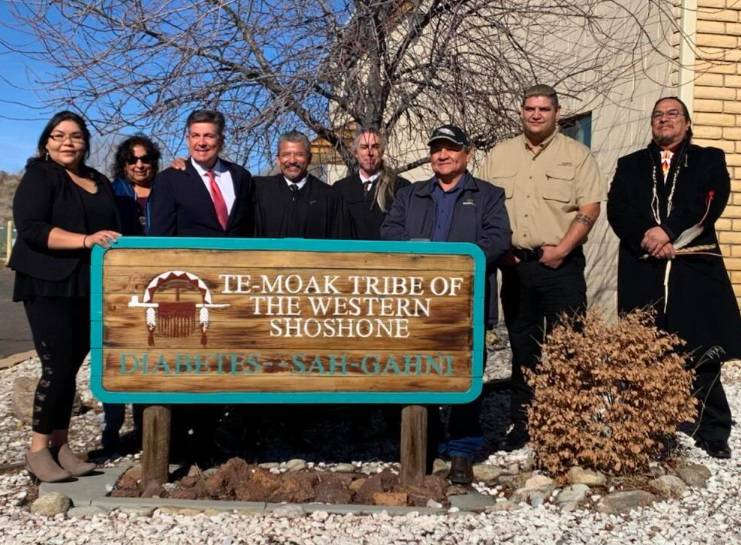
The vast, rugged landscapes of Nevada are home to a rich tapestry of Indigenous cultures, among them the resilient and historically significant Te-Moak Tribe of Western Shoshone. For millennia, the Western Shoshone people have been the stewards of the Great Basin, their traditions deeply intertwined with the land’s unique ecosystems. This comprehensive guide offers an in-depth look into the Te-Moak Tribe, exploring their history, cultural heritage, reservation life, and ongoing efforts to preserve their sovereignty and way of life.
Understanding the Te-Moak Tribe begins with acknowledging their profound connection to the land. The ancestral territory of the Western Shoshone spanned across what is now Nevada, Utah, Idaho, and California, a testament to their adaptability and intimate knowledge of the arid, yet bountiful, Great Basin environment. They lived as hunter-gatherers, moving seasonally to harvest pine nuts, hunt game, and gather various plants, demonstrating a sophisticated understanding of ecological balance.
The arrival of European-American settlers in the 19th century dramatically altered the lives of the Western Shoshone. The lure of the California Gold Rush and subsequent expansion led to increasing encroachment on Shoshone lands, disrupting traditional lifeways and leading to conflicts. This period marked a significant turning point, forcing the Shoshone to adapt to rapidly changing circumstances.
A pivotal document in the tribe’s history is the Ruby Valley Treaty of 1863. Signed between the United States and the Western Shoshone, this treaty formally recognized Shoshone land ownership but also granted the U.S. rights of passage and mineral extraction. However, subsequent interpretations and actions by the U.S. government often disregarded the Shoshone’s land rights, leading to generations of disputes and legal battles that continue to this day.
The Te-Moak Tribe of Western Shoshone is a federally recognized tribal entity, formally organized under the Indian Reorganization Act of 1934. It is a confederation of four distinct Western Shoshone bands, each with its own unique community and local governance, yet united under a common tribal council.
The four constituent bands that form the Te-Moak Tribe are:
- The Battle Mountain Band: Located near the town of Battle Mountain in Lander County, their community is a vital center for tribal members in the western part of the reservation lands.
- The Elko Band: Situated just outside the city of Elko, this band’s colony is often considered the administrative heart of the Te-Moak Tribe, hosting many tribal government offices.
- The South Fork Band: Residing south of Elko, the South Fork community is known for its agricultural pursuits and strong community ties.
- The Wells Band: Located near the city of Wells, this band maintains a distinct presence in the eastern portion of the Te-Moak territory.
Each band retains a degree of autonomy while participating in the larger tribal government structure.
The governance of the Te-Moak Tribe is a blend of traditional values and modern democratic principles. A Tribal Council, comprised of representatives from each of the four bands, makes decisions regarding tribal policy, resource management, economic development, and cultural preservation. This structure ensures that the diverse voices and needs of all band members are represented.
What is the history of the Western Shoshone? The history of the Western Shoshone is one of profound resilience. From their ancient hunting and gathering practices across the Great Basin to their encounters with European settlers, the Shoshone people have continuously adapted and endured. Their history is marked by deep cultural roots, a strong connection to their ancestral lands, and a steadfast commitment to preserving their heritage despite immense pressures.
Cultural preservation is a cornerstone of the Te-Moak Tribe’s identity. Efforts are continuously made to revitalize the Shoshone language, which is an endangered Uto-Aztecan language. Language immersion programs, cultural classes, and intergenerational teaching are crucial in ensuring that future generations can connect with their linguistic heritage.
Traditional ceremonies and dances remain vital expressions of Shoshone culture. Powwows, round dances, and spiritual gatherings serve as important social events, fostering community bonds, celebrating heritage, and passing down ancient stories and teachings. These events are often open to the public, offering a glimpse into the richness of Shoshone traditions.
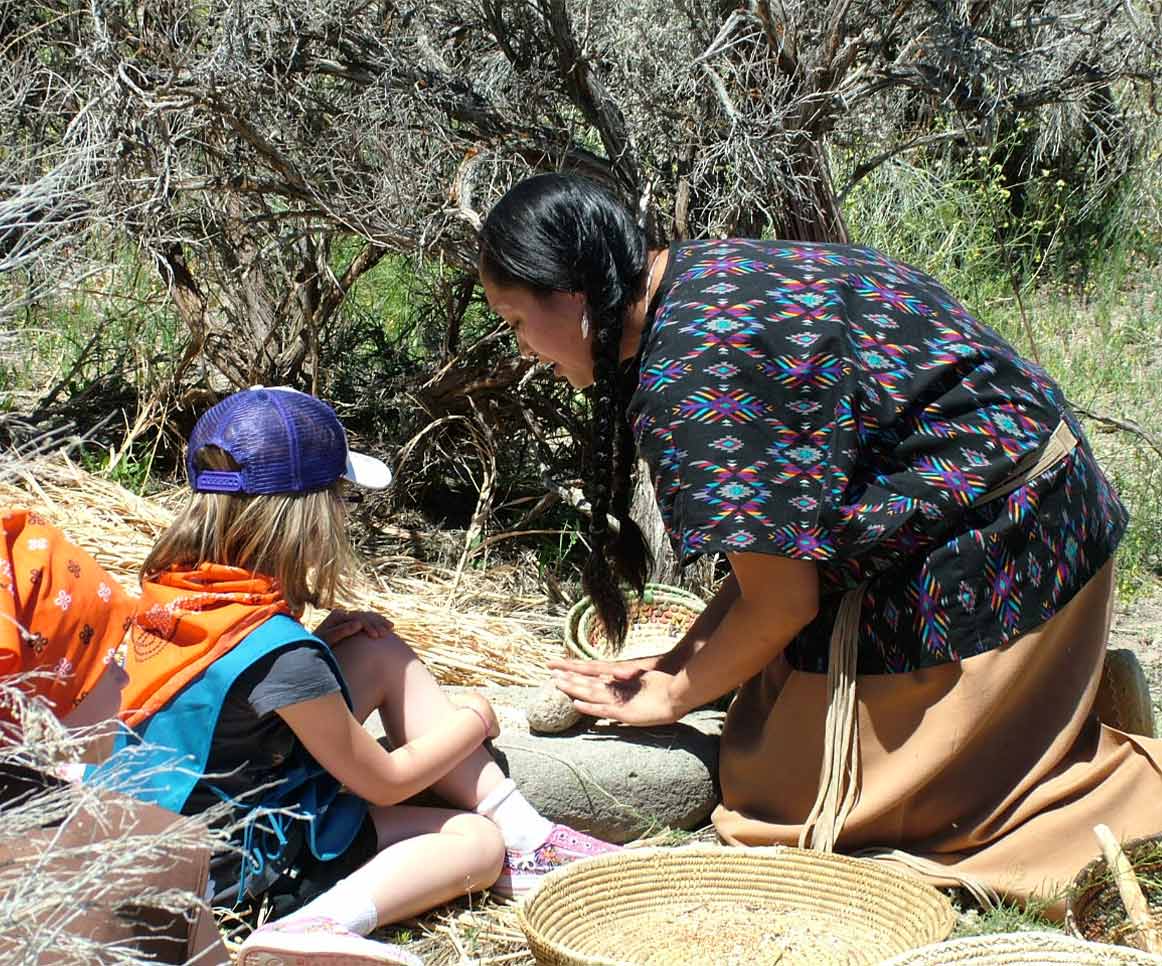
Art forms such as basket weaving, beadwork, and storytelling are also integral to the Te-Moak cultural landscape. These practices not only produce beautiful artifacts but also embody spiritual beliefs, historical narratives, and practical skills passed down through generations. Each piece tells a story, connecting the present with the past.
Economic development is a key focus for the Te-Moak Tribe, aiming to create sustainable opportunities for its members and foster self-sufficiency. Tribal enterprises range from agricultural ventures, particularly at South Fork, to various service industries and potentially gaming operations, contributing significantly to the regional economy.
However, the tribe faces numerous economic challenges. These include limited access to capital, infrastructure development needs, and the ongoing struggle to manage and benefit from natural resources on their ancestral lands, many of which are still subject to federal control or private interests.
What are some challenges faced by the Te-Moak Tribe? Beyond economic hurdles, the Te-Moak Tribe, like many Indigenous nations, confronts complex challenges related to sovereignty, land rights, healthcare disparities, and educational attainment. The legacy of historical injustices continues to impact community well-being.
Land rights and sovereignty remain a central and often contentious issue. The Te-Moak Tribe asserts aboriginal title to vast tracts of land in Nevada, a claim that has been recognized by the Indian Claims Commission but often remains unresolved in terms of compensation or return of land. This ongoing struggle for land justice underscores the importance of tribal sovereignty and self-determination.

Environmental concerns are also paramount. As stewards of the land, the Te-Moak Tribe is deeply concerned about the impacts of resource extraction, such as mining, and the potential for nuclear waste storage on their ancestral territories. They actively advocate for environmental protection and sustainable land management practices, often clashing with federal and state agencies over these issues.
Healthcare and education are critical areas of focus for the tribal government. Efforts are made to provide culturally sensitive healthcare services and improve access to quality education for tribal youth. Programs aim to address health disparities and create pathways for academic and vocational success, blending traditional knowledge with modern curricula.
Community programs and services play a vital role in supporting tribal members. These include elder care initiatives, youth programs, housing assistance, and substance abuse prevention. The emphasis is on building a strong, healthy community that honors its cultural heritage while embracing opportunities for growth and development.
The Te-Moak Tribe’s relationship with the federal government and the State of Nevada is complex, marked by both cooperation and conflict. The tribe actively engages in political advocacy to protect its rights, promote its interests, and ensure its voice is heard on issues ranging from water rights to economic policy.
The enduring spirit of the Te-Moak people is evident in their ongoing efforts to maintain their cultural identity, strengthen their communities, and assert their inherent sovereignty. They are not merely a historical entity but a vibrant, living nation actively shaping its future.
In conclusion, the Te-Moak Tribe of Western Shoshone Reservation in Nevada stands as a testament to the resilience, cultural richness, and unwavering determination of Indigenous peoples. From their ancient roots in the Great Basin to their modern-day pursuit of self-determination, the Te-Moak Tribe continues to be a vital force in Nevada’s cultural and political landscape. Their story is a powerful reminder of the importance of respecting Indigenous sovereignty, preserving cultural heritage, and supporting the ongoing journey towards justice and prosperity.
Understanding the Te-Moak Tribe’s journey provides crucial insights into the broader narrative of Native American history and contemporary issues. Their unwavering commitment to their land, language, and people serves as an inspiration and a call to recognize and honor the contributions of all Indigenous nations.
For those interested in learning more, visiting the tribal communities (with respect for local customs and privacy), engaging with tribal cultural centers, and supporting Indigenous-led initiatives are excellent ways to foster understanding and appreciation for the Te-Moak Tribe of Western Shoshone.


