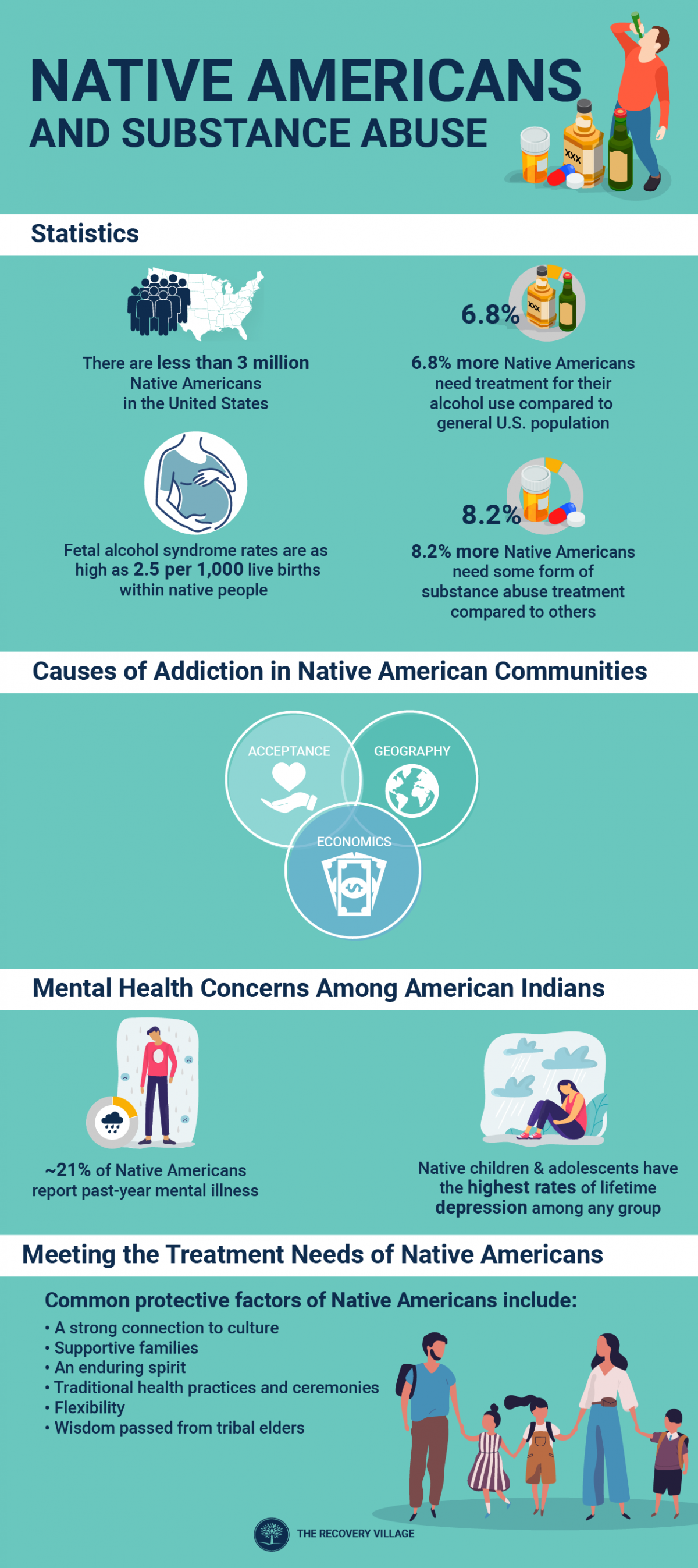
Substance abuse is a complex public health crisis that affects communities worldwide, but its impact on Native American populations, particularly those residing on Indian reservations, is disproportionately severe. Understanding the unique historical, cultural, and socioeconomic factors at play is crucial for developing effective and sustainable recovery solutions. This article delves into the comprehensive substance abuse programs designed to address these intricate challenges, offering insight into their structure, efficacy, and the vital role of cultural integration.
For generations, Native American communities have endured systemic challenges, including historical trauma, forced assimilation, and the ongoing struggle for self-determination. These factors contribute significantly to the higher rates of substance use disorders, mental health issues, and related health disparities experienced by Indigenous peoples. Addressing substance abuse on reservations, therefore, requires a nuanced approach that acknowledges this painful past while fostering culturally relevant paths to healing.
Understanding the Unique Challenges Faced by Native American Communities
- Historical Trauma: The cumulative emotional and psychological wounding over generations, resulting from events such as colonization, forced relocation, the boarding school era, and systemic discrimination. This trauma manifests as intergenerational pain, mistrust, and vulnerability to addiction.
- Socioeconomic Disparities: High rates of poverty, unemployment, inadequate housing, and limited educational opportunities on many reservations create environments where hopelessness can fester, increasing the risk of substance misuse.
- Geographic Isolation: Many reservations are located in rural, remote areas, making access to specialized healthcare services, including addiction treatment, extremely difficult. Transportation barriers and a lack of qualified professionals exacerbate this issue.
- Cultural Erosion: The suppression of traditional languages, spiritual practices, and cultural identities has left many struggling with a sense of loss and disconnection, which can be a driver for self-medication.
- Stigma: A pervasive stigma surrounding addiction can prevent individuals from seeking help, often leading to isolation and delayed intervention.
The Indispensable Role of Traditional Healing in Recovery
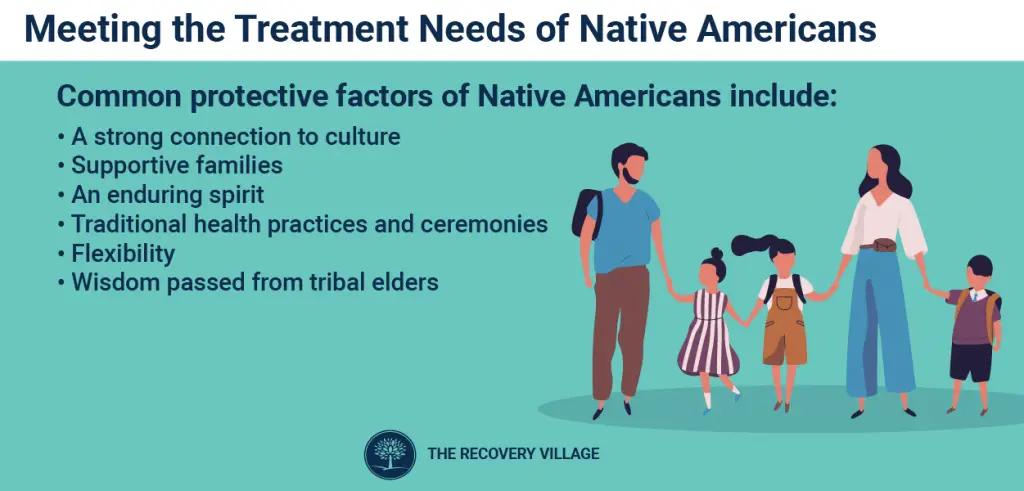
One of the most powerful and effective aspects of substance abuse programs on Indian reservations is the integration of traditional healing practices. These practices are not merely supplementary; they are often foundational to the recovery process, providing a sense of cultural identity, spiritual connection, and community support.
- Sweat Lodges: Used for purification, prayer, and spiritual connection.
- Talking Circles: Provide a safe space for individuals to share their experiences, fostering empathy and communal support.
- Ceremonies and Rituals: Such as vision quests, naming ceremonies, and smudging, which reconnect individuals to their heritage and spiritual path.
- Traditional Storytelling: Imparts wisdom, values, and coping mechanisms through narratives passed down through generations.
- Elders and Traditional Healers: Serve as guides, mentors, and spiritual advisors, offering wisdom and support rooted in Indigenous knowledge systems.
These culturally competent approaches recognize that healing is holistic, encompassing the mind, body, spirit, and community. By reaffirming Indigenous identity and cultural pride, these programs empower individuals to draw strength from their heritage.
Types of Substance Abuse Programs and Treatment Models
Substance abuse programs on reservations often employ a blend of Western medical approaches and traditional healing. This integrated model is critical for addressing the multifaceted needs of individuals.
- Outpatient Programs: Allow individuals to live at home while attending regular therapy sessions, group meetings, and educational workshops. These are suitable for those with strong support systems and less severe addictions.
- Inpatient/Residential Programs: Provide a structured, live-in environment where individuals receive intensive therapy, medical care, and round-the-clock support. These are often essential for severe substance use disorders, offering a safe space away from triggers.
With the opioid crisis significantly impacting many tribal communities, Medication-Assisted Treatment (MAT) has become a vital component. MAT combines FDA-approved medications (like buprenorphine, naltrexone, and methadone) with counseling and behavioral therapies. This approach has proven highly effective in reducing cravings, preventing relapse, and improving long-term recovery outcomes.
- Trauma-Informed Care: Essential for addressing the pervasive historical and intergenerational trauma. It focuses on safety, trustworthiness, peer support, collaboration, empowerment, and cultural sensitivity.
- Cognitive Behavioral Therapy (CBT): Helps individuals identify and change negative thought patterns and behaviors associated with substance use.
- Dialectical Behavior Therapy (DBT): Focuses on emotional regulation, mindfulness, distress tolerance, and interpersonal effectiveness.
- Family Therapy: Engages family members in the healing process, recognizing that addiction affects the entire family unit and that family support is crucial for sustained recovery.
Funding and Resource Allocation for Tribal Programs
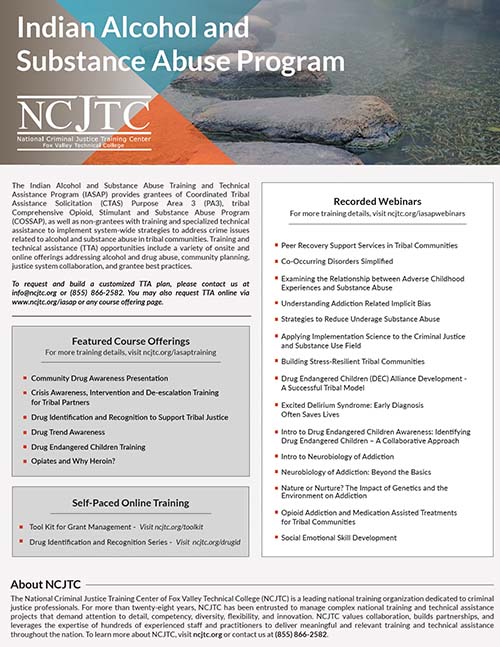
Securing adequate and consistent funding is a persistent challenge for substance abuse programs on Indian reservations. Federal agencies like the Indian Health Service (IHS) and the Substance Abuse and Mental Health Services Administration (SAMHSA) provide grants and resources. However, these often fall short of the immense need.
Many tribal nations are also leveraging self-governance compacts to direct their own healthcare resources, allowing for more culturally appropriate and community-specific program development. Advocacy for increased federal funding and flexible grant mechanisms remains critical to strengthen these vital services.
Addressing Specific Substances: Alcohol, Opioids, and Methamphetamine
While alcohol abuse has historically been a significant concern in Native American communities, the landscape of substance use has evolved. The opioid epidemic now poses a severe threat, with overdose rates rising in many tribal areas. Additionally, methamphetamine use continues to be a devastating force, contributing to mental health crises and community instability.
Programs must be equipped to address the complexities of polysubstance use and provide targeted interventions for each substance. This includes harm reduction strategies, overdose prevention education, and access to naloxone.
Success Stories and Best Practices in Tribal Recovery
- Community Ownership: Programs developed and led by tribal members who understand the unique needs and cultural nuances of their community.
- Integration of Traditional and Western Medicine: A balanced approach that honors both healing modalities.
- Holistic Care: Addressing not just addiction, but also co-occurring mental health disorders, physical health, social determinants, and spiritual well-being.
- Strong Aftercare and Relapse Prevention: Providing ongoing support, sober living options, and community resources to maintain long-term recovery.
- Youth Engagement: Focusing on prevention and early intervention for younger generations, instilling cultural pride and resilience.
Examples include the White Earth Nation’s chemical health programs in Minnesota, which integrate traditional healing with evidence-based practices, and the Cherokee Nation’s comprehensive behavioral health services, which offer a full continuum of care.
Overcoming Barriers to Treatment and Fostering Trust
- Lack of Culturally Competent Providers: A shortage of healthcare professionals, especially those with an understanding of Native American culture and historical trauma, can deter individuals from seeking help.
- Language Barriers: For elders and those who speak traditional languages, communication can be a significant obstacle.
- Mistrust of External Systems: Due to historical injustices, there can be a deep-seated mistrust of non-Native healthcare systems, making it difficult for individuals to engage in treatment outside their community.
- Transportation: A perennial issue in rural reservations, preventing consistent attendance at appointments.
Programs are actively working to overcome these by training tribal members as counselors, offering transportation assistance, and building trust through community outreach and respectful engagement.
The Path Forward: Strengthening Tribal Health and Healing
The future of substance abuse programs on Indian reservations lies in continued investment in tribal sovereignty and self-determination. Empowering tribal nations to design, implement, and manage their own healthcare systems ensures that programs are truly responsive to the needs and values of their people.
- Increased and Flexible Funding: To support comprehensive, culturally integrated care.
- Workforce Development: Training and retaining Native American healthcare professionals.
- Policy Advocacy: Addressing systemic inequities and promoting health equity for Indigenous populations.
- Collaboration: Fostering partnerships between tribal governments, federal agencies, and non-profit organizations that respect tribal sovereignty.
By honoring traditional healing, integrating evidence-based practices, and empowering communities, Native American nations are forging powerful pathways to recovery and resilience, healing not just individuals, but entire generations.
In conclusion, substance abuse programs on Indian reservations represent a critical frontier in public health. They are not just about treating addiction; they are about healing historical wounds, restoring cultural pride, and rebuilding community strength. The integration of traditional healing practices with modern therapeutic approaches, coupled with a deep understanding of unique tribal challenges, forms the bedrock of effective, culturally competent care. As these programs continue to evolve and gain support, they offer a beacon of hope for individuals and families striving for recovery and a healthier future within Native American communities.
The journey is long and complex, but with sustained effort, respectful collaboration, and unwavering commitment to cultural integrity, the vision of thriving, substance-free tribal nations is within reach.


