
Substance abuse on Indian reservations represents a profound and multifaceted public health crisis that deeply impacts Native American communities across the United States. This issue is not merely a contemporary problem but is rooted in centuries of historical trauma, systemic inequities, and a complex interplay of socioeconomic factors. Understanding the depth of this challenge requires acknowledging its historical context, the unique cultural dynamics at play, and the resilient efforts of tribal nations to forge pathways to healing.
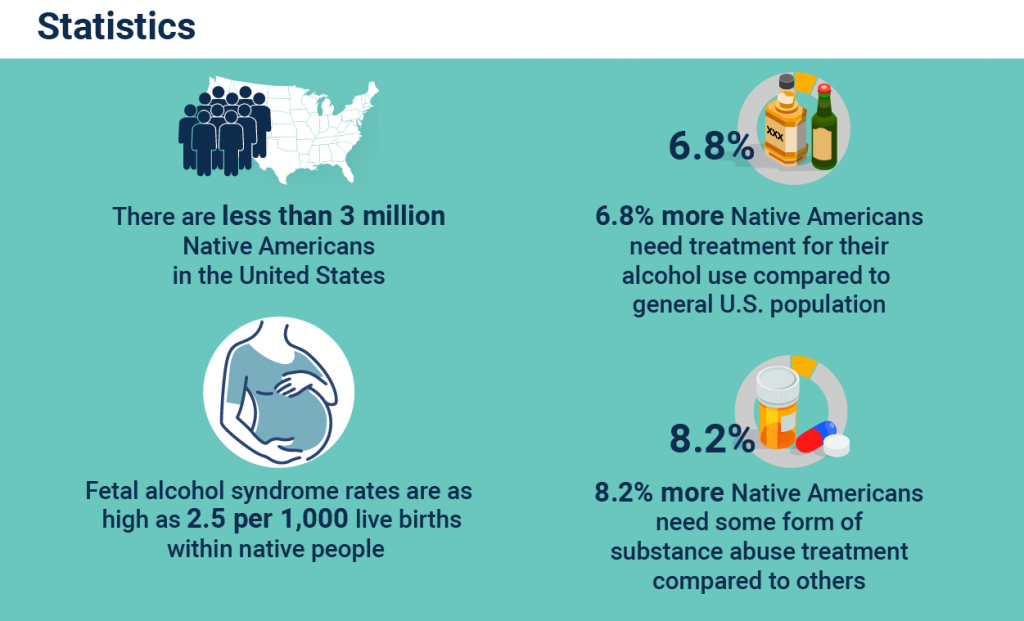
The statistics paint a stark picture: Native Americans often experience disproportionately higher rates of substance use disorders, including alcohol abuse, opioid addiction, and methamphetamine use, compared to the general population. These elevated rates contribute to significant health disparities, increased mortality, and profound social challenges within tribal communities.
Historical Trauma: A Lingering Shadow
One of the most critical factors contributing to substance abuse in Native American communities is historical trauma. This term describes the cumulative emotional and psychological wounding over the lifespan and across generations, emanating from massive group trauma experiences. For Indigenous peoples, this includes the trauma of colonization, forced relocation, genocidal policies, and the devastating impact of boarding schools.
The forced assimilation policies, particularly the Indian boarding school system, systematically stripped generations of Native children of their language, culture, spiritual practices, and family connections. This deliberate cultural destruction created deep intergenerational trauma, leading to a loss of identity, fractured family structures, and a profound sense of grief and unresolved pain that often manifests in self-medication through substance use.
Socioeconomic Disparities as Fuel for the Crisis
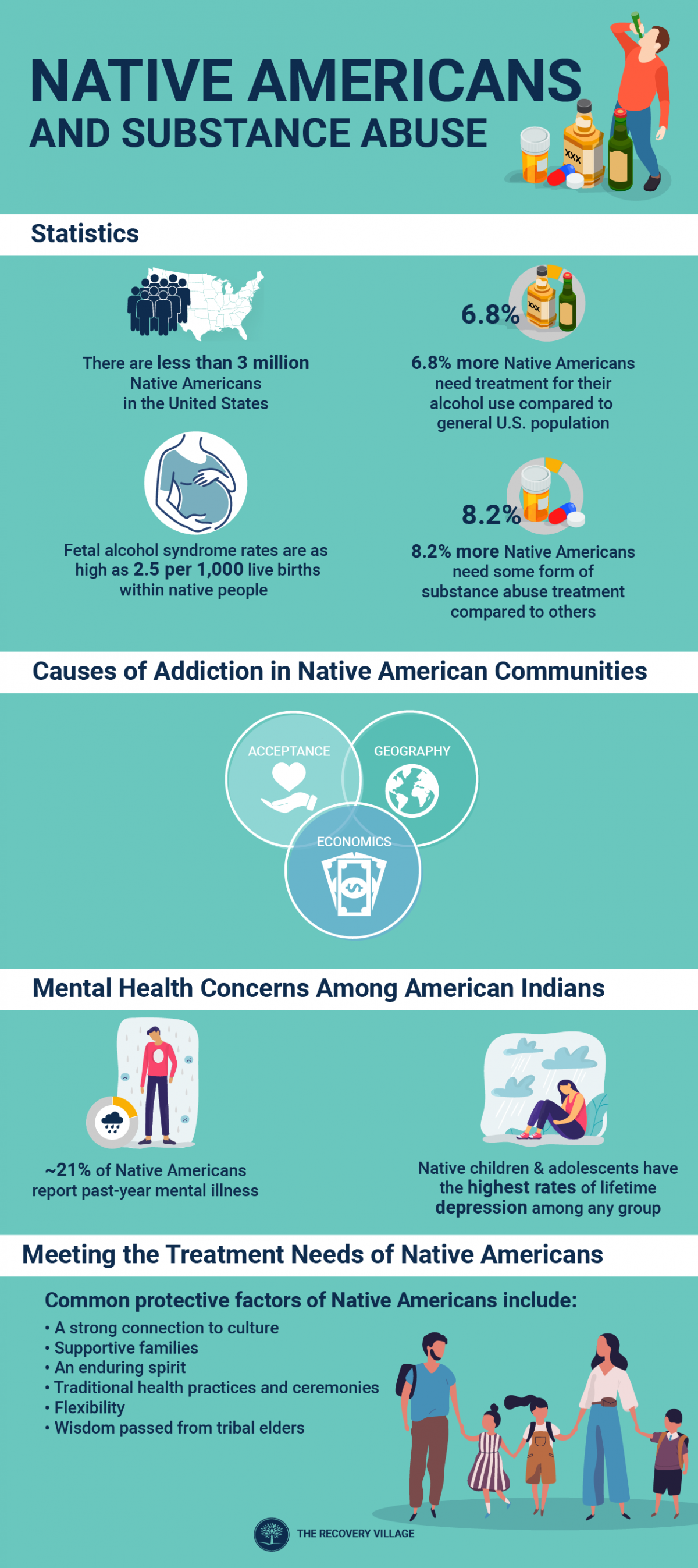

Beyond historical trauma, contemporary socioeconomic disparities exacerbate the problem. Many reservations face severe challenges including high rates of poverty, chronic unemployment, and limited economic opportunities. These conditions create environments of chronic stress, hopelessness, and despair, which are known risk factors for substance abuse.
Lack of adequate housing, food insecurity, and insufficient infrastructure further compound these issues. The absence of viable economic pathways often leaves individuals with few alternatives, making them more vulnerable to the grip of addiction.
Access to Healthcare: A Geographic and Systemic Barrier
Geographic isolation is a significant barrier for many tribal communities, making access to healthcare services, including mental health and addiction treatment, incredibly difficult. Remote reservations often lack sufficient medical facilities, trained personnel, and specialized addiction services. Even when services are available, they are frequently underfunded and understaffed.
The Indian Health Service (IHS), the primary healthcare provider for Native Americans, has historically been underfunded, leading to significant gaps in service provision. This systemic underfunding means that many individuals struggling with substance use disorders cannot access the timely, comprehensive care they desperately need.
Mental Health and Addiction: A Dual Challenge
Effective treatment requires integrated approaches that address both mental health and substance use disorders simultaneously, yet such comprehensive services are often scarce on reservations.
Prevalence of Specific Substances
While alcohol has a long and devastating history within Native communities, other substances have also emerged as significant threats.


- Alcohol Abuse: Alcohol remains a pervasive issue, with rates of alcohol-related deaths and fetal alcohol spectrum disorders (FASD) often significantly higher than the national average. Its historical introduction and use as a tool of oppression have cemented its tragic legacy.
- The Opioid Epidemic’s Grip: Like the rest of the nation, Native American communities have been severely impacted by the opioid crisis, including prescription opioid misuse and heroin use. The remote nature of many reservations can make it harder to intercept illicit drug trafficking and harder to access life-saving interventions like naloxone.
- Methamphetamine: A Destructive Force: Methamphetamine use has seen a resurgence in some tribal areas, causing widespread devastation due to its highly addictive nature and severe health consequences.
- Cannabis Use: While cannabis is becoming legalized in various states, its impact and regulation within tribal lands vary, often presenting another layer of complexity in public health efforts.
Profound Impacts on Individuals and Communities
The consequences of substance abuse ripple through every aspect of tribal life.
- Health Consequences: Beyond addiction itself, substance abuse contributes to higher rates of chronic diseases, infectious diseases (like HIV/HCV), injuries, and premature death.
- Social Fabric Erosion: It strains family relationships, contributes to child neglect and abuse, increases domestic violence, and breaks down community cohesion.
- Economic Strain: Addiction reduces individual productivity, strains tribal resources, and hinders economic development initiatives.
- Crime and Public Safety: Substance abuse is often linked to increased crime rates, placing additional burdens on already stretched tribal justice systems.
Challenges in Addressing the Crisis
Despite the urgent need, several unique challenges impede effective intervention.
- Cultural Insensitivity in Mainstream Treatment: Many conventional treatment programs are not culturally competent, failing to acknowledge Indigenous worldviews, spiritual practices, and the unique historical context of Native Americans. This can lead to mistrust and ineffective outcomes.
- Jurisdictional Complexities: The overlapping and often confusing jurisdictions between tribal, state, and federal law enforcement and health agencies create bureaucratic hurdles for prevention, treatment, and prosecution efforts.
- Stigma and Shame: The stigma associated with addiction, coupled with historical trauma, can prevent individuals from seeking help, fearing judgment or further marginalization.
- Brain Drain: The loss of educated and skilled tribal members to off-reservation opportunities can deplete the capacity for local leadership and program development.
Pathways to Healing: Culturally Responsive Solutions
Despite the immense challenges, tribal nations are at the forefront of developing innovative and culturally relevant solutions. These approaches recognize the strength and resilience inherent in Indigenous cultures.
Embracing Traditional Healing Practices
Many successful programs integrate traditional healing methods such as sweat lodge ceremonies, talking circles, storytelling, spiritual guidance from elders, and traditional plant medicines. These practices foster a sense of belonging, cultural identity, and spiritual connection, which are powerful protective factors against addiction.
Community-Led Initiatives: Empowering Tribal Nations
The most effective strategies are those developed and led by tribal communities themselves. These initiatives reflect the unique needs and cultural values of each nation, promoting self-determination and local ownership of solutions. Empowering tribal leaders and community members is crucial for sustainable change.
Culturally Competent Treatment Programs
Programs that are designed with cultural competence in mind are essential. This means employing Native staff, incorporating Indigenous languages, respecting traditional spiritual beliefs, and understanding the role of family and community in the healing process. Holistic approaches that address mind, body, and spirit are paramount.
Prevention and Early Intervention
Investing in prevention programs for youth and families is vital. These include culturally rich educational programs, mentorship, healthy recreational activities, and initiatives that strengthen family bonds and cultural pride, thereby reducing risk factors for early substance use.
Harm Reduction Strategies
Some communities are exploring harm reduction approaches, such as naloxone distribution to prevent opioid overdose deaths, and safe syringe programs, to mitigate the immediate dangers of substance use while individuals move towards recovery.
Strengthening Infrastructure: Healthcare and Economic Development
Long-term solutions require significant investment in infrastructure. This includes improving access to quality healthcare facilities, expanding mental health and addiction treatment centers, and fostering economic development to create jobs and opportunities within tribal communities.
Policy Advocacy and Federal Support
Advocacy for increased federal funding for IHS and tribal programs is critical. Policy changes that support tribal sovereignty in healthcare, justice, and economic development are also essential to empower nations to address these issues effectively.
The Role of Education and Awareness
Combating stigma through education and awareness campaigns can encourage more individuals to seek help. Sharing stories of recovery and resilience can inspire hope and demonstrate that healing is possible.
Addressing Intergenerational Trauma Through Healing
Programs specifically designed to address historical and intergenerational trauma, such as trauma-informed care and culturally specific therapy models, are proving effective in helping individuals process past wounds and build healthier coping mechanisms.
Building Resilience and Cultural Pride
Fostering a strong sense of cultural identity and pride acts as a protective shield against the negative influences of substance abuse. Cultural revitalization efforts, language preservation, and traditional arts programs play a significant role in this.
Collaboration and Partnerships
Effective solutions often involve collaboration between tribal governments, federal agencies, state governments, non-profit organizations, and academic institutions. These partnerships can leverage resources, share best practices, and create a unified front against the crisis.
Hope for the Future
The journey to overcome substance abuse on Indian reservations is long and complex, but it is one being undertaken with unwavering determination by tribal leaders, healthcare providers, elders, and community members. Their efforts are not just about treating addiction; they are about restoring health, revitalizing culture, and ensuring a brighter future for generations to come.
In conclusion, substance abuse on Indian reservations is a complex issue deeply intertwined with historical trauma, socioeconomic disparities, and systemic challenges. Addressing this crisis requires a holistic, culturally informed, and community-led approach that prioritizes traditional healing, strengthens tribal infrastructure, and secures sustained federal support. By honoring Indigenous resilience and self-determination, pathways to profound healing and lasting well-being can be forged.


