
Storytelling is a universal human experience, but on Indian Reservations across North America, it transcends mere entertainment. It is the very heartbeat of Indigenous cultures, a sacred practice that has preserved histories, instilled values, and maintained spiritual connections for countless generations. These narratives are not just tales; they are living legacies, intricate tapestries woven from the wisdom of ancestors and the experiences of the present.
The landscape of storytelling on Indian Reservations is incredibly diverse, reflecting the unique traditions, languages, and worldviews of over 574 federally recognized tribes in the United States alone. Each nation possesses its own rich repertoire of myths, legends, historical accounts, and personal narratives that collectively form the bedrock of their cultural identity.
Historically, storytelling served as the primary means of education and cultural transmission within tribal communities. Before the advent of written languages or formal schooling, knowledge was passed down orally, from elder to youth, around campfires, during ceremonies, and in everyday interactions. This oral tradition ensured the continuity of intricate belief systems, practical skills, and moral codes.
The importance of storytelling cannot be overstated. It is a powerful tool for cultural preservation, safeguarding languages, customs, and spiritual practices that might otherwise be lost. In an era where Indigenous languages face critical endangerment, the narratives often carry the nuances and specific vocabulary essential for their survival.
Beyond preservation, these stories are profound teachers. They convey complex moral lessons, explain natural phenomena, describe tribal origins, and recount the heroic deeds of ancestors. Children learn about right and wrong, about their relationship to the land, animals, and each other, all through the engaging medium of narrative.
The Multifaceted Role of Indigenous Narratives
Indigenous storytelling encompasses a wide array of functions within tribal societies. It’s not just about entertainment; it’s about community building, spiritual connection, and historical accuracy, as understood by the community itself.
One of the most vital roles is intergenerational knowledge transfer. Elders, as keepers of these stories, hold a revered position. Their ability to recall and recite narratives accurately ensures that the collective memory of the tribe remains vibrant and accessible to younger generations. This direct transmission fosters strong bonds between age groups.
Storytelling also plays a significant role in healing and spiritual well-being. Many narratives recount journeys of resilience, overcoming adversity, and restoring balance. These stories can offer solace, guidance, and a sense of belonging to individuals and communities facing contemporary challenges.
Moreover, they serve as a form of social cohesion. The shared experience of listening to stories reinforces communal values, strengthens kinship ties, and reaffirms a collective identity. When a community gathers to hear its stories, it reaffirms its existence and its unique place in the world.
Types of Stories and Their Meanings
- Creation Stories: These explain the origins of the world, humanity, and specific tribal groups. They often feature powerful deities, animal helpers, and sacred landscapes, providing a framework for understanding existence.
- Trickster Tales: Characters like Coyote, Raven, or Iktomi often appear as tricksters, embodying both wisdom and folly. These stories use humor and satire to teach lessons about human nature, social norms, and consequences.
- Heroic Sagas and Historical Narratives: Accounts of brave warriors, wise leaders, and significant historical events that shaped the tribe. These stories often inspire courage, resilience, and pride in one’s heritage.
- Personal Narratives and Oral Histories: Contemporary stories shared by individuals about their lives, experiences, and family histories. These are crucial for understanding the impact of historical events like forced relocation, residential schools, and ongoing struggles for sovereignty.
- Ceremonial Narratives: Specific stories or chants that are part of sacred ceremonies, often possessing deep spiritual significance and not typically shared outside of those contexts.
These stories are not static; while core elements remain, they can adapt and evolve over time, reflecting new experiences and changing circumstances, yet always rooted in tradition.
Challenges and Revitalization Efforts
The oral tradition of storytelling on Indian Reservations has faced immense pressures over centuries. Colonial policies, forced assimilation, the banning of Native languages, and the disruption of traditional family structures have all taken a heavy toll. Many languages are now critically endangered, and with them, the stories that are intrinsically linked to their linguistic nuances.
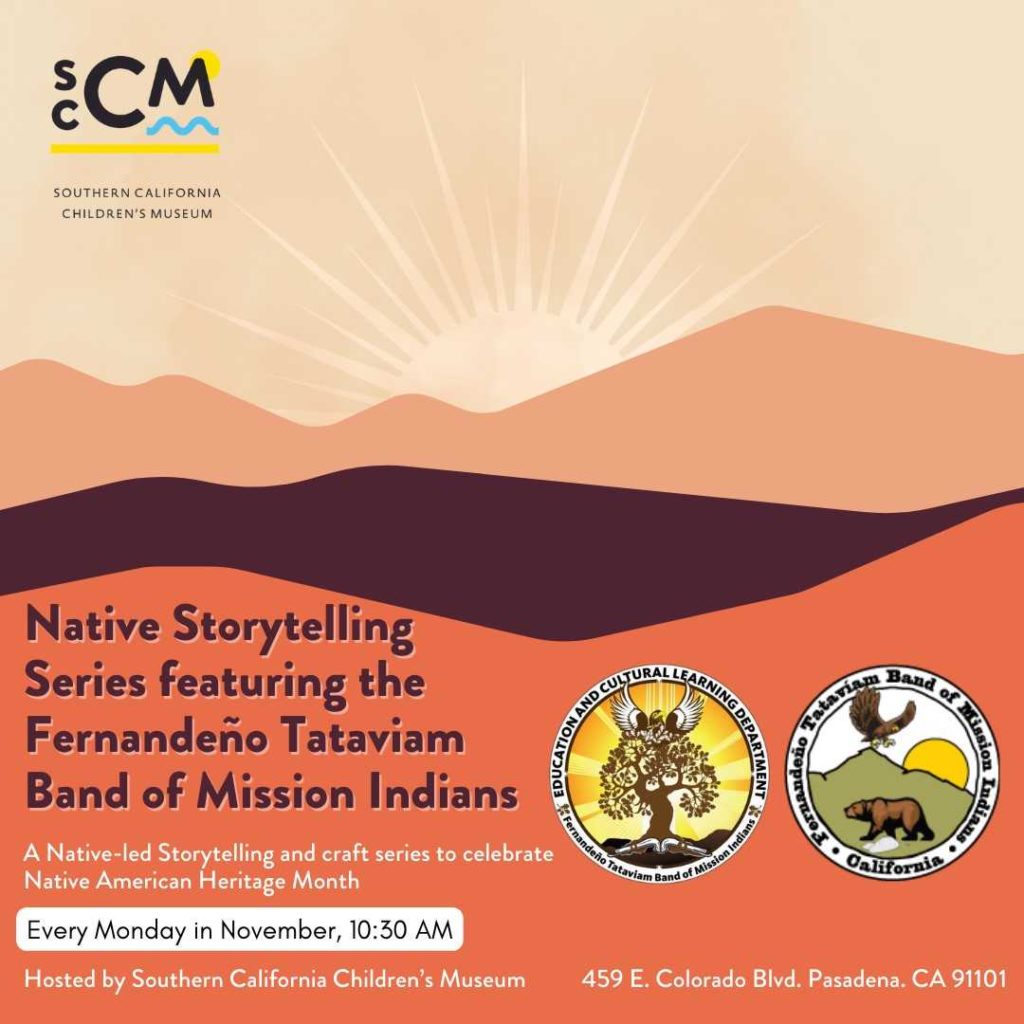
The pervasive influence of mainstream media and Western education systems has also presented challenges, drawing younger generations away from traditional forms of learning and entertainment. This has led to a fear among elders that their knowledge will die with them.
- Language Immersion Programs: Schools and community centers are creating immersive environments where children learn their ancestral languages, often through the very stories that belong to those languages.
- Digital Archiving: Many tribes are partnering with universities and cultural institutions to record, transcribe, and digitize oral histories and traditional stories, making them accessible to future generations in new formats.
- Youth Engagement: Programs are being developed to teach younger tribal members the art of storytelling, encouraging them to learn from elders and even create new stories that reflect contemporary Indigenous experiences.
- Tribal Colleges and Cultural Centers: These institutions serve as vital hubs for cultural education, offering courses in Native languages, history, and oral traditions, often featuring elder storytellers.
- Native American Authors and Filmmakers: A growing number of Indigenous writers, poets, and filmmakers are bringing tribal stories to wider audiences, often challenging stereotypes and offering authentic perspectives.
Storytelling as a Tool for Empowerment and Advocacy
In the modern era, storytelling on Indian Reservations has become a potent tool for self-determination and advocacy. By sharing their own narratives, Indigenous peoples are reclaiming their voices and challenging long-held stereotypes and misconceptions perpetuated by mainstream society.
These stories provide crucial context for understanding contemporary issues facing tribal communities, such as land rights, environmental justice, health disparities, and the ongoing fight for sovereignty. They humanize experiences that are often reduced to statistics or political debates.
Furthermore, sharing these narratives fosters greater understanding and empathy among non-Native audiences. When people hear stories directly from Indigenous voices, it breaks down barriers and builds bridges towards reconciliation and mutual respect.
How Non-Native Allies Can Support Indigenous Storytelling
- Listen Respectfully: Seek out opportunities to hear stories from Indigenous peoples, whether through books by Native authors, documentaries, or cultural events. Listen with an open mind and heart.
- Support Native Artists and Storytellers: Purchase books, art, music, and films created by Indigenous individuals. Attend performances and workshops. This directly supports the creators and their communities.
- Educate Yourself: Learn about the specific tribes whose traditional lands you reside on. Understand their history, culture, and contemporary issues, moving beyond generalized notions of ‘Native Americans’.
- Advocate for Indigenous Rights: Support policies and initiatives that promote tribal sovereignty, language revitalization, and cultural preservation.
- Avoid Appropriation: Never retell or adapt Indigenous stories without explicit permission and guidance from the originating community. These stories are not for commercial or casual use by outsiders.
Conclusion: The Enduring Flame of Indigenous Narratives
Storytelling on Indian Reservations is far more than a cultural artifact; it is a dynamic, living tradition that continues to shape identity, transmit knowledge, and build resilient communities. Despite centuries of adversity, the flame of Indigenous narratives burns brightly, fueled by the dedication of elders, the curiosity of youth, and the unwavering spirit of tribal nations.
As we move forward, recognizing and honoring these diverse storytelling traditions is crucial for fostering a more inclusive and understanding world. The wisdom embedded in these ancient and contemporary tales offers invaluable lessons for all of humanity, reminding us of our shared connection to the earth, to our ancestors, and to each other.
The power of a story, passed from one generation to the next, is an unbreakable chain, linking the past to the present and guiding the path to the future. On Indian Reservations, this chain remains strong, a testament to the enduring spirit of Indigenous peoples.


