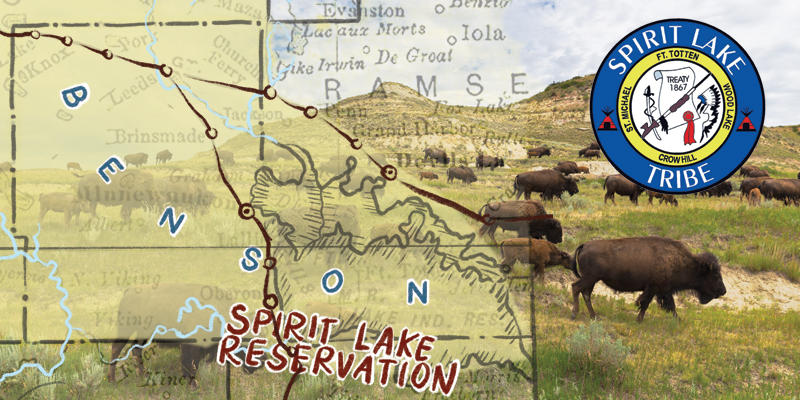
The Spirit Lake Nation, also known as the Mni Wakan Oyate, is a federally recognized tribe located in North Dakota. Their reservation encompasses a vast area with a rich history and vibrant culture. This comprehensive guide delves into various aspects of the Spirit Lake Nation, offering insights into their past, present, and future.
History and Background
The Spirit Lake Nation’s history is deeply intertwined with the land they inhabit. Originally part of the larger Sioux Nation, the Spirit Lake people, primarily of the Dakota and Lakota tribes, have a long and complex history marked by resilience and adaptation. Understanding their historical journey is crucial to appreciating their current identity and challenges.
Pre-Reservation Era
Before the establishment of the reservation, the Spirit Lake people lived a nomadic lifestyle, relying on hunting, gathering, and agriculture. They followed the buffalo herds and cultivated crops along the region’s waterways. Their traditional way of life was deeply connected to the natural world, with a strong emphasis on community and spiritual values.
The Treaty of 1867 and the Reservation’s Establishment
The Treaty of 1867 formally established the Spirit Lake Reservation, also known as the Devils Lake Reservation at the time. This treaty, like many others between the U.S. government and Native American tribes, resulted in the cession of vast amounts of land in exchange for promises of protection, resources, and self-governance. However, the implementation of these promises often fell short, leading to hardship and challenges for the Spirit Lake people.
Challenges and Transformations
The reservation era brought significant challenges, including forced assimilation, loss of cultural practices, and economic hardship. The Spirit Lake Nation faced pressures to abandon their traditional language, religion, and social structures. Despite these challenges, the community persevered, maintaining their cultural identity and fighting for their rights.
Government and Governance
The Spirit Lake Nation operates under a constitution that establishes a tribal government with elected officials. This government is responsible for managing the reservation’s affairs, including law enforcement, education, healthcare, and economic development.
Tribal Council and Leadership
The Tribal Council is the governing body of the Spirit Lake Nation, composed of elected representatives from various districts within the reservation. The Tribal Chairman serves as the chief executive officer, overseeing the day-to-day operations of the tribal government and representing the Nation in external affairs. The council makes decisions on behalf of the tribe, enacting laws and policies that affect the community.
Tribal Departments and Services
The Spirit Lake Nation government provides a wide range of services to its members, including healthcare, education, housing, social services, and economic development programs. These services are designed to improve the quality of life for tribal members and promote self-sufficiency.
Economy and Development
The Spirit Lake Nation’s economy has evolved over time, with a focus on diversification and sustainable development. The tribe operates several businesses and enterprises, providing employment opportunities for tribal members and generating revenue for the community.
Agriculture and Natural Resources
Agriculture remains an important part of the Spirit Lake Nation’s economy, with tribal members engaged in farming and ranching. The reservation also possesses natural resources, such as oil and gas, which are managed by the tribe to generate revenue and support economic development.
Tribal Enterprises and Businesses
The Spirit Lake Casino & Resort is one of the largest employers on the reservation, providing jobs and generating revenue for the tribe. Other tribal enterprises include construction companies, retail stores, and service providers. These businesses contribute to the overall economic vitality of the Spirit Lake Nation.
Education and Culture
Education and cultural preservation are top priorities for the Spirit Lake Nation. The tribe operates its own schools and educational programs, focusing on both academic achievement and cultural awareness. Efforts are also underway to revitalize the Dakota and Lakota languages and promote traditional arts and crafts.
Tribal Schools and Educational Programs
The Spirit Lake Nation operates tribally controlled schools that provide culturally relevant education to students from kindergarten through high school. These schools incorporate Dakota and Lakota language and culture into the curriculum, fostering a sense of pride and identity among students.
Cultural Preservation Efforts
The Spirit Lake Nation is actively involved in preserving and promoting its cultural heritage. Language revitalization programs, cultural events, and traditional arts and crafts workshops are just some of the ways the tribe is working to keep its culture alive for future generations.
Significant Landmarks and Attractions
The Spirit Lake Reservation is home to several significant landmarks and attractions that offer insights into the tribe’s history, culture, and natural beauty.
Fort Totten State Historic Site
Fort Totten, a former military fort, is a well-preserved historic site that offers a glimpse into the past. The fort played a significant role in the history of the Spirit Lake Nation and the surrounding region. Today, it serves as a museum and cultural center, hosting events and educational programs.
Sullys Hill National Game Preserve
Sullys Hill National Game Preserve is a scenic wildlife refuge located on the Spirit Lake Reservation. Visitors can observe a variety of native animals in their natural habitat, including bison, elk, and prairie dogs. The preserve offers hiking trails, picnic areas, and educational exhibits.
Spirit Lake Casino & Resort
The Spirit Lake Casino & Resort is a popular destination for both tribal members and visitors. The casino offers a variety of gaming options, while the resort features comfortable accommodations, dining options, and entertainment.
Community and Contemporary Life
The Spirit Lake Nation is a vibrant and resilient community that is working to build a brighter future for its members. Despite the challenges they face, the Spirit Lake people are proud of their heritage and committed to preserving their culture and traditions.
Healthcare and Social Services
The Spirit Lake Nation provides healthcare and social services to its members through a variety of programs and facilities. These services are designed to address the unique needs of the community and promote overall well-being.
Future Directions and Challenges
The Spirit Lake Nation faces a number of challenges as it looks to the future, including economic development, healthcare, education, and cultural preservation. However, the tribe is committed to overcoming these challenges and building a sustainable and prosperous future for its members.
Economic Development Strategies
The Spirit Lake Nation is pursuing a variety of economic development strategies, including attracting new businesses to the reservation, expanding existing tribal enterprises, and investing in education and job training programs. These efforts are aimed at creating jobs and improving the economic well-being of tribal members.
Addressing Social Issues
The Spirit Lake Nation is working to address a number of social issues, including poverty, unemployment, substance abuse, and domestic violence. The tribe is implementing programs and initiatives designed to prevent these problems and provide support to those in need.
Conclusion
The Spirit Lake Nation is a testament to the resilience and strength of Native American communities. Their rich history, vibrant culture, and commitment to self-governance make them a unique and valuable part of North Dakota and the United States. By understanding their past, present, and future, we can gain a greater appreciation for the Spirit Lake Nation and its contributions to our society. The Spirit Lake Nation continues to navigate challenges while preserving its cultural identity and striving for a brighter future for its people. Their story is one of perseverance, adaptation, and a deep connection to the land.
The Spirit Lake Nation is actively involved in language revitalization programs to preserve the Dakota and Lakota languages.
The Spirit Lake Nation’s government prioritizes healthcare access for all its members, offering comprehensive medical services.
The Spirit Lake Nation hosts cultural events and powwows that are open to the public, fostering cultural exchange and understanding.
The Spirit Lake Nation is working to expand its renewable energy resources to promote sustainability and reduce its carbon footprint.
The Spirit Lake Nation is committed to protecting its natural resources and preserving the environment for future generations.
The Spirit Lake Nation is actively involved in intertribal collaborations to address common challenges and promote mutual support.
The Spirit Lake Nation is dedicated to providing educational opportunities for its youth, ensuring a bright future for the next generation.


