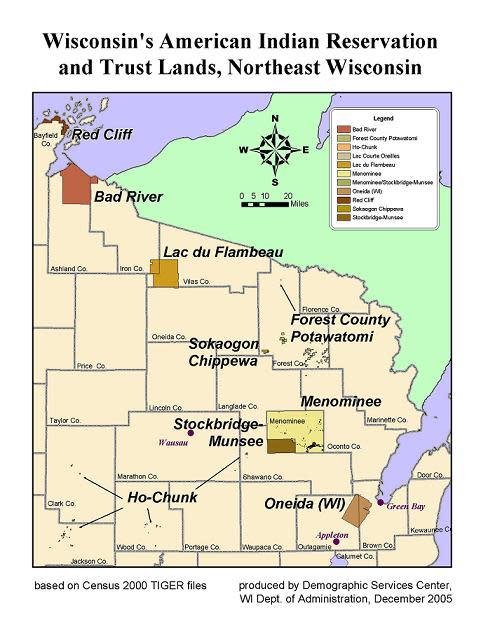
The Sokaogon Chippewa Community, often referred to as the Mole Lake Band of Lake Superior Chippewa, represents a vibrant and resilient Indigenous nation nestled in the pristine wilderness of northern Wisconsin. Their reservation, located primarily in Forest County, is a testament to centuries of cultural endurance, strategic self-governance, and a profound connection to the land and its resources.
This comprehensive article will delve into the rich tapestry that forms the Sokaogon Chippewa Community Reservation, exploring its historical roots, cultural traditions, economic development, and the enduring spirit of its people. From ancient Anishinaabe practices to modern tribal enterprises, we will uncover the essence of Mole Lake.
The Sokaogon Chippewa are part of the larger Anishinaabe people, a vast Indigenous group whose ancestral lands span across the Great Lakes region of North America. Their history in what is now Wisconsin predates European contact by thousands of years, marked by sophisticated social structures, spiritual beliefs, and a harmonious relationship with the natural world.
For generations, the Sokaogon people thrived by utilizing the abundant resources of their territory. Their traditional economy revolved around seasonal cycles: harvesting wild rice (manoomin) from the numerous lakes, tapping maple trees for syrup, hunting deer and other game, and fishing in the clear waters. These practices were not merely subsistence but integral to their cultural and spiritual identity.
The 19th century brought immense change and challenge. As European settlers expanded westward, the Sokaogon, like many other Indigenous nations, faced pressure to cede their ancestral lands through a series of treaties. While the 1854 Treaty of La Pointe established reservations for several Lake Superior Chippewa bands, the Sokaogon were initially overlooked, leading to decades of struggle for formal recognition and a land base.
Despite being landless for many years, the Sokaogon people maintained their community ties and cultural practices, refusing to abandon their ancestral territory. They continued to live in their traditional areas around Mole Lake, asserting their inherent rights and identity, even as state and federal policies sought to assimilate Indigenous populations.

A pivotal moment in their history came with the establishment of the Sokaogon Chippewa Community Reservation in 1937, under the Indian Reorganization Act. This marked a significant victory, providing a sovereign land base and enabling the community to formally re-establish its government and rebuild its infrastructure. The reservation, though relatively small, became a crucial anchor for their cultural and political resurgence.
The heart of Sokaogon culture lies in its deep connection to the Ojibwe language (Anishinaabemowin) and traditional spiritual practices. Efforts to revitalize the language are ongoing, with programs aimed at teaching younger generations the words and wisdom of their ancestors. Ceremonies, storytelling, and drumming remain vital components of community life.
Manoomin, or wild rice, holds profound cultural and economic significance for the Sokaogon. The annual wild rice harvest is not just about gathering food; it’s a sacred practice that connects the community to its heritage, the land, and the Creator. It reinforces traditional ecological knowledge and strengthens communal bonds.
Other traditional crafts and arts, such as basket weaving, beadwork, and birch bark art, are carefully preserved and passed down through generations. These art forms are not only expressions of beauty but also carry stories, symbols, and historical narratives of the Sokaogon people.
The Sokaogon Chippewa Community operates as a sovereign nation with its own distinct governmental structure. A democratically elected Tribal Council, consisting of a Chairman, Vice-Chairman, Secretary, Treasurer, and two Council Members, oversees the affairs of the community, making decisions that reflect the best interests of its members.
Economic development has been crucial for the Sokaogon’s self-sufficiency. The most prominent tribal enterprise is the Mole Lake Casino & Lodge, which provides significant employment opportunities for tribal members and surrounding communities, generating revenue that funds essential governmental services and cultural programs.
Beyond the casino, the tribe engages in various other economic ventures, including retail operations, natural resource management, and other small businesses. These initiatives are carefully planned to promote sustainable growth while respecting the tribe’s environmental values.
The revenue generated from tribal enterprises is reinvested into the community, funding critical services such as education, healthcare, housing, and infrastructure. This commitment to self-determination ensures that the Sokaogon can provide for their members and build a stronger future.
The Sokaogon Chippewa Community places a high priority on the well-being and development of its members. The Sokaogon School provides culturally relevant education from early childhood through eighth grade, integrating Ojibwe language and culture into its curriculum.
Healthcare services, social programs, and housing initiatives are also central to tribal operations, ensuring that members have access to essential resources. Community events, like powwows and cultural gatherings, are vital for maintaining social cohesion and celebrating their heritage.
The reservation is situated amidst the stunning natural beauty of northern Wisconsin, characterized by dense forests, pristine lakes, and diverse wildlife. This rich ecological landscape is not just a backdrop but an integral part of the Sokaogon identity and livelihood.
The Sokaogon Chippewa are renowned for their strong commitment to environmental stewardship and the protection of their natural resources. They have been at the forefront of efforts to preserve water quality, protect wild rice beds, and manage forest resources sustainably.
A notable example of their environmental advocacy includes their successful efforts to prevent proposed metallic sulfide mining operations that threatened the pristine waters and wild rice beds of Mole Lake and the surrounding ecosystem. This battle highlighted their unwavering dedication to protecting their ancestral lands for future generations.
As with many Indigenous nations, the Sokaogon Chippewa Community continues to navigate challenges related to sovereignty, economic diversification, and the preservation of culture in a rapidly changing world. However, their history is one of remarkable resilience and adaptability.
The community remains steadfast in its efforts to assert tribal sovereignty, protect treaty rights, and advocate for policies that support Indigenous self-determination. They are active participants in regional and national discussions concerning Native American issues.
For those interested in experiencing the culture and natural beauty of the Sokaogon Chippewa Community, respectful visitation is welcomed. The Mole Lake Casino & Lodge offers accommodations and entertainment, while cultural events like powwows provide opportunities to learn about and appreciate their traditions.
Visitors are encouraged to be mindful of tribal sovereignty and cultural protocols. Engaging with the community, perhaps through attending a public event or visiting the casino, offers a chance to support their economic endeavors and gain a deeper understanding of their vibrant culture.
The Sokaogon Chippewa Community Reservation at Mole Lake stands as a powerful symbol of Indigenous resilience, cultural preservation, and environmental advocacy. From their ancient Anishinaabe roots to their modern self-governance, the Sokaogon people continue to thrive, guided by their deep connection to the land and their ancestral heritage.
Their story is a testament to the enduring strength of Indigenous nations in the face of adversity and a shining example of how traditional values can guide a community towards a prosperous and sustainable future. The Sokaogon Chippewa are not just a part of Wisconsin’s history; they are a vital and active part of its present and future.


