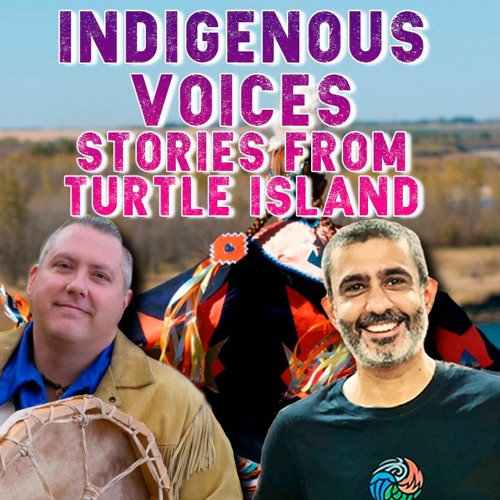
Reclaiming the Digital Fireside: How Social Media Empowers Indigenous Voices on Turtle Island
For centuries, the narratives of Indigenous peoples on Turtle Island – a term encompassing North America, rooted in various Indigenous creation stories – have been largely dictated, distorted, or dismissed by colonial media. From stereotypical portrayals to outright erasure, the mainstream press historically served as a gatekeeper, silencing authentic Indigenous voices and perspectives. Today, however, a profound shift is underway. Social media platforms, once seen merely as tools for casual connection, have emerged as powerful digital firesides, enabling Indigenous communities to reclaim their narratives, revitalize cultures, mobilize for justice, and forge connections across vast distances. This isn’t just about presence; it’s about sovereignty in the digital age.
The historical context is crucial to understanding the revolutionary impact of social media. For generations, Indigenous peoples have fought for their stories to be heard on their own terms. Traditional media often perpetuated harmful myths, reducing diverse nations to monolithic caricatures or presenting them solely through the lens of poverty and struggle. This misrepresentation not only harmed Indigenous self-perception but also fueled systemic discrimination and a lack of understanding among non-Indigenous populations. The control over one’s narrative is inextricably linked to self-determination, and without it, the fight for land, rights, and recognition becomes an uphill battle against deeply ingrained biases. Social media offers a direct conduit, bypassing the traditional editors, producers, and newsrooms that historically filtered, and often distorted, Indigenous experiences.
One of the most transformative aspects of this digital revolution is the ability for Indigenous individuals and communities to directly tell their own stories, fostering a profound sense of cultural revitalization. Platforms like Instagram, TikTok, Facebook, and YouTube have become vibrant canvases where Indigenous creators share their daily lives, traditions, art, music, and humor. This direct engagement allows for the nuanced portrayal of diverse Indigenous identities, challenging the monolithic stereotypes of the past. Young Indigenous people, in particular, are finding powerful ways to connect with their heritage. On TikTok, for instance, #NativeTikTok has become a phenomenon, featuring creators sharing traditional dances, language lessons, historical facts, and contemporary Indigenous humor, often reaching millions of viewers worldwide. This informal education is vital, making cultural knowledge accessible and engaging, particularly for those disconnected from their communities.
Language preservation, a critical component of cultural survival, has found a fertile ground in these digital spaces. Centuries of colonial policies, including residential schools, actively suppressed Indigenous languages, pushing many to the brink of extinction. Now, apps and social media groups are being used to teach and practice these languages. Elders, who are the knowledge keepers, can share their linguistic wisdom with younger generations through video tutorials, live streams, and interactive posts. For example, Cree, Ojibwe, and Mohawk language lessons are flourishing online, often led by fluent speakers who leverage the visual and audio capabilities of platforms to make learning dynamic and accessible. This digital fluency is not just about words; it’s about reconnecting with worldviews and epistemologies embedded within the languages, fostering a deeper sense of identity and belonging.
Beyond cultural sharing, social media has proven to be an indispensable tool for activism, advocacy, and education. Indigenous movements have long struggled for mainstream media attention, but platforms like Twitter and Facebook allow for rapid mobilization and global amplification of critical issues. The Standing Rock Sioux Tribe’s fight against the Dakota Access Pipeline in 2016-2017 is a prime example. Social media became the primary vehicle for sharing updates, organizing solidarity actions, and garnering international support, bypassing a largely indifferent mainstream press. Similarly, the #MMIWG2S+ (Missing and Murdered Indigenous Women, Girls, and Two-Spirit+) movement has gained significant traction online, raising awareness about a human rights crisis that has historically been ignored. Indigenous activists use these platforms to share stories, call for justice, and demand accountability, turning personal tragedies into public calls for action.
Indigenous content creators also serve as vital educators, dismantling misinformation and promoting a more accurate understanding of Indigenous history and contemporary issues. Accounts like @notoriouscree (James Jones) on TikTok blend traditional dance with powerful messages about Indigenous resilience, while activists and scholars use Twitter to dissect current events through an Indigenous lens. These creators often engage directly with their audiences, answering questions, correcting misconceptions, and fostering dialogue that might not occur in traditional educational settings. This direct communication is crucial for truth and reconciliation, providing non-Indigenous people with the opportunity to learn directly from Indigenous voices, fostering empathy and informed allyship.
Furthermore, social media offers avenues for economic empowerment and digital entrepreneurship. Indigenous artists, artisans, and entrepreneurs are leveraging platforms like Instagram and Etsy to market their unique creations directly to a global audience, bypassing intermediaries and building self-sustaining economies. This direct-to-consumer model not only provides economic opportunities but also allows creators to retain cultural control over their designs and narratives, ensuring authenticity and fair compensation. From traditional beadwork and contemporary art to Indigenous-owned businesses selling clothing or beauty products, social media is helping to build and sustain Indigenous economies in innovative ways.
However, the digital landscape is not without its significant challenges for Indigenous communities. The persistent issue of online harassment and racism remains a major hurdle. Indigenous creators and activists frequently face a barrage of hate speech, racial slurs, and threats, often from anonymous accounts. This digital violence can take a severe toll on mental health and can discourage individuals from sharing their voices. Platforms’ moderation policies are often criticized for being inadequate or inconsistently applied, leading to Indigenous content being unfairly removed while hate speech persists. "We often see our content, especially that which highlights colonial violence or systemic racism, being flagged and removed for ‘hate speech,’ while genuine hate directed at us remains," notes an Indigenous digital rights advocate, highlighting a critical bias in content moderation.
Another significant challenge is the digital divide. Many remote Indigenous communities on Turtle Island still lack access to reliable, affordable high-speed internet. This disparity in infrastructure creates a significant barrier to participation, exacerbating existing inequalities and preventing some communities from fully harnessing the educational, economic, and advocacy benefits of social media. Even where internet access exists, the cost of data and devices can be prohibitive.
Concerns around data sovereignty and privacy also loom large. Indigenous communities are increasingly aware of how their data is collected, stored, and used by large tech companies. There’s a growing movement to assert Indigenous data sovereignty, ensuring that data related to Indigenous peoples is governed by Indigenous laws and protocols, protecting cultural knowledge and community privacy from corporate exploitation or government surveillance. The implications of platform algorithms, which can amplify certain voices while suppressing others, also raise questions about who truly controls the narrative in these digital spaces.
Despite these significant hurdles, the impact of social media on Indigenous voices on Turtle Island is undeniably transformative. It has provided a powerful, decentralized means for communities to connect, heal, educate, and mobilize. It is a testament to Indigenous resilience and innovation, turning the very tools of the modern age into instruments of self-determination and cultural resurgence. The digital fireside, though a new concept, echoes ancient traditions of storytelling and community gathering, allowing Indigenous peoples to weave their narratives into the fabric of the global conversation, on their own terms, asserting their presence, power, and sovereignty in a world that has too long tried to silence them. As these platforms evolve, so too will the ingenuity of Indigenous creators and activists, continuing to shape a future where their voices are not just heard, but deeply understood and celebrated.


