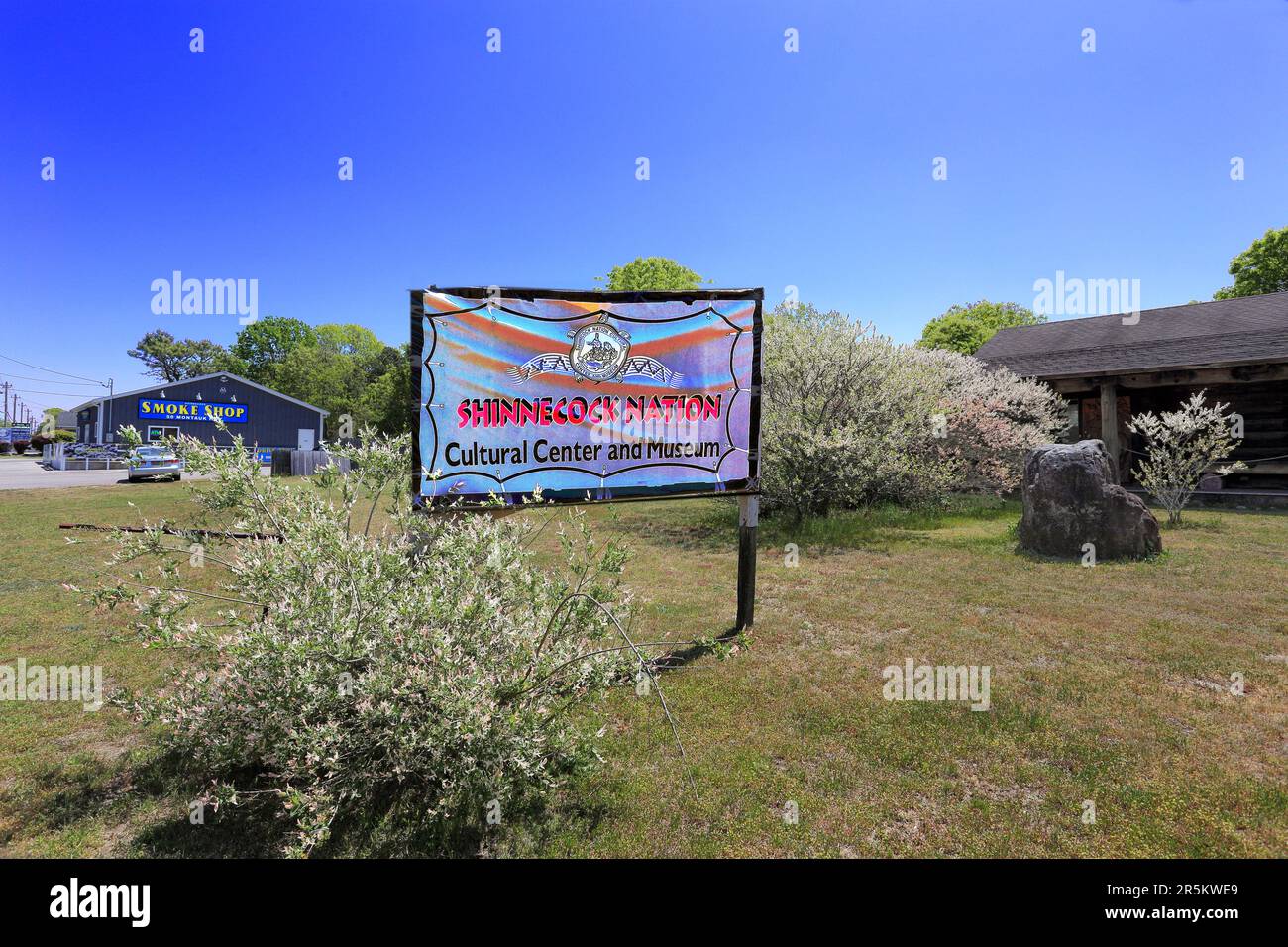
Long Island, a diverse landscape known for its beaches and bustling communities, is also home to a deeply rooted and historically significant sovereign nation: the Shinnecock Indian Nation. Located on the south shore of eastern Long Island, near Southampton, the Shinnecock Reservation stands as a testament to the resilience, cultural richness, and continuous presence of Indigenous peoples in New York.
For thousands of years, long before European contact, the Shinnecock people thrived on this land, utilizing its abundant natural resources. Their ancestral territory stretched across what is now known as the Hamptons, encompassing vast forests, fertile fishing grounds, and rich agricultural lands. They were skilled navigators, hunters, farmers, and expert shell-workers, known for their production of wampum.
The Shinnecock Nation’s history is one of deep connection to the land and water, particularly the Shinnecock Bay, which has sustained them for generations. Their traditional way of life was intricately woven with the rhythms of nature, guided by profound respect for the environment and a sophisticated understanding of their ecosystem.
The arrival of European settlers in the 17th century brought profound changes. Despite treaties and agreements, the Shinnecock, like many other Indigenous nations, faced immense pressure to cede their lands. Through a complex series of events, land sales, and legislative actions, their ancestral domain was significantly reduced.
The Shinnecock Reservation, as it exists today, was officially established in 1703, making it one of the oldest continuously inhabited Native American reservations in the United States. It comprises approximately 800 acres of prime waterfront property, a fraction of their original territory but a vital stronghold for their culture and community.
Central to Shinnecock identity is their vibrant culture, which they have painstakingly preserved and revitalized. Their language, Algonquian, though endangered, is being actively taught and celebrated, ensuring that future generations can connect with their linguistic heritage.
Traditional ceremonies and practices remain integral to Shinnecock life. The annual Shinnecock Powwow, held every Labor Day weekend, is a powerful demonstration of their cultural vitality. It draws thousands of visitors from across the country and beyond, offering a rich display of dance, drumming, artistry, and traditional foods.
This event is not merely a celebration; it is a profound expression of sovereignty, community, and remembrance, allowing both Shinnecock people and visitors to experience the depth of their traditions. It’s a significant cultural and economic event for the community.
The Shinnecock Indian Museum and Cultural Center serves as a repository of their history and artifacts, educating the public about their past, present, and future. It showcases ancient tools, traditional crafts, and narratives that highlight the Shinnecock’s enduring presence on Long Island.
What is the Shinnecock Nation known for? Beyond their ancient history and cultural preservation, the Shinnecock Nation is known for its fierce advocacy for tribal sovereignty, environmental stewardship, and innovative economic development initiatives. They are also highly regarded for their artistry, particularly basket weaving and beadwork.
Tribal sovereignty is a cornerstone of the Shinnecock Nation’s existence. As a federally recognized tribe, they possess the inherent right to govern themselves, manage their lands, and make decisions for their community. This self-governance allows them to maintain their cultural identity and pursue self-determination.
This sovereignty extends to various aspects of governance, including law enforcement, judicial systems, and economic regulation within the reservation boundaries. It is a constant affirmation of their status as a distinct nation within the larger United States.
In recent decades, the Shinnecock Nation has embarked on various economic development ventures to ensure the well-being and prosperity of its members. These initiatives are crucial for providing employment, funding essential services, and securing the nation’s future.
One significant endeavor has been the exploration of gaming enterprises. After a long and arduous journey, the Shinnecock Nation received federal approval for a casino project, a move aimed at generating much-needed revenue for infrastructure, healthcare, and education within the community. This also includes the development of cannabis dispensaries, a growing industry providing further economic opportunities.
Other economic activities include commercial fishing, shellfishing, and small businesses operated by tribal members. These efforts reflect a strategic approach to building a diversified economy that respects their traditions while embracing modern opportunities.

Do the Shinnecock Nation pay taxes? This is a common question related to tribal sovereignty. As a federally recognized sovereign nation, the Shinnecock Nation, and its tribal government, are generally exempt from state and local taxes on reservation lands. Individual tribal members often pay federal income taxes, but their income earned on the reservation may be exempt from state income taxes, depending on specific agreements and laws. Businesses operating on tribal lands are subject to tribal law and may or may not be subject to state taxes, depending on agreements.
The Shinnecock Nation has faced numerous challenges throughout its history, including ongoing land disputes, environmental threats, and the complexities of maintaining cultural integrity in a rapidly changing world. They have consistently fought to protect their ancestral lands and waters from pollution and overdevelopment.
Environmental stewardship is not just a policy; it’s a deeply ingrained cultural value. The Shinnecock actively work to preserve the health of Shinnecock Bay and surrounding ecosystems, understanding that the health of the environment is directly linked to the health of their community.
Modern Shinnecock life blends tradition with contemporary realities. Tribal members pursue diverse careers, from traditional crafts to advanced degrees in various fields. Education is highly valued, with many Shinnecock youth attending universities and returning to contribute to their community.
Community initiatives focus on health, education, housing, and elder care, all governed by the Shinnecock Nation’s tribal council. These programs are designed to uplift and support every member, from the youngest to the oldest, fostering a strong sense of belonging and mutual responsibility.
Visitors interested in learning more about the Shinnecock Nation are encouraged to visit the Shinnecock Indian Museum and Cultural Center and attend the annual Powwow. These venues offer respectful and educational opportunities to engage with Shinnecock culture and history.
When visiting, it is important to remember that you are on sovereign land. Respect for the community, its customs, and its privacy is paramount. Engaging with tribal members at cultural events provides a unique opportunity to learn directly from the people themselves.
The Shinnecock Nation stands as a powerful symbol of endurance and self-determination on Long Island. Their story is not just one of the past but a vibrant narrative of a people actively shaping their future, preserving their heritage, and contributing to the rich tapestry of American society.
Their ongoing struggle for justice, land rights, and recognition highlights the broader issues faced by Indigenous peoples across the globe. The Shinnecock’s success in maintaining their identity against centuries of pressure offers valuable lessons in resilience and cultural pride.
In conclusion, the Shinnecock Nation Reservation on Long Island is far more than just a geographical location; it is a living, breathing testament to an ancient culture, a sovereign government, and a resilient people. Their deep connection to the land, their vibrant traditions, and their unwavering commitment to self-determination continue to enrich Long Island and the greater world. Learning about the Shinnecock Nation is essential for understanding the true, complex history of New York and celebrating its Indigenous heritage.


