
The concept of self-determination for Native American tribes represents a pivotal shift in the relationship between tribal nations and the United States federal government. Far from a mere policy, it embodies a fundamental right to govern, to manage resources, and to preserve cultural identity. This comprehensive exploration delves into the historical context, the legislative milestones, the profound benefits, and the ongoing challenges faced by tribal nations in their pursuit of true self-determination.
Understanding self-determination requires an appreciation of its historical roots, evolving from centuries of complex and often coercive federal Indian policies. For generations, federal policies sought to assimilate, terminate, or control Native American tribes, stripping them of their inherent sovereignty and cultural practices.
The journey towards self-determination is a testament to the resilience and unwavering spirit of indigenous peoples. It marks a departure from paternalistic approaches, empowering tribes to chart their own destinies and revitalize their communities.
The Long Road to Sovereignty: A Historical Overview
Federal Indian policy in the United States has cycled through various eras, each leaving an indelible mark on tribal nations. From the removal policies of the 19th century to the allotment and assimilation efforts of the late 1800s and early 1900s, the goal was often to dismantle tribal structures and integrate Native Americans into mainstream society.
The Indian Reorganization Act (IRA) of 1934, while often seen as a turning point away from allotment, still operated within a framework of federal oversight. It aimed to establish tribal governments along federal models, but true autonomy remained elusive.


The mid-20th century brought the devastating Termination Era (1950s-1960s), where the federal government sought to end its trust relationship with tribes, leading to the loss of land, resources, and federal recognition for many. This period highlighted the critical need for a new approach, one that respected tribal sovereignty.
The Dawn of a New Era: Nixon and ISDEAA
The shift towards self-determination formally began with President Richard Nixon’s landmark message to Congress in 1970, articulating a policy of self-determination without termination. He declared, “The time has come to break decisively with the past and to create the conditions for a new era in which the Indian future is determined by Indian acts and Indian decisions.”
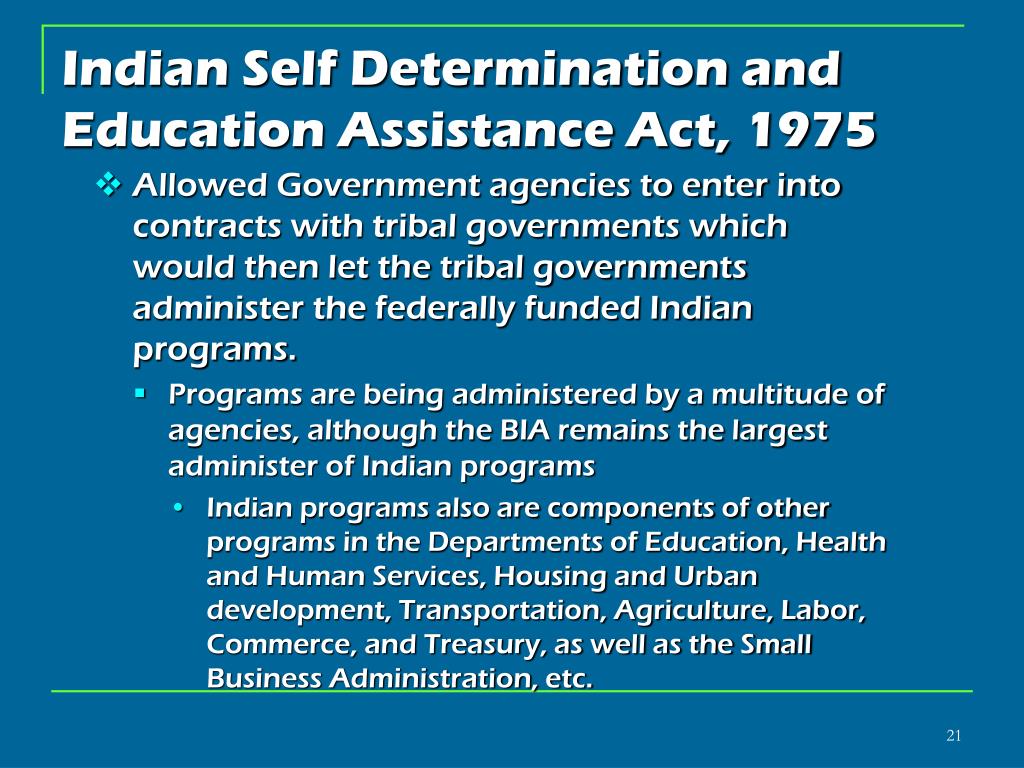
This powerful declaration paved the way for the most significant piece of legislation in this era: the Indian Self-Determination and Education Assistance Act (ISDEAA) of 1975. This act fundamentally altered the relationship between tribes and the federal government.
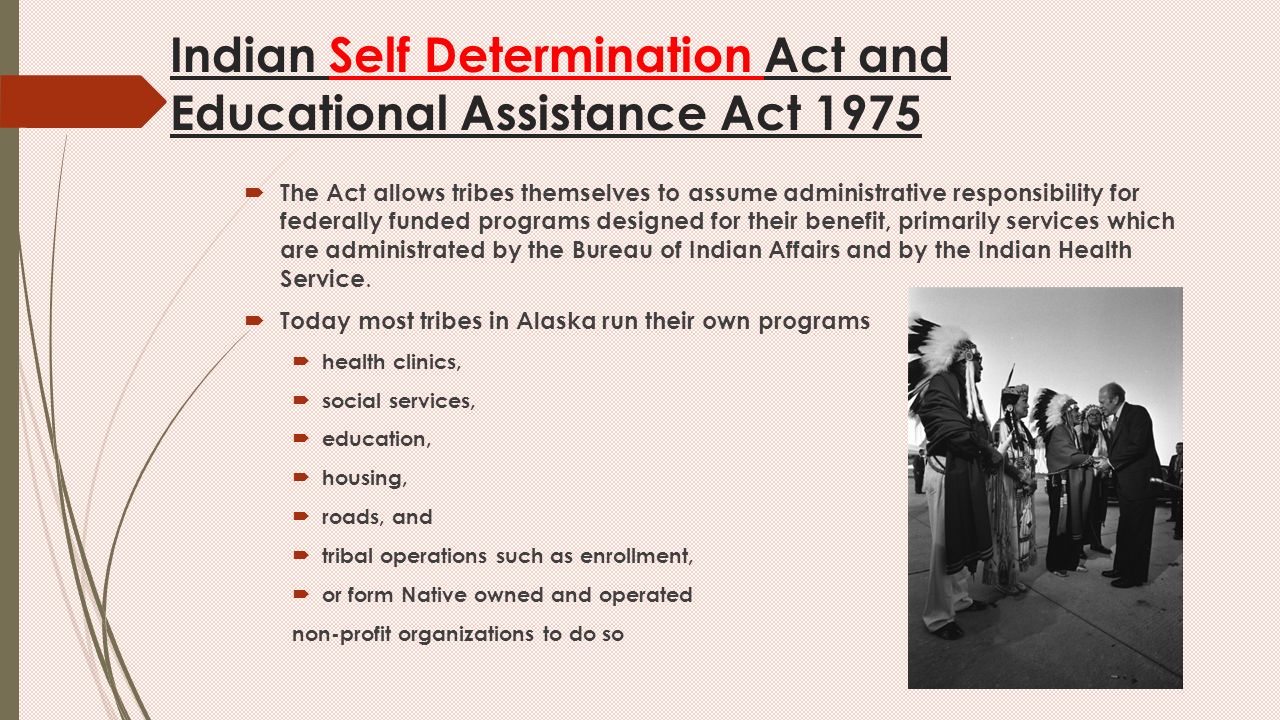
The ISDEAA empowers tribal governments to contract with the federal government to run programs and services previously administered by federal agencies like the Bureau of Indian Affairs (BIA) and the Indian Health Service (IHS). It also allows tribes to enter into self-governance compacts, providing even greater flexibility and control over federal funds.
Understanding the Core Principles of Self-Determination
At its heart, self-determination means that tribal nations have the inherent right to make decisions about their own governance, economic development, cultural preservation, and the well-being of their citizens. It is not a grant from the federal government, but an affirmation of pre-existing sovereignty.
- Self-Governance: The ability to establish and enforce tribal laws, manage tribal lands, and administer justice systems.
- Economic Development: The right to develop and manage tribal economies, create jobs, and foster financial independence.
- Cultural Preservation: The freedom to revitalize languages, traditions, spiritual practices, and educational systems unique to each tribe.
- Program Management: The authority to design and deliver health, education, housing, and social services that are culturally appropriate and effective for their communities.
Transformative Benefits of Tribal Self-Governance
Enhanced Program Effectiveness: When tribes manage their own programs, they can tailor services to meet the specific needs and cultural contexts of their communities, leading to more effective outcomes in areas like healthcare, education, and social services.
Economic Growth and Job Creation: Self-determination has fueled significant economic development on many reservations. Tribes have established diverse enterprises, including casinos, tourism ventures, manufacturing, and natural resource management, creating jobs and vital revenue that is reinvested into the community.
Cultural Revitalization: Empowered to control their own institutions, tribes have made great strides in preserving and revitalizing their languages, ceremonies, and traditional arts. This renewed focus on cultural identity strengthens community bonds and fosters pride.
Improved Health Outcomes: Tribal control over health services allows for the development of culturally competent care models, addressing historical trauma and integrating traditional healing practices, leading to better public health outcomes.
Stronger Education Systems: From tribally controlled schools to tribal colleges and universities, self-determination has enabled indigenous communities to build educational institutions that reflect their values, languages, and histories, preparing future generations for success.
Navigating the Obstacles: Challenges in Self-Determination
Chronic Underfunding: While tribes can contract to run programs, the federal funding allocated for these services is often inadequate, falling short of the actual needs and statutory obligations. This forces tribes to do more with less.
Bureaucratic Hurdles and Regulations: The process of contracting and compacting with federal agencies can be complex and burdensome, requiring extensive reporting and compliance with federal regulations that may not always align with tribal governance structures.
Jurisdictional Complexities: Issues of jurisdiction on reservations, particularly concerning non-Native residents or state versus tribal law, can create legal and enforcement challenges that undermine tribal authority.
Capacity Building Needs: Many tribes require ongoing support for developing the administrative, technical, and professional capacity to manage complex programs effectively, especially after generations of federal control.
External Opposition and Misunderstanding: Tribal self-determination sometimes faces political opposition or a lack of understanding from state and local governments, and the broader public, regarding the scope and nature of tribal sovereignty.
Self-Determination in Action: Success Stories
Numerous tribes serve as powerful examples of self-determination in action. The Cherokee Nation, for instance, operates a comprehensive healthcare system, a vibrant housing authority, and extensive cultural preservation programs. The Mashantucket Pequot Tribal Nation has leveraged economic development to rebuild its community and fund essential services.
From managing vast natural resources responsibly to establishing sophisticated justice systems and developing innovative renewable energy projects, tribes are demonstrating their capacity for effective governance and sustainable development.
The Future of Tribal Self-Determination
The trajectory of self-determination points towards even greater autonomy and innovation. Future efforts will likely focus on strengthening tribal governments, diversifying economies beyond gaming, expanding access to technology, and fostering the next generation of indigenous leaders.
Continued advocacy for adequate funding, streamlined administrative processes, and greater respect for inherent tribal sovereignty will be crucial. The goal remains for tribal nations to be fully empowered to determine their futures, free from federal paternalism, and to thrive on their own terms.
In conclusion, self-determination on Indian Reservations is more than a policy; it is a fundamental human right and a testament to the enduring strength of Native American tribes. It represents a journey from historical subjugation to empowered self-governance, driven by the desire to preserve unique cultures, foster economic independence, and ensure the well-being of future generations. While challenges persist, the progress made under self-determination policies underscores the profound benefits of respecting and upholding tribal sovereignty.
The legacy of the Indian Self-Determination and Education Assistance Act continues to empower tribal nations, affirming their rightful place as sovereign governments within the fabric of the United States. It’s a journey that demands ongoing support, understanding, and respect for the diverse and vibrant indigenous nations shaping their own destinies.


