
Exploring the rich cultural landscapes and natural beauty of Native American reservations offers unparalleled opportunities for education, recreation, and connection. However, it’s crucial to understand that these lands are not public lands in the traditional sense. They are sovereign territories, governed by distinct tribal laws and customs, and engaging in any specific activity often requires explicit permission.
This comprehensive guide aims to demystify the process of seeking permission, ensuring your visit or activity is respectful, legal, and mutually beneficial. Understanding and adhering to tribal protocols is not just a legal obligation; it’s a fundamental demonstration of respect for Indigenous communities, their heritage, and their self-governance.
Understanding Tribal Sovereignty and Jurisdiction
At the heart of why permission is necessary lies the concept of tribal sovereignty. Native American reservations are recognized as sovereign nations within the United States, possessing the inherent right to govern themselves, manage their lands, and determine who can access and utilize their resources. This means that federal, state, and local laws often do not apply in the same way on tribal lands, and tribal governments hold jurisdiction.
Ignoring this sovereignty can lead to legal penalties, strained relations, and a profound disrespect for the Indigenous communities who have stewarded these lands for millennia. Always remember that you are a guest on someone else’s homeland.
Why Permission is Paramount
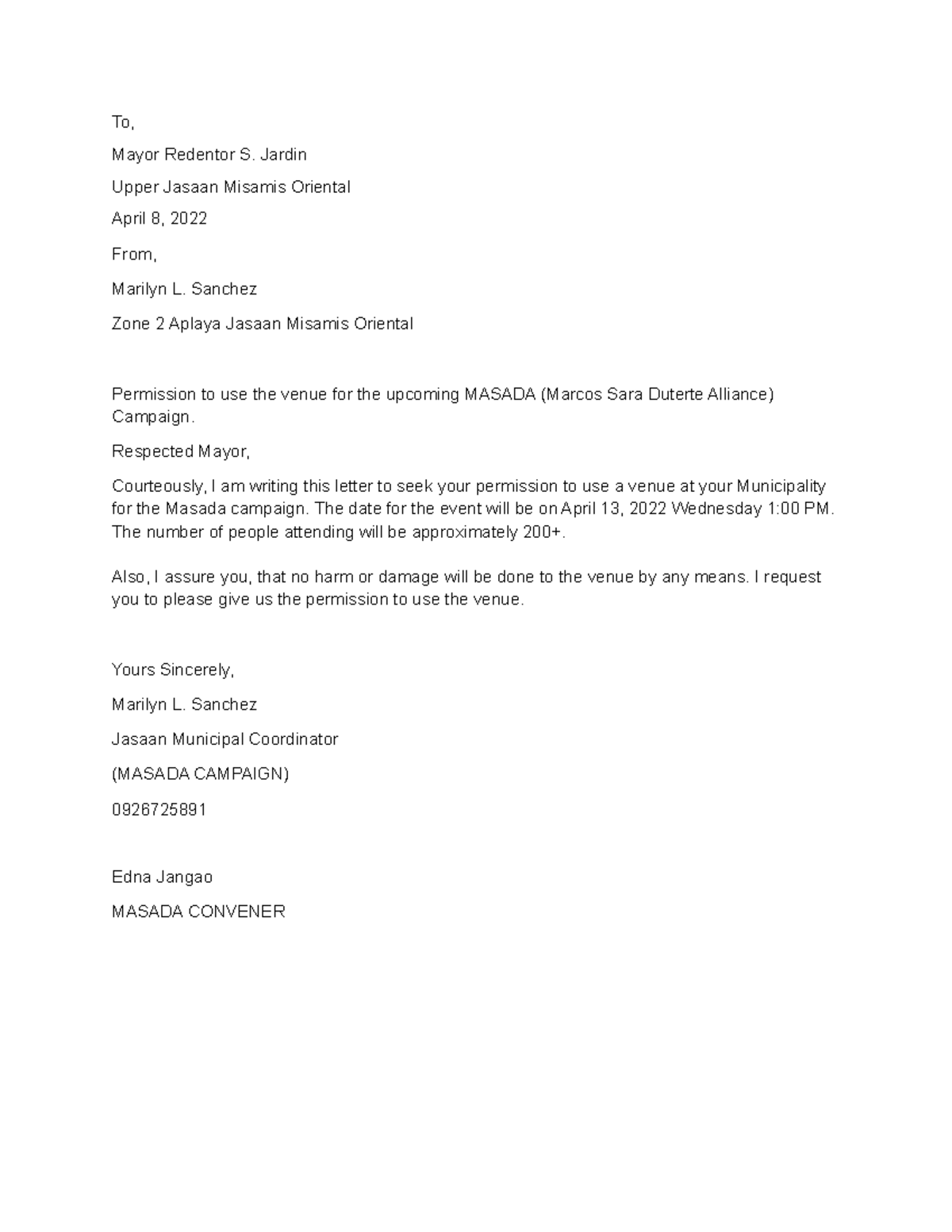
Seeking permission is more than a formality; it’s a critical step for several reasons. Firstly, it acknowledges and respects the tribal nation’s inherent right to self-determination and control over its territory and resources. Secondly, it ensures your safety and compliance with local laws, preventing potential legal issues or misunderstandings.
Furthermore, it helps protect culturally sensitive sites, sacred areas, and natural resources that may be vital to the tribe’s identity and well-being. Many activities, even seemingly innocuous ones, can have significant impacts if not properly managed or understood within the tribal context.
Common Activities Requiring Permission
While the specific rules vary significantly from one reservation to another, a wide range of activities typically necessitate formal permission. It’s always best to err on the side of caution and inquire, even if you’re unsure.
- Hunting and Fishing: These are almost universally regulated by tribal fish and wildlife departments. State hunting and fishing licenses are invalid on most reservations; you will need tribal licenses and permits.
- Camping and Hiking: While some reservations may have designated public access areas or tribal parks, many areas are restricted. Dispersed camping or hiking off marked trails often requires specific permits.
- Photography and Filming: Especially for commercial purposes or involving people, structures, or ceremonies, explicit permission is crucial. Cultural sensitivity regarding photography is paramount.
- Research and Academic Studies: Any scientific, anthropological, or historical research must be approved by the tribal government. This often involves a formal proposal, ethical review, and agreements on data sharing and intellectual property.
- Resource Gathering: Collecting plants, minerals, or other natural resources, even for personal use, is strictly controlled and requires permits.
- Event Hosting or Commercial Ventures: Organizing any public or commercial event, or establishing a business, requires direct engagement and approval from the tribal council or relevant department.
- Drone Usage: Operating drones, whether for recreation or commercial purposes, is often heavily restricted or prohibited due to privacy, safety, and cultural concerns.
Who to Contact: Navigating Tribal Administration
Identifying the correct point of contact is the first step in the permission process. This can vary by tribe and by the nature of your activity. General inquiries can often start with the main tribal administration office or the tribal council.
For specific activities, look for departments such as:
- Tribal Fish and Wildlife Department: For hunting, fishing, and outdoor recreation permits.
- Tribal Historic Preservation Office (THPO) or Cultural Affairs Department: For research, photography involving cultural sites, or any activity impacting heritage.
- Tribal Land Management or Planning Department: For land use, camping, or larger development projects.
- Tribal Tourism Office: If your activity is tourism-related, they can often guide you to the right contacts or offer existing permitted activities.
Many tribes maintain official websites that provide contact information, visitor guidelines, and sometimes even online application forms for permits. Always check the tribe’s official online resources first.

The Permission Process: Step-by-Step Guidance
The process for obtaining permission can range from a simple phone call to a complex formal application requiring multiple reviews. Patience and thoroughness are key.
- Research Thoroughly: Before making contact, research the specific tribal nation, its history, culture, and any publicly available visitor policies.
- Initial Contact: Reach out via phone or email to the appropriate department. Clearly state your purpose, the nature of your activity, and the desired dates.
- Formal Application (if required): Many tribes will require a written application. This may include a detailed proposal, proof of insurance, a safety plan, and a statement of cultural sensitivity.
- Fees and Permits: Be prepared for potential application fees, permit costs, or even bond requirements, especially for commercial activities or those with potential environmental impact.
- Review and Approval: The review process can take time, as proposals may need to go through various committees or the full tribal council. Respect their timeline.
- Adherence to Conditions: Once permission is granted, strictly adhere to all conditions, stipulations, and guidelines provided by the tribe.
Key Considerations for a Successful Request
Beyond the procedural steps, several elements contribute to a respectful and successful permission request.
Cultural Sensitivity: Demonstrate an understanding and respect for the tribe’s culture, traditions, and sacred sites. Avoid language that is demanding or presumptuous. Frame your request in terms of how it might align with tribal values or benefit the community.
Environmental Impact: Be prepared to discuss the environmental impact of your proposed activity and how you plan to mitigate any negative effects. Show a commitment to leaving no trace.
Liability and Insurance: Understand that you may be required to sign liability waivers or provide proof of insurance, particularly for higher-risk activities. Tribal governments have their own legal frameworks.
Transparency and Honesty: Be completely transparent about your intentions and the scope of your activity. Any attempt to hide information can lead to immediate revocation of permission and future difficulties.
Common Misconceptions and Consequences of Non-Compliance
One common misconception is that if an area is undeveloped, it’s open for public use. This is false. Undeveloped tribal lands are still sovereign territory and require permission for access.
Another misconception is that implied consent exists for certain activities, like driving through a reservation on a state highway. While transit on public rights-of-way is generally allowed, deviating from these routes or stopping for activities without permission is not.
The consequences of failing to seek and obtain proper permission can be severe. These include:
- Legal Penalties: Fines, arrest, confiscation of equipment, and even imprisonment for trespassing or violating tribal laws.
- Social Ramifications: Damaging relationships with the tribal community, leading to distrust and making future interactions difficult for you and potentially others.
- Ethical Violations: Disrespecting Indigenous rights and sovereignty, contributing to a history of disregard for Native peoples.
- Resource Damage: Unregulated access can harm sensitive ecosystems or cultural sites, leading to irreparable loss.
Benefits of Respectful Engagement
By diligently seeking permission and engaging respectfully, you contribute to positive inter-tribal relations and foster a deeper understanding of Indigenous cultures. This approach can open doors to unique cultural exchange opportunities, guided experiences, and a more profound appreciation of the land and its stewards.
It also ensures that any economic benefits from your activities flow directly to the tribal community, supporting their self-sufficiency and development goals, rather than external entities.
Tips for a Successful Permission Request
- Start Early: The process can be lengthy, so initiate your request well in advance of your desired activity date.
- Be Specific: Clearly define what you want to do, where, when, and for how long.
- Be Flexible: Be open to adjusting your plans based on tribal input or specific conditions.
- Show Respect: Use polite and deferential language. Acknowledge their authority and express gratitude for their consideration.
- Follow Up Politely: If you haven’t heard back within a reasonable timeframe, a polite follow-up email or call is acceptable.
- Never Assume: Always assume permission is required unless explicitly stated otherwise by the tribal government.
Conclusion: Honoring Sovereignty and Building Relationships
Engaging with Native American reservations for specific activities is a privilege, not a right. The act of seeking permission is a fundamental demonstration of respect for tribal sovereignty, cultural heritage, and the Indigenous peoples who are the original caretakers of these lands. It’s an opportunity to build positive relationships, learn from diverse perspectives, and ensure your activities are conducted ethically and legally.
By following the guidelines outlined in this guide, you can navigate the process effectively, contribute to respectful engagement, and enjoy the unique experiences that tribal lands offer, all while honoring the self-determination of sovereign Indigenous nations.


