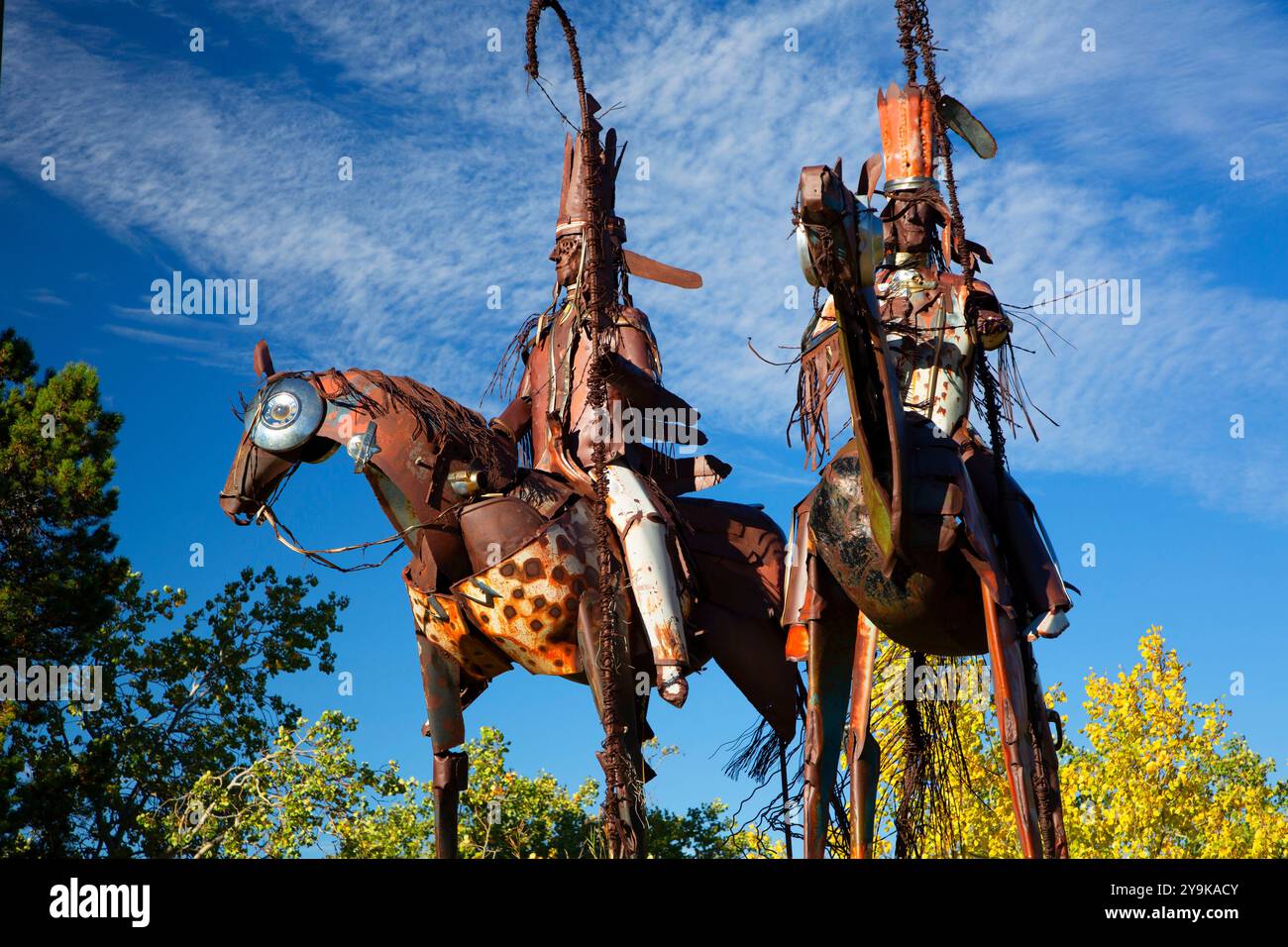
The world of Indigenous art is vast, vibrant, and profoundly spiritual, offering a window into millennia of cultural heritage. Among its many expressions, sculpture stands out as a powerful medium, transforming raw materials into compelling narratives and sacred forms. When we speak of "Sculpture From Indian Reservations," we are referring to an extraordinary tapestry of artistic traditions, each woven by distinct Native American nations, reflecting their unique histories, beliefs, and environments.
This article will embark on a journey to explore the depth and diversity of sculptural art originating from Indigenous communities across North America. We will delve into the historical roots, the vast array of materials and techniques employed, the profound symbolism embedded in each piece, and the contemporary evolution of this living art form. Understanding this art means recognizing the resilience, creativity, and enduring spirit of Native peoples.
A Legacy Forged in Time: Historical Roots of Indigenous Sculpture
Indigenous peoples across North America have been creating sculptural forms for thousands of years. Long before European contact, sophisticated artistic traditions flourished, utilizing locally available resources to craft objects of beauty, utility, and spiritual significance. These early works laid the foundation for the diverse sculptural practices seen today on reservations.
From ancient effigy mounds in the Eastern Woodlands to intricate rock carvings in the Southwest, and monumental totem poles on the Northwest Coast, the historical record is replete with examples of Indigenous sculptural prowess. These pieces were not merely decorative; they served as historical documents, ceremonial objects, and powerful representations of worldview.
The Rich Tapestry of Nations: Understanding "Indian Reservations"
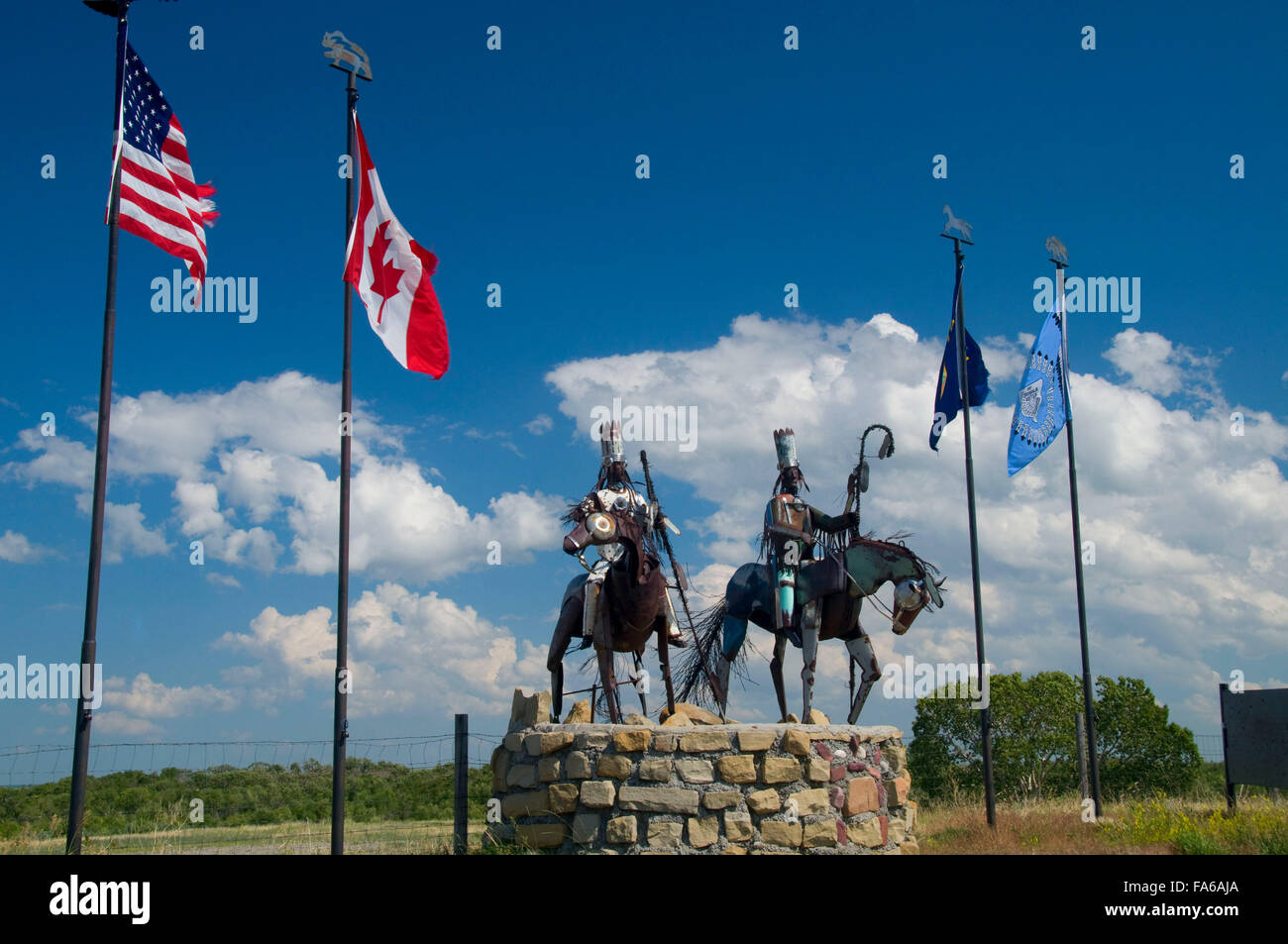
It’s crucial to understand that "Indian Reservations" are not monolithic. They represent sovereign territories of hundreds of distinct Native American tribes, each with its own language, customs, and artistic styles. Therefore, "sculpture from Indian reservations" encompasses an incredible spectrum of artistic expressions, from the detailed kachina dolls of the Hopi to the powerful masks of the Kwakwaka’wakw.
The term "reservation" itself often evokes a complex history, but within these communities, cultural traditions, including art, have been diligently preserved, revitalized, and innovated upon. Reservations serve as vital cultural hubs where traditional knowledge is passed down through generations, ensuring the continuity of these artistic legacies.
Materials and Techniques: Crafting Earth’s Gifts
Indigenous sculptors traditionally work with materials readily found in their natural environments, imbuing each piece with a connection to the land. This reverence for materials is a cornerstone of their artistic philosophy.
- Wood: Cedar, pine, cottonwood, and alder are frequently used, especially by Northwest Coast artists for totem poles, masks, and feast bowls, and by Pueblo artists for kachina figures.
- Stone: Soapstone, pipestone (catlinite), alabaster, and sandstone are carved into effigy pipes, animal figures, and abstract forms, particularly by Plains and Southwest artists.
- Clay: Pottery, often adorned with sculptural elements or formed into effigies, is prominent in the Southwest (Pueblo, Navajo) and Southeast.
- Bone and Antler: Used for intricate carvings, tools, and ceremonial objects, especially by Arctic and sub-Arctic peoples.
- Metal: While less traditional for large-scale sculpture, silver and copper have been used for jewelry and small sculptural pieces, particularly in the Southwest and Northwest Coast.
- Natural Fibers: Basketry, though often two-dimensional, can incorporate sculptural elements and three-dimensional forms.
Techniques are equally diverse, ranging from intricate carving with hand tools to complex weaving, molding, and assemblage. Each method is often passed down through apprenticeships and family traditions, reflecting generations of accumulated skill and wisdom.
Symbolism and Storytelling: Art as Language
At the heart of Indigenous sculpture is a profound sense of symbolism and storytelling. Every line, shape, and figure often carries deep cultural, spiritual, and historical meaning. These sculptures are not just objects; they are visual languages that communicate complex narratives, spiritual beliefs, and connections to the natural world.
For example, a kachina doll from the Hopi or Zuni people represents a spiritual being (Kachina) that visits the villages, bringing blessings and teachings. A totem pole from the Northwest Coast tells the lineage, history, and important events of a family or clan. Even seemingly simple forms can embody layers of meaning understood by those within the cultural context.
Regional Styles and Iconic Sculptural Forms
The geographical and cultural diversity of Native American nations has led to distinct regional sculptural styles, each with its own iconic forms.
The Southwest: Pueblo, Navajo, Hopi, Zuni
This region is renowned for its vibrant pottery, often incorporating sculptural animals or human figures, and the iconic kachina dolls (Hopi, Zuni). These carved wooden figures, painted with symbolic colors and adorned with feathers, represent the spiritual messengers that embody natural forces and ancestral spirits. Stone carving also features prominently, with fetishes and effigies representing animals and guardian spirits.
The Northwest Coast: Haida, Tlingit, Kwakwaka’wakw, Nuu-chah-nulth
Perhaps best known for their monumental totem poles, these nations excel in intricate wood carving. Totem poles recount clan histories, mythological stories, and commemorate significant events. Masks, often carved with expressive features and transformational elements, are central to ceremonial dances. Other forms include bentwood boxes, house posts, and large canoes.
The Plains: Lakota, Cheyenne, Crow
While often recognized for their beadwork and painted hides, Plains artists also produced significant sculpture. Effigy pipes, carved from sacred pipestone (catlinite), often depict animals or human forms, holding deep ceremonial importance. Wooden dance sticks and dolls also feature carved elements, reflecting spiritual beliefs and warrior traditions.
The Eastern Woodlands: Iroquois, Cherokee, Ojibwe
The Iroquois are famous for their False Face masks, carved from living trees and used in healing ceremonies. These masks, with their contorted features, are powerful representations of forest spirits. Other sculptural forms include carved wooden bowls, effigy pipes, and intricate wampum belts which, while primarily beadwork, often contain sculptural elements and convey historical narratives.
Modern and Contemporary Indigenous Sculpture: Bridging Worlds
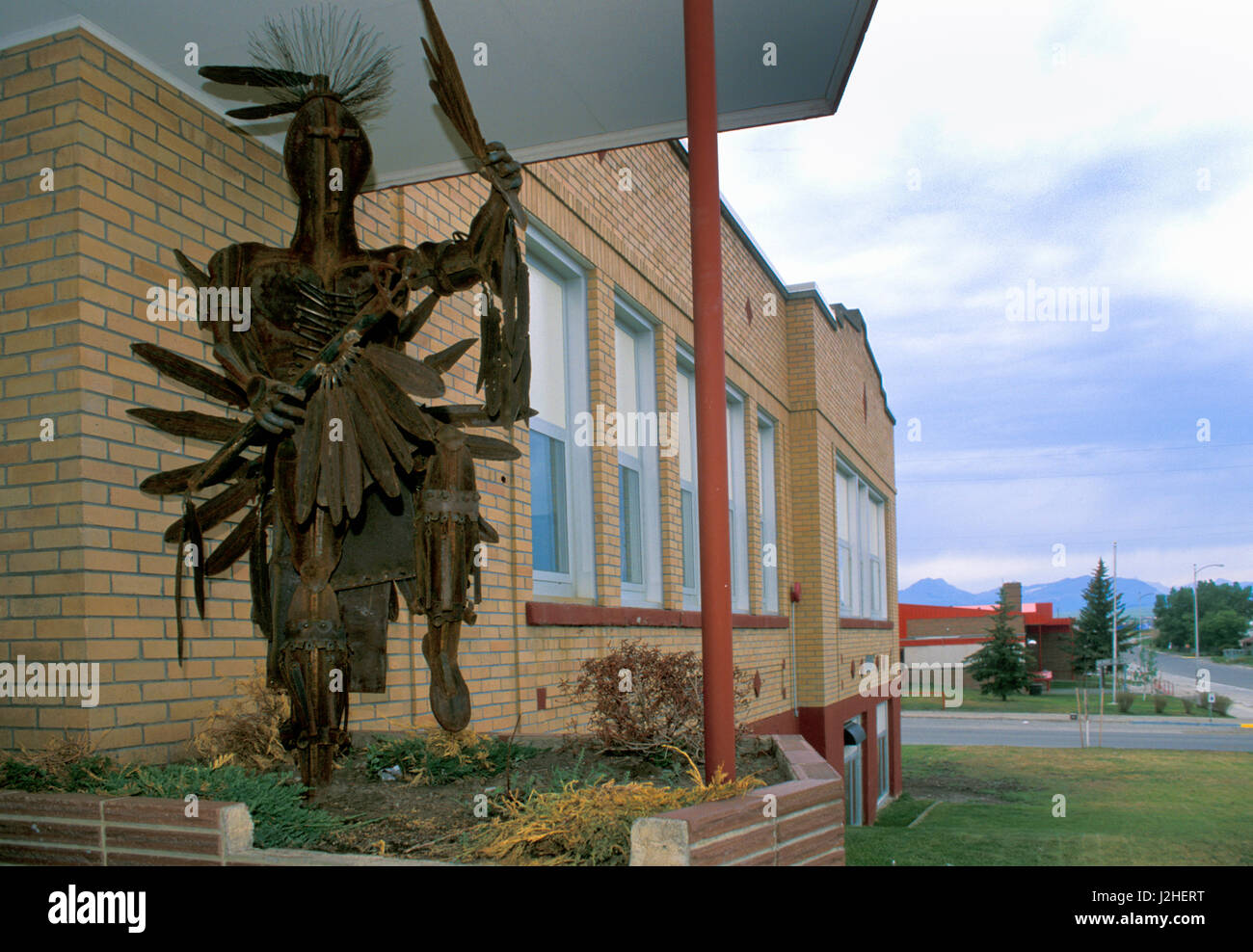
Indigenous sculpture is not confined to historical traditions. Contemporary Native American artists are vibrant innovators, pushing boundaries while remaining deeply connected to their heritage. They often blend traditional techniques and iconography with modern materials and conceptual approaches, creating powerful works that address current social, political, and environmental issues.
These artists explore themes of identity, colonialism, cultural resilience, and environmental stewardship, using mediums like bronze, steel, glass, and mixed media alongside traditional wood and stone. Their work is increasingly featured in major museums and galleries worldwide, gaining deserved recognition for its artistic merit and profound messages.
The Role of Reservations in Preserving and Promoting Art
Indian Reservations play a critical role in the continuation and evolution of Indigenous sculpture. They serve as cultural centers where languages, stories, and artistic skills are taught and passed down. Many reservations host cultural festivals, art markets, and workshops that provide platforms for artists to showcase their work, connect with collectors, and educate the public.
These spaces foster a sense of community and belonging, essential for artistic development. They also provide a protected environment where traditional practices can thrive, free from external pressures that might dilute cultural authenticity.
Ethical Sourcing and Supporting Indigenous Artists
When considering purchasing sculpture from Indian Reservations, ethical sourcing is paramount. Supporting Indigenous artists directly or through reputable, Indigenous-owned galleries ensures that the artists are fairly compensated and that the cultural integrity of the art is respected.
- Buy directly from the artist at art markets or studios on reservations.
- Look for certifications of authenticity, especially for well-known art forms like kachina dolls or Navajo jewelry.
- Research galleries to ensure they have a history of fair trade and direct relationships with artists.
- Be wary of mass-produced items labeled “Native American inspired” that exploit cultural designs without benefiting Indigenous communities.
- Educate yourself on the specific tribal affiliations and artistic traditions of the pieces you are interested in.
Your support not only acquires a beautiful piece of art but also contributes to the economic well-being and cultural preservation of Indigenous communities.
Challenges and Triumphs: The Path Forward
Indigenous sculptors, like many artists, face challenges including economic disparities, lack of access to broader art markets, and the ongoing struggle against cultural appropriation and misrepresentation. However, their resilience and creativity continue to triumph.
Through advocacy, education, and the growing recognition of Indigenous art on a global stage, these artists are reclaiming narratives, asserting sovereignty, and sharing their powerful voices. The future of sculpture from Indian Reservations is bright, marked by innovation, deep cultural pride, and an unwavering commitment to artistic excellence.
Conclusion: A Legacy of Beauty, Spirit, and Resilience
Sculpture from Indian Reservations represents an incredible legacy of human creativity, spiritual depth, and cultural perseverance. From ancient traditions to contemporary expressions, these works offer profound insights into the diverse worldviews of Native American peoples.
Each piece tells a story, embodies a spirit, and connects us to the land and its history. By appreciating, understanding, and ethically supporting Indigenous sculptors, we not only enrich our own lives but also contribute to the vital work of cultural preservation and the flourishing of these extraordinary artistic traditions for generations to come.
Embrace the opportunity to learn more about this rich heritage and the incredible artists who continue to shape its future.


