

Embarking on a higher education journey is a transformative experience, opening doors to new knowledge, skills, and opportunities. For students from Indian Reservations, this path can be particularly impactful, not only for individual growth but also for the advancement and empowerment of their tribal communities. However, the financial demands of college or university can often be a significant barrier.
Fortunately, a wealth of scholarship opportunities exists specifically designed to support Native American students. These scholarships aim to alleviate financial burdens, encourage academic excellence, and foster leadership within Indigenous populations, ensuring that cultural heritage and community values are carried forward.
This comprehensive guide will delve into the landscape of scholarships available for students from Indian Reservations. We will explore various types of funding, highlight key organizations, provide detailed application insights, and offer valuable tips to maximize your chances of securing financial aid for your academic aspirations.
Understanding the Landscape: Navigating Educational Pathways
The educational journey for Native American students often comes with unique considerations, including the desire to maintain cultural connections, the importance of community support, and sometimes, geographical isolation from higher education institutions. Scholarships play a crucial role in bridging these gaps, making education more accessible and culturally relevant.
These financial awards are more than just money; they represent an investment in the future leaders, innovators, and guardians of Native American cultures. By supporting Indigenous students, these programs contribute to the self-determination and socio-economic development of tribal nations across the United States.
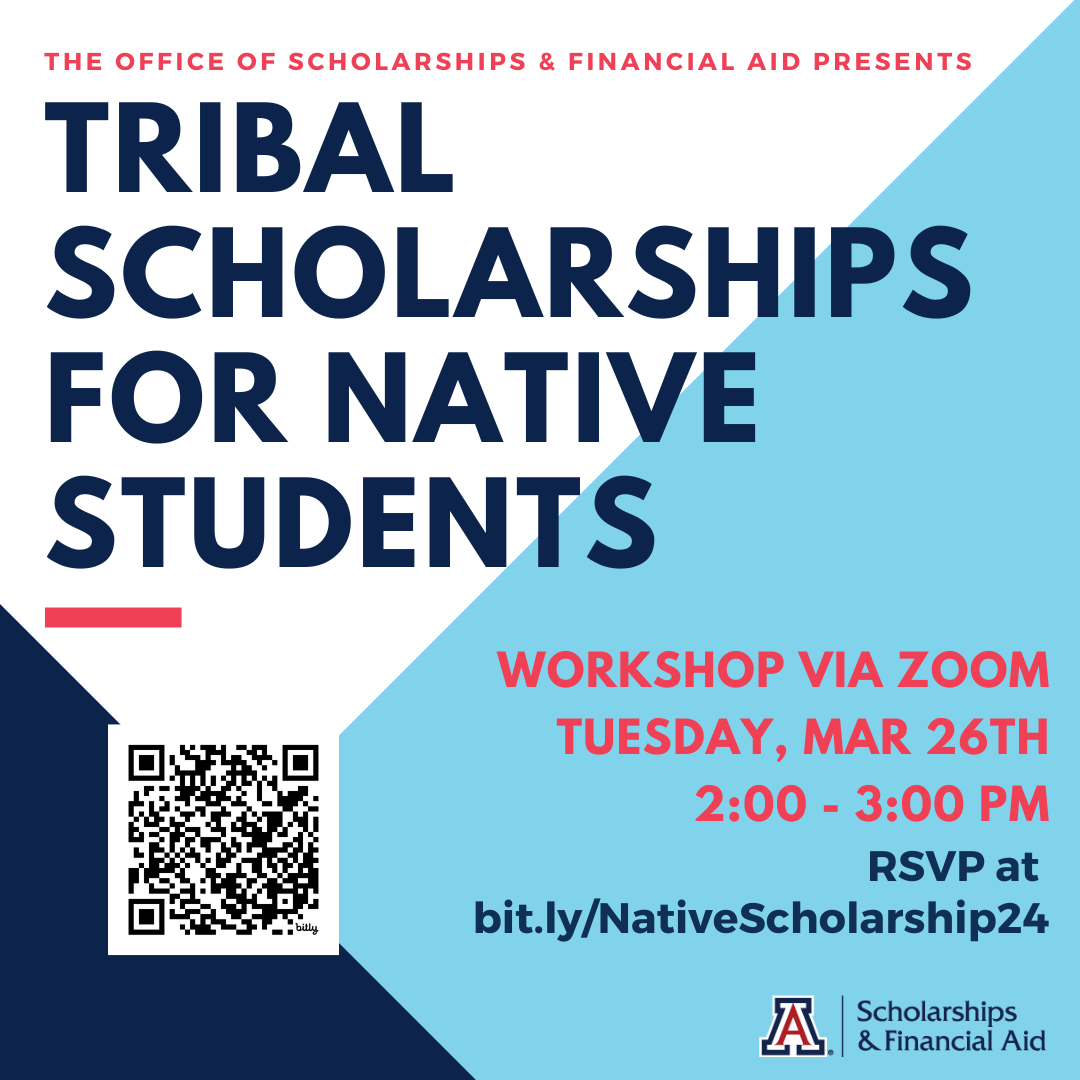

Why Scholarships Are Crucial for Indigenous Students
The cost of college tuition, housing, books, and living expenses can be prohibitive. Scholarships directly address this challenge by providing non-repayable funds, significantly reducing student loan debt and allowing students to focus more on their studies and less on financial stress.
Beyond financial relief, many scholarships for Native American students come with additional benefits. These can include mentorship programs, networking opportunities with professionals in various fields, and access to a supportive community of peers who share similar backgrounds and aspirations.
Furthermore, these scholarships often celebrate and promote Indigenous cultures, encouraging students to embrace their heritage and integrate it into their academic and professional lives. This cultural affirmation is a powerful component of holistic student support.
Types of Scholarships Available
- Tribal-Specific Scholarships: Many individual tribes offer scholarships exclusively to their enrolled members. These are often the first place to look as they are tailored to the needs and goals of the specific tribal nation.
- Native American-Focused Organizations: Numerous national non-profits are dedicated to supporting Indigenous education, offering scholarships to students from various tribes across the country.
- Field-Specific Scholarships: Some scholarships target students pursuing particular fields of study, such as STEM (Science, Technology, Engineering, Mathematics), healthcare, education, or law, recognizing the need for Indigenous professionals in these critical areas.
- Merit-Based Scholarships: Awarded based on academic achievement (e.g., GPA), leadership skills, extracurricular involvement, or unique talents.
- Need-Based Scholarships: Provided to students who demonstrate significant financial need, often determined by the Free Application for Federal Student Aid (FAFSA) and other financial documentation.
- University-Specific Programs: Many colleges and universities have their own scholarship programs for Native American students, sometimes including tuition waivers or dedicated support services.
Key Scholarship Providers and Organizations
American Indian College Fund (AICF): Often considered one of the largest and most impactful organizations, AICF provides scholarships to Native American and Alaska Native students attending tribal colleges and universities, as well as mainstream institutions. They support thousands of students annually.
American Indian Science and Engineering Society (AISES): AISES focuses on increasing the representation of Indigenous peoples in STEM fields. They offer a variety of scholarships for undergraduate and graduate students pursuing degrees in science, engineering, and related disciplines.
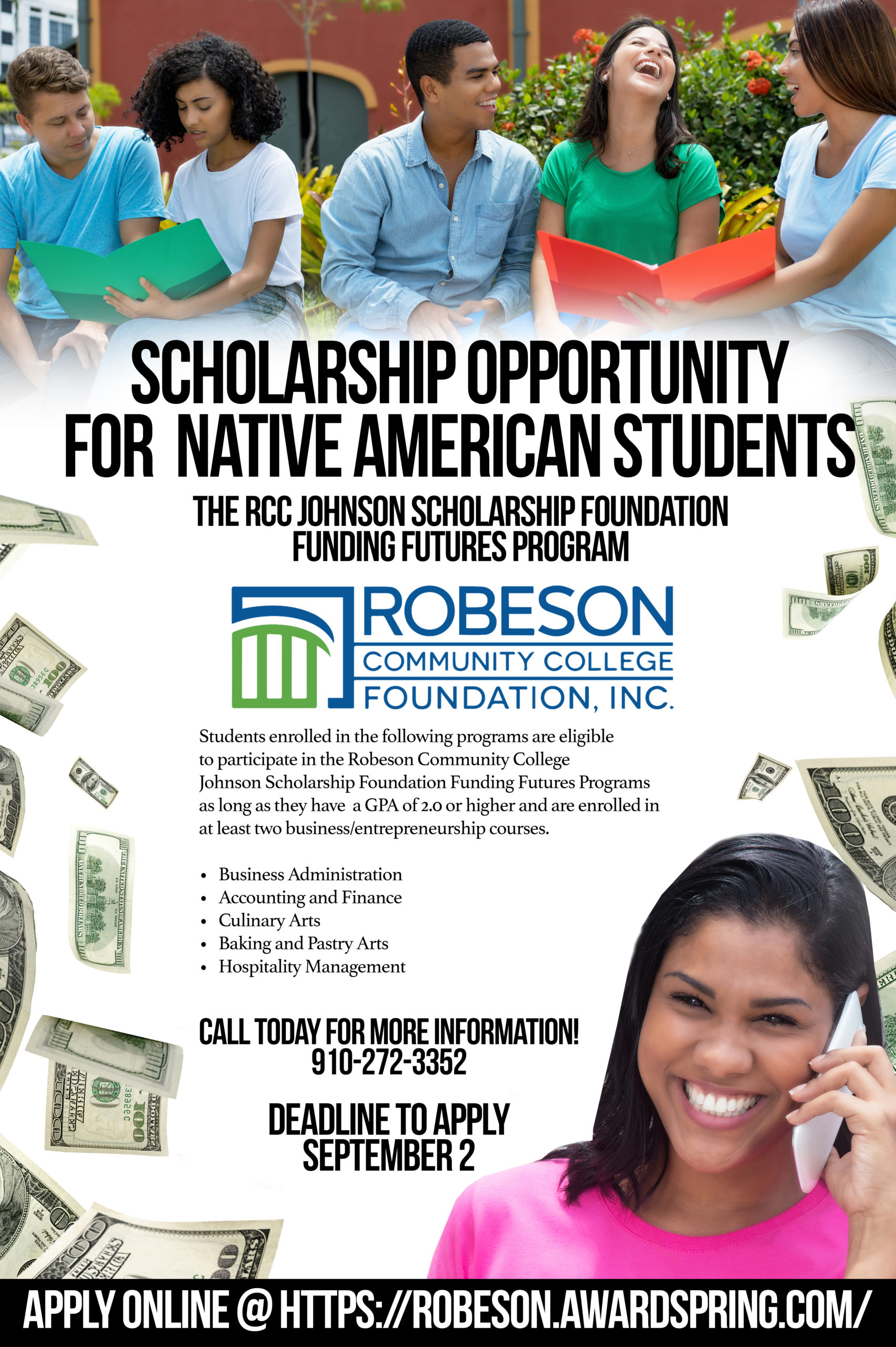

Catching the Dream (CTD) / Native American Scholarship Fund: Formerly known as the Native American Scholarship Fund, CTD provides scholarships to American Indian students for undergraduate and graduate studies, emphasizing academic excellence and commitment to community service.
American Indian Graduate Center (AIGC): AIGC is a national organization providing financial aid to Native American and Alaska Native graduate students. They support students pursuing master’s, doctoral, and professional degrees across a wide range of academic disciplines.
Bureau of Indian Education (BIE) Higher Education Grant Program: The BIE provides financial assistance to eligible Native American students attending accredited postsecondary institutions. Eligibility often requires tribal enrollment and demonstrated financial need.
Tribal Nation Scholarships: As mentioned, individual tribal nations, such as the Navajo Nation, Cherokee Nation, and numerous others, offer robust scholarship programs for their members. These are often the most generous and culturally specific opportunities.
Eligibility Criteria: What You Need to Know
- Tribal Affiliation/Enrollment: Proof of tribal enrollment or descendancy from a federally recognized tribe is almost always a prerequisite. You will typically need a Certificate of Degree of Indian Blood (CDIB) or tribal enrollment card.
- Academic Standing: Many scholarships require a minimum GPA, often a 2.0 or 2.5 on a 4.0 scale, with more competitive awards seeking higher academic achievement. Some scholarships are specifically for students with exceptional academic records.
- Enrollment Status: Applicants must generally be enrolled or planning to enroll as a full-time or part-time student in an accredited college, university, or vocational program.
- Financial Need: For need-based scholarships, students will need to complete the FAFSA and provide other financial documentation.
- Essay/Personal Statement: A compelling essay detailing your academic goals, career aspirations, community involvement, and how your cultural background influences your journey is often a critical component.
- Letters of Recommendation: Recommendations from teachers, counselors, or community leaders who can speak to your character, academic potential, and commitment.
- Residency: While many scholarships are national, some may have state-specific or regional residency requirements.
The Application Process: A Step-by-Step Guide
- Start Early: Scholarship deadlines often fall months before the academic year begins. Give yourself ample time for research, gathering documents, and writing.
- Research Thoroughly: Utilize online databases, tribal education offices, high school counselors, and college financial aid departments to identify suitable scholarships. Match your qualifications and interests to the scholarship criteria.
- Gather Required Documents: This typically includes official transcripts, tribal enrollment verification, FAFSA results, standardized test scores (if applicable), and your resume/CV.
- Craft a Powerful Essay/Personal Statement: This is your opportunity to tell your story. Highlight your cultural background, academic achievements, community involvement, future goals, and how the scholarship will help you achieve them. Be authentic and passionate.
- Secure Strong Letters of Recommendation: Choose recommenders who know you well and can speak to your strengths. Provide them with your resume, essay draft, and the scholarship’s requirements well in advance.
- Proofread Everything: A polished application free of errors demonstrates professionalism and attention to detail. Have someone else review it as well.
- Submit on Time: Adhere strictly to all deadlines. Late applications are rarely considered.
Tips for a Strong Application
Highlight Your Indigenous Identity and Community Involvement: Many Native American scholarships seek to support students who are actively engaged in their tribal communities or who demonstrate a strong connection to their cultural heritage. Share how your background has shaped your aspirations.
Showcase Your Academic Achievements and Potential: Even if your GPA isn’t perfect, emphasize improvement, challenging coursework, and any academic honors or awards. Discuss your intellectual curiosity and specific academic interests.
Demonstrate Leadership and Extracurricular Engagement: Participation in school clubs, sports, volunteer work, or tribal youth programs can showcase your leadership skills, teamwork abilities, and commitment to making a difference.
Be Specific About Your Goals: Clearly articulate your academic and career goals and explain how the scholarship will directly contribute to achieving them. Connect these goals to how you plan to give back to your community.
Tailor Each Application: Avoid using a generic essay for every scholarship. Customize your responses to align with the specific values and mission of each scholarship provider.
Beyond Scholarships: Other Financial Aid Options
- Federal Student Aid (FAFSA): Completing the FAFSA is essential as it determines eligibility for federal grants (like the Pell Grant, which doesn’t need to be repaid), federal work-study programs, and federal student loans.
- State Grants: Many states offer grant programs for residents attending in-state colleges.
- University-Specific Aid: Colleges and universities often have their own institutional grants and scholarships, which can be significant.
- Work-Study Programs: These programs allow students to earn money through part-time jobs on campus or with non-profit organizations, with earnings often subsidized by the federal government.
Resources for Finding Scholarships
- Tribal Education Departments: Contact your tribal education office directly. They are often the best source for tribal-specific funding and can guide you to other relevant resources.
- High School Counselors: Your school counselor can provide guidance, share local opportunities, and help with application materials.
- College Financial Aid Offices: When applying to colleges, connect with their financial aid departments to inquire about institutional scholarships for Native American students.
- Online Scholarship Databases: Websites like Fastweb, Scholarship.com, and specific Native American scholarship portals (e.g., those run by AICF, AISES, AIGC) are invaluable tools.
- Professional Organizations: If you have a specific career path in mind, look for professional organizations in that field; many offer scholarships to minority students.
The Impact of Education on Tribal Communities
The pursuit of higher education by students from Indian Reservations has far-reaching benefits. Graduates often return to their communities, equipped with knowledge and skills to address local challenges, strengthen tribal governance, promote economic development, and preserve cultural traditions.
By investing in their education, these scholarships contribute to building a stronger, more resilient future for Native American nations, fostering self-sufficiency and empowering the next generation to lead with wisdom and integrity.
Conclusion: Your Journey to Higher Education Awaits
Securing scholarships for students from Indian Reservations is a vital step toward achieving academic and professional success. While the application process requires dedication and thoroughness, the myriad of available resources and supportive organizations makes higher education a tangible goal.
Remember to start your search early, meticulously prepare your application, and passionately articulate your unique story and aspirations. The investment in your education is an investment in your future, your family, and your tribal community. Embrace these opportunities, and embark on a fulfilling educational journey that will empower you to make a lasting impact.


