The Sault Ste. Marie Tribe of Chippewa Indians, often referred to simply as the Sault Tribe, stands as a beacon of resilience, cultural preservation, and economic self-determination in Michigan’s Upper Peninsula. As one of the largest federally recognized tribes in the United States, its story is deeply interwoven with the history and fabric of the Great Lakes region.
This comprehensive article will delve into the multifaceted aspects of the Sault Tribe, exploring its historical roots, its contemporary governance, significant economic contributions, and the vibrant cultural heritage it actively preserves. Understanding the Sault Tribe is essential for anyone seeking to comprehend the complex narrative of Indigenous peoples in America.
A Glimpse into Anishinaabeg History
The ancestors of the Sault Tribe are the Anishinaabeg, specifically the Ojibwe (also known as Chippewa), who have inhabited the Great Lakes region for thousands of years. Their traditional territory spanned vast areas, characterized by rich natural resources, including abundant fish, game, and wild rice, which sustained their communities for millennia.
Sault Ste. Marie, Michigan, the tribe’s namesake, is one of the oldest continually inhabited European settlements in North America, but it was a vital gathering place for the Anishinaabeg long before European contact. Its strategic location at the rapids connecting Lake Superior and Lake Huron made it a central hub for trade, fishing, and cultural exchange.
The arrival of European fur traders and missionaries in the 17th century brought significant changes, introducing new goods, diseases, and eventually, geopolitical conflicts that reshaped the lives of the Anishinaabeg. Despite these pressures, the Ojibwe maintained their distinct cultural identity and strong communal ties.

Treaty Era and the Fight for Recognition
The 19th century was marked by a series of treaties between the United States government and various Ojibwe bands. These treaties, often signed under duress or misunderstanding, ceded vast tracts of ancestral lands in exchange for promises of reservations, annuities, and hunting and fishing rights.
Key treaties impacting the Sault Tribe include the Treaty of 1836 (Treaty of Washington), which ceded much of the Lower and eastern Upper Peninsulas of Michigan, and the Treaty of La Pointe of 1842, which involved lands in the western Upper Peninsula and northern Wisconsin. These agreements laid the groundwork for the modern land base and rights of the tribe.
However, unlike many tribes, the Sault Ste. Marie Band of Chippewa Indians did not receive a consolidated reservation immediately after these treaties. Instead, their lands were often held in trust, scattered, or not formally recognized as a cohesive reservation for many decades, leading to a prolonged struggle for federal recognition and a secure land base.
It wasn’t until 1972 that the Sault Ste. Marie Tribe of Chippewa Indians achieved federal recognition, a monumental victory that formally acknowledged their sovereign status and their government-to-government relationship with the United States. This recognition was crucial for regaining control over their destiny and accessing federal programs and resources.
Governance and Tribal Sovereignty
The Sault Tribe operates as a sovereign nation, exercising its inherent right to self-governance. Its governmental structure includes a democratically elected Tribal Board of Directors, comprising a Chairperson, Vice-Chairperson, Secretary, Treasurer, and eight additional members. This board is responsible for setting policies, managing tribal enterprises, and overseeing the welfare of its members.
Tribal sovereignty is the cornerstone of the Sault Tribe’s operations, allowing it to enact and enforce its own laws, administer justice, and provide essential services to its members. This self-determination is vital for preserving their culture, protecting their lands, and fostering economic growth.
The tribe maintains a complex legal and political relationship with federal, state, and local governments, often navigating intricate jurisdictional issues concerning land use, natural resources, and law enforcement. This requires constant advocacy and collaboration to protect tribal interests and uphold treaty rights.

Economic Powerhouse: The Kewadin Casinos and Beyond
One of the most significant aspects of the Sault Tribe’s modern development is its robust economic diversification, largely spearheaded by the success of its gaming enterprises. The Kewadin Casinos, established following federal recognition and the Indian Gaming Regulatory Act, are the most prominent examples.
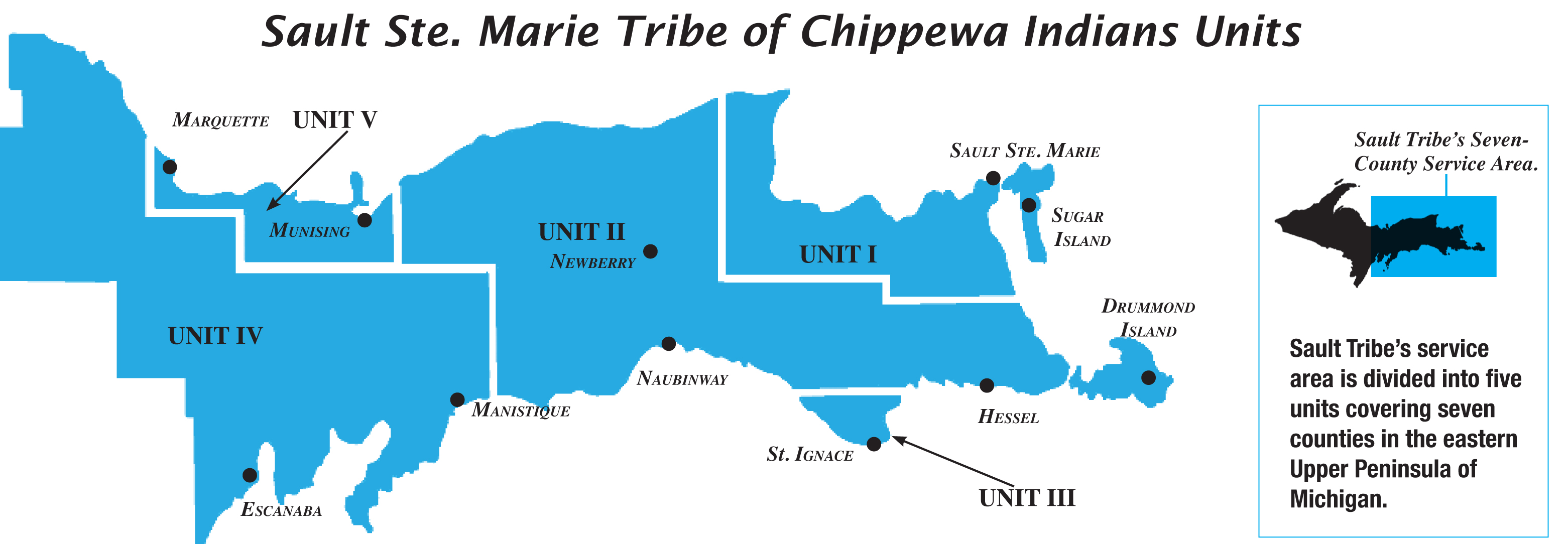
The Kewadin Casinos operate at multiple locations across Michigan’s Upper Peninsula, including Sault Ste. Marie, St. Ignace, Manistique, Hessel, and Christmas. These establishments are not merely entertainment venues; they are vital economic engines, providing thousands of jobs and generating substantial revenue.
Beyond gaming, the Sault Tribe has strategically invested in a wide array of other enterprises, including:
- Hospitality: Hotels, resorts, and restaurants
- Healthcare: Tribal health centers providing medical, dental, and behavioral health services
- Construction: Projects supporting tribal infrastructure and external contracts
- Convenience Stores and Gas Stations: Serving local communities
- Broadband and Technology: Expanding access to critical infrastructure
These ventures contribute significantly to the regional economy, benefiting both tribal members and non-members through employment, tax revenues, and local purchases.
The revenue generated from these enterprises is reinvested back into the community, funding critical programs and services that would otherwise be unavailable. This economic self-sufficiency is a testament to the tribe’s strategic vision and commitment to improving the quality of life for its people.
Cultural Preservation and Education
The Sault Tribe is deeply committed to preserving and revitalizing its rich Anishinaabeg culture and language, Anishinaabemowin (Ojibwe language). Efforts range from language immersion programs for children to adult classes, ensuring the generational transmission of this vital cultural asset.
Cultural centers, such as the Bahweting Anishinaabemowin Cultural Center, serve as focal points for learning, traditional arts, storytelling, and community gatherings. These centers play a crucial role in educating both tribal members and the broader public about Ojibwe heritage and contemporary life.
Traditional ceremonies, powwows, and cultural events are regularly held, providing opportunities for members to connect with their heritage and for visitors to respectfully observe and learn. These gatherings reinforce community bonds and celebrate the enduring spirit of the Anishinaabeg.
Education is a high priority, with the tribe offering extensive support for members pursuing academic and vocational goals. This includes scholarships, tutoring services, and programs designed to foster academic success from early childhood through higher education. The tribe also operates its own schools, integrating cultural teachings into the curriculum.
Comprehensive Community Services
The Sault Tribe provides an extensive network of services designed to meet the diverse needs of its members across its vast service area. These services are crucial for fostering a healthy, educated, and thriving community.
Key services include:
- Healthcare: Comprehensive medical, dental, mental health, and substance abuse services, often integrating traditional healing practices.
- Housing: Assistance programs for homeownership, rental support, and development of affordable housing units.
- Social Services: Child and family services, elder care programs, and domestic violence support.
- Youth Programs: After-school activities, summer camps, and mentorship initiatives to support the next generation.
- Natural Resources Management: Protecting and managing traditional lands and waters, including hunting, fishing, and gathering rights.
These programs exemplify the tribe’s dedication to the holistic well-being of its members, from infancy through elder years.
Navigating Challenges and Embracing the Future
Despite significant progress, the Sault Tribe, like many Indigenous nations, continues to navigate historical challenges, including the lingering effects of colonization, historical trauma, and ongoing issues related to land claims and treaty rights. The fight for environmental justice and the protection of ancestral lands and waters remains a continuous effort.
However, the tribe’s journey is predominantly one of triumph and resilience. Through strategic leadership, cultural revitalization, and economic innovation, the Sault Ste. Marie Tribe of Chippewa Indians has forged a powerful path towards self-sufficiency and a brighter future for its people.
Their commitment to preserving their unique identity while embracing modern opportunities serves as an inspiring model for tribal nations worldwide. The Sault Tribe actively engages in inter-tribal cooperation and advocates for Indigenous rights on regional and national levels.
Visiting the Sault Tribe: Respectful Engagement
For those interested in learning more or visiting the Sault Tribe’s territories, respectful engagement is paramount. Visitors are encouraged to explore the Kewadin Casinos, attend public cultural events (when invited or advertised), and learn about the tribe’s history and contributions.
It is important to remember that tribal lands are sovereign territories. Respect for customs, traditions, and privacy is expected. Supporting tribal businesses, such as the casinos or craft shops, directly contributes to the tribe’s economic well-being and its ability to fund essential services.
The Sault Tribe welcomes those who approach with an open mind and a genuine desire to understand and appreciate their rich heritage. Engaging with tribal members and institutions offers invaluable insights into the enduring strength and vibrant future of the Anishinaabeg people.
Conclusion: An Enduring Legacy of Strength and Spirit
The Sault Ste. Marie Tribe of Chippewa Indians represents a remarkable testament to Indigenous resilience, self-determination, and cultural fortitude. From its ancient Anishinaabeg roots to its modern status as a powerful economic and cultural force, the tribe has consistently demonstrated its ability to adapt, thrive, and lead.
Through its robust governance, successful economic ventures like the Kewadin Casinos, and unwavering commitment to cultural and linguistic preservation, the Sault Tribe not only serves its thousands of members but also enriches the entire Upper Peninsula of Michigan. Its story is a vital chapter in the ongoing narrative of Indigenous sovereignty and the profound contributions of Native American nations to the contemporary world.
Understanding and appreciating the Sault Tribe’s journey provides crucial insights into the broader context of tribal history, rights, and the vibrant future of Indigenous communities. Their legacy is one of strength, spirit, and an enduring connection to their ancestral lands.


