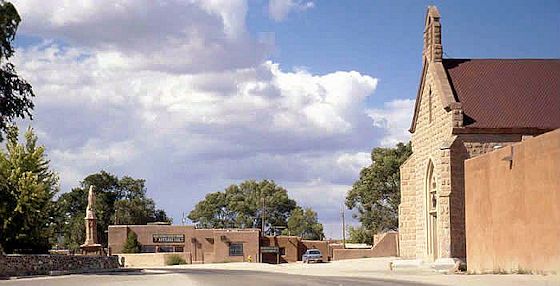
Nestled along the verdant banks of the Rio Grande in northern New Mexico, Ohkay Owingeh, formerly known as San Juan Pueblo, stands as a testament to enduring Native American culture and resilience. This ancestral home of the Tewa people is not merely a historical site but a vibrant, living community that actively preserves its heritage while embracing the future.
For centuries, Ohkay Owingeh has been a cornerstone of indigenous life in the Española Valley. Its history is deeply intertwined with the landscape, the river, and the spiritual beliefs that have sustained its people through countless generations. Understanding Ohkay Owingeh requires looking beyond just its modern name and delving into the profound significance of its past.
The name change from San Juan Pueblo to Ohkay Owingeh in 2005 was a powerful act of self-determination and cultural reclamation. ‘Ohkay Owingeh’ translates to ‘Place of the Strong People’ in the Tewa language, reflecting a deep connection to their ancestral identity and emphasizing the strength and perseverance of the community.
A Glimpse into Ancient Roots and Resilience
The origins of Ohkay Owingeh trace back over 700 years, with archaeological evidence suggesting continuous occupation since at least 1200 AD. The Tewa people, one of the six Pueblo groups, established a sophisticated agricultural society, cultivating corn, beans, and squash, and developing intricate irrigation systems from the Rio Grande.
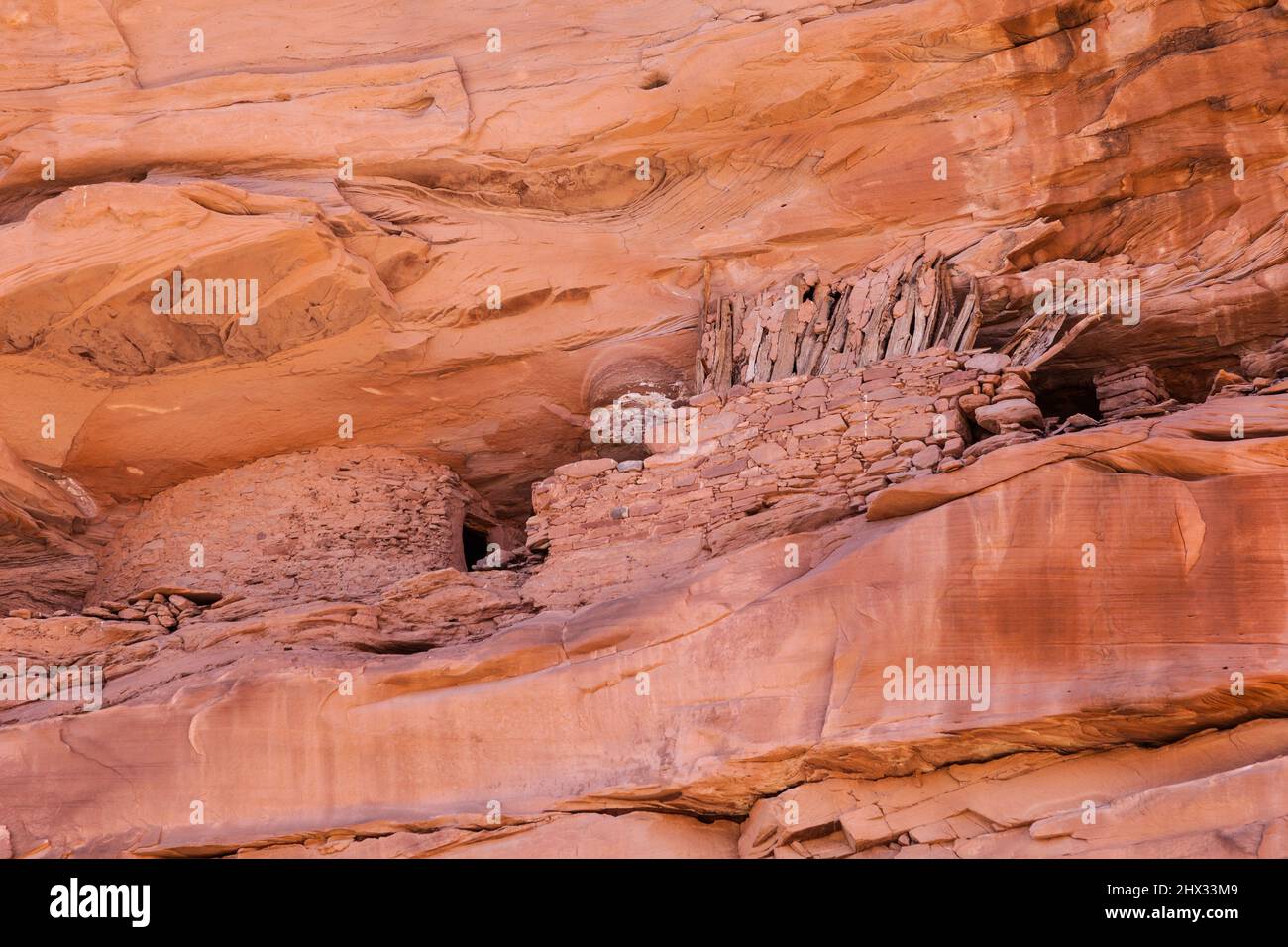
Their traditional adobe dwellings, often multi-storied, were built with locally sourced materials, demonstrating an ingenious adaptation to the high desert environment. These structures not only provided shelter but also served as communal gathering places and spiritual centers.

The arrival of Spanish conquistadors in the late 16th century marked a dramatic shift in the Pueblo world. Don Juan de Oñate established the first Spanish capital of New Mexico, San Gabriel de Yungue-Ouinge, adjacent to what was then known as Ohkay Owingeh, from 1598 to 1610. This proximity led to significant cultural exchange, albeit often under duress.
Despite the pressures of colonization, the people of Ohkay Owingeh, like other Northern Pueblos, fiercely guarded their traditions. They played a pivotal role in the Pueblo Revolt of 1680, a coordinated uprising that temporarily expelled the Spanish from New Mexico, asserting tribal sovereignty and cultural independence.
Ohkay Owingeh Today: A Vibrant Community
Today, Ohkay Owingeh is a federally recognized Native American Tribe located approximately 25 miles north of Santa Fe, New Mexico. It encompasses a land area of roughly 17,500 acres, maintaining its deep connection to the Rio Grande and the surrounding natural environment.
The tribal government operates under a traditional Pueblo system, blending ancient customs with modern governance structures. The Governor, Lieutenant Governor, and Tribal Council work to ensure the well-being and prosperity of their community, upholding the rights and interests of the Ohkay Owingeh people.
The population of Ohkay Owingeh is a vibrant mix of elders who carry the wisdom of generations and younger members who are actively engaged in preserving their heritage while pursuing contemporary education and careers. The Tewa language remains a vital part of daily life, taught in homes and community programs to ensure its continuity.
Culture and Enduring Traditions
At the heart of Ohkay Owingeh lies a rich tapestry of culture and tradition. Ceremonial dances, often tied to the agricultural cycle and seasonal changes, are central to their spiritual life. These dances, such as the Deer Dance and Corn Dance, are deeply sacred expressions of gratitude and connection to the earth and the spirit world.
Participation in these traditional ceremonies is a profound experience, demonstrating the strong communal bonds and spiritual devotion of the Tewa people. While many dances are private, some public dances are held throughout the year, offering visitors a respectful glimpse into this ancient way of life.
Family and community are paramount in Ohkay Owingeh. The extended family unit plays a crucial role in raising children, passing down knowledge, and supporting one another. This strong social fabric helps maintain cultural integrity and ensures the continuity of their unique identity.
Arts, Crafts, and Economic Development
Ohkay Owingeh is renowned for its distinctive arts and crafts, which are not merely decorative but embody cultural narratives and spiritual significance. Pottery from Ohkay Owingeh is particularly celebrated for its unique style, often featuring black-on-red or polychrome designs, and is highly sought after by collectors.
Weaving, jewelry making, and traditional drum making are other significant artistic expressions. These crafts are often passed down through generations, with each piece telling a story of skill, tradition, and cultural pride. Supporting these artists directly contributes to the economic well-being and cultural preservation of the Pueblo.
Beyond traditional arts, Ohkay Owingeh has also embraced modern economic development. The Ohkay Casino and Resort is a significant tribal enterprise, providing employment opportunities and revenue that supports tribal programs, infrastructure, and services for the community.
Other tribal businesses and initiatives focus on sustainable development, including agricultural projects and cultural tourism, further strengthening the Pueblo’s economic independence and self-sufficiency.
Visiting Ohkay Owingeh: Respect and Understanding
Visitors are generally welcome at Ohkay Owingeh, but it is crucial to approach with respect and a willingness to learn. The Pueblo is a living community, not a tourist attraction. Always be mindful of posted signs, respect private property, and ask for permission before taking photographs, especially during ceremonial events.
The Poeh Cultural Center and Museum serves as an excellent starting point for visitors. It is dedicated to the preservation and revitalization of Pueblo culture, language, and art, particularly focusing on the Tewa-speaking Pueblos. The center offers exhibits, educational programs, and a gift shop featuring authentic Native American art.
Here, one can gain a deeper appreciation for the rich history and contemporary life of Ohkay Owingeh and other Northern Pueblos. It’s an invaluable resource for understanding the nuances of Pueblo culture before venturing further into the reservation.
Preserving Heritage and Looking to the Future
Ohkay Owingeh is actively engaged in numerous initiatives aimed at cultural preservation and environmental stewardship. Programs focus on revitalizing the Tewa language, documenting oral histories, and teaching traditional arts to younger generations, ensuring that their heritage thrives.
Environmental efforts include managing natural resources, protecting the Rio Grande ecosystem, and promoting sustainable practices on their ancestral lands. These efforts reflect a deep-seated commitment to the land that has sustained their people for centuries.
Like many indigenous communities, Ohkay Owingeh faces challenges, including economic development, healthcare access, and educational opportunities. However, through strong leadership, community engagement, and a profound connection to their cultural identity, they continue to navigate these complexities with resilience and determination.
The story of Ohkay Owingeh is one of profound cultural depth, historical significance, and unwavering spirit. It is a place where ancient traditions meet modern life, where the past informs the present, and where the future is built on a foundation of strength and identity.
By understanding and respecting the heritage of Ohkay Owingeh, visitors and outsiders can contribute to the appreciation and preservation of one of America’s most enduring indigenous cultures. It is a living legacy, a testament to the ‘Place of the Strong People’.
Frequently Asked Questions (FAQs)
In summary, Ohkay Owingeh stands as a powerful symbol of Native American perseverance and cultural richness. From its ancient origins to its vibrant contemporary life, the Pueblo continues to thrive, preserving its Tewa language, traditional arts, and spiritual practices.
The journey through Ohkay Owingeh’s history and culture reveals a community deeply rooted in its ancestral lands, continually adapting and evolving while maintaining an unbreakable connection to its heritage. It is a testament to the enduring strength of the ‘Place of the Strong People’.


