
The Unyielding Spirit: A History of the San Carlos Apache Tribe
The story of the San Carlos Apache Tribe is a profound testament to resilience, adaptation, and the enduring power of cultural identity. From their ancient nomadic existence across the vast, rugged landscapes of the American Southwest to their forced consolidation on a remote and often inhospitable reservation, and finally to their contemporary struggle for sovereignty and self-determination, the San Carlos Apache have navigated centuries of immense challenge with an unwavering spirit. Their history is not merely a chronicle of survival but a vibrant narrative of a people who have consistently found strength in their traditions, their land, and their collective will.
Ancient Roots and Nomadic Freedom (Pre-16th Century)
Long before the arrival of Europeans, the ancestors of the San Carlos Apache, part of the larger Western Apache group, thrived across a sprawling territory encompassing much of what is now eastern Arizona and western New Mexico. These were people of the mountains and deserts, highly skilled hunter-gatherers, intimately connected to the rhythms of their environment. Their bands – including the A-paches (Aravaipa), Pinal, San Carlos, and other related groups – were characterized by their fierce independence, complex kinship structures, and a deep spiritual reverence for their homeland. Their lives were defined by mobility, following game, harvesting wild plants, and trading with or raiding neighboring tribes and, later, Spanish settlements. They were masters of their domain, their names synonymous with both freedom and, to outsiders, a formidable martial prowess.
The Spanish and Mexican Eras: Seeds of Conflict (16th-19th Centuries)
The arrival of the Spanish in the 16th century marked the beginning of a new, tumultuous chapter. Initially, interactions were sporadic, but the introduction of horses revolutionized Apache mobility and warfare, enabling them to expand their raiding ranges and resist Spanish incursions more effectively. The Spanish, seeking to establish missions and mines, viewed the Apache as an obstacle to colonization, labeling them "indios bárbaros." This period saw cycles of uneasy peace punctuated by brutal conflict, as the Apache fought to maintain their autonomy against an ever-expanding foreign presence.

When Mexico gained independence from Spain in 1821, the conflict continued, often with increased intensity. The Mexican government, lacking the resources to effectively control the northern frontier, pursued a policy of extermination or forced pacification. This era solidified the Apache’s reputation as formidable warriors, but also intensified the cycle of violence that would define their relationship with successive colonial powers. Raids and counter-raids became a way of life, hardening both sides and laying the groundwork for the devastating Apache Wars to come.
The American Frontier: The Crucible of Conflict (Mid-19th Century)
The mid-19th century brought the United States into the Apache lands, first through the Mexican-American War and the Gadsden Purchase, then with the California Gold Rush and the subsequent influx of settlers, miners, and ranchers. The Apache, who had largely viewed the Spanish and Mexicans as rivals, now faced an entirely new and relentless force driven by the concept of "Manifest Destiny" – the belief in America’s divine right to expand westward.
This period, known as the Apache Wars (roughly 1860-1886), was a brutal and protracted struggle for land, resources, and survival. As treaties were signed and then broken, as reservation boundaries shifted capriciously, and as Apache leaders like Cochise, Mangas Coloradas, and Geronimo (though primarily Chiricahua, his campaigns were deeply intertwined with the San Carlos system) resisted with desperate ferocity, the US Army launched a determined campaign to pacify and confine the Apache.
The Birth of San Carlos: "Hell’s Forty Acres"
The creation of the San Carlos Apache Reservation in 1872 was a pivotal and tragic turning point. The US government, seeking to consolidate various Apache bands and their Yavapai and Mohave allies into a single, manageable location, chose a barren, arid tract of land along the Gila River. This desolate area, far removed from their traditional homelands and often lacking in arable land or water, quickly earned the infamous moniker "Hell’s Forty Acres."
The forced relocation of diverse and often antagonistic bands—including the A-paches, Pinal, San Carlos, Tonto, and even some Chiricahua—to this single reservation was a recipe for disaster. Conditions were appalling: disease, starvation, and a lack of proper housing and supplies were rampant. Federal agents, often corrupt or incompetent, frequently embezzled funds and resources meant for the Apache.
One of the most devastating aspects was the forced separation from ancestral lands and the suppression of their traditional way of life. Hunting, raiding, and seasonal movements were curtailed, replaced by a sedentary existence on meager rations. The reservation became a crucible where the spirit of the Apache was tested to its limits. Despite the overwhelming odds, and even as leaders like Geronimo continued their desperate fight from the reservation, the San Carlos Apache began the arduous process of adapting, preserving their culture in the face of immense pressure.
The Reservation Era: Endurance and Assimilation (Late 19th – Early 20th Centuries)
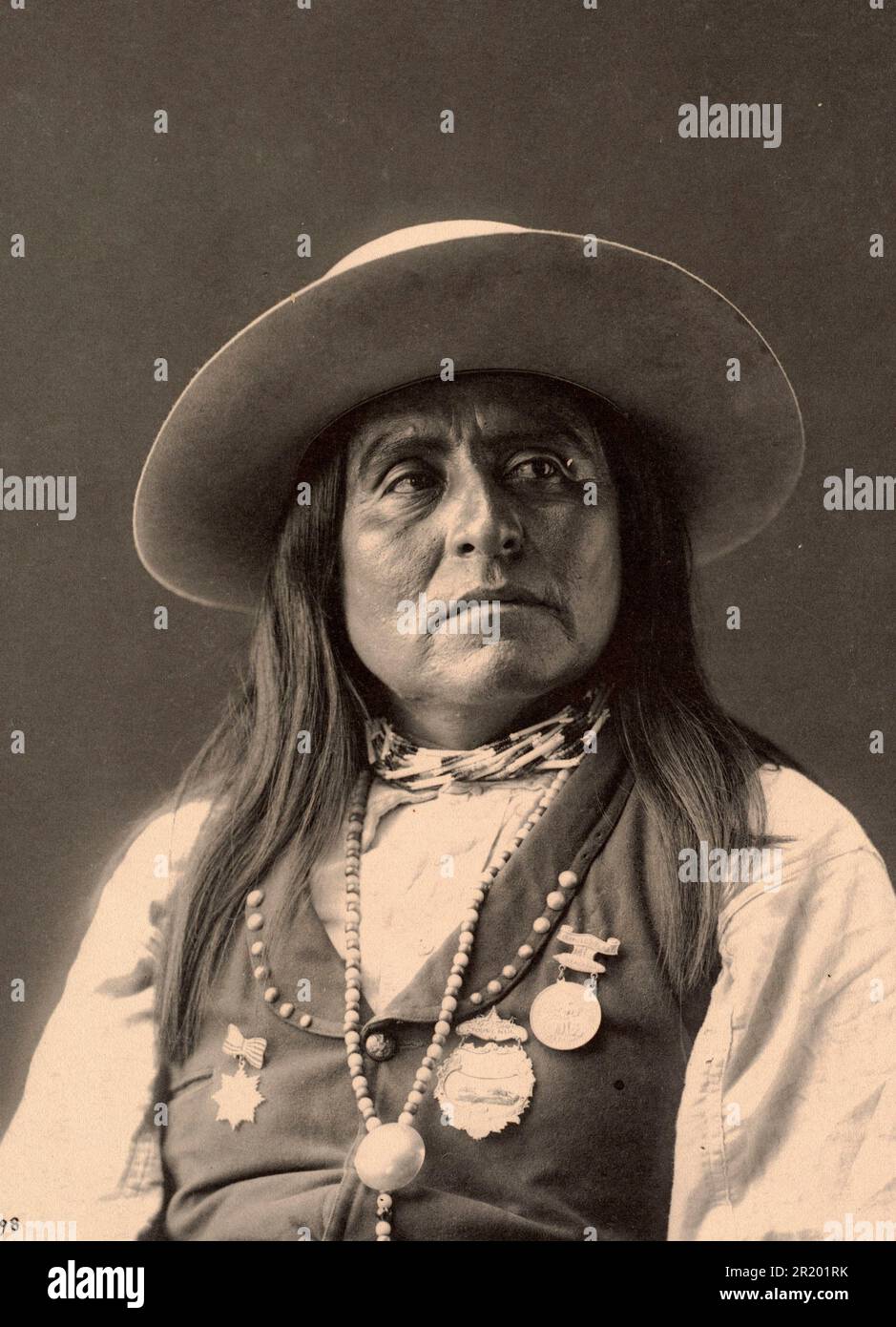
With the final surrender of Geronimo in 1886 and the subsequent imprisonment of many Apache in Florida, Alabama, and Oklahoma, the reservation era fully dawned. For the San Carlos Apache, this period was characterized by federal policies aimed at forced assimilation. Children were sent to distant boarding schools where their languages were forbidden, their hair cut, and their cultural practices suppressed. The Dawes Allotment Act of 1887, which sought to break up communal tribal lands into individual plots, further undermined traditional land tenure and social structures, though its full impact on San Carlos was somewhat mitigated due to the quality of the land.
Despite these systematic attempts to erase their identity, the Apache persevered. They held onto their language, their ceremonies (such as the Na’ii’ees, or Sunrise Dance, for young women entering womanhood), and their deep-seated reverence for family and community. While struggling with poverty, disease, and federal oversight, they slowly began to build new lives on the reservation, developing cattle ranching, farming where possible, and finding ways to integrate traditional knowledge with the demands of a new world.
The Path to Self-Determination (Mid-20th Century Onwards)
The 20th century brought gradual, yet significant, shifts. The Indian Reorganization Act (IRA) of 1934 marked a turning point, encouraging tribal self-governance and allowing the San Carlos Apache to establish a constitutional government. This represented a crucial step away from direct federal control and towards greater autonomy.
World War II saw many Apache men and women serve in the US armed forces, contributing to the war effort while also experiencing the world beyond the reservation. In the post-war era, the San Carlos Apache began to assert greater control over their lands and resources. They engaged in legal battles to secure their water rights, essential for the arid region. The vast mineral wealth of the reservation, particularly copper and asbestos, became both a source of revenue and a complex challenge, balancing economic opportunity with environmental concerns and health risks.
The 1970s ushered in the era of self-determination, granting tribes more control over their education, healthcare, and economic development. The San Carlos Apache embraced this opportunity, establishing their own schools, health facilities, and tribal police force. They diversified their economy, investing in enterprises like the San Carlos Apache Gaming Enterprise, cattle ranching, and tourism centered around the beautiful San Carlos Lake, also known as San Carlos Reservoir or Lake Roosevelt, a man-made body of water integral to their current land.
The San Carlos Apache Today: Sovereignty and Sustained Culture
Today, the San Carlos Apache Tribe stands as a sovereign nation within a nation, governing over 1.8 million acres of land in east-central Arizona. The tribal government, led by an elected chairman and council, works tirelessly to improve the lives of its approximately 17,000 members.
The challenges are still formidable: unemployment rates remain high, poverty persists, and issues like substance abuse and inadequate healthcare are ongoing concerns. However, the tribe’s commitment to cultural preservation and revitalization is stronger than ever. Language programs are working to ensure the Western Apache language thrives, while traditional arts like basket weaving, beadwork, and storytelling continue to be passed down through generations. The Sunrise Dance remains a central and deeply cherished ceremony, connecting young women to their heritage and community.
The history of the San Carlos Apache Tribe is a compelling narrative of a people who have faced colonialism, war, forced relocation, and systematic attempts at assimilation, yet have emerged with their identity intact and their spirit unbroken. From the free-roaming bands of the Southwest to the confines of "Hell’s Forty Acres," and finally to their present-day pursuit of self-determination and cultural flourishing, the San Carlos Apache embody the profound and unyielding resilience of Indigenous peoples. Their journey is a powerful reminder of the enduring strength found in heritage, community, and the unwavering resolve to shape one’s own destiny.


