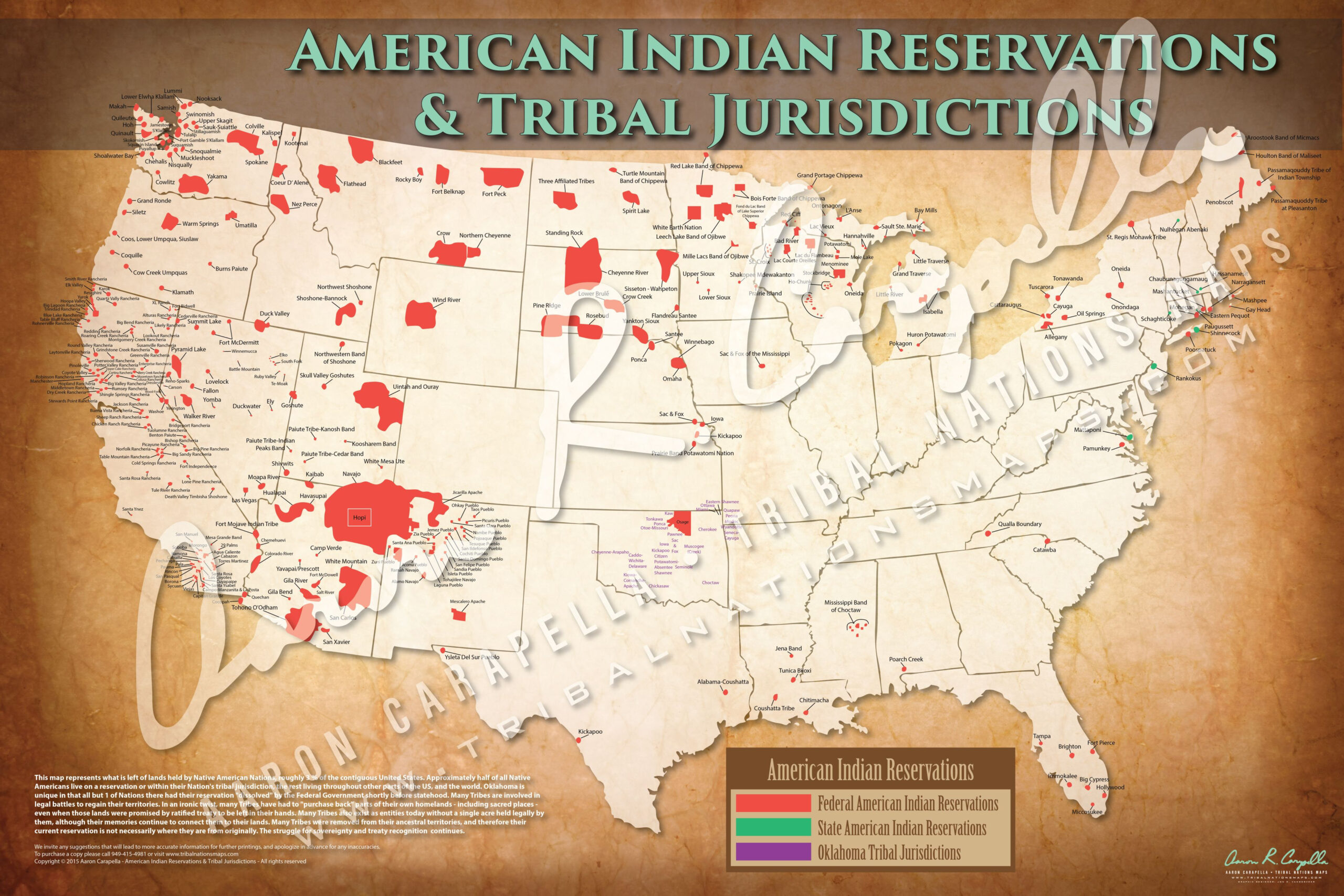
Visiting Indian Reservations can be an enriching and eye-opening experience, offering a unique glimpse into the diverse cultures and histories of Native American tribes. However, it’s crucial to approach these visits with respect, sensitivity, and an awareness of safety considerations. Indian Reservations are sovereign nations with their own laws, customs, and traditions. Understanding and adhering to these guidelines is essential for a safe and meaningful visit.
This comprehensive guide aims to provide you with the necessary information to ensure a respectful, safe, and enjoyable trip to an Indian Reservation. We’ll cover everything from cultural etiquette and environmental awareness to legal considerations and emergency preparedness.
Planning Your Visit: The Foundation of a Safe Trip
Before embarking on your journey, thorough planning is paramount. This involves researching the specific reservation you intend to visit, understanding their regulations, and making necessary arrangements.
Researching the Specific Reservation: Each Indian Reservation is unique, with its own distinct culture, history, and set of rules. Before your visit, dedicate time to researching the specific reservation you plan to visit. Look into their tribal government, cultural events, and any specific guidelines they may have for visitors. Tribal websites and cultural centers are excellent resources for this information.
Understanding Tribal Regulations: Indian Reservations are sovereign nations, meaning they have the authority to govern themselves and establish their own laws. These laws may differ significantly from state or federal laws. Familiarize yourself with the tribal regulations regarding activities such as photography, fishing, hunting, and camping. Failure to comply with these regulations can result in fines or legal action.

Making Necessary Arrangements: Depending on your planned activities, you may need to obtain permits or permissions from the tribal government. For example, if you plan to fish or hunt on the reservation, you will likely need a tribal fishing or hunting license. Similarly, if you plan to camp, you may need a camping permit. Contact the tribal government or relevant department to inquire about the necessary arrangements.
Cultural Sensitivity: Showing Respect for Native American Traditions
Cultural sensitivity is at the heart of responsible tourism on Indian Reservations. It involves respecting the traditions, customs, and beliefs of the Native American people.
Dress Code: While there may not be a strict dress code, it’s advisable to dress modestly and respectfully. Avoid clothing with offensive or disrespectful imagery. Consider the local climate and dress appropriately for the weather conditions.
Photography: Always ask for permission before taking photographs of people or sacred sites. Some individuals may not want to be photographed, and some sites may be considered sacred and off-limits to photography. Respect their wishes and refrain from taking photos if permission is denied.
Interactions with Locals: Engage with locals in a respectful and courteous manner. Be mindful of your tone of voice and body language. Avoid making assumptions or stereotypes about Native American people. Listen attentively and show genuine interest in their culture and perspectives.
Respect for Sacred Sites: Indian Reservations often contain sacred sites that are of great cultural and spiritual significance to the Native American people. These sites may be marked with signs or symbols. Respect these sites by avoiding trespassing, littering, or any other activity that could be considered disrespectful.
Environmental Awareness: Protecting the Natural Beauty
Many Indian Reservations are located in areas of pristine natural beauty. It’s crucial to practice environmental awareness and minimize your impact on the environment.
Leave No Trace: Follow the principles of Leave No Trace, which include packing out everything you pack in, disposing of waste properly, minimizing campfire impacts, respecting wildlife, and being considerate of other visitors. Avoid disturbing vegetation or wildlife.
Water Conservation: Water is a precious resource, especially in arid regions. Conserve water by taking shorter showers, turning off the tap while brushing your teeth, and avoiding unnecessary water usage.
Respect for Wildlife: Observe wildlife from a safe distance and avoid feeding them. Feeding wildlife can disrupt their natural behaviors and make them dependent on humans.
Stay on Marked Trails: Stick to designated trails to avoid damaging fragile ecosystems and disturbing cultural sites. Venturing off-trail can lead to erosion and habitat destruction.
Legal Considerations: Understanding Tribal Laws and Regulations
As sovereign nations, Indian Reservations have their own legal systems and regulations. It’s essential to be aware of these laws and comply with them during your visit.
Alcohol and Drug Laws: Alcohol and drug laws may vary significantly from state or federal laws. Some reservations may prohibit the sale or consumption of alcohol altogether, while others may have specific regulations regarding alcohol sales and consumption. Be aware of the local laws and comply with them.
Gaming Regulations: Many Indian Reservations operate casinos and gaming facilities. These facilities are subject to tribal gaming regulations, which may differ from state gaming laws. Familiarize yourself with the local gaming regulations before participating in any gaming activities.
Traffic Laws: Traffic laws on Indian Reservations may be enforced by tribal police or state law enforcement officers. Be aware of the local speed limits and traffic regulations. Ensure that your vehicle is properly registered and insured.
Permits and Licenses: As mentioned earlier, you may need to obtain permits or licenses for certain activities, such as fishing, hunting, or camping. Contact the tribal government or relevant department to inquire about the necessary permits and licenses.
Safety Precautions: Protecting Yourself and Your Belongings
Taking basic safety precautions can help ensure a safe and enjoyable visit to an Indian Reservation.
Personal Safety: Be aware of your surroundings and avoid walking alone in unfamiliar areas, especially at night. Keep your valuables secure and avoid displaying large amounts of cash. If you encounter any suspicious activity, report it to the tribal police or local authorities.
Vehicle Safety: Ensure that your vehicle is in good working condition before embarking on your trip. Carry a spare tire, jumper cables, and a first-aid kit. Be aware of road conditions, especially on unpaved roads. Drive defensively and avoid driving under the influence of alcohol or drugs.
Health Precautions: Consult with your doctor before your trip to ensure that you have any necessary vaccinations or medications. Be aware of potential health risks, such as mosquito-borne illnesses or contaminated water. Drink plenty of water to stay hydrated and avoid overexertion in hot weather.
Emergency Preparedness: Be prepared for emergencies by carrying a cell phone, a map, and a compass. Learn basic first-aid skills and know how to contact emergency services in case of an accident or medical emergency. Inform someone of your travel plans and expected return date.
Respecting Tribal Sovereignty: Recognizing the Rights of Native American Nations
Respecting tribal sovereignty is fundamental to responsible tourism on Indian Reservations. It involves recognizing the rights of Native American tribes to govern themselves and manage their own affairs.
Supporting Tribal Businesses: Support tribal businesses by purchasing goods and services from Native American-owned enterprises. This helps to support the local economy and promote economic self-sufficiency.
Educating Yourself About Tribal Issues: Take the time to learn about the issues facing Native American tribes, such as treaty rights, environmental protection, and cultural preservation. Advocate for policies that support tribal sovereignty and self-determination.
Avoiding Stereotypes and Misconceptions: Challenge stereotypes and misconceptions about Native American people. Recognize that Native American cultures are diverse and dynamic. Avoid making generalizations or assumptions about Native American people.
Conclusion: A Journey of Respect and Understanding
Visiting Indian Reservations can be an incredibly rewarding experience, offering a unique opportunity to learn about Native American cultures and histories. By following these safety tips and practicing cultural sensitivity, you can ensure a respectful, safe, and enjoyable trip. Remember that Indian Reservations are sovereign nations with their own laws, customs, and traditions. Respecting these guidelines is essential for a positive and meaningful visit. By embracing cultural sensitivity, environmental awareness, and legal compliance, you can contribute to a more respectful and sustainable tourism industry on Indian Reservations.
Remember to always prioritize respect for the land, the people, and their traditions. Your visit can be a bridge to understanding and a step towards reconciliation.
- Plan Ahead: Research the specific reservation and understand their regulations.
- Be Respectful: Show cultural sensitivity and respect for local traditions.
- Protect the Environment: Practice Leave No Trace principles and conserve resources.
- Follow the Law: Understand and comply with tribal laws and regulations.
- Stay Safe: Take necessary safety precautions and be prepared for emergencies.


