

Indian reservations are more than just geographical locations; they are the living heart of Native American culture, history, and spirituality. Within these boundaries lie numerous sacred sites, places of profound cultural and religious significance to various tribes. These sites are not merely historical landmarks; they are active centers of spiritual practice, ancestral connection, and community identity. Understanding the importance of these sacred sites requires delving into the unique relationship between Native American tribes and the land.
Sacred sites on Indian reservations encompass a wide range of natural and man-made features. These can include mountains, rivers, springs, forests, burial grounds, ceremonial grounds, and historical village sites. Each site holds unique significance, tied to specific tribal histories, spiritual beliefs, and cultural practices. For many tribes, these sites are where they connect with their ancestors, perform essential ceremonies, and maintain their cultural traditions.
The concept of ‘sacred’ often differs significantly from Western perspectives. In many Native American traditions, sacredness is inherent in the natural world. Certain locations are imbued with spiritual power due to their natural features, historical events, or connections to specific deities or spirits. Respect for these sites is paramount, and access is often restricted to initiated members or during specific ceremonial times.
The protection of sacred sites on Indian reservations is a complex issue, involving legal, political, and cultural considerations. The United States government has a trust responsibility to protect tribal resources, including sacred sites. However, this responsibility has often been challenged by competing interests, such as resource extraction, development, and public access.
Several federal laws provide some degree of protection for Native American sacred sites. The American Indian Religious Freedom Act (AIRFA) of 1978 was intended to protect the rights of Native Americans to exercise their traditional religions. However, its initial impact was limited, and subsequent court decisions weakened its protections. The National Historic Preservation Act (NHPA) requires federal agencies to consider the impact of their actions on historic properties, including sacred sites. The Native American Graves Protection and Repatriation Act (NAGPRA) provides for the repatriation of human remains and cultural items to tribes.
Despite these laws, sacred sites remain vulnerable to desecration and destruction. Mining, logging, road construction, and tourism can all have detrimental impacts. Vandalism and looting are also ongoing concerns. Climate change poses a growing threat, as rising sea levels, increased wildfires, and altered precipitation patterns can damage or destroy sacred sites.


Many tribes are actively engaged in efforts to protect their sacred sites. These efforts include advocating for stronger legal protections, conducting cultural resource surveys, developing management plans, and educating the public about the importance of these sites. Collaboration with federal and state agencies, as well as with private landowners, is often essential.
Tribal cultural resource departments play a crucial role in identifying, documenting, and protecting sacred sites. These departments work to ensure that tribal cultural values are considered in all land-use decisions. They also conduct research, monitor sites, and enforce tribal laws.
In recent years, there has been a growing awareness of the importance of consulting with tribes on projects that may affect sacred sites. Federal agencies are increasingly required to engage in meaningful consultation with tribes before making decisions that could impact tribal cultural resources. This consultation process aims to ensure that tribal perspectives are considered and that mitigation measures are implemented to minimize harm to sacred sites.
Many sacred sites on Indian reservations are open to the public, but access is often restricted or requires permission from the tribe. Respect for tribal customs and traditions is essential when visiting these sites. Visitors should avoid disturbing the natural environment, refrain from taking photographs or videos without permission, and adhere to any rules or regulations established by the tribe.
Understanding the significance of sacred sites on Indian reservations requires an appreciation for the deep connection between Native American tribes and the land. These sites are not merely historical or archaeological resources; they are living centers of spiritual practice, ancestral connection, and cultural identity. Protecting these sites is essential for preserving Native American heritage and ensuring the continuation of tribal traditions.
What makes a site sacred to Native Americans?
Sacredness is often tied to ancestral history, spiritual beliefs, and cultural practices. A site might be considered sacred due to its natural features, historical events that occurred there, or its connection to specific deities or spirits.
How are sacred sites protected?
Protection comes from a combination of federal laws (like AIRFA, NHPA, and NAGPRA), tribal laws, and collaborative efforts between tribes, government agencies, and private landowners.

Can anyone visit sacred sites?
Some sites are open to the public, while others are restricted to tribal members or specific ceremonies. It’s crucial to respect tribal customs and seek permission when required.
What are the threats to sacred sites?
Threats include resource extraction (mining, logging), development, vandalism, climate change, and insufficient legal protections.
What can I do to help protect sacred sites?
Educate yourself about Native American cultures and the importance of sacred sites. Support tribal efforts to protect these sites, advocate for stronger legal protections, and respect tribal customs when visiting.
Bear Butte, South Dakota: A significant site for many Plains tribes, used for vision quests, ceremonies, and prayer.
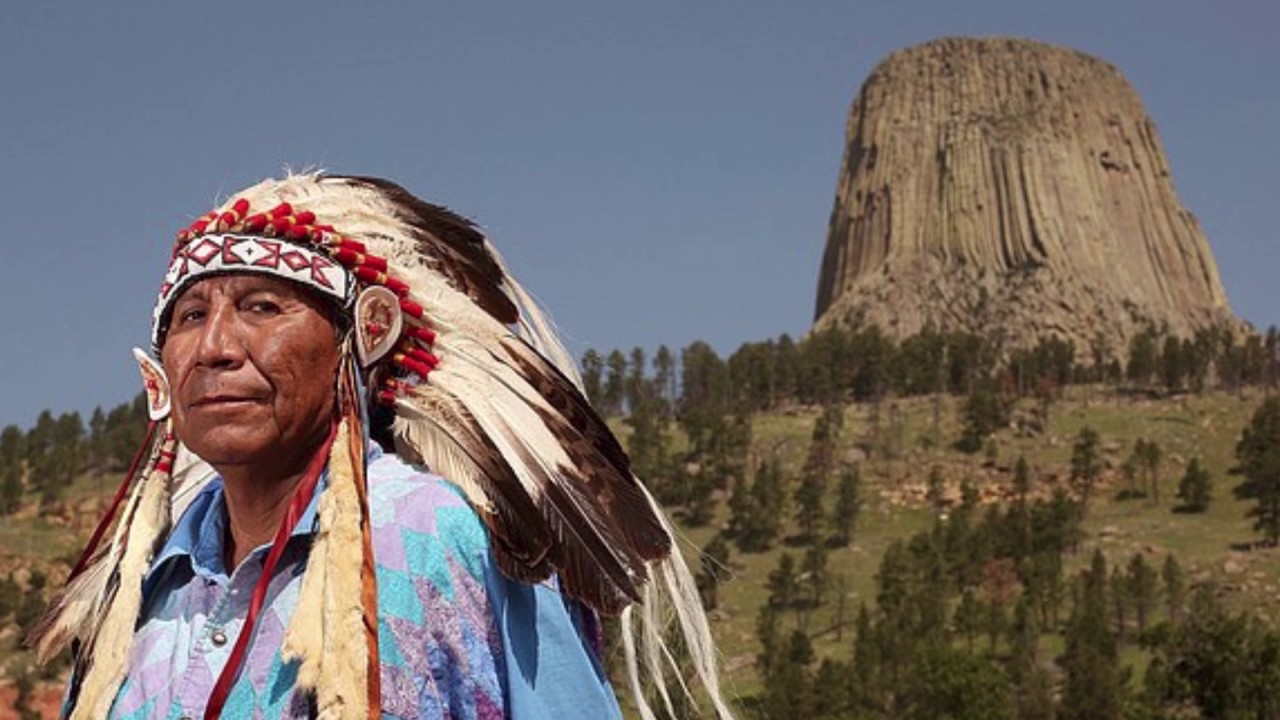
Devils Tower, Wyoming: Known as Mato Tipila (Bear Lodge) to many tribes, it’s a sacred site associated with creation stories and ceremonies.
Chaco Canyon, New Mexico: Ancestral Puebloan site with ceremonial structures and astronomical alignments, holding deep spiritual significance.
Mount Shasta, California: Considered sacred by many California tribes, believed to be a center of spiritual power and healing.
The ongoing protection of sacred sites on Indian reservations is not just a matter of legal compliance; it’s a matter of cultural survival and respect for indigenous rights. By understanding the significance of these sites and supporting tribal efforts to protect them, we can contribute to preserving Native American heritage for future generations.
The challenge lies in balancing economic development with the preservation of cultural heritage. Often, resource extraction or development projects are proposed in areas that are considered sacred by Native American tribes. These projects can have devastating impacts on sacred sites, disrupting spiritual practices, destroying cultural resources, and alienating tribes from their ancestral lands.
One of the key issues in protecting sacred sites is the lack of adequate consultation with tribes. Federal agencies are often required to consult with tribes before undertaking projects that may affect sacred sites, but this consultation is often inadequate. Tribes may not be given sufficient information about the project, or their concerns may not be adequately addressed. In some cases, projects are approved despite strong tribal opposition.
Another challenge is the lack of legal protection for sacred sites. While some federal laws provide some protection for Native American religious freedom and cultural resources, these laws are often inadequate to protect sacred sites from destruction. For example, the American Indian Religious Freedom Act (AIRFA) has been interpreted narrowly by the courts, and it does not provide a private right of action to sue for violations of religious freedom.
In addition to legal and political challenges, there are also cultural challenges to protecting sacred sites. Many non-Native Americans do not understand the importance of these sites to Native American tribes. They may view them as simply historical or archaeological resources, rather than as living centers of spiritual practice and cultural identity. This lack of understanding can lead to disrespect for sacred sites and a willingness to allow them to be destroyed.
Despite these challenges, there are many examples of successful efforts to protect sacred sites on Indian reservations. These efforts often involve collaboration between tribes, government agencies, and private organizations. For example, the National Park Service has worked with tribes to develop management plans for sacred sites within national parks. The Bureau of Land Management has worked with tribes to protect sacred sites from mining and other development.
Tribes themselves are also taking the lead in protecting their sacred sites. They are conducting cultural resource surveys, developing management plans, and educating the public about the importance of these sites. They are also advocating for stronger legal protections and working to ensure that their voices are heard in land-use decisions.
Ultimately, the protection of sacred sites on Indian reservations requires a commitment to respecting Native American cultures and traditions. It requires a willingness to listen to tribal concerns and to work collaboratively to find solutions that protect both cultural heritage and economic development. It also requires a recognition that sacred sites are not just historical or archaeological resources; they are living centers of spiritual practice and cultural identity that are essential to the well-being of Native American communities.
In conclusion, sacred sites on Indian reservations are vital components of Native American heritage, culture, and spiritual identity. These sites face numerous threats, including development, resource extraction, and climate change. Protecting these sites requires a multi-faceted approach that includes stronger legal protections, meaningful consultation with tribes, and increased public awareness. By recognizing the significance of these sacred places and supporting tribal efforts to preserve them, we can help ensure that future generations can connect with their ancestral lands and cultural traditions. The ongoing dialogue and collaborative efforts are crucial for navigating the complexities of protecting these invaluable cultural resources.


