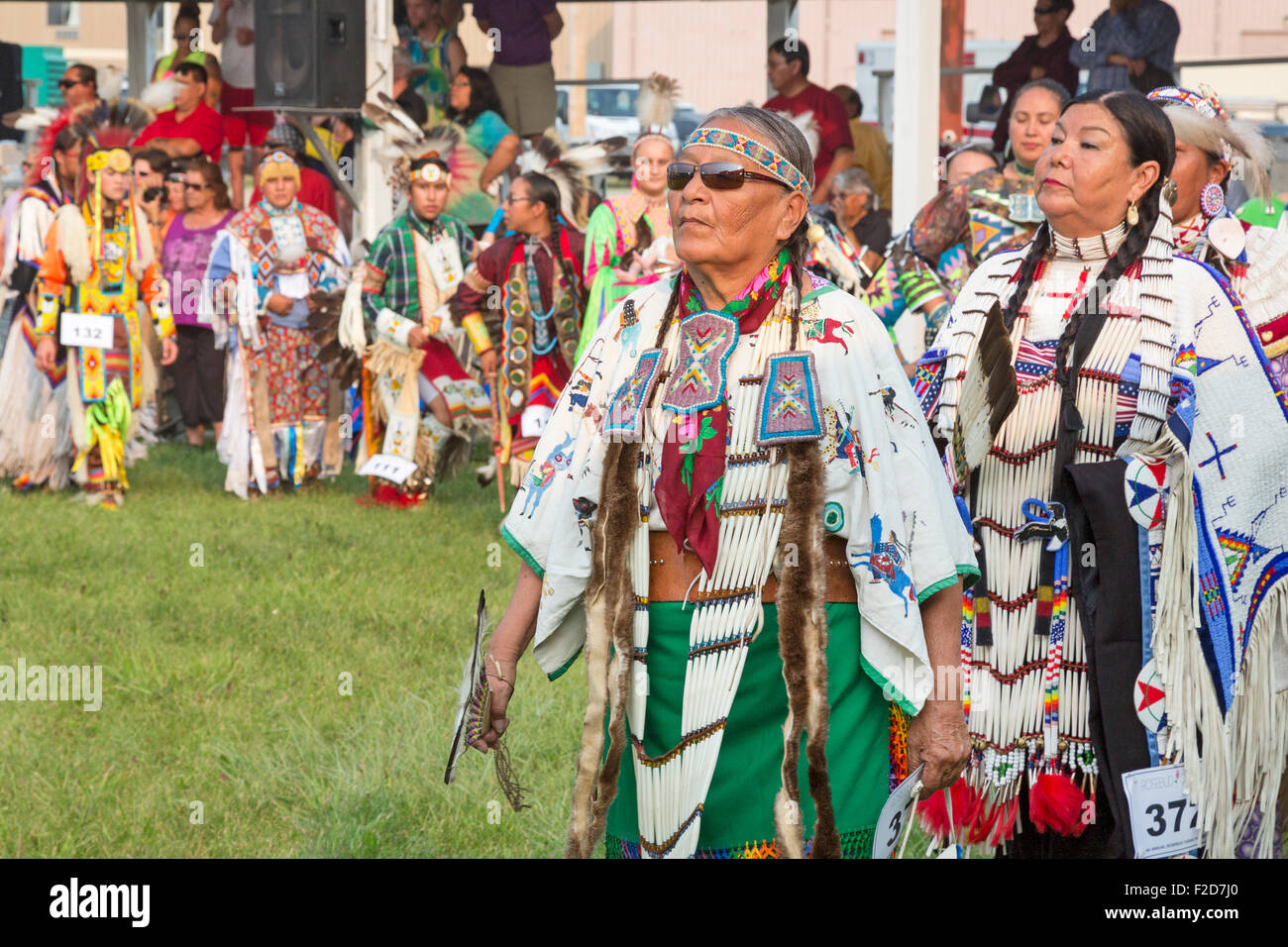
The Rosebud Sioux Tribe Reservation, located in South Dakota, is home to the Sicangu Lakota people, also known as the Brule Sioux. This reservation holds significant historical and cultural importance, representing both the resilience and the ongoing challenges faced by Native American communities in the United States. This comprehensive guide explores the history, governance, economy, culture, and contemporary issues surrounding the Rosebud Sioux Tribe Reservation.
History and Formation of the Rosebud Sioux Tribe Reservation
The history of the Rosebud Sioux Tribe Reservation is deeply intertwined with the broader history of the Lakota people and their interactions with the United States government. Prior to the establishment of reservations, the Lakota roamed freely across the Great Plains, relying on the buffalo for sustenance and maintaining a nomadic lifestyle.
The Treaty of Fort Laramie (1868)
The Treaty of Fort Laramie in 1868 was a pivotal moment in the relationship between the Lakota and the U.S. government. This treaty aimed to establish peace and define the boundaries of Lakota territory, which included a vast expanse of land encompassing present-day South Dakota, North Dakota, Montana, and Wyoming. The treaty guaranteed the Lakota undisturbed possession of this territory, but this promise was short-lived.
The Great Sioux War and Subsequent Land Cessions
The discovery of gold in the Black Hills in the 1870s led to a surge of white settlers into Lakota territory, violating the Treaty of Fort Laramie. This encroachment sparked the Great Sioux War of 1876-77, which included the infamous Battle of Little Bighorn. Despite initial Lakota victories, the U.S. military eventually prevailed, leading to further land cessions and the confinement of the Lakota onto smaller reservations.
Establishment of the Rosebud Reservation
The Rosebud Sioux Tribe Reservation was officially established in 1889, following the breakup of the Great Sioux Reservation. The Sicangu Lakota were forced to settle on this designated land, marking a significant shift from their traditional way of life. The Dawes Act of 1887 further impacted the tribe by allotting communal land to individual tribal members, leading to the loss of vast amounts of land to non-Native settlers.
Governance and Tribal Structure
The Rosebud Sioux Tribe operates under a constitution that outlines its governmental structure. The tribal government consists of three branches: the executive, legislative, and judicial.
Executive Branch
The executive branch is headed by the Tribal President, who is elected by the tribal members. The President is responsible for implementing tribal laws, managing tribal resources, and representing the tribe in dealings with the federal government and other entities.
Legislative Branch
The legislative branch is the Tribal Council, composed of representatives elected from different districts within the reservation. The Tribal Council is responsible for enacting tribal laws, approving budgets, and overseeing tribal programs.
Judicial Branch
The judicial branch consists of tribal courts that adjudicate legal disputes within the reservation. These courts handle a range of cases, including criminal matters, civil disputes, and issues related to tribal law.
Economy and Development
The economy of the Rosebud Sioux Tribe Reservation faces significant challenges, including high unemployment rates and limited economic opportunities. The tribe is actively working to promote economic development and create jobs for its members.
Agriculture and Ranching
Agriculture and ranching have historically been important economic activities on the reservation. The tribe operates agricultural enterprises and supports individual tribal members in their farming and ranching endeavors.
Tribal Enterprises
The Rosebud Sioux Tribe owns and operates various businesses, including a casino, a construction company, and a convenience store. These enterprises provide employment opportunities and generate revenue for the tribe.
Tourism
Tourism is a growing sector of the Rosebud Sioux Tribe economy. The reservation offers opportunities for cultural tourism, outdoor recreation, and historical exploration. Visitors can learn about Lakota culture, visit historical sites, and enjoy the natural beauty of the area.
Culture and Traditions
The Sicangu Lakota people have a rich cultural heritage that they are actively working to preserve and promote. Traditional Lakota values, beliefs, and practices continue to play an important role in the lives of tribal members.
Language Preservation
The Lakota language is an integral part of the tribe’s cultural identity. The tribe is actively involved in language revitalization efforts, including language immersion programs and cultural education initiatives.
Ceremonies and Celebrations
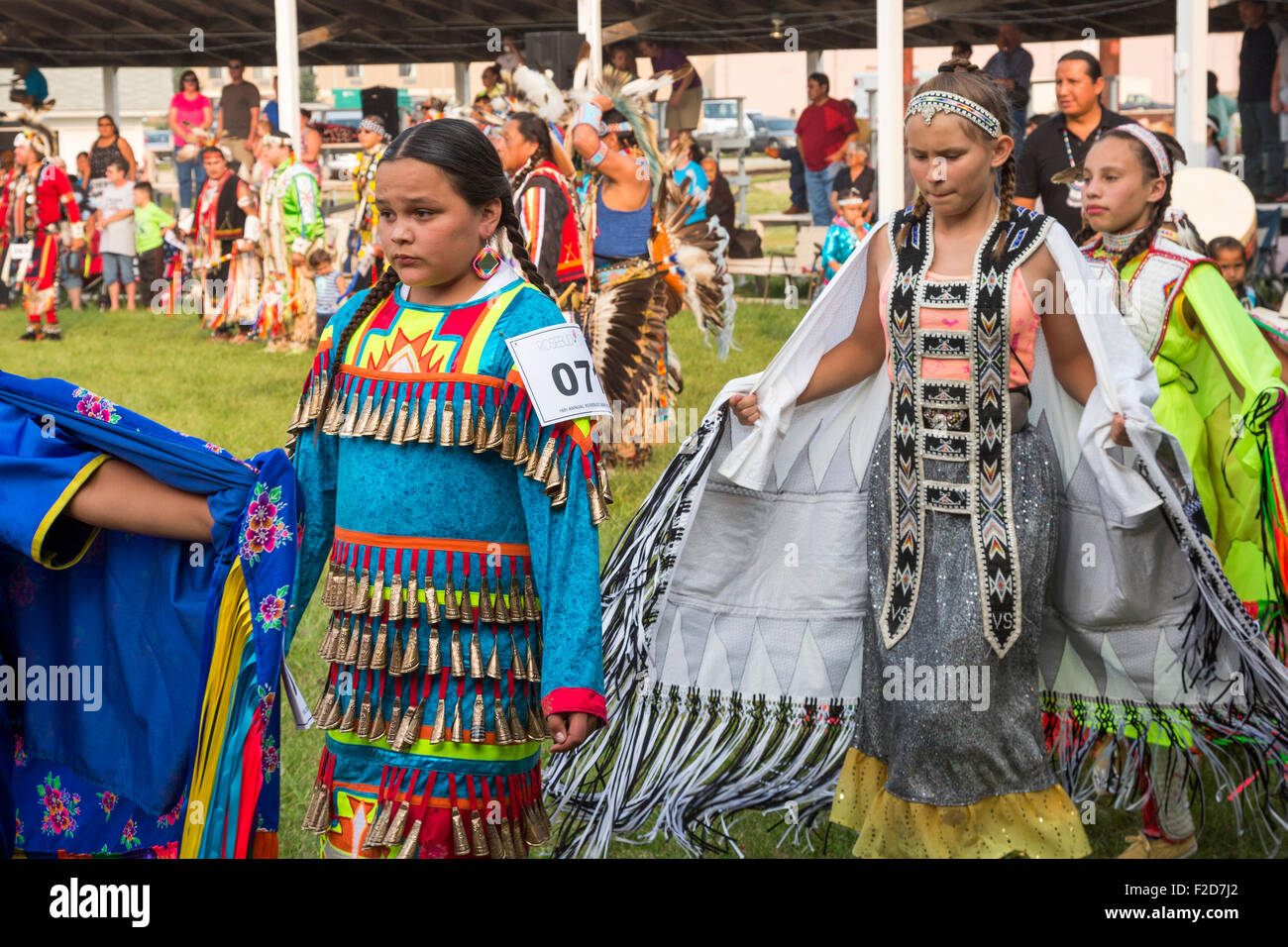
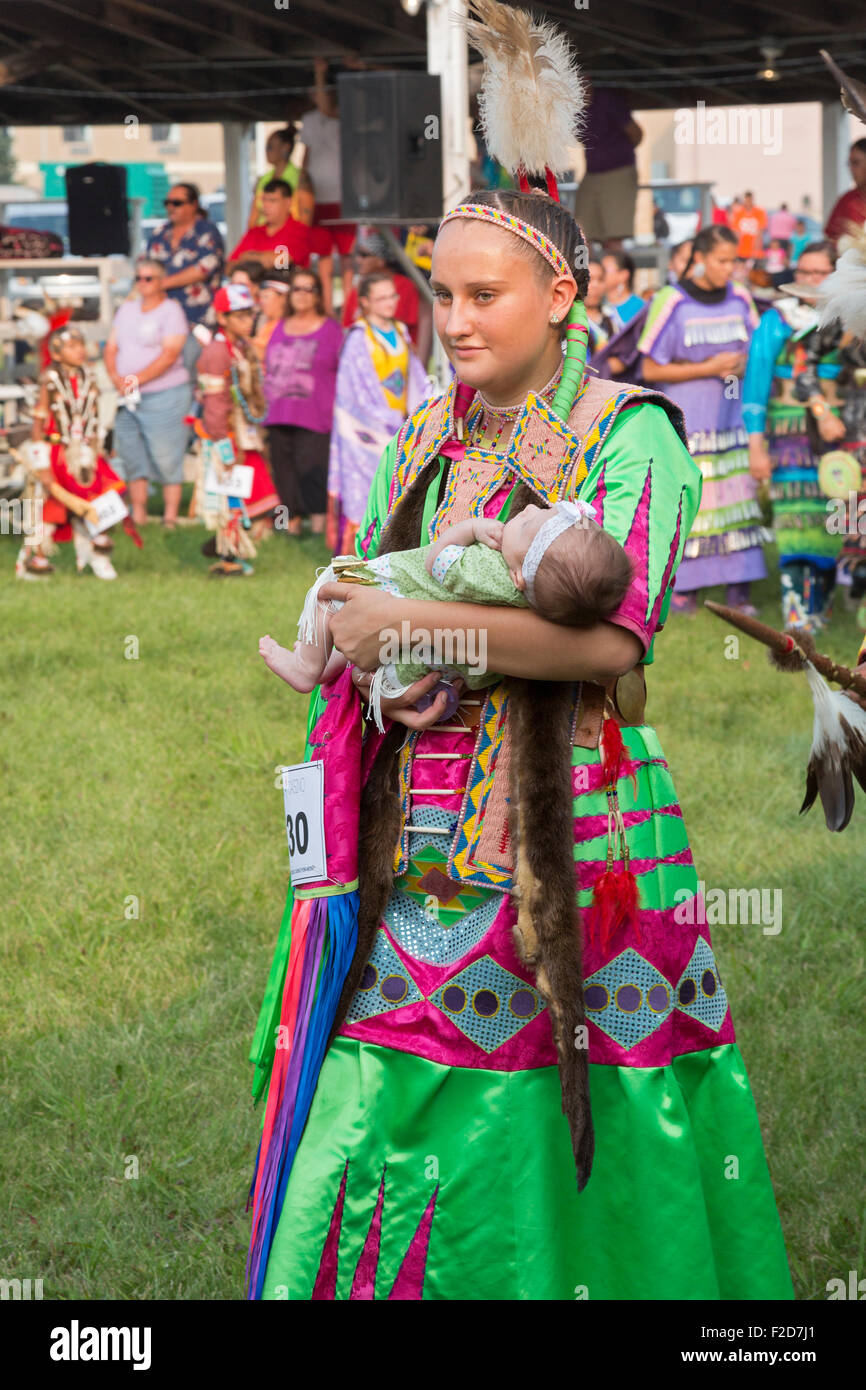
Traditional Lakota ceremonies and celebrations are an important part of tribal life. These events provide opportunities for community members to come together, honor their ancestors, and celebrate their culture.
Arts and Crafts
Lakota arts and crafts are renowned for their beauty and craftsmanship. Traditional art forms include beadwork, quillwork, and pottery. These art forms are not only a source of cultural expression but also a source of income for many tribal members.
Contemporary Issues and Challenges
The Rosebud Sioux Tribe Reservation faces numerous contemporary issues and challenges, including poverty, unemployment, substance abuse, and health disparities.
Poverty and Unemployment
Poverty and unemployment rates on the reservation are significantly higher than the national average. The tribe is working to address these issues through job training programs, economic development initiatives, and social support services.
Healthcare
Access to quality healthcare is a major challenge for tribal members. The tribe operates a healthcare facility, but it often struggles to meet the needs of the community. The tribe is working to improve healthcare access and address health disparities through partnerships with federal agencies and other organizations.
Education
Improving educational outcomes for tribal members is a key priority for the tribe. The tribe operates its own schools and supports students in pursuing higher education. The tribe is also working to incorporate Lakota language and culture into the curriculum.
Environmental Concerns
Environmental issues, such as water quality and land degradation, pose a threat to the health and well-being of the community. The tribe is working to protect its natural resources and promote sustainable development practices.
The Rosebud Sioux Tribe Today
Today, the Rosebud Sioux Tribe is a vibrant and resilient community that is committed to preserving its culture, improving the lives of its members, and exercising its sovereignty. The tribe faces many challenges, but it is also making progress in areas such as economic development, education, and healthcare.
Visiting the Rosebud Sioux Tribe Reservation
For those interested in learning more about the Rosebud Sioux Tribe and its culture, visiting the reservation can be a rewarding experience. Visitors can explore historical sites, attend cultural events, and learn about the tribe’s history and traditions. It is important to be respectful of the tribe’s culture and customs when visiting the reservation.
Respecting Tribal Customs
When visiting the Rosebud Sioux Tribe Reservation, it is crucial to be respectful of tribal customs and traditions. This includes asking permission before taking photographs, avoiding loud or disruptive behavior, and refraining from entering private property without permission.
Supporting Local Businesses
Supporting local businesses on the reservation is a great way to contribute to the tribe’s economy. Visitors can purchase Native American crafts, dine at local restaurants, and stay at tribal-owned accommodations.
Conclusion
The Rosebud Sioux Tribe Reservation is a place of rich history, vibrant culture, and ongoing challenges. The Sicangu Lakota people have persevered through adversity and are working to build a brighter future for themselves and their descendants. By understanding the history, governance, culture, and contemporary issues facing the Rosebud Sioux Tribe, we can gain a greater appreciation for the resilience and determination of Native American communities in the United States.
- The Rosebud Sioux Tribe Reservation was established in 1889 following the breakup of the Great Sioux Reservation.
- The tribal government consists of executive, legislative, and judicial branches.
- The tribe faces economic challenges but is working to promote development.
- Lakota culture and traditions are actively preserved and promoted.
- Contemporary issues include poverty, healthcare access, and education.
Frequently Asked Questions (FAQ)
What is the population of the Rosebud Sioux Tribe Reservation?
The population fluctuates, but is estimated to be around 20,000 enrolled tribal members, with a significant portion residing on the reservation.
What language do they speak on the Rosebud Sioux Tribe Reservation?
The primary language is English, but Lakota is also spoken and actively being revitalized.
What are some of the main industries on the Rosebud Sioux Tribe Reservation?
Agriculture, ranching, tourism, and tribal enterprises like casinos are key industries.
How can I learn more about the Rosebud Sioux Tribe?
Visit the reservation (respectfully), consult the tribal website, and seek out reputable sources on Lakota history and culture.


