Echoes of the Ancestors: The Profound Role of Masks in Native American Ceremonies
In the vast and diverse tapestry of human culture, masks have long served as potent symbols, bridging the mundane with the mystical. Yet, nowhere is their role more deeply embedded, more spiritually charged, and more fundamentally transformative than in the ceremonies of Native American peoples. Far from mere decorative objects or theatrical props, these sacred masks are living conduits to the spirit world, embodying ancestral wisdom, animal power, and divine presence. They are key players in rituals that celebrate life, mourn loss, heal the sick, ensure prosperity, and connect communities to the cosmic order.
To understand the profound significance of Native American masks is to look beyond their often breathtaking artistry and appreciate them as dynamic vessels, imbued with immense spiritual power. "A mask is not just an object," explains Dr. Joe Medicine Crow (Apsáalooke), a renowned Crow historian, "it is a living entity, imbued with the spirit it represents, and when worn, the dancer becomes that spirit." This sentiment captures the essence of a belief system where the lines between the physical and spiritual realms blur, and masks serve as the very fabric of that liminal space.
The diversity of Native American cultures means there is no single, monolithic "mask tradition." Instead, each tribe, each nation, has developed its unique forms, materials, and ceremonial applications, reflecting their specific spiritual beliefs, environmental contexts, and historical narratives. From the intricately carved wooden faces of the Pacific Northwest to the vibrant, geometric designs of the Southwest Katsina, and the visceral, often startling visages of the Iroquois False Face Society, masks across the continent tell distinct stories and fulfill specific functions.
One of the most compelling examples of masks as instruments of healing and spiritual protection can be found among the Haudenosaunee (Iroquois) people, particularly through the False Face Society. These masks, carved from living trees (often basswood, maple, or pine) and adorned with horsehair, are characterized by their twisted, often exaggerated features—deep-set eyes, crooked noses, and mouths contorted into expressions of pain or power. Each mask is believed to embody a spirit, specifically the "Great Doctor" or "Husk Face" spirits, who are powerful healers.
The creation of a False Face mask is a sacred act. The carver approaches a living tree, offering tobacco and prayers, explaining the mask’s purpose and asking for the tree’s spirit to enter the wood. The mask is carved directly into the tree trunk before being detached. The resulting features are often influenced by the tree’s natural knots and contours, and even the carver’s dreams. These masks are not simply worn; they are cared for, fed with tobacco, and respected as living beings. During healing ceremonies, members of the False Face Society, wearing these masks, enter homes to cleanse them of illness and negative energy. Their dances, accompanied by rattles made of turtle shells, are powerful performances aimed at driving away malevolent spirits and restoring balance to the sick individual and the community. The belief is that the wearer, in donning the mask, becomes a conduit for the spirit’s healing power, rather than merely representing it.

Further west, among the Kwakwaka’wakw (Kwakiutl) people of the Pacific Northwest Coast, masks play a pivotal role in elaborate potlatch ceremonies, which are grand feasts and gift-giving events that mark significant life events, transfer rights and privileges, and validate social status. The Kwakwaka’wakw are renowned for their intricate transformation masks, which are among the most ingenious and dramatic of all mask traditions. These masks are designed with multiple parts that can be opened and closed by strings and hinges, allowing them to transform dramatically during a performance.
Typically, a transformation mask depicts an outer animal form—such as a raven, bear, or wolf—which then opens to reveal an inner human or ancestral spirit face. This act of transformation symbolizes the wearer’s lineage connection to mythical ancestors who could shift between animal and human forms. The reveal, often accompanied by song, dance, and dramatic gestures, is a powerful moment of revelation and affirmation of the wearer’s identity and connection to their spiritual heritage. These masks are not just visual spectacles; they are profound statements of cosmology, history, and social order, asserting the wearer’s right to tell particular stories and perform specific dances.
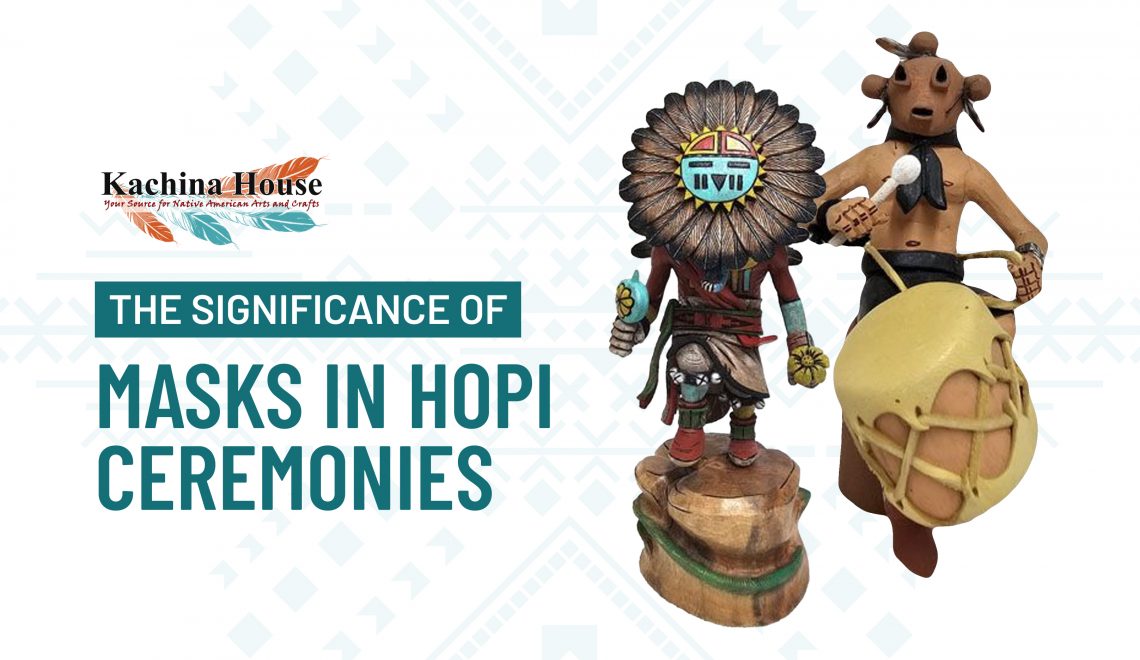
In the arid landscapes of the American Southwest, the Hopi and Zuni peoples celebrate the Katsina (Kachina) tradition, where masks are central to their vibrant ceremonial life. Katsinam are benevolent spiritual beings who embody the life-giving forces of nature—rain, fertility, good harvests—and serve as messengers between humans and the gods. During specific seasonal ceremonies, particularly from the winter solstice to the summer solstice, male members of the community don Katsina masks and costumes, embodying these spirits.
Each Katsina has a distinct appearance, name, and dance, often representing specific animals, plants, or natural phenomena. The masks, typically made of cottonwood root and decorated with feathers, paint, and other materials, are not merely representations but are believed to be the actual faces of the Katsinam. When a man wears a Katsina mask, he ceases to be himself and becomes the Katsina spirit for the duration of the ceremony. These masked dancers move through the plazas, performing intricate dances and songs, bringing blessings, teaching moral lessons to the community, and providing tangible gifts and teachings to children. The unmasked children learn about their spiritual world by interacting directly with these "living" spirits. The artistry of Katsina masks is not just aesthetic; every color, symbol, and feather carries deep cosmological meaning, making them profound educational tools as well as sacred objects.
The creation of these sacred masks is itself a deeply spiritual process. The materials chosen—wood, hide, feathers, shells, minerals, hair—are often selected for their inherent spiritual properties and their connection to the natural world. The act of carving, painting, and adorning is often accompanied by prayer, fasting, and ritual purification, transforming the raw materials into objects infused with spiritual power. The artists are not merely craftspeople; they are intermediaries between the human and spirit worlds, guided by tradition and vision.
Beyond their specific ceremonial roles, masks across Native American cultures share several unifying characteristics. They are often seen as liminal objects, existing on the threshold between worlds, allowing for communication and interaction with non-human entities. They facilitate transformation, not just of the wearer but also of the community, guiding them through cycles of life, death, and renewal. They serve as repositories of knowledge, embodying ancestral stories, moral codes, and historical events. And critically, they are community-centric, reinforcing social bonds, spiritual beliefs, and the collective identity of the people.
In the modern era, the role of masks in Native American ceremonies continues to evolve and face challenges. Historical suppression by colonial powers, who often viewed these sacred practices as "pagan" or "primitive," led to periods where mask-making and ceremonial dances were outlawed. The illicit trade of masks and other sacred objects, as well as cultural appropriation by outsiders, has also posed significant threats. However, despite these pressures, Native American communities have demonstrated remarkable resilience.
Today, there is a powerful movement of cultural revitalization. Younger generations are reclaiming ancestral knowledge, learning the intricate art of mask-making, and participating in ceremonies that ensure these traditions thrive. Legislation like the Native American Graves Protection and Repatriation Act (NAGPRA) in the United States has also aided in the return of some sacred masks and objects from museums to their rightful communities, allowing them to resume their ceremonial duties.
The enduring power of masks in Native American ceremonies lies in their ability to connect the past with the present, the individual with the collective, and the human with the divine. They are not static artifacts but dynamic instruments of spiritual practice, vital to the ongoing health and cultural integrity of indigenous peoples. As we witness these profound traditions, we are reminded of the universal human longing for connection to something greater than ourselves, a longing beautifully and powerfully articulated through the masked dances that echo the voices of the ancestors across this ancient land. These masks stand as potent testaments to the richness, resilience, and profound spiritual depth of Native American cultures, continuing to whisper secrets and blessings across generations.


