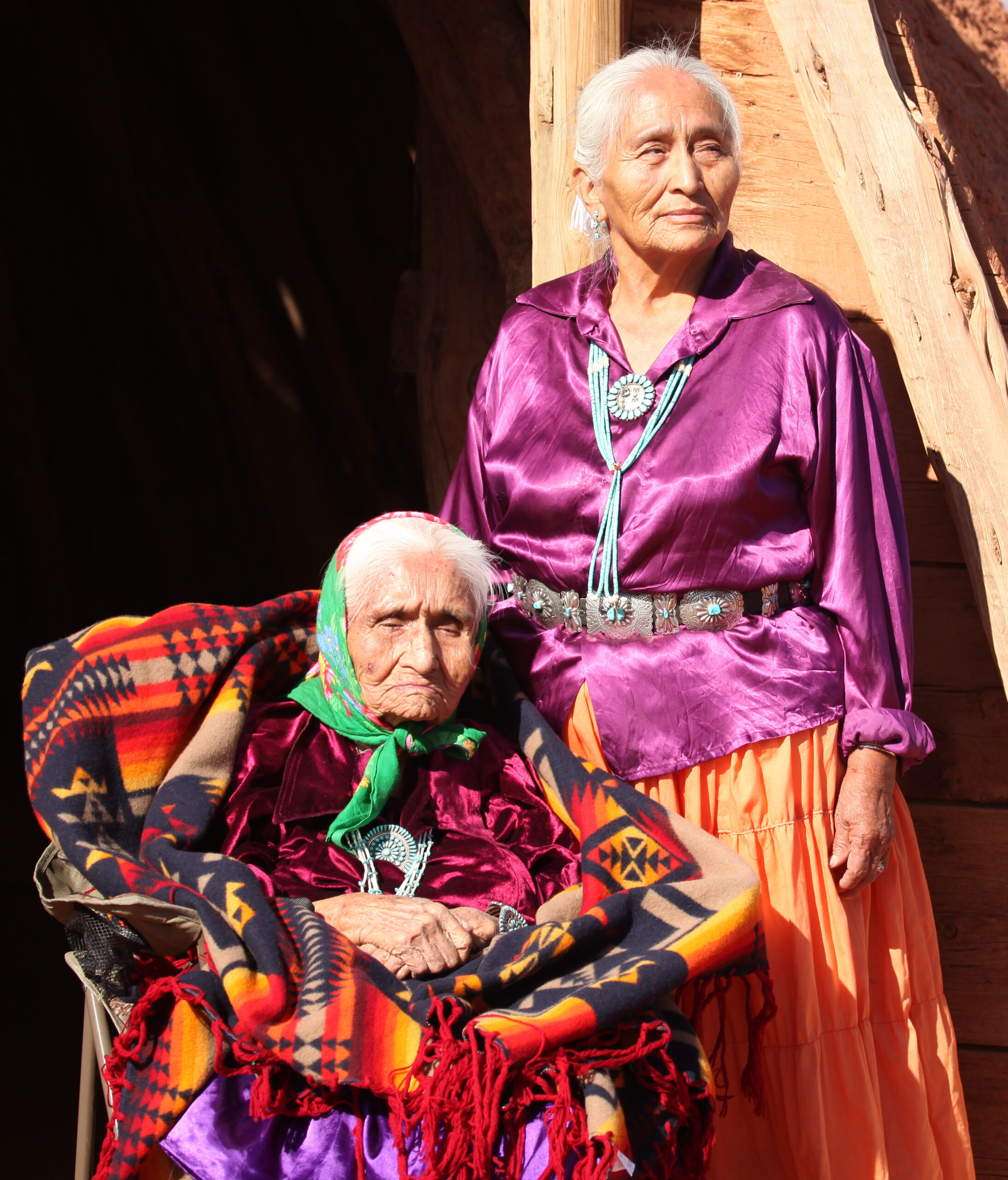
Elders on Indian Reservations serve as the backbone of their communities, embodying a wealth of knowledge, tradition, and cultural wisdom. Their roles are multifaceted, encompassing leadership, education, conflict resolution, and spiritual guidance. Understanding the significance of elders is crucial to appreciating the resilience and cultural continuity of Native American tribes.
Historical Context of Elders’ Roles
Historically, elders were the primary keepers of tribal history, oral traditions, and cultural practices. Before written records, they were the living libraries, passing down stories, songs, and ceremonies from one generation to the next. Their knowledge was essential for survival, teaching younger members about hunting, farming, healing, and governance. This historical role solidified their position as respected and influential figures within the tribe.
Oral Traditions and Storytelling
Elders are the custodians of oral traditions, preserving tribal history through storytelling. These stories contain valuable lessons, cultural values, and historical accounts that shape the identity of the community. Storytelling is not merely entertainment; it is a vital means of transmitting knowledge and reinforcing cultural norms.
Guardians of Cultural Practices
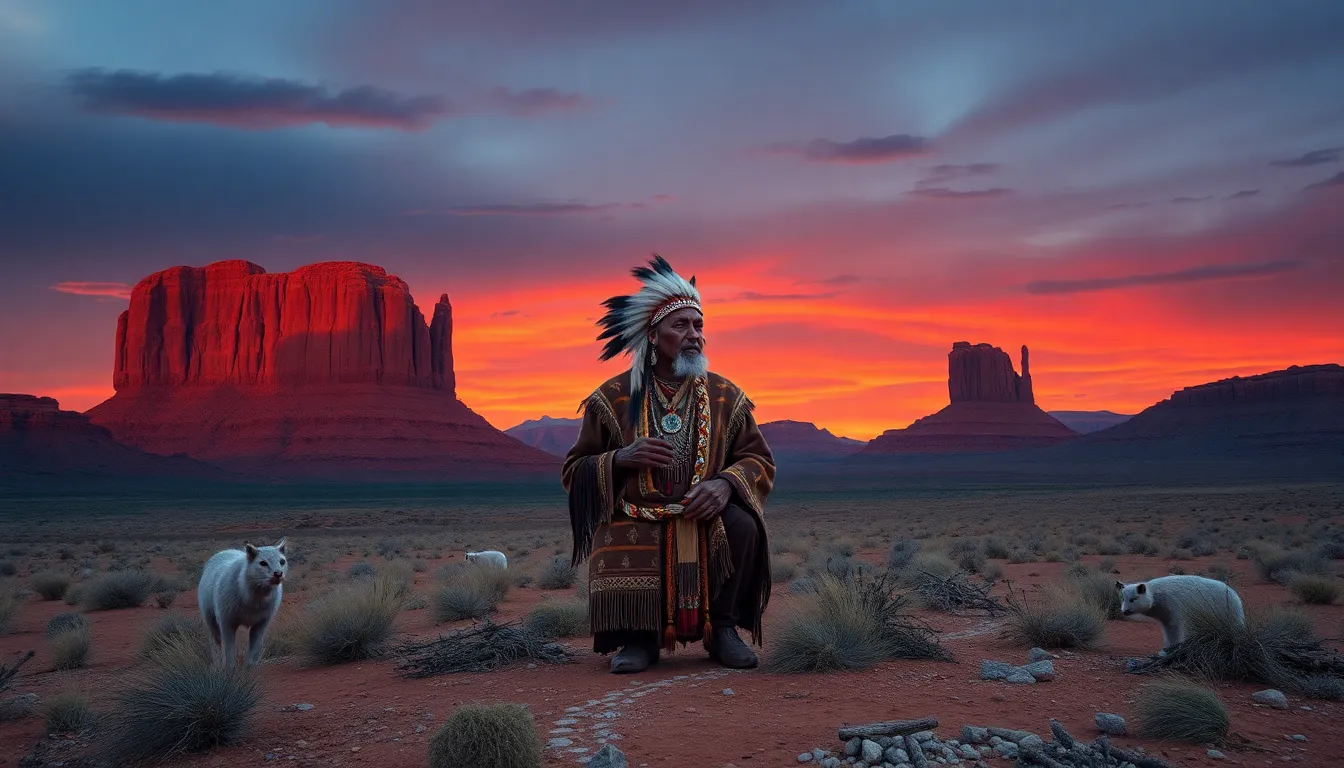
Elders ensure the continuity of cultural practices by teaching traditional skills, crafts, and ceremonies. They guide younger members in learning traditional dances, songs, and rituals, ensuring these practices are passed down accurately and respectfully. Their guidance helps maintain the cultural integrity of the tribe.
Contemporary Roles of Elders
In modern times, the roles of elders have adapted to meet the changing needs of their communities. While they continue to uphold traditional values, they also serve as advocates, mentors, and advisors, navigating the complexities of contemporary society while preserving their cultural heritage.
Mentors and Role Models for Youth
Elders play a crucial role in mentoring young people, providing guidance, support, and positive role models. They help youth navigate the challenges of adolescence, offering advice on education, career paths, and personal development. By sharing their life experiences and wisdom, elders instill a sense of pride and belonging in the younger generation.
Advocates for Tribal Sovereignty
Many elders are actively involved in advocating for tribal sovereignty and the rights of Native American people. They participate in tribal governance, working to protect tribal lands, resources, and cultural heritage. Their experience and knowledge are invaluable in negotiating with government agencies and other entities.
Cultural Preservation and Language Revitalization
With many Native American languages facing extinction, elders are at the forefront of language revitalization efforts. They teach language classes, create language resources, and mentor younger speakers, working to ensure that their languages survive for future generations. Their efforts are essential for preserving cultural identity and strengthening community bonds.
Challenges Faced by Elders
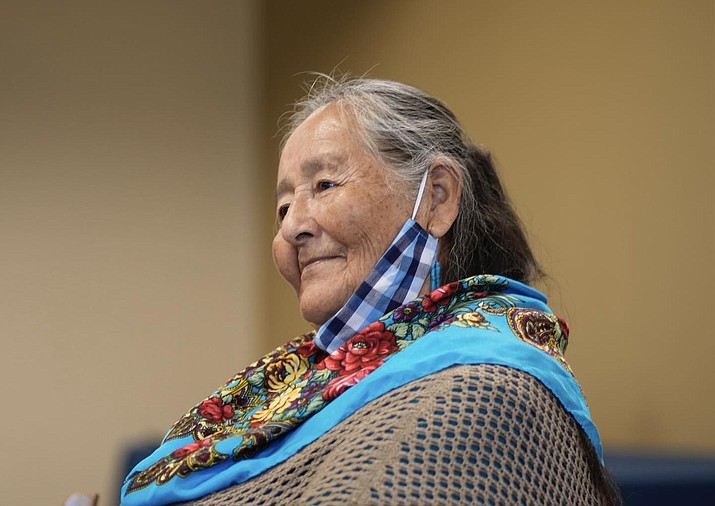
Despite their invaluable contributions, elders on Indian Reservations often face numerous challenges, including poverty, health disparities, and social isolation. Addressing these challenges is crucial for supporting their well-being and ensuring they can continue to play their vital roles in the community.
Poverty and Economic Hardship
Many elders live in poverty, struggling to meet their basic needs. Limited access to employment opportunities, healthcare, and social services can exacerbate their financial difficulties. Providing economic support and resources is essential for improving their quality of life.
Health Disparities
Elders often experience higher rates of chronic diseases, such as diabetes, heart disease, and arthritis. Limited access to healthcare, coupled with cultural barriers, can make it difficult for them to receive the care they need. Addressing health disparities requires culturally sensitive healthcare services and preventive care programs.
Social Isolation
Social isolation is a significant concern for many elders, particularly those who live alone or have limited mobility. Isolation can lead to depression, anxiety, and other mental health issues. Creating opportunities for social interaction and community engagement is essential for combating isolation and promoting well-being.
Supporting Elders on Indian Reservations
Supporting elders requires a multifaceted approach that addresses their economic, health, and social needs. By investing in programs and services that support elders, communities can ensure they can continue to thrive and contribute their wisdom and knowledge.
Economic Support Programs
Providing economic support through programs such as Social Security, pensions, and tribal assistance programs can help elders meet their basic needs. Additionally, creating employment opportunities for elders who are able and willing to work can improve their financial security and sense of purpose.
Healthcare Services
Ensuring access to culturally sensitive healthcare services is crucial for addressing the health disparities faced by elders. This includes providing preventive care, chronic disease management, and mental health services. Telehealth and mobile healthcare services can help reach elders in remote areas.
Community Engagement Initiatives
Creating opportunities for social interaction and community engagement can help combat social isolation. This includes organizing social events, cultural activities, and intergenerational programs that bring elders and younger members of the community together. Transportation services can help elders participate in these activities.
The Intergenerational Impact
The influence of elders extends beyond their immediate roles, shaping the future of their communities through intergenerational connections. Their wisdom, guidance, and cultural teachings have a profound impact on younger generations, fostering a sense of identity, belonging, and cultural pride.
Passing Down Cultural Knowledge
Elders play a vital role in passing down cultural knowledge to younger generations, ensuring the continuity of traditions, languages, and cultural practices. Their teachings help youth develop a strong sense of identity and connection to their heritage.
Strengthening Family Bonds
Elders often serve as the anchors of their families, providing emotional support, guidance, and stability. Their presence strengthens family bonds and fosters a sense of belonging, helping families navigate challenges and celebrate successes together.
Inspiring Future Leaders
By sharing their experiences and wisdom, elders inspire younger generations to become leaders and advocates for their communities. Their example encourages youth to pursue education, engage in civic activities, and work to improve the lives of others.
Examples of Successful Elder Programs
Several successful programs across Indian Reservations demonstrate the positive impact of supporting elders. These programs offer valuable lessons and insights for communities looking to strengthen their support for elders.
Language Immersion Programs
Language immersion programs engage elders to teach indigenous languages to children and adults. These programs not only revitalize languages but also provide elders with a sense of purpose and connection to their culture.
Cultural Heritage Centers
Cultural heritage centers provide a space for elders to share their knowledge of traditional arts, crafts, and ceremonies. These centers offer opportunities for elders to teach workshops, lead demonstrations, and mentor younger artists.
Elder Care Facilities
Elder care facilities provide a safe and supportive environment for elders who need assistance with daily living. These facilities offer culturally sensitive care, social activities, and opportunities for elders to maintain their independence and dignity.
The Future of Elders’ Roles
As Indian Reservations continue to evolve, the roles of elders will remain essential for preserving cultural identity and guiding communities forward. Embracing their wisdom, supporting their well-being, and empowering them to share their knowledge will be crucial for ensuring a vibrant and resilient future.
Adapting to Changing Times
Elders will need to adapt to changing times, embracing new technologies and approaches while maintaining their commitment to traditional values. Their ability to bridge the gap between the past and the present will be essential for navigating the challenges of the future.
Empowering Future Generations
Elders will continue to play a vital role in empowering future generations, inspiring them to become leaders, advocates, and cultural ambassadors. Their guidance and mentorship will help youth develop the skills and knowledge they need to succeed in a rapidly changing world.
Promoting Cultural Pride
Elders will continue to promote cultural pride, celebrating the unique heritage and traditions of their tribes. Their efforts will help strengthen community bonds and foster a sense of identity and belonging for all members.
In conclusion, the role of elders on Indian Reservations is indispensable. They are the keepers of cultural knowledge, mentors for youth, advocates for tribal sovereignty, and pillars of their communities. By supporting their well-being and empowering them to share their wisdom, we can ensure a vibrant and resilient future for Native American tribes. Recognizing and valuing the contributions of elders is essential for preserving cultural heritage and fostering a strong sense of community.
Investing in programs and services that support elders is not just a matter of honoring their contributions; it is an investment in the future of Native American communities. By ensuring that elders have the resources they need to thrive, we can empower them to continue to play their vital roles in preserving culture, guiding youth, and leading their communities.
- Elders are the primary keepers of tribal history and cultural practices.
- They serve as mentors, advocates, and cultural preservationists.
- Supporting elders requires addressing their economic, health, and social needs.
- Their intergenerational impact shapes the future of their communities.
- Successful elder programs offer valuable lessons for community support.


