
Guardians of Wisdom: The Enduring and Indispensable Role of Elders in Turtle Island Traditions
In the rich tapestry of Indigenous cultures across Turtle Island – the Native American and First Nations term for the North American continent – elders are not merely respected figures; they are the living libraries, the spiritual anchors, and the moral compasses of their communities. Their role transcends simple seniority, embodying a profound and multifaceted responsibility that is vital for cultural continuity, spiritual well-being, and intergenerational wisdom transfer. In a world increasingly dominated by digital information, the elder stands as a testament to the power of oral tradition, lived experience, and an unbroken connection to ancestral knowledge.
The designation of "elder" itself carries immense weight, signifying not just age, but a lifetime accumulated with wisdom, experience, and a deep understanding of traditional protocols, stories, and teachings. This wisdom is not passive; it is actively engaged in the daily life of the community, shaping decisions, guiding youth, and preserving the delicate balance between the human world and the natural environment.
Keepers of the Sacred Narrative: Oral Tradition and History
Perhaps the most fundamental role of elders is their position as the primary custodians of oral tradition. Before written languages were widely adopted, the history, laws, spiritual beliefs, and scientific knowledge of Indigenous nations were meticulously memorized and passed down through generations. Elders, therefore, are the living archives, holding within them creation stories, migration histories, ancestral genealogies, and the complex narratives that define a people’s identity.
These stories are not mere entertainment; they are pedagogical tools, ethical frameworks, and blueprints for understanding the world. An elder recounting a story of how a particular animal came to be, or the significance of a geographical landmark, is simultaneously teaching history, ecology, morality, and spiritual connection. The act of listening to an elder is an immersive educational experience, fostering a deep sense of belonging and cultural pride in younger generations. As one Anishinaabe elder once remarked, "Our stories are not just tales; they are maps to understanding who we are and where we are going." The intricate details held within these narratives ensure that the cultural memory of the nation remains vibrant and accessible.

Spiritual Guides and Ceremonial Leaders
Beyond historical narratives, elders are often the guardians of spiritual practices and ceremonial knowledge. They understand the intricacies of sacred rites, songs, dances, and prayers that connect individuals and communities to the Creator, to the land, and to their ancestors. Whether it is leading a Sweat Lodge ceremony, facilitating a naming ceremony, guiding a vision quest, or conducting healing rituals, elders provide the necessary spiritual guidance and ensure that protocols are followed with reverence and respect.
Their connection to the spiritual realm is often seen as deeper, honed through years of practice, prayer, and personal experience. They interpret dreams, offer spiritual counsel, and help navigate moments of crisis or transition. In many traditions, elders are the ones who can properly conduct ceremonies for healing, grief, or celebration, acting as crucial intermediaries between the physical and spiritual worlds. This role demands not only extensive knowledge but also immense personal integrity and a profound commitment to the well-being of the community.
Teachers of Language and Cultural Practice
The rapid decline of Indigenous languages due to the devastating impacts of colonialism and residential schools has placed an urgent and critical responsibility on elders. They are often the last fluent speakers of their ancestral tongues, making their role in language revitalization efforts absolutely paramount. Elders lead language nests, mentor younger teachers, and patiently impart vocabulary, grammar, and pronunciation, understanding that language is not just a tool for communication but a vessel for worldview, humor, and cultural nuance.
Similarly, elders are the primary instructors in traditional skills and practices. From identifying medicinal plants and preparing traditional foods to crafting regalia, weaving baskets, or building traditional dwellings, their hands-on knowledge is invaluable. They teach by doing, by demonstrating, and by patiently guiding younger learners, ensuring that these vital skills, which are intrinsically linked to self-sufficiency and cultural identity, are not lost. This direct, experiential learning environment fosters a deep respect for the skills and the knowledge holder.
Moral Compass and Community Governance
In many Indigenous societies, elders serve as the moral compass, embodying the ethical principles and values that guide community life. They are often sought out for advice on complex social issues, disputes, or difficult decisions. Their counsel is rooted in a deep understanding of traditional laws, community dynamics, and a commitment to harmony and collective well-being. They often facilitate consensus-building, mediate conflicts, and ensure that decisions are made with the long-term health of the community and future generations in mind.
The Seven Grandfather Teachings of the Anishinaabe people – Wisdom, Love, Respect, Bravery, Honesty, Humility, and Truth – exemplify the kind of values that elders embody and transmit. They teach these through their actions, their stories, and their direct instruction, serving as living examples of ethical leadership. Their authority is not coercive but rather earned through their lifetime of service, integrity, and demonstrated wisdom.
Intergenerational Mentorship and Family Anchors
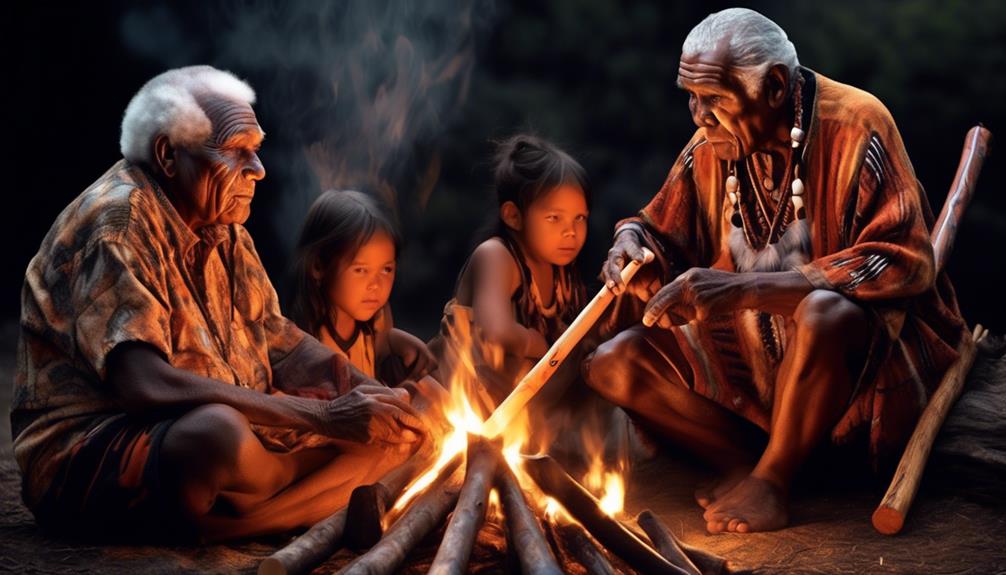
Beyond their roles in formal community structures, elders are indispensable within families, often serving as the primary caregivers and mentors for grandchildren and great-grandchildren. They transmit family histories, teach manners and social protocols, and provide a stable, loving presence. This intergenerational connection is crucial for psychological well-being, cultural grounding, and the perpetuation of family values.
They model patience, resilience, and the importance of reciprocity. Many Indigenous youth who have overcome significant challenges attribute their success to the unwavering support and guidance of an elder in their lives. The bond between elders and youth is a sacred trust, a living chain that connects the past to the present and future.
Resilience in the Face of Colonialism
The role of elders has been profoundly challenged by the forces of colonialism, particularly through the residential and boarding school systems designed to "kill the Indian in the child." These institutions forcibly removed children from their families and communities, severing the vital intergenerational link and actively suppressing Indigenous languages, cultures, and spiritual practices. Many elders today are residential school survivors, bearing the scars of this trauma.
Despite these devastating assaults, elders demonstrated incredible resilience. Often in secret, they continued to practice their ceremonies, speak their languages, and pass on their knowledge, sometimes risking imprisonment or severe punishment. Their unwavering commitment ensured that Indigenous cultures, though wounded, were not extinguished. Today, they are at the forefront of cultural revitalization efforts, healing intergenerational trauma, and reclaiming what was lost. Their fortitude is a testament to the enduring strength of Indigenous identity and the power of their traditions.
The Future of Wisdom
In contemporary Indigenous communities, the role of elders remains as critical as ever, perhaps even more so. They are bridging traditional wisdom with modern challenges, offering Indigenous perspectives on issues ranging from climate change and environmental stewardship to mental health and economic development. They serve on advisory boards, participate in educational institutions, and are sought out by non-Indigenous allies eager to learn from their profound understanding of holistic well-being and sustainable living.
The recognition and honoring of elders are not simply acts of respect; they are acts of cultural survival. Investing in elders, supporting their work, and creating opportunities for intergenerational knowledge transfer are essential for the health and vitality of Indigenous nations. As the world grapples with complex global issues, the timeless wisdom held by the elders of Turtle Island offers invaluable lessons in interconnectedness, stewardship, and the enduring power of community. Their voices, steeped in the experiences of generations, continue to resonate, guiding their people towards a future rooted in strength, identity, and profound respect for all of creation.


