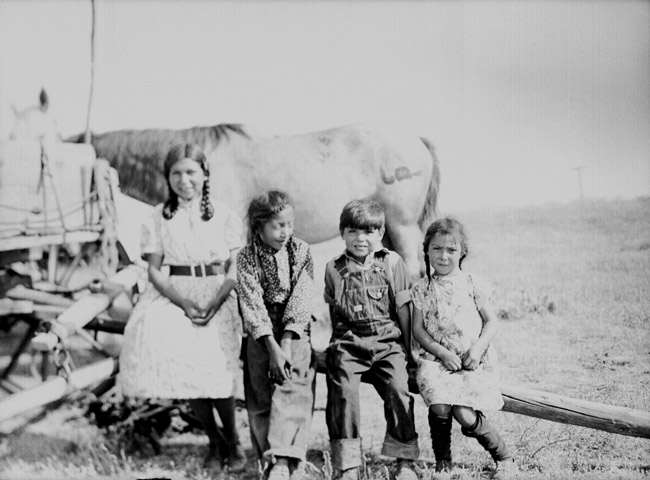
Rocky Boy’s Indian Reservation, located in north-central Montana, is home to the Chippewa Cree Tribe, also known as the Chippewa-Cree Indians of the Rocky Boy’s Reservation. This reservation, established in 1916, represents a unique chapter in Native American history, born from the merging of two distinct cultures and the resilience of its people. This comprehensive guide delves into the rich history, vibrant culture, and contemporary life of the Rocky Boy’s Indian Reservation.
A Brief History
The story of Rocky Boy’s Indian Reservation is one of perseverance and adaptation. The Chippewa and Cree peoples, though distinct, found common ground in their shared struggles and eventually united under the leadership of Chief Rocky Boy. The creation of the reservation marked the end of a long period of displacement and hardship for these tribes, who had been denied a homeland for many years.
Before the establishment of the reservation, both the Chippewa and Cree faced immense challenges. The Chippewa, originally from the Great Lakes region, migrated westward, while the Cree, with origins in Canada, also moved south. These movements were often driven by resource scarcity and pressure from European expansion. Without a designated reservation, they were often subject to exploitation and marginalization.
Chief Rocky Boy, a prominent leader, tirelessly advocated for his people. His dedication and persistence eventually led to the establishment of the reservation, providing a much-needed land base and a foundation for self-determination. The reservation was named in his honor, a testament to his enduring legacy.
The Chippewa Cree Tribe: Two Nations, One Community

The Chippewa Cree Tribe represents a unique blend of two distinct Native American cultures. Understanding the individual histories of the Chippewa and Cree is crucial to appreciating the richness of the Rocky Boy community.
The Chippewa (Ojibwe): Originating from the Great Lakes region, the Chippewa were known for their birchbark canoes, intricate beadwork, and woodland lifestyle. They were skilled hunters, fishermen, and gatherers, deeply connected to the natural environment. Their migration westward brought them into contact with other tribes, including the Cree.
The Cree: The Cree, with roots in Canada, were traditionally nomadic hunters and trappers of the northern plains and woodlands. They were known for their adaptability and resilience, skills that served them well as they navigated the changing landscape of the American West. Their encounters with the Chippewa led to a cultural exchange and eventual alliance.
The merging of these two cultures on the Rocky Boy’s Indian Reservation created a unique cultural identity. The tribe maintains its own government, laws, and cultural traditions, reflecting the shared heritage of the Chippewa and Cree people.
Life on the Reservation Today
Today, the Rocky Boy’s Indian Reservation faces both opportunities and challenges. The tribal government plays a crucial role in managing resources, providing services, and promoting economic development.
Economic Development: The tribe has made significant strides in developing its economy, focusing on areas such as agriculture, tourism, and gaming. The Stone Child College, located on the reservation, provides educational opportunities and workforce training for tribal members.
Healthcare and Social Services: Access to healthcare remains a critical issue. The tribe operates a health clinic that provides essential medical services. Social services programs address issues such as poverty, unemployment, and substance abuse.
Education: Stone Child College is a vital institution, offering associate degrees and vocational training. It plays a crucial role in preparing students for careers and leadership roles within the community.

Cultural Preservation: The tribe is actively involved in preserving its cultural heritage. Language revitalization programs, traditional ceremonies, and cultural events help to ensure that the traditions of the Chippewa and Cree are passed down to future generations.
Visiting Rocky Boy’s Indian Reservation
While Rocky Boy’s Indian Reservation is not a major tourist destination, visitors are welcome to learn about the tribe’s history and culture. It’s essential to be respectful and mindful of tribal customs and regulations.
Respect Tribal Customs: Before visiting, it’s advisable to contact the tribal government to learn about any specific protocols or guidelines for visitors. Always be respectful of tribal lands and cultural sites.
Attend Cultural Events: Opportunities may arise to attend powwows or other cultural events, providing a unique glimpse into the traditions of the Chippewa Cree people. These events are a celebration of their heritage and a chance to share their culture with others.
Support Local Businesses: Supporting local businesses on the reservation is a way to contribute to the economic well-being of the community. Consider purchasing Native American crafts or dining at local restaurants.
Challenges and Opportunities
Like many Native American communities, Rocky Boy’s Indian Reservation faces significant challenges, including poverty, unemployment, and limited access to resources. However, the tribe is actively working to overcome these obstacles and create a brighter future for its members.
Poverty and Unemployment: Addressing poverty and unemployment requires a multifaceted approach, including job training programs, economic development initiatives, and access to education.
Healthcare Disparities: Improving access to quality healthcare is a top priority. The tribe is working to expand its health clinic and provide more comprehensive medical services.
Education and Empowerment: Investing in education is crucial for empowering tribal members and creating opportunities for advancement. Stone Child College plays a vital role in this effort.
Preserving Cultural Identity: Maintaining cultural identity in the face of assimilation pressures is an ongoing challenge. The tribe is committed to preserving its language, traditions, and cultural heritage.
The Future of Rocky Boy’s Indian Reservation
The future of Rocky Boy’s Indian Reservation depends on the continued resilience and determination of its people. By embracing their cultural heritage, investing in education, and promoting economic development, the Chippewa Cree Tribe can create a thriving community for generations to come.
The Rocky Boy’s Indian Reservation stands as a testament to the strength and adaptability of the Chippewa and Cree people. Despite facing numerous challenges throughout their history, they have persevered and built a vibrant community that honors its past while looking towards the future.
Frequently Asked Questions (FAQ)
What is the population of Rocky Boy’s Indian Reservation?
The population of Rocky Boy’s Indian Reservation fluctuates, but it is generally estimated to be around 3,500 to 4,000 people.
Rocky Boy’s Indian Reservation is located in north-central Montana, near the town of Havre.
When was Rocky Boy’s Indian Reservation established?
Rocky Boy’s Indian Reservation was established in 1916.
What tribe lives on Rocky Boy’s Indian Reservation?
The Chippewa Cree Tribe, also known as the Chippewa-Cree Indians of the Rocky Boy’s Reservation, lives on the reservation.
How can I learn more about the Chippewa Cree Tribe?
You can learn more about the Chippewa Cree Tribe by visiting the Stone Child College website, contacting the tribal government, or researching reputable sources on Native American history and culture.
What are some of the cultural traditions of the Chippewa Cree Tribe?
The Chippewa Cree Tribe has a rich cultural heritage that includes traditional ceremonies, powwows, storytelling, and artistic expressions such as beadwork and quillwork.
Conclusion
Rocky Boy’s Indian Reservation is a unique and resilient community with a rich history and vibrant culture. The Chippewa Cree Tribe has overcome numerous challenges to build a thriving society that honors its past while looking towards a brighter future. By understanding their history, respecting their traditions, and supporting their efforts, we can all contribute to the well-being of this remarkable community. The reservation is a testament to the enduring spirit of Native American people and a reminder of the importance of preserving cultural heritage.
The story of Chief Rocky Boy and his people is a powerful reminder of the importance of perseverance, cultural preservation, and self-determination. The Rocky Boy’s Indian Reservation stands as a symbol of hope and resilience for Native American communities across the nation.
Visiting the reservation (when appropriate and respectful) or simply learning more about the Chippewa Cree Tribe, offers a chance to broaden your understanding of American history and culture and to appreciate the contributions of Native American people to our society.

.jpeg?w=200&resize=200,135&ssl=1 "Jobs Available On Indian Reservations")

