The Silent Slaughter: Mitigating Road Mortality for Turtles on Turtle Island
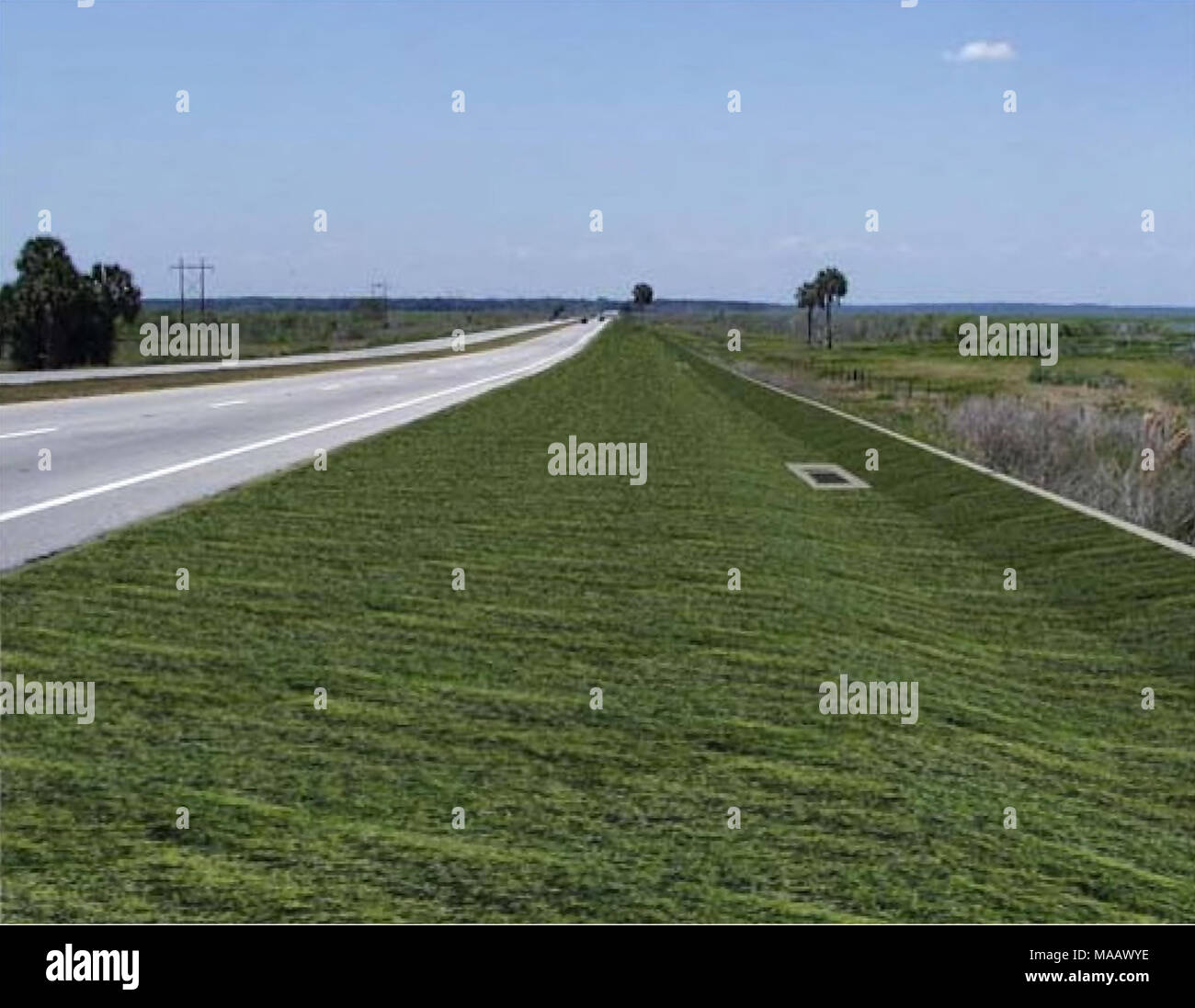
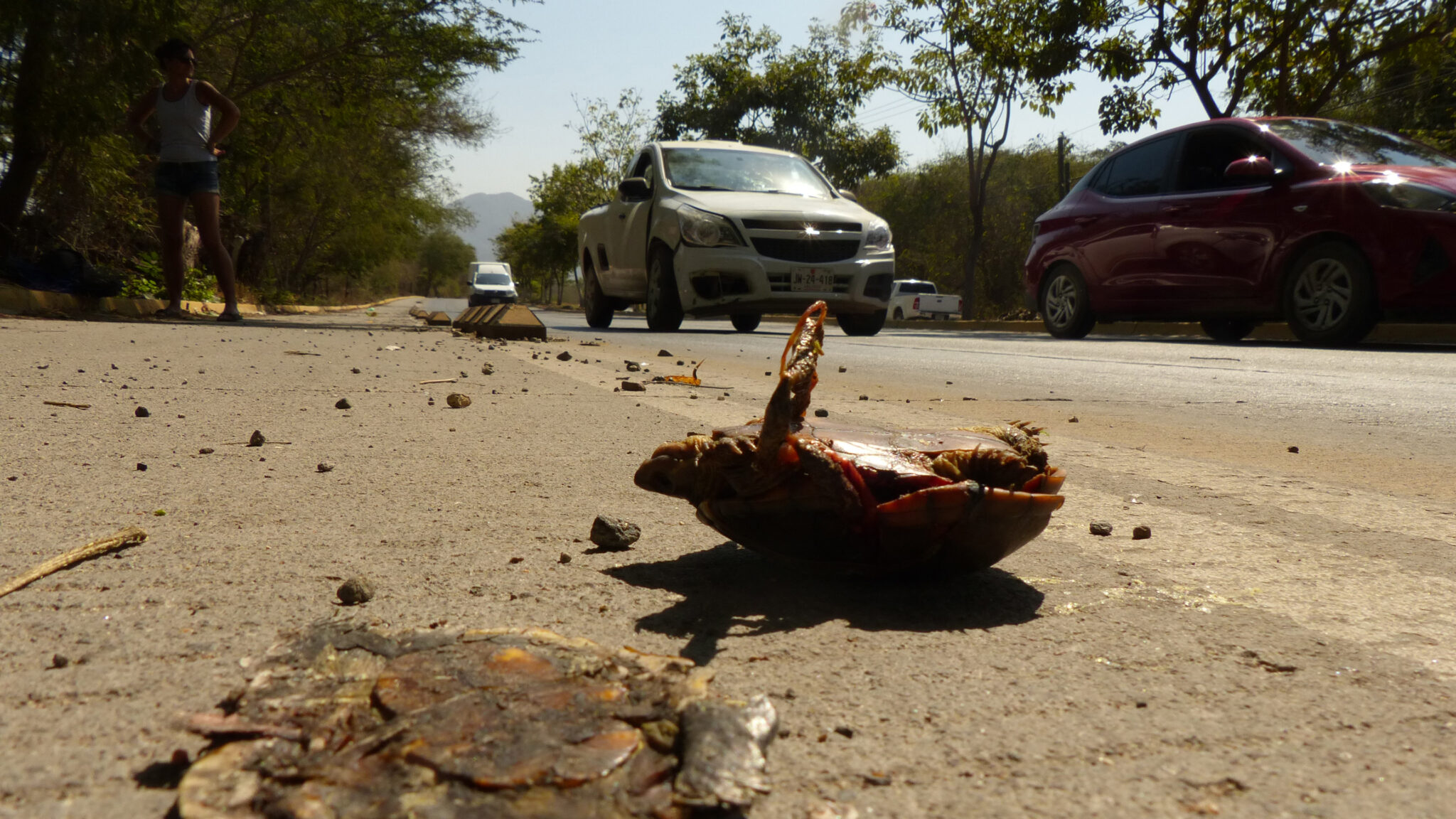
On Turtle Island, a name rooted in Indigenous cosmology recognizing North America as a great turtle’s back, a silent slaughter is unfolding. Each year, millions of turtles, ancient mariners of land and fresh water, meet their untimely end on the relentless ribbons of asphalt that crisscross the continent. These are not merely individual tragedies; they represent a significant driver of population decline for numerous turtle species, pushing many towards the brink of extinction. The challenge of mitigating road mortality for turtles is immense, yet it is a battle conservationists, Indigenous communities, and concerned citizens are increasingly determined to win, recognizing the profound ecological and cultural value these creatures represent.
Turtles are uniquely vulnerable to roads. Their life history strategies, honed over millions of years, are ill-suited to the modern automotive age. They are slow-moving, often mistaken for rocks or debris, and possess an inherent inability to perceive fast-moving threats. Many species, particularly females, undertake seasonal migrations to nesting sites, foraging grounds, or overwintering areas, which frequently involve crossing roads. The urge to lay eggs, for instance, often draws gravid females to sandy or gravelly road shoulders – ironically, perceived as ideal nesting substrate – placing them directly in harm’s way.
The impact of road mortality is disproportionate and devastating. Turtles are long-lived, slow to mature, and have low reproductive rates. A female turtle might not lay her first clutch of eggs until she is 10, 15, or even 20 years old. The loss of a single adult female can equate to the loss of hundreds, if not thousands, of potential offspring over her lifetime. This makes road networks "population sinks," areas where mortality rates exceed birth rates, leading to localized extinctions and fragmenting already dwindling populations. As Dr. Sarah Johnson, a leading herpetologist specializing in road ecology, often states, "For long-lived species like turtles, losing even a few breeding adults each year can decimate a population faster than it can recover. Roads are an invisible, pervasive predator that selectively targets the very individuals crucial for species survival."
The problem is pervasive across Turtle Island. From the Blanding’s Turtle (Emydoidea blandingii) in the Great Lakes region, a species listed as Endangered in Canada and threatened in many U.S. states, to the Gopher Tortoise (Gopherus polyphemus) of the southeastern United States, a keystone species whose burrows provide refuge for hundreds of other animals, road mortality is a primary threat. The situation is exacerbated by continuous habitat loss and fragmentation, forcing turtles into increasingly perilous encounters with human infrastructure.
Addressing this complex issue requires a multi-faceted approach, integrating engineering solutions, public engagement, and ecological understanding.
Engineering Solutions: Fences and Passages
The most direct and effective mitigation strategies involve modifying the physical landscape to prevent turtles from accessing roads and to provide safe passage.
-
Exclusion Fencing: This is often the first line of defense. Low-profile fences, typically 60-90 cm (2-3 feet) high, are installed along road edges in identified "hotspot" areas where high numbers of turtles are known to cross. These fences are designed to be impassable for turtles, effectively "drifting" them along the fence line until they encounter a safe passage. The effectiveness of exclusion fencing is highly dependent on its design, installation, and ongoing maintenance. Fences must be buried slightly into the ground to prevent turtles from burrowing underneath and extend high enough to prevent climbing. Gaps, erosion, or accumulated debris can render them useless. Studies in Ontario, for instance, have shown properly installed and maintained drift fences to reduce turtle road mortality by over 90% in targeted areas.
-
Ecopassages (Culverts and Tunnels): Complementing exclusion fencing, ecopassages provide safe routes underneath roads. These can range from simple, modified culverts designed for water flow to dedicated wildlife tunnels. For turtles, these passages must be appropriately sized, well-lit, and designed to prevent water accumulation. The substrate within the passage is crucial; a natural substrate like soil or sand is far more appealing to turtles than concrete or bare metal. Location is paramount: passages must be placed strategically where turtles naturally attempt to cross. Research indicates that turtles are more likely to use passages if they are directly aligned with their migratory paths and if guiding fences funnel them directly towards the entrance. A notable example is the extensive network of wildlife crossings along Highway 93 in Banff National Park, Canada, which includes passages specifically designed for smaller animals like turtles and amphibians. In Florida, underpasses for the Gopher Tortoise have been crucial in connecting fragmented habitats.
Public Engagement and Education: The Human Element
While infrastructure is vital, changing human behavior is equally important.
-
Driver Awareness Campaigns: Many drivers are unaware of the presence of turtles on roads or the ecological significance of their actions. Public awareness campaigns through signage, social media, and local news can educate drivers to be vigilant, especially during peak turtle activity times (late spring and early summer for nesting, early morning/late evening). Signs reading "Turtle Crossing Ahead" can be surprisingly effective.
-
Citizen Science Initiatives: Engaging the public directly in data collection can be a powerful tool. Projects like "Ontario Turtle Tally" or "Road Watch" encourage citizens to report turtle sightings, both alive and deceased, along roads. This data helps conservationists identify critical road mortality hotspots, inform mitigation planning, and monitor the effectiveness of interventions. Moreover, it fosters a sense of stewardship among participants.
-
Safe Turtle Handling Education: For those who encounter a turtle on the road, knowing how to safely assist it is crucial. The general rule is to help the turtle cross in the direction it was heading, never turning it back. Specific instructions on handling different species (e.g., snapping turtles require careful handling due to their bite) are often provided by local conservation groups. This direct intervention, when done safely, can save countless lives.
Planning, Policy, and Collaboration
Effective mitigation extends beyond individual projects to broader planning and policy frameworks.
-
Hotspot Mapping and Prioritization: Utilizing citizen science data, road mortality surveys, and telemetry studies, conservationists can create detailed maps identifying critical crossing points. This allows for the strategic allocation of limited resources to areas where mitigation will have the greatest impact.
-
Land Use Planning and Development Regulations: Integrating wildlife corridor planning into municipal and regional development plans can prevent new roads from fragmenting critical turtle habitats. Regulations requiring environmental impact assessments for new road construction or expansion can mandate mitigation measures from the outset.
-
Collaboration and Funding: Mitigation efforts require significant financial investment and the cooperation of multiple stakeholders: government agencies (transportation, environment), conservation NGOs, academic institutions, Indigenous communities, and local landowners. Indigenous traditional ecological knowledge, which often holds deep insights into turtle movements and habitat use, is increasingly recognized as invaluable in planning effective mitigation. As Elder White Eagle, a respected knowledge keeper from the Anishinaabe Nation, reminds us, "The turtles are our relatives; they carry the wisdom of the earth. We must listen to them, and protect their path, for their well-being is tied to ours." Securing sustained funding for both construction and long-term maintenance of mitigation structures remains a significant challenge.
Challenges and the Path Forward
Despite growing awareness and innovative solutions, challenges persist. The sheer scale of North America’s road network makes comprehensive mitigation an enormous undertaking. Cost is a major barrier; building and maintaining effective fencing and ecopassages can be expensive. Public and political will, especially in the face of competing priorities, can waver. Furthermore, monitoring the long-term effectiveness of mitigation strategies is crucial but often underfunded. Are the passages being used as intended? Are the fences holding up against weather and vandalism?
The future of turtle road mortality mitigation lies in an integrated, adaptive management approach. This means:
- Data-Driven Decisions: Continuously collecting and analyzing data to refine hotspot identification and assess mitigation effectiveness.
- Innovation: Exploring new technologies, such as smart road designs that incorporate sensors to detect wildlife, or materials that are more durable and cost-effective for fencing.
- Proactive Planning: Incorporating wildlife connectivity and road ecology principles into all stages of road development, from initial planning to construction and maintenance.
- Broadening the Scope: Recognizing that climate change will alter turtle habitats and migration patterns, necessitating flexible and adaptable mitigation strategies.
The journey to protect turtles on Turtle Island’s roads is a long one, mirroring the slow, deliberate pace of the turtles themselves. It demands patience, persistence, and a collective commitment to valuing the ancient lives that share our modern landscapes. By implementing smart infrastructure, educating the public, and fostering collaboration, we can transform these asphalt rivers of death into pathways of survival, ensuring that the wisdom and resilience of the turtle continue to grace Turtle Island for generations to come. The silent slaughter can, and must, be silenced.


