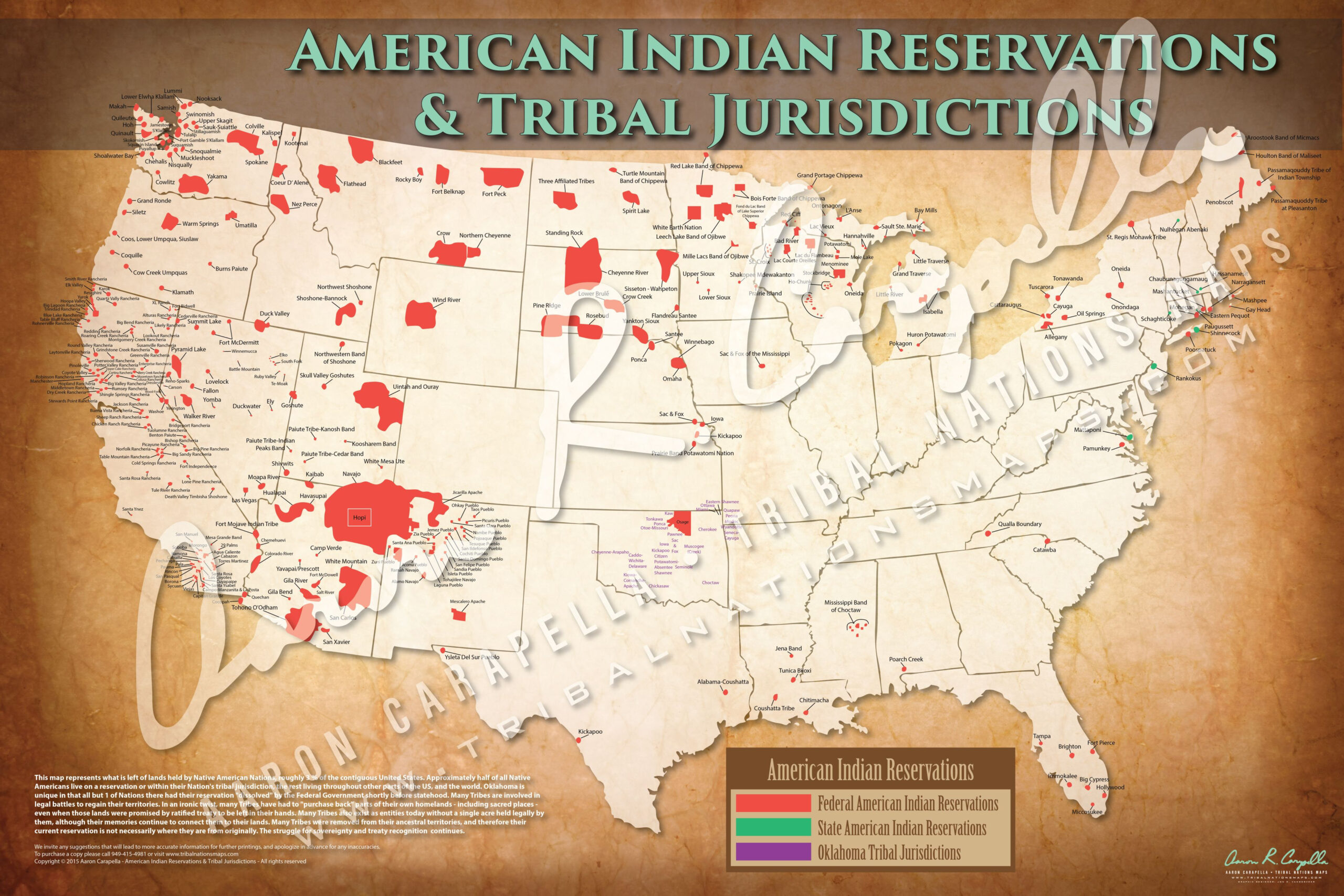
The narrative surrounding Indian Reservation communities often focuses on historical injustices and ongoing challenges. While these aspects are undeniable and crucial to acknowledge, they frequently overshadow an equally powerful truth: the extraordinary resilience, adaptability, and enduring spirit of Indigenous peoples.
Resilience, in this context, is not merely about survival; it is about thriving, adapting, healing, and continuously strengthening cultural identity despite centuries of systemic adversity. It is a testament to the profound connection to land, language, traditions, and community that defines these vibrant nations.
To truly appreciate this resilience, one must first understand the historical crucible from which it emerged. For generations, Native American communities endured forced relocation, broken treaties, land dispossession, and aggressive assimilation policies designed to erase their cultures and identities. The legacy of these actions, including the boarding school era, continues to impact communities today.
Despite these immense pressures, Indigenous peoples steadfastly maintained their spiritual practices, oral traditions, languages, and intricate social structures. This unwavering commitment to heritage laid the foundational stone for the resilience we observe today, demonstrating an inherent strength that refused to be extinguished.
Understanding the Challenges Faced by Reservation Communities
Modern reservation communities continue to navigate a complex landscape of challenges. These often include significant socio-economic disparities, such as higher rates of poverty and unemployment compared to national averages, stemming from historical resource theft and limited economic opportunities.

Health disparities are also prevalent, with many communities facing inadequate access to quality healthcare, leading to higher incidences of chronic diseases and mental health issues. The lingering effects of historical trauma contribute significantly to these ongoing struggles, demanding culturally sensitive and holistic approaches to healing.
Furthermore, infrastructure gaps persist in many areas, impacting basic necessities like housing, clean water, reliable electricity, and internet access. Addressing these foundational needs is crucial for improving quality of life and fostering sustainable development.
Pillars of Strength: Cultural Preservation and Identity
At the heart of Indigenous resilience lies the tireless dedication to cultural preservation. Communities are actively engaged in revitalizing ancestral languages, often through immersion programs, tribal schools, and community-led initiatives that ensure these vital aspects of identity are passed to younger generations.
Traditional practices, ceremonies, and storytelling continue to serve as powerful conduits for intergenerational knowledge transfer. These practices reinforce cultural values, spiritual beliefs, and connections to the land, providing a sense of belonging and continuity.
Art forms, including weaving, pottery, beading, and music, are not just aesthetic expressions but living histories and statements of cultural identity. They are integral to community life, celebrating heritage and providing avenues for economic self-sufficiency.
The Power of Self-Determination and Tribal Sovereignty
A cornerstone of Indigenous resilience is the assertion of tribal sovereignty—the inherent right of Native American tribes to govern themselves. This principle, recognized through treaties and federal law, empowers tribes to manage their lands, resources, and people according to their own laws and customs.
Exercising self-governance means establishing and operating tribal judicial systems, law enforcement, education departments, and healthcare services. This autonomy allows communities to tailor solutions that genuinely meet the unique needs and cultural contexts of their members, fostering greater effectiveness and accountability.

Advocacy for indigenous rights remains a critical component of self-determination. Tribal leaders and community members continually work to protect their inherent rights, challenge federal policies that undermine sovereignty, and ensure their voices are heard on local, national, and international stages.
Economic Development and Diversification Initiatives
Many reservation communities are actively pursuing diverse economic development strategies to create jobs, generate revenue, and reduce reliance on external funding. Gaming enterprises, while sometimes controversial, have provided significant revenue streams for many tribes, funding essential services like education, healthcare, and infrastructure.
Beyond gaming, tribes are investing in sustainable tourism, showcasing their unique cultures, natural landscapes, and historical sites. This approach not only creates economic opportunities but also educates visitors about Indigenous heritage and perspectives.
Renewable energy projects, such as solar and wind farms, are becoming increasingly common, leveraging tribal lands for sustainable energy production. These initiatives offer economic benefits while aligning with traditional values of environmental stewardship.
Furthermore, tribes are re-investing in agriculture, natural resource management, and fostering entrepreneurship among their members. Small businesses, from artisanal crafts to tech startups, are emerging, contributing to local economies and fostering innovation.
Innovations in Education and Youth Empowerment
Education within reservation communities is undergoing a transformation, with a strong emphasis on culturally relevant curricula. These programs integrate tribal histories, languages, and worldviews into academic instruction, making learning more engaging and meaningful for Native youth.
Tribes are also establishing their own colleges and universities, offering higher education opportunities that are accessible and culturally affirming. Scholarship programs, mentorship initiatives, and youth leadership development are crucial for empowering the next generation of tribal leaders and professionals.
Health and Wellness Initiatives: A Holistic Approach
Addressing health disparities involves a holistic approach that often integrates traditional healing practices with modern medicine. Community-led health programs focus on prevention, mental health support, and addressing the root causes of health issues, including historical trauma.
Many tribes have developed robust programs to combat substance abuse, promote mental wellness, and provide culturally appropriate counseling services. These initiatives recognize the importance of spiritual well-being alongside physical and emotional health.
Environmental Stewardship and Land Connection
The deep spiritual and cultural connection to the land drives significant environmental stewardship efforts. Traditional ecological knowledge (TEK) informs contemporary conservation practices, guiding tribes in protecting sacred sites, managing natural resources sustainably, and adapting to climate change.
Tribes are often at the forefront of environmental protection, fighting for clean water, air, and healthy ecosystems. Their advocacy and leadership in this area are vital not only for their own communities but for the broader global environment.
Community Building and Social Cohesion
The strength of reservation communities is inherently tied to their robust social structures. Extended family networks, communal events like powwows, and mutual support systems foster strong bonds and ensure that no one is left behind. This collective strength is a powerful antidote to isolation and adversity.
Addressing Misconceptions and Promoting Understanding
Part of ongoing resilience involves actively challenging stereotypes and misconceptions about Native Americans and reservation life. Accurate representation in media, education, and public discourse is vital for fostering greater understanding and respect for Indigenous cultures and contributions.
The Path Forward: Sustaining Resilience
The resilience of Indian Reservation communities is a continuous journey. It requires ongoing advocacy for tribal sovereignty, sustained investment in future generations, and the building of respectful partnerships with external organizations and governments. Their strength serves as an inspiration and a vital reminder of the enduring power of culture, community, and self-determination.
In conclusion, the resilience of Indian Reservation communities is a profound and multifaceted phenomenon. It is woven into the fabric of their history, expressed through their vibrant cultures, strengthened by their self-governance, and propelled by their unwavering commitment to future generations. Their ability to overcome immense challenges while preserving their unique identities offers invaluable lessons for all societies on the true meaning of strength, adaptation, and enduring spirit.


