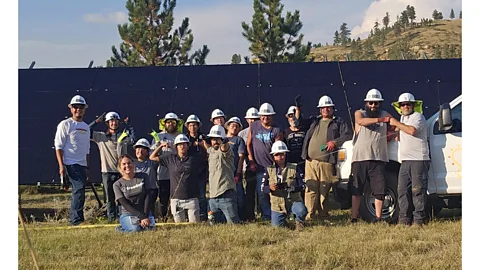
Indian Reservations across the United States are uniquely positioned at the forefront of a significant energy transformation. With vast land resources and a deep-rooted commitment to environmental stewardship, tribal nations are increasingly turning to renewable energy sources as a pathway to enhanced self-determination, economic prosperity, and sustainable development.
For generations, many tribal communities have faced disproportionate energy challenges, including limited access to reliable and affordable power, aging infrastructure, and a reliance on external energy grids that often fail to meet their specific needs. This historical context underscores the profound importance of developing local, sustainable energy solutions.
The transition to renewable energy on tribal lands is not merely about adopting new technologies; it is a powerful statement of sovereignty. It represents an opportunity for tribal nations to gain greater control over their energy futures, reduce their carbon footprint, and create lasting economic benefits for their communities.
This comprehensive article delves into the immense potential, diverse technologies, significant benefits, and persistent challenges associated with the burgeoning renewable energy sector on Indian Reservations.
Unlocking Potential: The Case for Tribal Renewable Energy
Tribal lands encompass a significant portion of the United States, often rich in natural resources ideal for renewable energy generation. From abundant sunshine in the Southwest to powerful winds across the Great Plains and geothermal hot spots, the raw potential is immense and largely untapped.
Harnessing these resources allows tribal nations to move towards genuine energy sovereignty. This means producing their own power, controlling its distribution, and reducing dependence on external utilities, which can often be costly and unreliable.
Beyond energy independence, renewable energy projects offer substantial opportunities for economic development. These initiatives can create new jobs, generate stable revenue streams, and foster diversified tribal economies, moving away from traditional reliance on a few key industries.
Furthermore, embracing clean energy aligns intrinsically with the traditional values of environmental stewardship and respect for Mother Earth held by many Indigenous cultures. It’s a modern application of ancient wisdom, protecting sacred lands and contributing to global climate action.
Key Renewable Energy Technologies on Tribal Lands
Several renewable energy technologies are proving particularly viable and beneficial for tribal communities, each suited to different geographic and resource specificities.
Solar Power: Harnessing the Sun
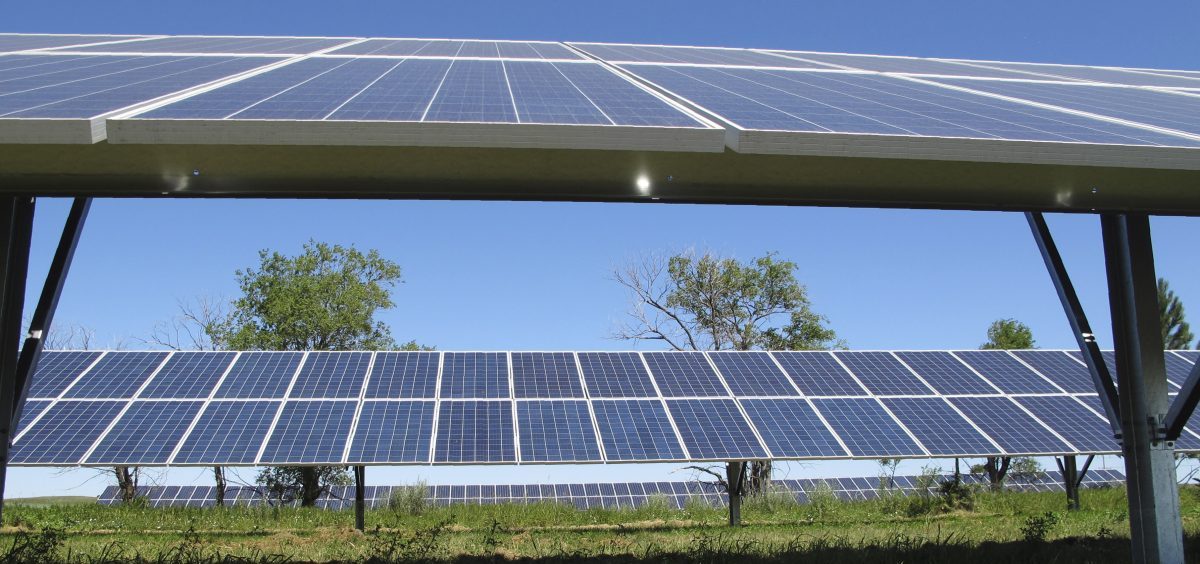
Solar photovoltaic (PV) systems are among the most prevalent and accessible renewable energy options. Many reservations boast high solar irradiance, making PV installations highly efficient. These can range from small-scale rooftop arrays on homes and community buildings to utility-scale solar farms.
Community solar projects, where multiple tribal members or facilities share the output of a larger solar installation, are gaining traction. They provide clean energy, reduce electricity bills, and foster community resilience.
Wind Energy: Power from the Plains
For tribal nations located in areas with consistent, strong winds, wind turbines present a powerful opportunity. Large-scale wind farms can generate significant amounts of electricity, providing substantial revenue through power purchase agreements (PPAs) with off-takers.
Wind energy projects not only offer environmental benefits but also often lead to long-term economic stability and job creation in construction, operation, and maintenance roles for tribal members.
Geothermal Energy: Tapping Earth’s Heat
In regions with geological hot spots, geothermal energy offers a reliable, baseload power source. Geothermal plants operate continuously, providing consistent electricity independent of weather conditions, making them an attractive option for certain tribal lands.
Hydroelectric and Biomass: Diverse Solutions
Smaller-scale hydroelectric projects, often utilizing existing waterways, can provide localized power. Biomass, converting organic matter into energy, also holds promise, particularly for tribes with access to sustainable forestry resources or agricultural waste.
Benefits Beyond the Grid: A Holistic Impact
The advantages of renewable energy extend far beyond simply generating electricity, touching various aspects of tribal life and governance.
Economic Empowerment and Job Creation
Renewable energy projects stimulate local economies by creating direct jobs in project development, construction, operations, and maintenance. Indirectly, they foster demand for local services and supplies. Training programs often accompany these projects, building a skilled tribal workforce.
Furthermore, revenue generated from energy sales or land leases for projects can be reinvested into tribal services, infrastructure, education, and healthcare, enhancing overall community well-being and reducing reliance on external funding.
Enhanced Energy Security and Resilience
By generating their own power, tribal nations can significantly improve their energy security. Microgrids, powered by renewables, can operate independently during external grid outages, providing critical power to essential services and homes, especially in remote areas prone to severe weather.
Environmental Stewardship and Climate Action
Embracing renewable energy dramatically reduces greenhouse gas emissions, directly addressing climate change concerns. This aligns with and strengthens tribal communities’ traditional roles as guardians of the land and natural resources, protecting ancestral territories for future generations.
Cultural Preservation and Self-Determination
Energy independence reinforces tribal sovereignty and self-determination. It allows tribal governments to make decisions that prioritize their communities’ long-term interests and cultural values, free from external energy pressures. This empowerment strengthens cultural identity and community cohesion.
Navigating the Path: Challenges and Solutions
Despite the immense potential, tribal renewable energy development faces several unique challenges that require strategic solutions and collaborative efforts.
Funding and Capital Investment
The initial capital investment for renewable energy projects can be substantial. Access to financing, grants, and loans can be complex for tribal entities due to unique land ownership structures and perceived financial risks.
Solutions involve leveraging federal grant programs (e.g., U.S. Department of Energy Office of Indian Energy, USDA Rural Energy for America Program), forming partnerships with private developers, and exploring innovative financing mechanisms like tribal green bonds or community solar initiatives.
Infrastructure and Grid Interconnection
Many tribal lands are remote, with inadequate transmission infrastructure. Connecting new renewable energy projects to the existing grid can be costly, time-consuming, and complex, requiring significant upgrades and utility cooperation.
Addressing this involves investing in smart grid technologies, developing microgrids for localized energy independence, and fostering strong collaboration between tribal governments, federal agencies, and utility companies to facilitate grid upgrades and interconnection processes.
Technical Expertise and Capacity Building
Developing, operating, and maintaining complex energy systems requires specialized technical expertise, which may be limited within some tribal communities.
Solutions include establishing robust training and educational programs for tribal members, partnering with universities and technical colleges, and engaging experienced consultants to guide project development and ensure long-term operational success.
Regulatory and Policy Hurdles
Navigating the intricate web of federal, state, and tribal regulations can be challenging. Jurisdictional complexities and differing permitting requirements can create delays and increase project costs.
Advocacy for streamlined regulatory processes, developing clear tribal energy policies, and fostering inter-governmental agreements can help overcome these hurdles, creating a more predictable environment for renewable energy development.
Success Stories and Promising Initiatives
Numerous tribal nations have already embarked on successful renewable energy journeys, demonstrating the viability and benefits. These range from large-scale solar farms providing power to thousands of homes to community wind projects supplying tribal schools and health clinics.
Federal initiatives, such as the U.S. Department of Energy’s Office of Indian Energy Policy and Programs, provide crucial technical assistance and financial support, helping tribes overcome barriers and realize their energy goals. These programs are vital catalysts for progress.
The Future of Renewable Energy on Tribal Lands
The momentum behind renewable energy on Indian Reservations is growing. As technology advances and costs decrease, the economic and environmental case for tribal clean energy becomes even stronger. Tribal nations are increasingly recognized as key players in the national energy landscape.
Their leadership in sustainable development and commitment to responsible resource management offer a powerful model for the broader society. The journey towards complete energy sovereignty is ongoing, but the path is clear and illuminated by the promise of a sustainable, self-determined future.
In conclusion, renewable energy on Indian Reservations represents a transformative opportunity. It is a pathway to economic diversification, enhanced energy security, profound environmental stewardship, and the strengthening of tribal sovereignty and cultural identity. While challenges exist, the collective resolve of tribal nations, supported by strategic partnerships and enabling policies, is paving the way for a brighter, cleaner, and more independent future for Indigenous communities across the nation.


