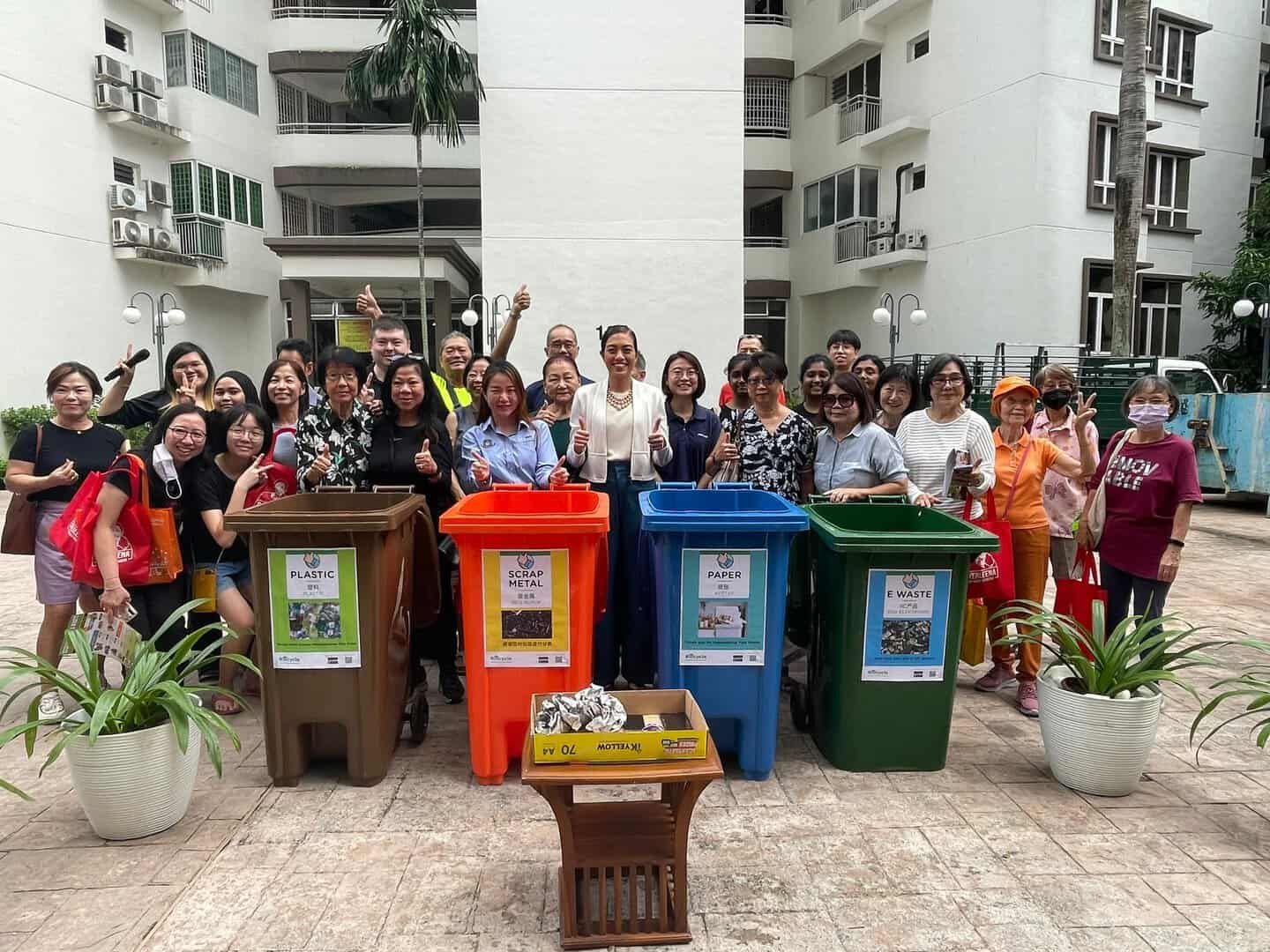
Recycling is a cornerstone of modern environmental stewardship, offering a pathway to resource conservation, pollution reduction, and sustainable economic development. However, the implementation of effective recycling programs is not uniform across the United States. Indian Reservations, sovereign nations with unique governance structures and often remote geographies, face a distinct set of challenges and opportunities in establishing and maintaining robust recycling initiatives.
This comprehensive guide aims to shed light on the intricate landscape of recycling programs within Native American communities. We will explore the historical context, the specific hurdles tribal nations encounter, the innovative solutions being developed, and the profound benefits these programs bring to both people and planet.
For many Indigenous cultures, environmental stewardship is not merely a modern concept but a deeply ingrained traditional value. The philosophy of ‘seven generations’ – considering the impact of current decisions on future generations – underscores a profound respect for the Earth and its resources. This inherent connection to land and water often forms the spiritual and cultural bedrock for tribal waste management efforts.
However, historical injustices, including forced relocation, resource exploitation, and the imposition of external governance structures, have often disrupted traditional ecological practices. Today, tribal nations are asserting their sovereignty and revitalizing these traditional values through contemporary environmental programs, including sophisticated recycling initiatives.
One of the most significant challenges for recycling programs on Indian Reservations is geographic isolation. Many tribal lands are located in rural or remote areas, far from established recycling infrastructure such as processing facilities and markets for recycled materials. This distance leads to higher transportation costs, making collection and processing economically unfeasible without substantial external support.
Another critical hurdle is the lack of adequate funding and resources. Developing and sustaining a recycling program requires significant capital investment for equipment (trucks, balers, containers), infrastructure (drop-off centers, transfer stations), and operational costs (staffing, maintenance). Tribal governments often operate with limited budgets, making it difficult to allocate sufficient funds for these endeavors.
Furthermore, the absence of robust market access for collected recyclables can undermine even the most well-intentioned programs. If there are no buyers for sorted materials, or if the cost of transporting materials to distant markets outweighs the revenue generated, programs can quickly become unsustainable. This issue is particularly acute for lower-value commodities.
The complex interplay of federal, state, and tribal regulations also presents a unique challenge. While tribal nations possess inherent sovereign authority, their environmental programs often intersect with federal agencies like the Environmental Protection Agency (EPA) and state environmental departments. Navigating these overlapping jurisdictions requires significant legal and administrative expertise.
Population density also plays a role. Many reservations have dispersed populations, making curbside collection economically impractical. Developing accessible drop-off systems that serve a wide geographic area, while also being cost-effective, requires creative planning and community engagement.
Despite these challenges, many tribal nations are forging ahead with innovative and culturally appropriate recycling solutions. These initiatives are often born from a strong desire for self-determination and a commitment to protecting tribal lands and resources for future generations.
Federal support plays a crucial role in empowering these efforts. The U.S. Environmental Protection Agency (EPA) offers various programs and grants, such as the Indian Environmental General Assistance Program (IGAP), which provides funding to tribal governments for developing and implementing environmental programs, including solid waste management and recycling.
Other federal agencies, like the U.S. Department of Agriculture (USDA) Rural Development, also offer grants and loans for rural infrastructure projects that can support recycling facilities and equipment on tribal lands. These partnerships are vital for bridging the funding gap.
Inter-tribal organizations and non-profits also serve as critical resources, facilitating knowledge sharing, providing technical assistance, and advocating for policies that support tribal environmental programs. These collaborations help foster a sense of shared purpose and collective action.
Effective recycling programs on reservations often begin with a thorough community needs assessment and material stream analysis. Understanding what waste is generated, what materials are most prevalent, and what the community’s priorities are, allows for the design of tailored programs that are more likely to succeed and gain community buy-in.
Commonly recycled materials on reservations include paper, cardboard, plastics (PET and HDPE), aluminum cans, and glass. Specialized programs may also address e-waste, tires, household hazardous waste, and green waste for composting, depending on local needs and available resources.
Community engagement and education are paramount. Programs that integrate traditional ecological knowledge and culturally relevant messaging tend to be more effective. Educating residents about the benefits of recycling, what can and cannot be recycled, and how to participate, is essential for long-term success.
Many tribal communities are developing diverse collection methods, from centralized drop-off centers to mobile collection events and, where feasible, even limited curbside services. The goal is always to make recycling as convenient and accessible as possible for residents.
The economic benefits of tribal recycling programs extend beyond simply diverting waste from landfills. These initiatives can create local jobs in collection, sorting, processing, and even the manufacturing of new products from recycled materials, fostering a localized circular economy.
From an environmental perspective, robust recycling programs significantly reduce the amount of waste sent to landfills, preserving valuable land and extending landfill lifespans. They also conserve natural resources, reduce greenhouse gas emissions, and prevent pollution of air, water, and soil.
Moreover, tribal nations are increasingly exploring innovations in waste management, such as large-scale composting programs for organic waste, which can then be used to enrich tribal agricultural lands. Some are also investigating waste-to-energy solutions, where appropriate, to further reduce reliance on external energy sources.
The concept of environmental justice is central to these efforts. Historically, many marginalized communities, including Native American tribes, have disproportionately borne the burden of environmental pollution. Recycling programs are a step towards correcting these imbalances, empowering tribes to manage their own waste and protect their ancestral lands.
What are the biggest barriers to recycling on Indian Reservations? Lack of funding, remote locations, limited infrastructure, and challenges accessing markets for recycled materials are consistently cited as the primary obstacles. Overcoming these requires a multi-faceted approach involving federal support, strategic partnerships, and community-led initiatives.
How do tribes fund their recycling programs? Funding typically comes from a combination of sources: tribal government appropriations, federal grants (e.g., EPA IGAP, USDA Rural Development), state environmental grants, private foundation support, and sometimes revenue generated from selling recycled commodities.
Is recycling a priority for tribal nations? Absolutely. Driven by deep-seated cultural values of land stewardship and self-determination, many tribal nations view effective waste management and recycling as a critical component of their environmental sovereignty and sustainable future.
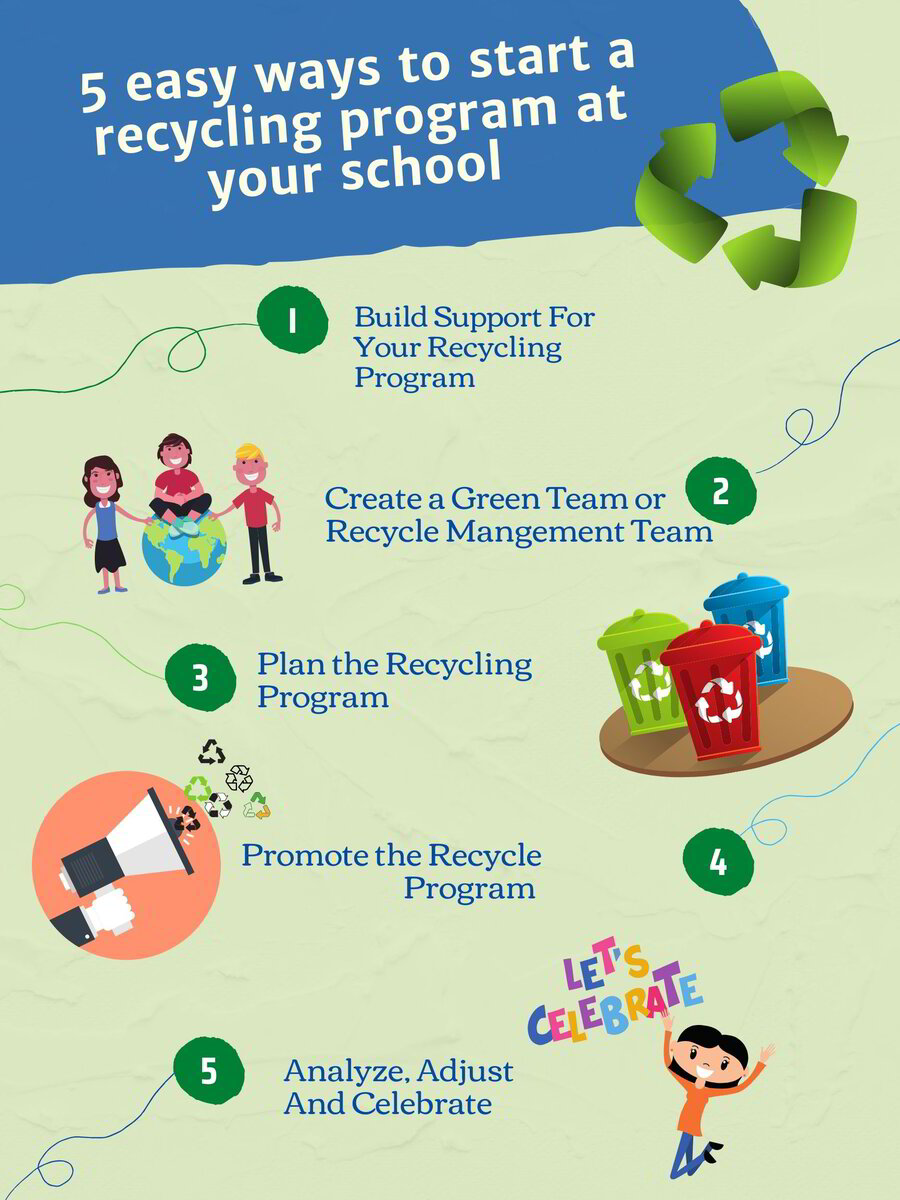
How can communities start a recycling program on a reservation? The process typically involves:
- Needs Assessment: Understanding current waste streams and community interest.
- Feasibility Study: Analyzing costs, potential markets, and logistical challenges.
- Funding Acquisition: Seeking grants and tribal allocations.
- Infrastructure Development: Establishing collection points and equipment.
- Community Outreach & Education: Informing and engaging residents.
- Partnerships: Collaborating with federal, state, and local entities.
The future of recycling on Indian Reservations is bright with potential. As technology advances and awareness grows, more tribes are seeking to implement advanced waste diversion techniques, including sophisticated material recovery facilities and robust composting operations.
Inter-tribal collaboration is also on the rise, with neighboring tribes pooling resources and sharing best practices to create regional solutions that might be unfeasible for a single tribe alone. This collective strength is a powerful driver for progress.
Ultimately, recycling programs on Indian Reservations are more than just waste management initiatives; they are expressions of tribal sovereignty, cultural resilience, and a profound commitment to sustainable living. They represent a vital step towards environmental justice and a healthier future for all.
By understanding and supporting these unique efforts, we can contribute to a more equitable and sustainable world, honoring the wisdom of Indigenous peoples and their enduring legacy of caring for the Earth.


