
Real estate on Indian reservations presents a unique and often misunderstood landscape. Unlike conventional property ownership in the United States, land within reservation boundaries is subject to tribal sovereignty, federal regulations, and a complex web of historical treaties. This guide aims to provide a comprehensive overview of real estate on Indian reservations, covering key aspects from land ownership and leasing to financing and investment considerations.
Understanding the intricacies of real estate on tribal lands is crucial for anyone considering buying, selling, leasing, or investing in these areas. This includes potential homeowners, developers, investors, and even tribal members themselves. Navigating this terrain requires knowledge of federal Indian law, tribal regulations, and the unique cultural and historical context that shapes land ownership on reservations.
This guide delves into the specifics of real estate on Indian reservations, addressing common questions and providing insights into the legal, financial, and practical aspects of dealing with property on tribal lands.
What is an Indian Reservation?
An Indian reservation is an area of land reserved for a tribe or tribes under treaty or other agreement with the United States, executive order, or federal statute. These lands are held in trust by the federal government for the benefit of the tribe. The boundaries and governance of reservations vary significantly depending on the specific agreements and historical context.
Why is Real Estate on Reservations Different?
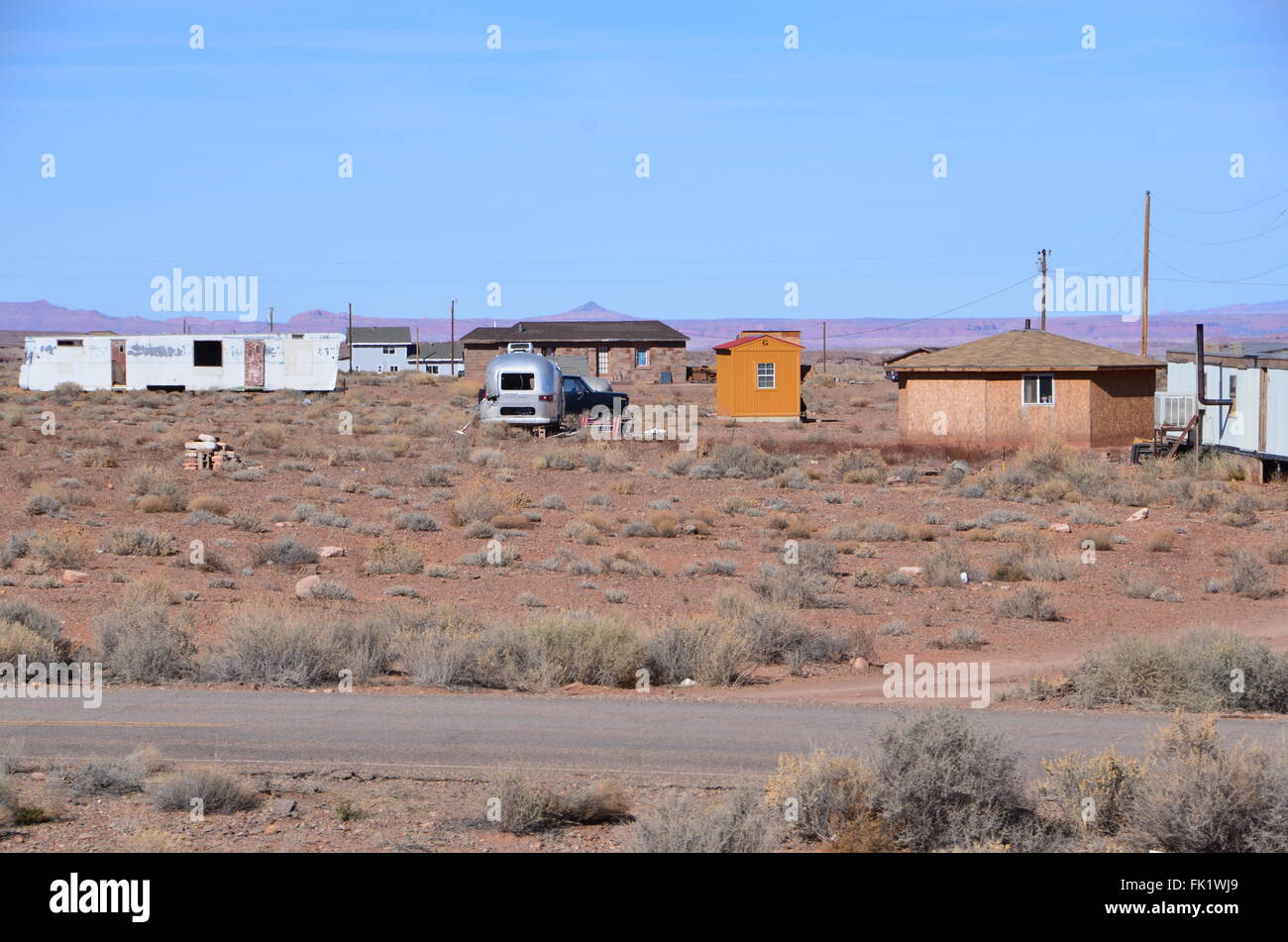
The primary difference lies in the concept of tribal sovereignty. Federally recognized tribes possess inherent powers of self-government, which include the authority to regulate land use and property ownership within their reservations. This sovereignty is recognized by the U.S. government, creating a unique legal framework that differs from state and local laws.
Land Ownership and Types of Tenure
Trust Land: This is land held by the federal government in trust for the benefit of a tribe or individual tribal member. Trust land cannot be sold or encumbered without federal approval, typically from the Bureau of Indian Affairs (BIA).
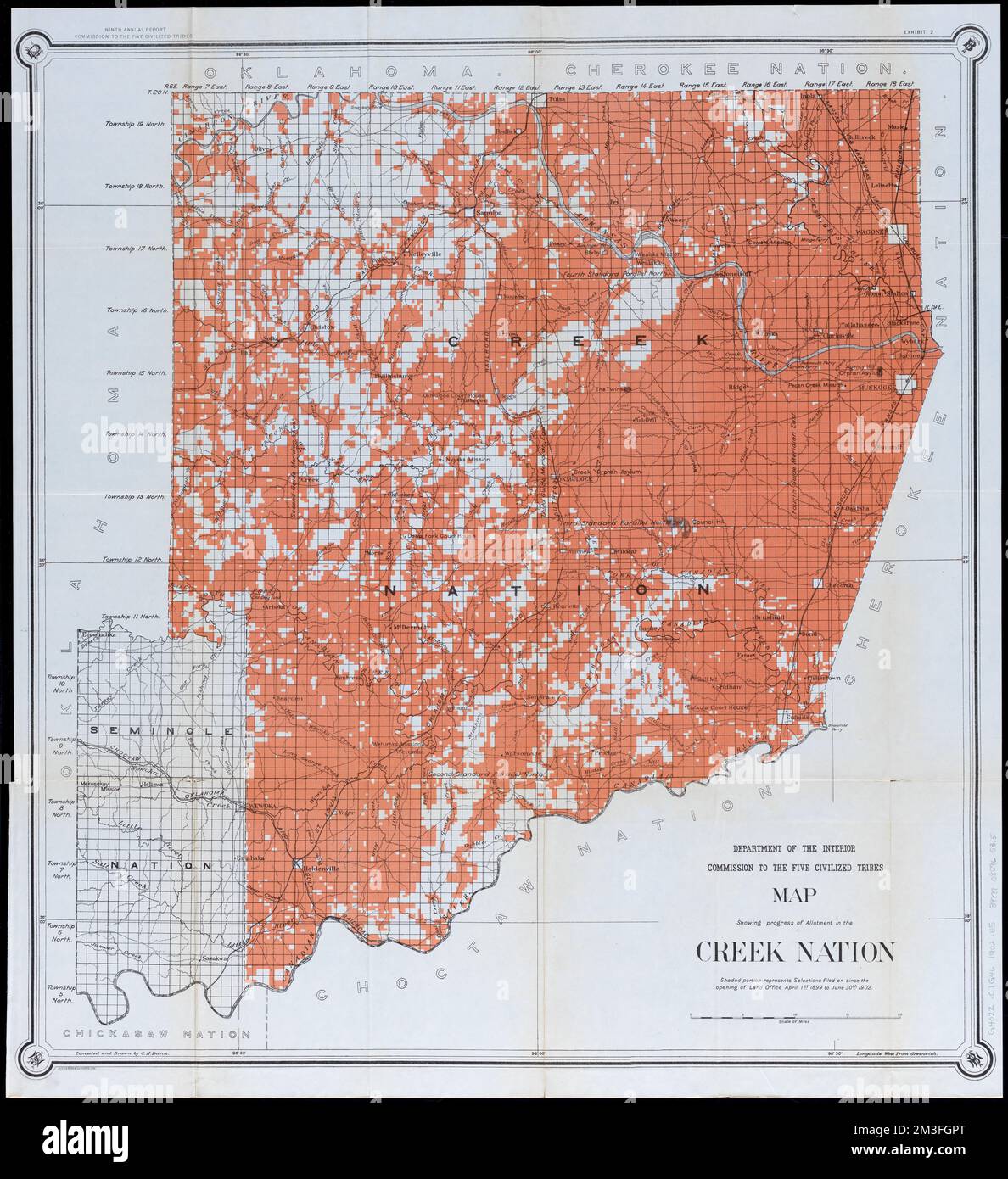
Allotted Land: In the late 19th and early 20th centuries, the U.S. government implemented the Dawes Act, which divided tribal lands into individual allotments. These allotments were intended to encourage individual farming and assimilation. While the allotment era ended, many allotted lands remain in trust or restricted fee status.
Fee Simple Land: In some cases, land within a reservation may be owned in fee simple, meaning the owner has full ownership rights and can sell or transfer the property without federal restrictions. This is less common, but it does exist, particularly on reservations where land was privatized during the allotment era.
Leasing on Indian Reservations
Leasing is a common way to utilize land on Indian reservations, particularly trust land. Tribes and individual landowners can lease their land for various purposes, including residential, agricultural, commercial, and energy development. Leases require approval from the BIA to ensure they are in the best interest of the landowner.
Residential Leases: These leases allow individuals to build or occupy homes on tribal land.
Agricultural Leases: These leases enable farming and ranching activities.
Commercial Leases: These leases support businesses and economic development on the reservation.
Energy Leases: These leases facilitate the extraction of natural resources such as oil, gas, and minerals.
Bureau of Indian Affairs (BIA) Regulations
The BIA plays a significant role in regulating real estate transactions on Indian reservations. The BIA’s primary responsibility is to protect the interests of tribes and individual Indian landowners. This includes approving leases, sales, and other land transactions to ensure they comply with federal law and tribal regulations.
Land Title and Records: The BIA maintains records of land ownership and transactions on reservations.
Lease Approval: The BIA reviews and approves leases to ensure fair market value and compliance with regulations.
Environmental Compliance: The BIA ensures that real estate development projects comply with environmental laws and regulations.
Trust Responsibility: The BIA acts as a trustee for tribal lands, protecting the interests of the beneficiaries.
Financing Real Estate on Indian Reservations
Securing financing for real estate on Indian reservations can be challenging due to the unique legal and regulatory environment. Traditional lenders may be hesitant to provide mortgages on trust land because of the restrictions on foreclosure and the need for BIA approval.
Tribal Housing Authorities: Many tribes have established housing authorities that offer financing and housing assistance to tribal members.
Section 184 Indian Home Loan Guarantee Program: This program, administered by the U.S. Department of Housing and Urban Development (HUD), provides loan guarantees to lenders who finance homes on Indian reservations.
Private Lenders: Some private lenders specialize in financing real estate on tribal lands.
Credit Unions: Credit unions with a focus on serving Native American communities may offer financing options.
Title Issues: Clear title is essential for securing financing, but title issues can be common on reservations due to complex ownership patterns and historical records.
Foreclosure Restrictions: Foreclosure on trust land is subject to federal regulations, which can make lenders hesitant.
Appraisal Challenges: Appraising property on reservations can be difficult due to limited comparable sales data.
Investment Opportunities and Considerations
Commercial Development: Developing retail, hospitality, and other commercial properties on reservations can serve local communities and attract tourism.
Housing Development: Addressing the housing shortage on many reservations can be a worthwhile investment.
Renewable Energy Projects: Many tribes are exploring renewable energy projects, such as solar and wind farms, which can generate revenue and promote sustainability.
Tourism and Recreation: Developing tourist attractions, resorts, and recreational facilities can capitalize on the natural beauty and cultural heritage of reservations.
Legal Review: Conduct a thorough legal review of land ownership, lease agreements, and regulatory requirements.
Environmental Assessment: Assess potential environmental risks and liabilities.
Market Analysis: Evaluate the market demand and economic viability of the proposed project.
Community Engagement: Engage with tribal leaders and community members to understand their needs and priorities.
Cultural Sensitivity and Respect
When engaging in real estate transactions on Indian reservations, it is essential to demonstrate cultural sensitivity and respect for tribal traditions and values. Building strong relationships with tribal leaders and community members is crucial for success.
Consultation: Consult with tribal leaders and community members throughout the development process.
Transparency: Be transparent about your intentions and plans.
Respect for Cultural Sites: Protect and preserve cultural sites and artifacts.
Economic Benefits: Ensure that the project provides economic benefits to the tribe and community.
Conclusion
Real estate on Indian reservations presents a unique set of opportunities and challenges. Understanding the legal framework, financing options, and cultural considerations is essential for success. By working collaboratively with tribes and respecting their sovereignty, it is possible to create sustainable and mutually beneficial real estate developments on tribal lands. This guide provides a foundation for navigating this complex landscape and fostering positive relationships with Native American communities.


