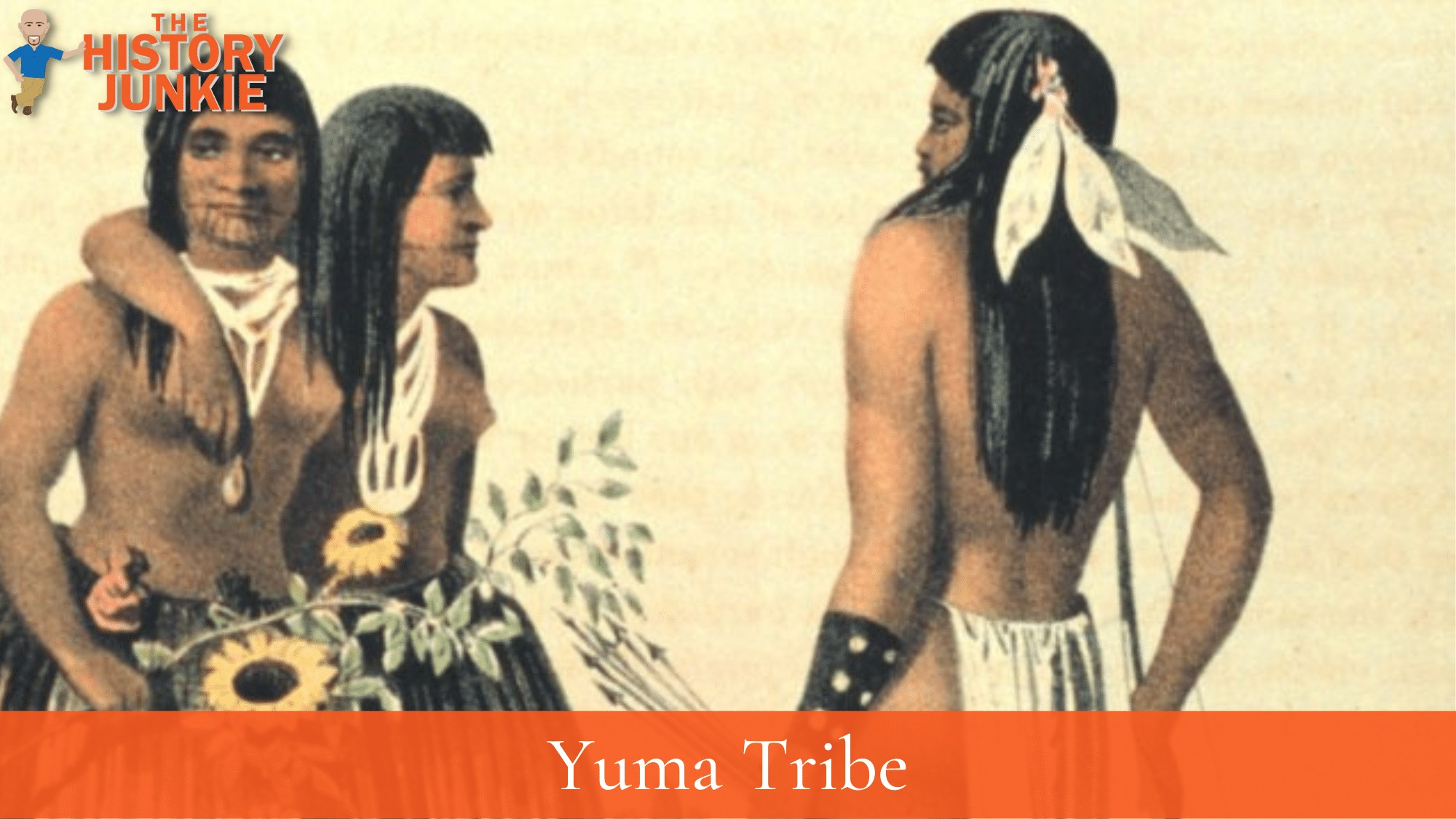
The Enduring Current: A History of the Quechan (Yuma) Tribe on the Colorado River
The lower reaches of the Colorado River, where its mighty currents once meandered freely before merging with the Gulf of California, have for millennia been the ancestral heartland of the Quechan people. Known for much of recorded history as the Yuma, a name bestowed upon them by the Spanish, the Quechan (pronounced Kwuh-TSAN) are a resilient and vibrant Indigenous nation whose history is inextricably linked to the life-giving waters of the "Haa Koom – The River." From ancient agricultural prowess to fierce resistance against colonial powers, and from the crucible of assimilation policies to a modern era of self-determination, the Quechan story is a powerful testament to survival, adaptability, and the enduring spirit of a people rooted deeply in the Arizona landscape.
Their narrative, stretching back over 10,000 years, begins long before the arrival of Europeans, when the Quechan flourished as master agriculturalists. Unlike many desert tribes, their existence was not solely reliant on hunting and gathering. The annual flooding of the Colorado River deposited rich, fertile silt, creating an ideal environment for sophisticated flood-plain farming. They cultivated a diverse array of crops, including maize, beans, squash, and various melons, which supplemented their diet of fish, game, and wild plants. This agricultural abundance supported a large and complex society, characterized by a well-organized social structure and a formidable reputation as skilled warriors and traders. Their strategic location at the confluence of major trade routes made them a pivotal hub for goods and ideas moving between the Pacific Coast, the Great Basin, and the Southwest.
The relative isolation of their riverine empire was irrevocably shattered in the 16th century with the first European incursions. In 1540, Spanish explorer Hernando de Alarcón became the first European to navigate the Colorado River, encountering the Quechan and marveling at their imposing physique and advanced culture. Over the next two centuries, intermittent contact occurred, primarily with explorers like Juan de Oñate in 1604. However, it was the persistent Franciscan missionary Father Francisco Garcés, accompanying Juan Bautista de Anza’s expeditions in the 1770s, who brought sustained Spanish presence and, ultimately, conflict.
Garcés, initially welcomed by the Quechan, sought to establish missions and convert the tribe. His efforts, coupled with Anza’s desire to forge a land route to Alta California, led to an influx of Spanish settlers, soldiers, and livestock. This encroachment on Quechan land, disruption of their agricultural cycles, and the imposition of foreign religious and social structures proved intolerable. The Quechan, under the leadership of their sagacious Chief Palma, initially sought accommodation but grew increasingly frustrated by the Spanish disregard for their sovereignty and resources.
This simmering resentment boiled over in a dramatic and decisive moment in 1781: the Yuma Revolt. In a coordinated and devastating attack, the Quechan rose up, destroying the Spanish missions, presidio, and settlements, and killing many of the soldiers and priests, including Father Garcés. This powerful act of resistance effectively closed the Anza Trail and halted Spanish expansion into the lower Colorado River region for decades. The Yuma Revolt stands as a stark reminder of Indigenous agency and their fierce determination to protect their homeland and way of life against colonial aggression.
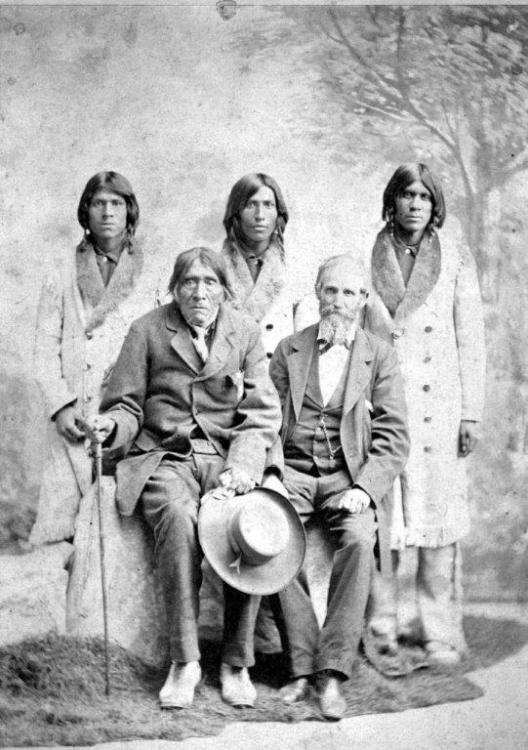
The subsequent Mexican period (1821-1848) brought little direct change to the Quechan’s situation, as the nascent Mexican government struggled to assert control over its vast northern territories. However, the mid-19th century ushered in a new and far more relentless wave of encroachment: the American expansion. The Treaty of Guadalupe Hidalgo in 1848 ceded vast swathes of land, including Quechan territory, to the United States. This was quickly followed by the California Gold Rush, which transformed the lower Colorado into a critical ferry crossing and steamboat hub. Thousands of prospectors, settlers, and merchants poured through Quechan lands, bringing disease, environmental degradation, and increased conflict.
The U.S. government, recognizing the strategic importance of the Yuma Crossing, established Fort Yuma in 1851, signaling a permanent military presence. This era marked a profound shift from limited interaction to direct U.S. federal control, paving the way for the reservation system. The Fort Yuma Indian Reservation was officially established in 1884, a fraction of their ancestral lands, consolidating the Quechan people and initiating a new chapter of struggle against policies designed to assimilate and dispossess them.
The late 19th and early 20th centuries were particularly brutal. The Dawes Act of 1887, ostensibly designed to "civilize" Native Americans by breaking up communal land ownership into individual allotments, proved disastrous for the Quechan. It resulted in the loss of vast tracts of reservation land to non-Native settlers, further eroding their economic base and traditional social structures. Compulsory attendance at off-reservation boarding schools, such as the Fort Yuma Indian School, became a painful tool of cultural suppression. Children were forcibly removed from their families, forbidden to speak their language, practice their ceremonies, or wear their traditional clothing. The stated aim, as infamously articulated by Captain Richard Henry Pratt, founder of the Carlisle Indian Industrial School, was to "kill the Indian, save the man." This traumatic experience left deep scars, disrupting intergenerational knowledge transfer and threatening the very fabric of Quechan identity.
Despite these systematic attacks on their culture and sovereignty, the Quechan people endured. Their inherent resilience, forged over millennia by the rhythms of the Colorado River, refused to be extinguished. Throughout the 20th century, the tribe actively fought for their rights, particularly their vital water rights to the Colorado River, which were constantly under threat from burgeoning agricultural and urban development in the Southwest. Landmark legal battles, often spanning decades, became central to their struggle for self-preservation and economic viability.
The mid-20th century saw the beginnings of a national shift in U.S. Indian policy towards self-determination. For the Quechan, this meant renewed efforts to assert their sovereignty, rebuild their infrastructure, and revitalize their cultural heritage. The establishment of tribal government structures, the development of economic enterprises, and the pursuit of educational opportunities for their youth became paramount.
Today, the Quechan Nation stands as a testament to this enduring spirit. Governed by an elected Tribal Council, the Quechan are actively engaged in shaping their own future. Economic development, including the successful Quechan Casino Resort and various agricultural enterprises, provides essential revenue for tribal services and programs. Cultural revitalization efforts are robust, with a focus on language preservation, traditional arts, and the perpetuation of ceremonies and oral histories. The annual Kwatsáan Days celebration, for example, brings the community together to honor their heritage and share their culture with others.
However, challenges remain. The impacts of historical trauma, including poverty, health disparities, and the ongoing struggle to protect their natural resources, are still felt. The battle for water rights, particularly in the face of persistent drought and increasing demand on the Colorado River, continues to be a critical issue for the Quechan, whose very identity is tied to the health of the river. As Quechan elder and cultural preservationist Preston J. Arrow-Weed once remarked, "Our culture is tied to the river. Without the river, there is no Quechan." This sentiment underscores the profound and spiritual connection the Quechan maintain with their ancestral river, a connection that has shaped their past, defines their present, and will guide their future.
From the ancient floodplains to the modern tribal council chambers, the history of the Quechan people is a powerful narrative of resilience, adaptation, and unwavering cultural strength. They are not merely survivors of history but active architects of their destiny, continuing to draw strength from the enduring current of the Colorado River, a lifeline that has nourished their people for countless generations and promises to sustain them for many more to come. Their story is a vital chapter in the rich tapestry of Arizona and American history, reminding us of the profound depth and tenacity of Indigenous cultures.