The Quechan Tribe, also known as the Kwatsáan, holds a profound historical and cultural connection to the lands surrounding the lower Colorado River. Their reservation, officially known as the Fort Yuma Indian Reservation, stands as a testament to their enduring presence and sovereignty in a region of immense strategic and environmental importance. Understanding the Quechan Tribe Reservation border is not merely about drawing lines on a map; it’s about appreciating a complex interplay of history, law, culture, and ecology that defines a sovereign nation within two states.
For millennia, the Quechan people thrived along the fertile banks of the Colorado River, their ancestral territory stretching far beyond the current reservation boundaries. This vibrant civilization developed sophisticated agricultural practices, intricate trade networks, and a rich spiritual connection to the river, which they regarded as the lifeblood of their existence. Their traditional lands encompassed vast areas of what is now southeastern California and southwestern Arizona, extending into parts of Baja California, Mexico.
The arrival of European explorers and, later, American settlers dramatically altered the landscape and the Quechan way of life. Encounters with Spanish missionaries and subsequent American expansion brought conflict, disease, and the relentless pressure to cede land. Despite these immense challenges, the Quechan people demonstrated remarkable resilience and an unwavering commitment to their heritage.
The establishment of the Fort Yuma Indian Reservation in 1884 marked a significant, albeit complex, turning point. This formal designation, initially much smaller than their ancestral domain, was a result of a long and often contentious process involving treaties, executive orders, and federal policy. It legally recognized a portion of their homeland as sovereign tribal territory, albeit under the purview of the U.S. federal government.
Geographical Location and Modern Borders
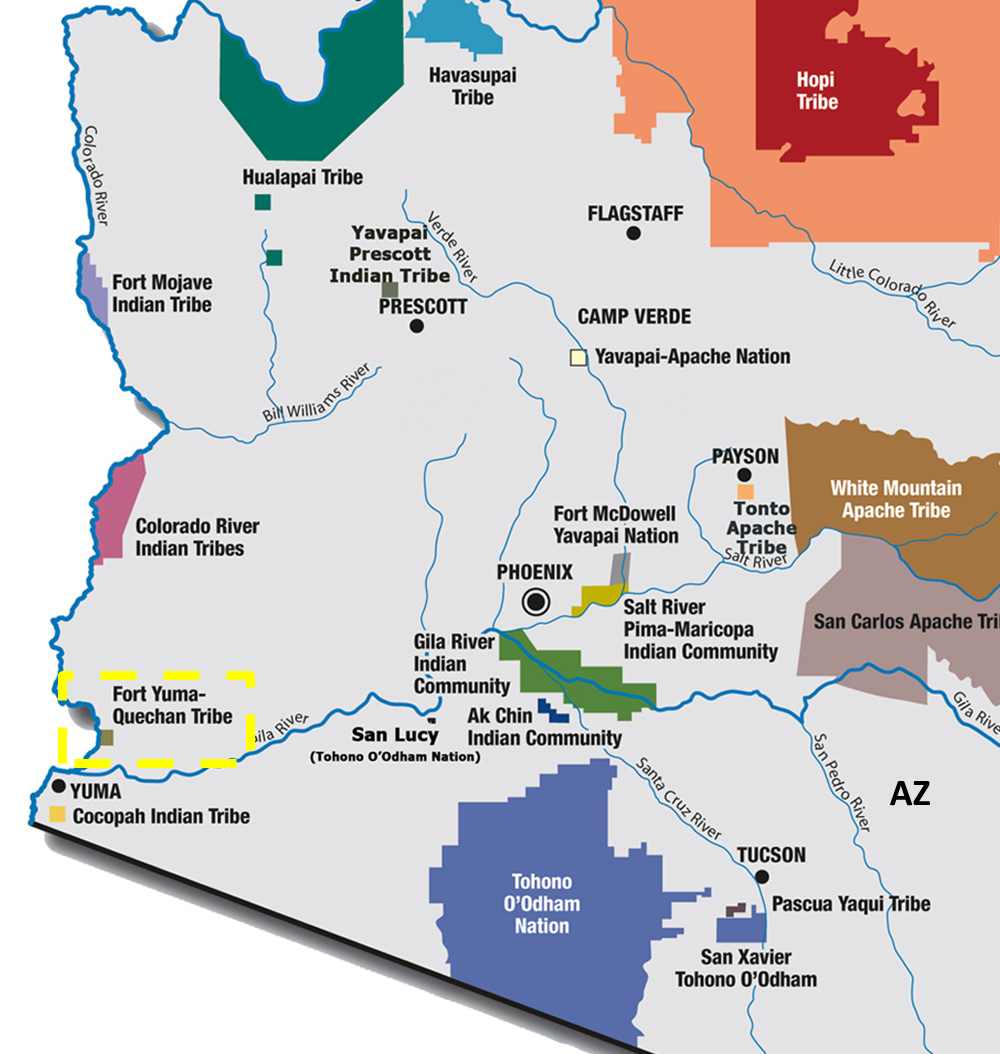
A common question often arises: ‘Where exactly is the Quechan Tribe located?’ The Fort Yuma Indian Reservation spans both sides of the Colorado River, primarily situated in southeastern California and southwestern Arizona, directly adjacent to the cities of Yuma, Arizona, and Winterhaven, California. This unique geographical placement along a vital waterway has profoundly shaped the tribe’s history and modern-day challenges.
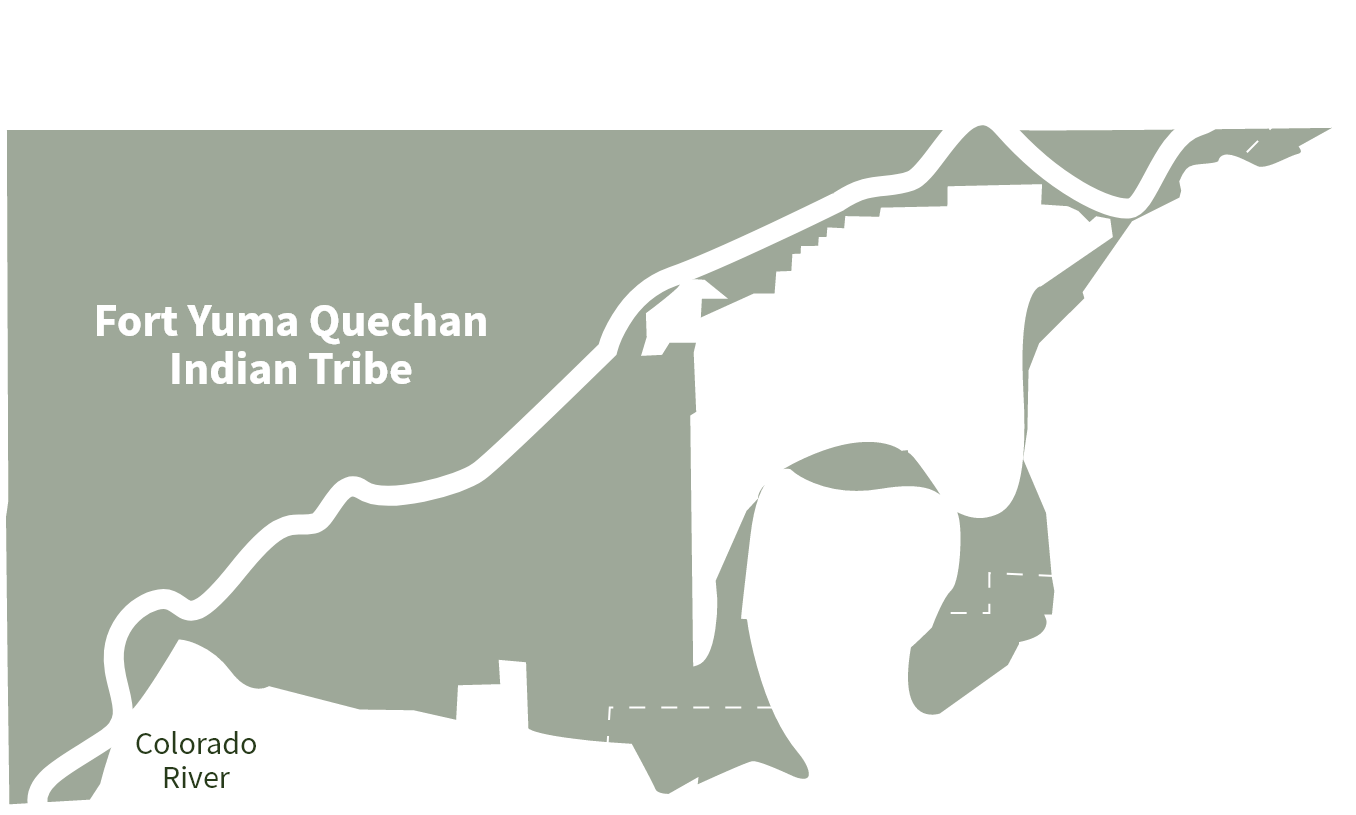
The reservation’s borders are defined by geographical features and surveyed lines, encompassing approximately 45,000 acres. To the west, the reservation extends into Imperial County, California, while to the east, it lies within Yuma County, Arizona. The Colorado River itself forms a natural boundary and a central feature, dividing the reservation and underscoring the tribe’s deep connection to this critical water source.
The proximity of the reservation to major transportation routes, including Interstate 8, and its strategic location near the U.S.-Mexico international border further highlight its significance. This confluence of state, federal, and international boundaries creates a unique jurisdictional landscape that the Quechan Tribe navigates daily.
The Multifaceted Significance of the Border
The Quechan Reservation border is far more than a mere administrative line; it is a demarcation of sovereignty. Within these borders, the Quechan Tribal Council exercises governmental authority, enacting laws, managing resources, and providing services for its members. This self-governance is a cornerstone of tribal identity and self-determination, distinguishing the reservation from surrounding state and federal lands.
For the Quechan people, the land within their reservation borders is sacred. It is where their ancestors lived, where their cultural practices are maintained, and where future generations will continue to learn and thrive. The border helps protect traditional sites, burial grounds, and the natural environment that is integral to their cultural heritage and spiritual beliefs.
Economically, the reservation borders define the area where the tribe can pursue self-sustaining enterprises. This includes the operation of businesses like Paradise Casino, agricultural endeavors, and other ventures that provide employment and revenue, contributing to the well-being of the Quechan community and the broader regional economy.
Resource management, particularly concerning the Colorado River, is another critical aspect defined by the reservation’s borders. The Quechan Tribe holds significant water rights, a testament to their aboriginal claims and historic use of the river. These rights are vital for agricultural, domestic, and economic purposes, and their protection is a continuous priority.
Challenges and Issues Related to the Border
One of the most enduring challenges facing the Quechan Tribe is the ongoing management and protection of their water rights to the Colorado River. As demands on the river increase due to population growth and climate change, ensuring adequate allocation for tribal use remains a complex legal and political endeavor, often requiring negotiation with state and federal entities.

The reservation’s close proximity to the U.S.-Mexico international border presents unique challenges. Border security operations, including the presence of Border Patrol, often intersect with tribal lands and impact the daily lives of Quechan citizens. Issues such as unauthorized crossings, environmental degradation from border infrastructure, and jurisdictional complexities require ongoing dialogue and cooperation with federal agencies.
Historically, and even in modern times, land disputes and encroachments have been a concern. The integrity of the reservation border is crucial for preventing further loss of tribal lands and ensuring that all activities conducted within or near these boundaries respect Quechan sovereignty and environmental stewardship.
Infrastructure development, whether for roads, utilities, or other projects, often requires careful planning and negotiation when it crosses or impacts tribal lands. The Quechan Tribe actively engages in these processes to ensure that any development benefits the community and adheres to tribal regulations and environmental standards.
Environmental concerns, exacerbated by a changing climate, also pose threats to the delicate desert ecosystem and the Colorado River itself. The Quechan Tribe’s border encompasses a unique biodiversity that requires protection from pollution, habitat loss, and the impacts of regional development.
Quechan Sovereignty and Governance
The Quechan Tribal Council serves as the governing body, elected by tribal members, responsible for the welfare and future of the nation. Their authority extends across the reservation borders, allowing them to enact laws, manage resources, and engage in government-to-government relations with federal and state authorities.
This system of governance is a powerful expression of indigenous sovereignty, enabling the tribe to make decisions that reflect their cultural values and long-term vision. It underscores the fact that the Quechan Tribe is not merely a geographic area but a distinct political entity with inherent rights.
Economic Impact and Development
The Quechan Tribe has strategically leveraged its land and location to foster economic growth. The development of enterprises like Paradise Casino provides essential employment opportunities for tribal members and generates revenue that supports tribal programs, education, healthcare, and infrastructure improvements.
Agriculture continues to be an important economic activity, utilizing the tribe’s water rights and fertile lands along the Colorado River. These efforts contribute to the local economy and maintain a connection to traditional land-use practices.
Tourism also plays a role, with visitors drawn to the region’s natural beauty and the cultural experiences offered by the tribe. This economic diversification strengthens the tribe’s self-sufficiency and ability to provide for its community.
Cultural Significance of the Land Within the Borders
The land within the Quechan Reservation borders is imbued with profound cultural and spiritual meaning. It is home to sacred sites, ancestral burial grounds, and areas where traditional ceremonies and practices have been performed for generations. Protecting these areas is paramount for the preservation of Quechan cultural identity.
The Colorado River itself holds immense spiritual significance, woven into the tribe’s creation stories, songs, and ceremonies. The health of the river is directly linked to the spiritual and physical well-being of the Quechan people, making its careful stewardship a cultural imperative.
Through language revitalization programs, cultural centers, and educational initiatives, the Quechan Tribe actively works to transmit its rich heritage to younger generations, ensuring that the stories, knowledge, and traditions connected to their ancestral lands endure.
Looking Towards the Future
The Quechan Tribe continues to champion its rights and assert its sovereignty in an ever-changing world. Future efforts will likely focus on strengthening economic self-determination, protecting water and land resources, and advocating for policies that respect tribal sovereignty and promote the well-being of their community.
Collaboration with federal, state, and local governments, as well as environmental organizations, will be crucial in addressing shared challenges such as border security, water conservation, and sustainable development. The Quechan perspective, rooted in centuries of land stewardship, offers invaluable insights for regional planning.
Education about the Quechan Tribe’s history, culture, and sovereign status is vital for fostering greater understanding and respect. By sharing their story, the Quechan people ensure that their contributions to the region and the nation are recognized and valued.
Conclusion
The Quechan Tribe Reservation border represents a dynamic interface of history, culture, law, and environment. It is a boundary that delineates not just territory, but also sovereignty, cultural preservation, and economic self-determination. From the historical struggles for land recognition to the modern-day challenges of water rights and border security, the Quechan people have demonstrated an enduring strength and an unwavering commitment to their ancestral lands along the Colorado River.
Understanding the complexities and significance of this border is essential for anyone seeking to grasp the rich tapestry of Indigenous history and contemporary Native American life in the American Southwest. The Quechan Tribe stands as a powerful example of resilience, governance, and the profound connection between a people and their sacred land.


